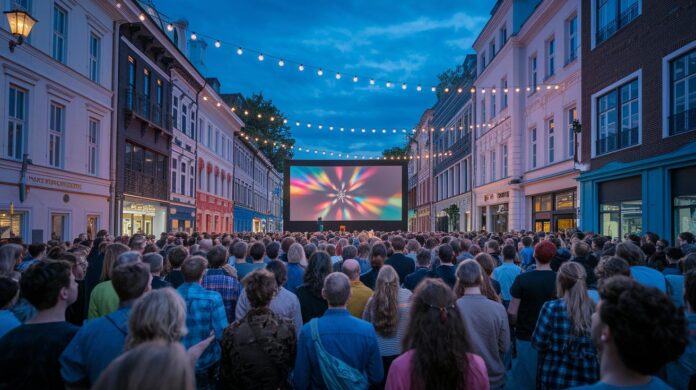

Ever wonder how film critics stir up buzz during festivals? Many of them race from early screenings to live blogging, working all day long. Their quick style might feel rushed, but it captures the real magic and energy of film events. In this post, we show how tight deadlines spark sharp insights and how every note and moment adds to how we see festival films. Get ready for a clear look at the fast pace behind the reviews.
Film Critics’ Fundamental Approaches to Festival Highlights
Film critics work hard to make the most of film festivals. They start by chasing early press passes and industry screenings, sometimes even before the festival officially begins. This head start sharpens their insights and helps them decide which moments at the festival truly stand out.
Even critics without formal journalism training push themselves by speaking up and taking the lead. Many begin their day as early as 8 AM for a 10 AM screening, then race through several shows, always jotting down quick notes along the way. They have to write their reviews the same day, so every minute counts.
Here are some key tactics they use:
These steps show the discipline and quick thinking that go into covering festival highlights. Their hard work makes it easier for audiences to decide which films might be worth their time at the festival and beyond.
Screening Appraisal Strategies in Festival Coverage
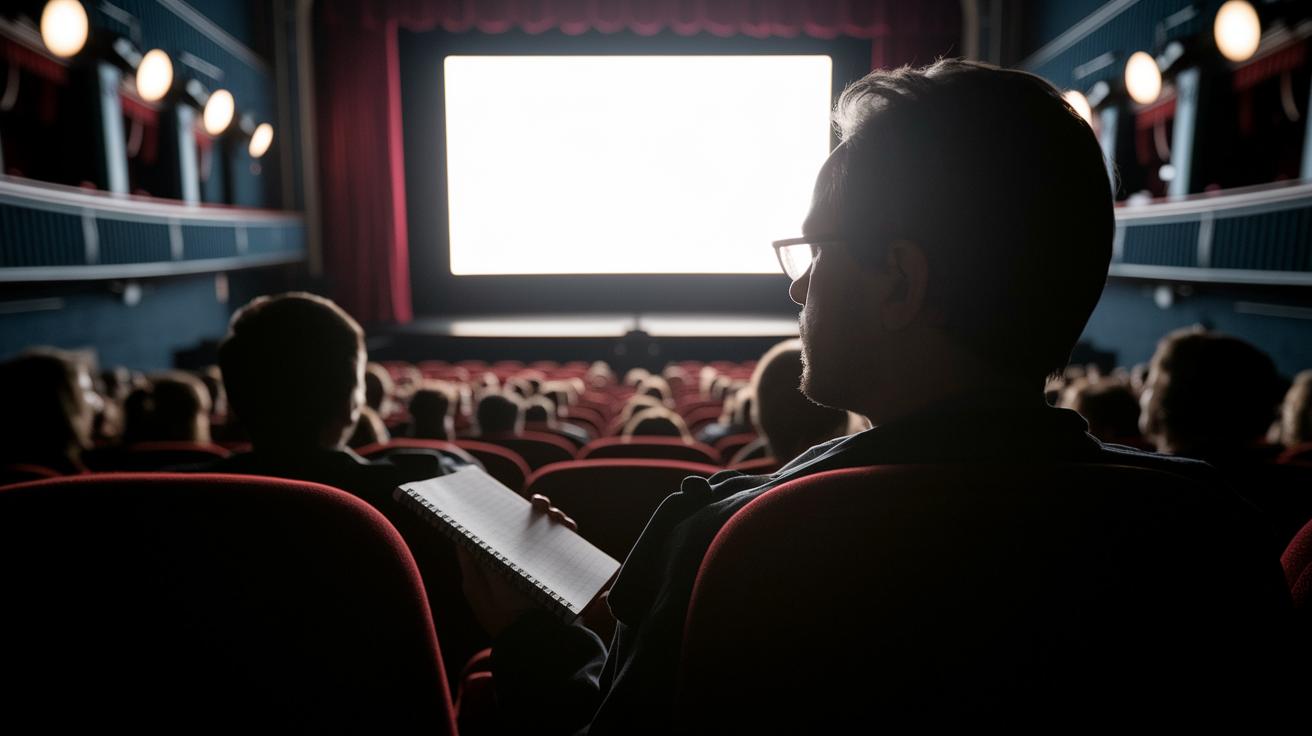
Critics sharpen their skills during press and industry screenings by paying attention to every small detail of the viewing. They watch the audience closely, observing moments of laughter, quiet, or soft murmurs as the film plays. For example, a critic might say, "Even before the film starts, the room’s silence tells you something big is coming." This simple note sets the stage for a clear, thoughtful review.
At Q&A sessions, critics share insights with one another and talk with directors without giving away plot details. A seasoned journalist might jot down key points during these talks and then check them against other viewers' responses to stay fair.
The screening venue also matters. The room’s size, sound, and seating can change how you feel about the film. Critics often compare the cozy atmosphere of small indie spaces with the grand feel of big theaters. By looking at audience reactions, Q&A discussions, and the venue setup, they build a complete picture of the film’s festival experience.
Artistic Assessment Strategies and Evaluation Criteria
Critics use clear film standards to judge movies. They rate films with numbers or star ratings while adding thoughtful notes on the work. They look closely at direction, acting, camera work, storytelling, and production design. For example, one critic said, "The camera lingers on a rainy cityscape, perfectly capturing the mood." Such observations mix well with audience buzz and social chatter, placing films alongside past festival favorites.
They also check if a movie meets classic standards while trying something fresh. By comparing today’s films with well-known festival hits, critics decide if a film stands out or falls short. The blend of measurable scores and genuine gut impressions offers a clear look at a film’s art. A veteran reviewer might note, "The film scores high in direction, yet its narrative feels rushed," combining numbers with vivid descriptions to set clear expectations.
| Criterion | Description |
|---|---|
| Direction | Vision, pacing, coherence |
| Acting | Performance depth, authenticity |
| Cinematography | Composition, lighting, visual innovation |
| Narrative | Story structure, thematic clarity |
| Sound & Design | Score, sound editing, production design cohesion |
Critics blend these clear criteria with instant impressions. This mix of structured scoring and personal insight makes the reviews both fair and engaging.
Narrative Construction Analyses in Festival Highlights
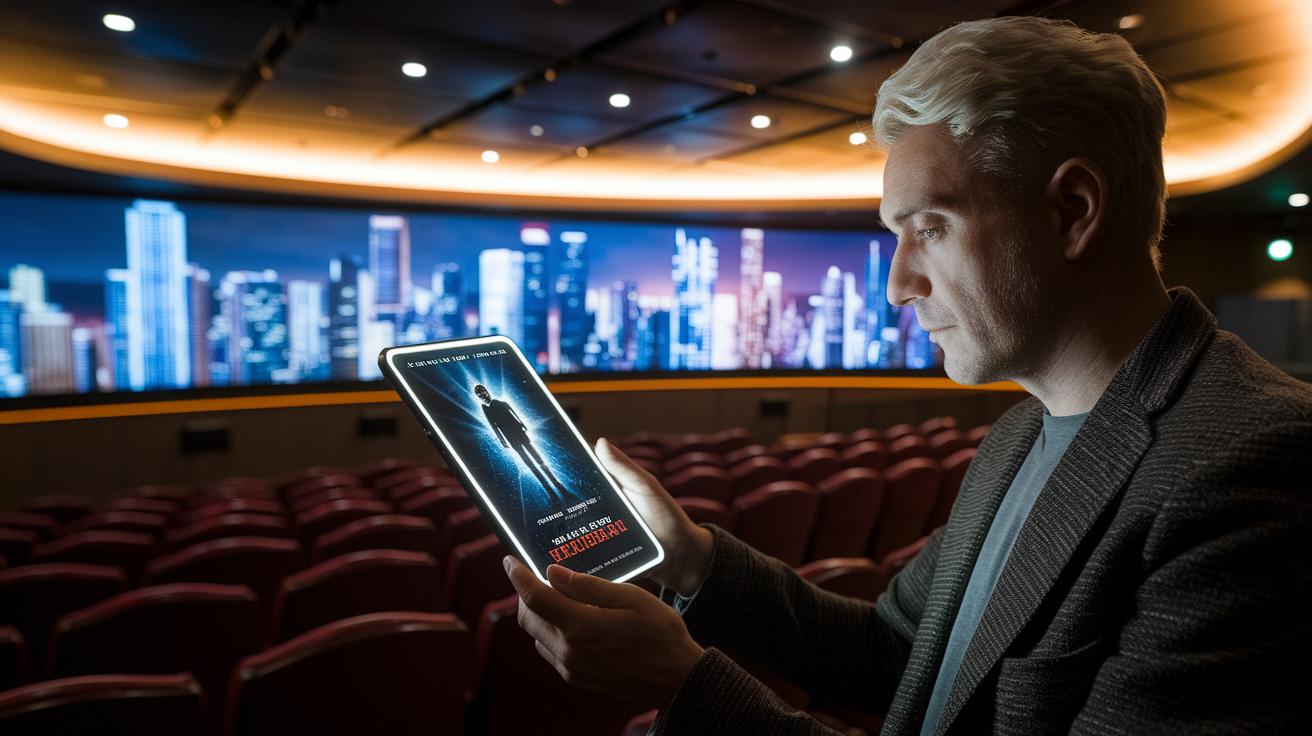
Critics dig deeper than the surface to tap into a film's hidden story. They focus on real themes like social issues, fresh narrative twists, and creative techniques. For example, one critic recalled that the director mentioned in a Q&A how the film tackles modern urban challenges. Such insights spotlight the story's heart. They also notice tiny details like a sudden shift in light or cutting between scenes to show a character's inner struggles, hinting at bigger ideas without giving away key moments.
Case Study: Narrative Themes at the New York Film Festival
At the 2023 New York Film Festival, reviewers praised movies that mix bold social messages with offbeat storytelling. After a screening, one director explained that surreal scenes were meant to mirror everyday challenges, which helped critics capture the film's unique narrative style. By combining director insights with close observations, these reviews guide audiences through the many layers of the films showcased.
Red Carpet Observations and Industry Engagement
Film festivals aren’t just about screenings. Critics use red carpet moments and press interviews to grab quick quotes and real-time insights. They chat with directors, Academy Award winning talent, and producers to shine a light on new films. One reviewer said, "Red carpet conversations show a side of filmmakers you don’t normally see." These brief off-camera chats add fresh details and depth to reviews.
Critics also watch the buzz on the red carpet to sense which films might break out. By seeing the live reactions, they gather hints of a film’s potential success. One-on-one interviews add personal context that naturally fits into the review, highlighting trends and clarifying a film’s creative approach.
- Interviews with directors and producers
- Live observations of audience reactions
- Quick off-camera chats that offer new insights
- Press room discussions that capture the festival vibe
These moments give critics a richer story that goes beyond the screening room and offer readers an inside look at festival highlights.
Critics Perspective Exploration: Ethical Challenges and Biases
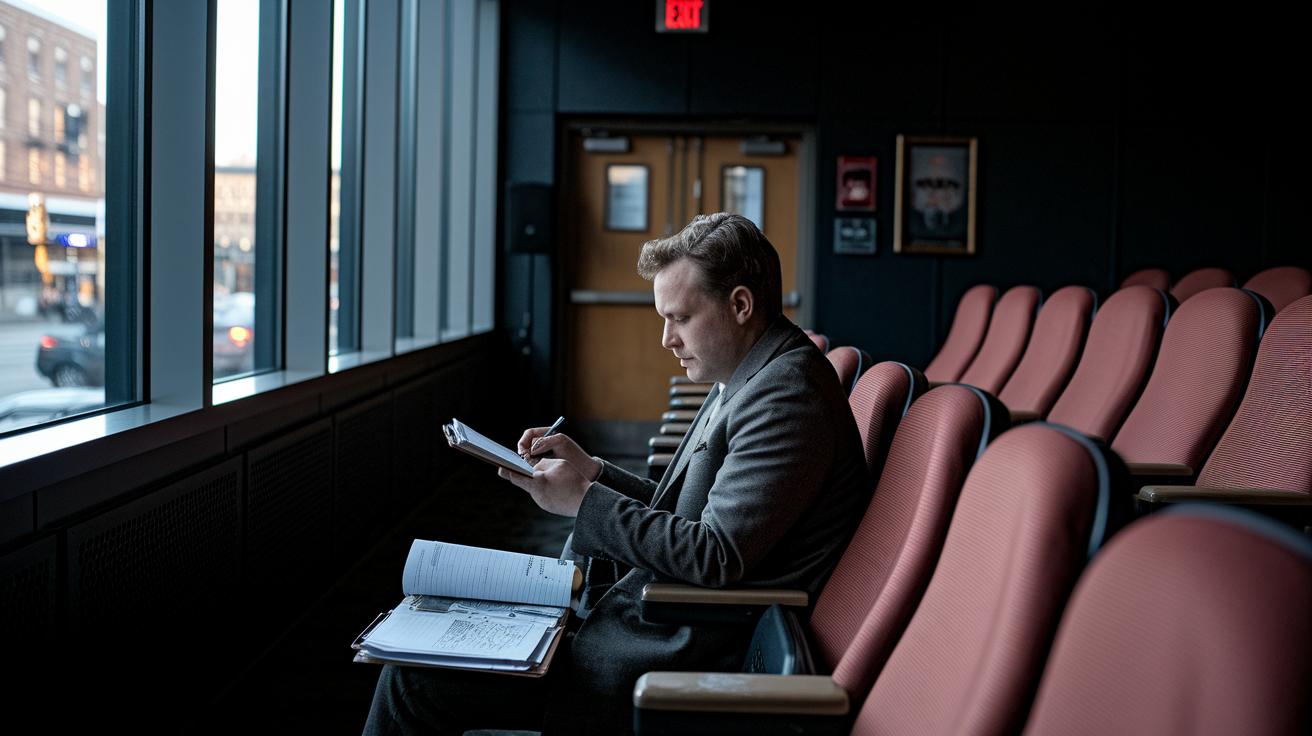
Critics covering film festivals face many challenges. Long days, back-to-back screenings, and pressure from industry insiders can make them lean toward popular buzz rather than offering balanced reviews. Tiredness might blur their judgement, and personal tastes can sneak into their analysis. This caution reminds us that even skilled critics can get swept up in festival hype.
Sometimes, close ties with sponsors or industry friends can lead to conflicts. These relationships might subtly color a review and risk losing trust. Experts suggest taking detailed notes and verifying facts after each screening to stay fair. By keeping personal biases out of their work, critics can offer clearer, more honest insights.
Transparency is key. When critics openly share any pressures or connections that might influence their views, readers know what to expect. Regular self-checks and breaks help maintain a clear perspective. This ongoing effort toward fairness builds trust and keeps film festival coverage reliable.
Final Words
In the action, the post took us through critics’ routines, from early screenings to red carpet chats. It broke down the core moves that turn festival events into thoughtful reviews.
• Securing press/industry screening passes
• Scheduling and time-management across multiple programs
• Note-taking and timestamped observations
• Networking and quick interviews off-camera
• Rapid drafting and live blogging
• Fact-checking cast/crew credits
• Editing for word limits and deadlines
This wrap-up shows how film critics cover festival highlights and offers a clear guide for spotting quality reviews. A positive nod sets viewers on track for a richer movie experience.
FAQ
How film critics cover festival highlights YouTube
The way film critics cover festival highlights on YouTube involves attending press screenings, capturing red carpet moments, and posting quick video insights that guide viewers on what to watch from the event.
How film critics cover festival highlights 2022
The film critics covering festival highlights in 2022 used rapid write-ups and live blogging, combining early-screening access and red carpet observations to quickly inform viewers about the most notable festival moments.
How does film festival judging work?
Film festival judging works by having panels evaluate films based on criteria like direction, acting, cinematography, narrative, and sound & design while considering audience reactions and industry standards.
What is the 20 minute rule for movies?
The 20 minute rule for movies means that key narrative elements should appear within the first 20 minutes of a film, helping engage viewers from the outset.
What is the hardest film festival to get into?
The hardest film festival to get into is often a top-tier event like Cannes, where limited spots and high-caliber entries make acceptance extremely competitive.
Can I use my footage at a festival in a documentary?
Using your footage at a festival in a documentary is usually permitted, but you should check each festival’s specific rules to ensure your work meets their guidelines.