
Have you ever noticed how a single movie scene can flip your mood or even change your life? Classic film moments mix fresh filming techniques with real emotion to leave a mark that lasts for years. Think about that scene that sparks endless conversations and even shapes culture on its own. In this post, we break down what goes into these powerful moments, from unexpected technical twists to lines you just can’t forget, and how they reinvent storytelling. Let’s dive in and explore some of the most influential scenes in film history.
Classic Movie Scenes: What Defines Their Lasting Influence
Iconic movie moments stick with you long after the film ends. In every movie, lots of details come together, but one scene can change the whole story and become part of our culture. Think of a scene that not only entertains but also starts conversations for years to come.
Strong emotions, new filming techniques, and a big twist in the story all help create these memorable scenes. A movie might use a quiet pause to build tension or a clever camera move (a visual trick) to draw you in. For instance, a director might mention, "Before the film even premiered, we used only natural light to capture raw feelings."
- Emotional depth: Moments that make viewers feel intensely.
- Technical breakthrough: Fresh techniques that change how movies are made.
- Cultural resonance: Scenes that become part of our shared memories.
- Memorable dialogue: Lines that people continue to quote.
- Narrative pivot: Shifts that completely change the story.
These ingredients guide filmmakers as they craft timeless classics and influential mini-masterpieces, setting new standards for storytelling. For more insights, check out the resource, Guide to Culturally Impactful Films: Understanding Movies That Changed Society.
War Realism in Classic Movie Scenes
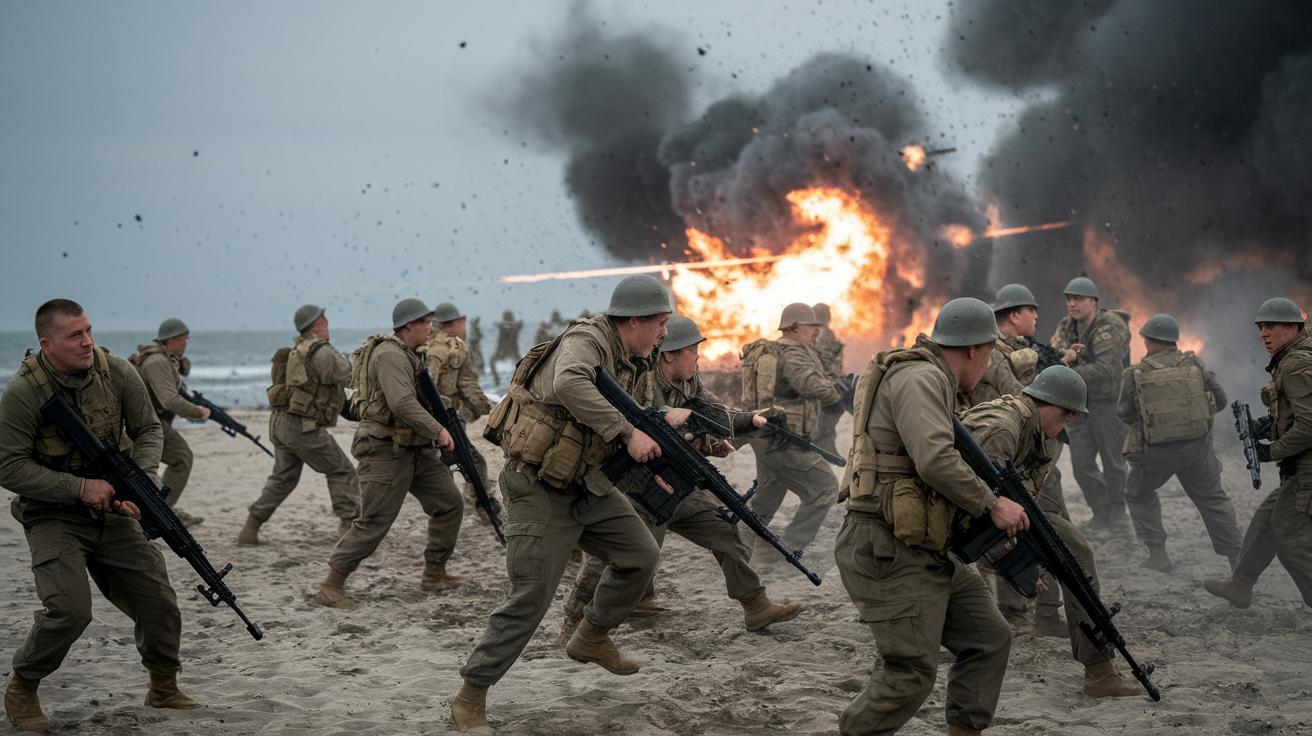
Spielberg’s Saving Private Ryan (1998) throws you right into the chaos of battle with its unforgettable Omaha Beach landing. Soldiers face a relentless hail of enemy fire in a moment that feels as real as it gets. The scene stands out for its raw power and honest portrayal of war.
The film uses smart technical tricks to pull you in. Handheld camera work makes you feel like you're right there with the soldiers, while a washed-out color palette mirrors the grim mood on the ground. Layered sounds of booming explosions and urgent shouts wrap you in the intensity of combat.
- Chaotic cuts: Fast, offbeat edits show the confusion and rush of battle.
- Layered audio: Overlapping sounds build a thick, lifelike atmosphere.
- Soldier POV shots: Perspectives from the fighters let you experience every moment.
Saving Private Ryan reset the bar for war movies. Its bold techniques continue to shape how filmmakers capture the raw intensity of combat.
Sci-Fi Monologues and Timeless Tributes in Movie History
Sci-fi movies blend creative storytelling with heartfelt outbursts. They often feature memorable speeches and striking montages that boost a film's impact. These moments, crafted with reflective dialogue or smart editing, invite you to explore life's big questions. A few well-placed lines can spark deep insight and leave a lasting impression.
Blade Runner Monologue
Blade Runner’s "Tears in the Rain" speech stands out as a prime example. Rutger Hauer delivers his improvised words with raw emotion that captures the pain of fading away. The scene is powered by Vangelis’ haunting music and close-ups that pull you deep into the moment. This mix of spontaneous dialogue and atmospheric sound creates one of cinema's most unforgettable monologues.
Interstellar Montage
Interstellar’s "Years of Messages" montage stretches time with a series of quick cuts that feel both steady and precise. The film pairs rhythmic editing with a subtle, impactful music cue to heighten the emotional rush of watching years pass in minutes. It shows how smart technical choices can turn a simple montage into a moment of pure wonder.
Both scenes balance storytelling with innovative editing, carving an enduring legacy in the world of sci-fi.
Romance and Musical Moments in Classic Movie Scenes

Casablanca shows us how to say goodbye with real feeling. In its farewell scene, Rick parts ways at an airport. His words "Here's looking at you, kid" mix hope and sacrifice in a way that feels both tender and powerful. Even a simple look here carries deep emotion and a lifetime of memories.
Grease gives us a burst of fun in its "Summer Nights" number. In a lively schoolyard, catchy tunes, smooth dance moves, and a nostalgic setting capture the excitement of young love. Imagine dancing under twinkling lights and sharing mischievous smiles. This scene remains as fresh as high school memories even after decades.
These timeless moments live on because they tap into feelings we all share. They invite viewers to laugh, cry, and sing along. They are not just parts of films but celebrations of love and life that continue to bring people together.
Animated Emotional Peaks: Classic Scenes in Animation
Toy Story 2 gives us a heartfelt flashback in the "Jesse’s Song" scene. This tender moment reveals parts of a character’s hidden past and sets the stage with deep emotions. It helps viewers feel both the pain and beauty of the story.
The animation uses soft lighting that caresses each frame, a relaxed pace that lets feelings bloom, and music that makes the scene even more touching. At one point, a gentle instrumental cue turns a quiet moment into something that beats with raw emotion.
This scene has influenced many later animated films. Filmmakers now often aim for similar heartfelt visuals and immersive soundtracks. Its mix of simple storytelling and smart technical choices still shows us how animation can stir empathy and create lasting memories.
Dance and Pop Culture: Unforgettable Screen Sequences

In Tarantino’s classic film Pulp Fiction, we’re dropped into a retro diner with a twist-dance contest that immediately grabs us. Mia Wallace and Vincent Vega light up the screen with playful moves, while the vintage music sets a lively tone. The camera catches every glance and step, matching each movement perfectly with the beat.
Every move feels both natural and carefully timed, drawing us into the moment. This iconic scene has influenced music videos and later films, proving that a well-crafted dance sequence can change the way we tell stories on screen.
Plot Twists and Tension: Scenes That Shocked Viewers
Films come alive when unexpected turns and tight tension grab you by the heart. A clever twist or a quiet, charged moment can transform simple dialogue into a lasting memory long after the credits roll.
The Usual Suspects Reveal
In The Usual Suspects, the truth is hidden behind smart misdirection and well-placed flashbacks. Just when you think you've figured it out, one final line turns everything upside down, making every earlier hint feel fresh and powerful.
No Country for Old Men Coin Toss
No Country for Old Men builds a quiet intensity with a simple coin toss. Javier Bardem’s calm delivery, paired with soft ambient sounds, turns the coin into a haunting symbol of fate.
- Clever storytelling that hides clues until the last moment
- Tension created through simple and effective sound design
These techniques set a high bar for suspense in thrillers and crime dramas, reminding us that subtle details can pack a serious punch.
Training Montages: Inspirational Peaks in Classic Movie Scenes
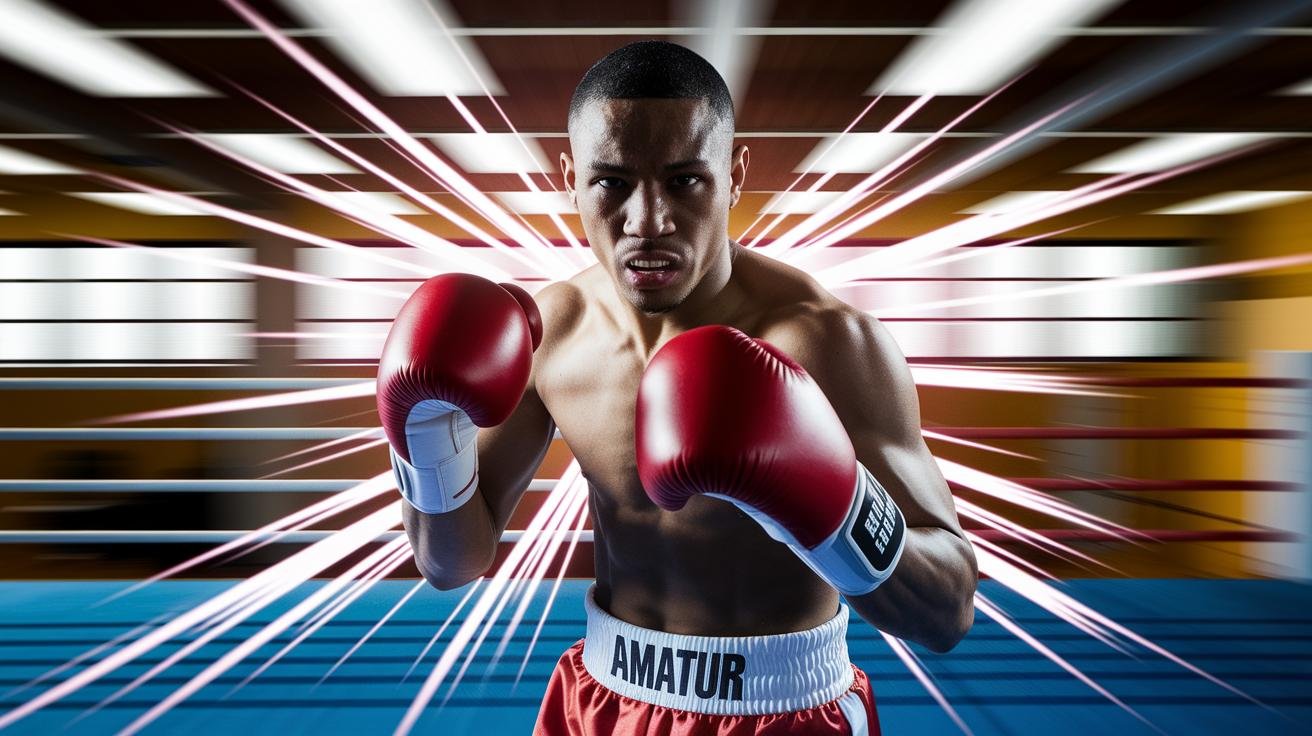
Montage sequences pack hours of storytelling into a few thrilling minutes. They show how a character changes and grows while pushing forward with a burst of energy. Think of a montage as a series of quick snapshots that build excitement and remind you to keep trying, just like watching a hero go from doubt to strength in moments.
In Rocky II, the training montage pairs an upbeat song with fast-moving time-lapse shots to show the boxer slowly building his power. Every quick cut and rhythmic beat highlights his growing determination, turning everyday exercise into a visual story of beating challenges.
This style has made a big impact on both sports films and dramas. Many movies now use short, energetic sequences to lift the whole story, leaving viewers inspired to believe in the power of persistence.
Ambiguous Endings in Classic Movie Scenes
In Inception, the final shot shows a spinning top that never topples over, leaving us to wonder if what we just watched was really the truth. This small moment shakes up the story and sparks debates long after the movie is over.
The scene keeps its focus tight on the spinning top while the background fades softly away. A quiet, simple soundtrack boosts the feeling of doubt and adds to the mystery. The careful mix of clear details and lingering uncertainty makes the ending both touching and thought-provoking, ensuring it stays a big topic of conversation for fans.
Final Words
In the action, we explored how every element, from emotional training montages to shocking plot twists, creates moments that stick with us. Each section highlighted film makers crafting influential scenes with bold visuals, memorable dialogue, and genuine heart.
These classic movie scenes (most influential scenes in film history) remind us that films are more than entertainment; they spark ideas and emotions. Enjoy the magic of cinema, and let these moments inspire your next movie night.
FAQ
Q: What makes a classic movie scene influential in film history?
A: The influential quality of a classic movie scene lies in its emotional impact, innovative visuals, and narrative turning points that set creative standards and shape audience expectations for storytelling.
Q: How are the most powerful movie scenes recognized as among the best of all time?
A: The most powerful scenes earn praise for dramatic tension, memorable dialogue, and breakthrough technical elements, earning spots on lists like “10 Best Movie Scenes of All Time” and fueling discussion across film communities.
Q: Why do filmmakers and fans recreate famous movie scenes?
A: Filmmakers and fans recreate famous movie scenes as a tribute to their cultural impact, capturing iconic visuals and dialogue that resonate and inspire new interpretations in modern cinema.
Q: What eras have produced iconic movie scenes in recent film history?
A: Recent eras, especially the 2000s and 21st century, have delivered standout moments with cutting-edge techniques and bold storytelling, leaving a lasting imprint on both film history and audience memory.