

Watch – 7.5/10
A chilling mystery that uses a mysterious mirror to expose deep family secrets.
- Story: Siblings return home and awaken buried memories.
- Direction: The movie mixes eerie visuals with raw emotion.
- Acting: The siblings carry authentic tension as old wounds resurface.
- Technical Craft: Haunting imagery blurs the line between what is real and imagined.
Ever wonder if a mirror might conceal more than just reflections? In Oculus, a group of siblings returns to their childhood home only to discover that a strange mirror holds hidden family secrets. The film pairs ghostly images with a story of lingering hurts, making every shot feel both unsettling and real.
Comprehensive Overview of Oculus: Premise, Characters, and Twist
Oculus is a 2014 film by Mike Flanagan. It follows siblings Kaylie and Tim Russell, played by Karen Gillan and Brenton Thwaites. After 11 years away, they return to their childhood home to face an old mirror they believe was behind their father's death. Kaylie is sure the mirror has a real and dangerous power, and she hopes it can bring justice. Tim, however, still struggles with the trauma from years in a psychiatric hospital. Every step back into the house feels like stepping into memories they cannot escape.
The film mixes flashbacks and tense moments that show the mirror almost as if it were alive. At one point, the mirror is put back together, which brings old memories and forces the siblings to confront their painful past. There are also eerie scenes with shadowy doubles that make both the characters and viewers question what is real.
In the final scenes, the siblings face the mirror one last time. During this climactic moment, the mirror triggers a fatal chain reaction. Tim, overwhelmed by the pressure and doubt, accidentally sets off a mechanism that brings about tragic consequences. This twist underlines how deep trauma can blur the line between ghostly horror and mental distress.
Key Sequences in Oculus
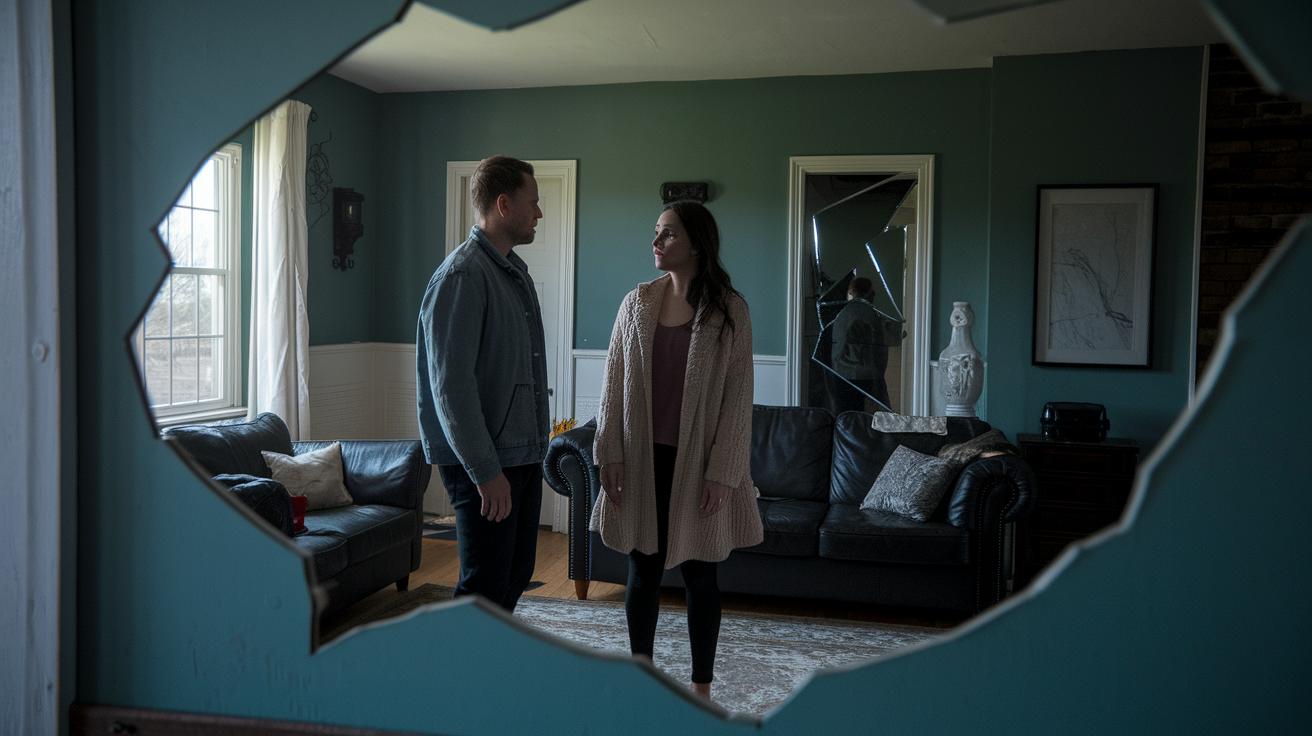
Oculus uses film techniques and strong emotional cues to make its key moments feel more powerful.
- When the characters return to the childhood home and reassemble the mirror, dim lighting and tight shots mirror their inner struggles.
- A flashback to the father's 2002 murder uses quick cuts and shifting colors that unsettle you and bring past pain into focus.
- The doppelganger scenes mix reflective surfaces with rapid close-ups to build tension, blurring the line between self and memory.
- In Kaylie’s vision of her mother, Marie, soft focus and smooth camera movements capture pure emotion and hint at deep grief.
- When the kill switch is triggered, fast edits and sudden silences ramp up the tension, marking a turning point in the story.
These moments show how visuals and character feelings work together to carry the film's overall arc.
Themes and Symbolic Motifs in Oculus
Symbolism is a key part of Oculus. It helps the film explore deep emotions in a simple way. The shared trauma between the siblings connects them and drives their actions as they face old hurts. The old mirror is more than a spooky prop. It stands for a warped view of reality, guilt, and the heavy legacy of the past. Repeated images of double figures show the internal battles and hidden fears each character carries.
Each symbol adds a layer of unease and emotional depth. The mirror does more than just reflect; it shows both the literal and the inner truths of the characters. The double figures reveal their broken identities. Together, these symbols invite viewers to consider how guilt, loss, and mental strain shape the story.
| Theme/Symbol | Description | Key Scenes |
|---|---|---|
| Shared Trauma | Shapes the siblings’ actions and feelings | Return to childhood home; memory flashbacks |
| Antique Mirror | Represents a warped reality, guilt, and generational pain | Mirror reassembly; moments of deep reflection |
| Doppelgangers | Show hidden fears and fractured selves | Confrontational scenes; mirrored visuals |
These themes and symbols work together to deepen the film's emotional impact. In Oculus, they transform a typical horror tale into a thoughtful look at inner conflict.
Cinematic Techniques and Atmosphere in Oculus
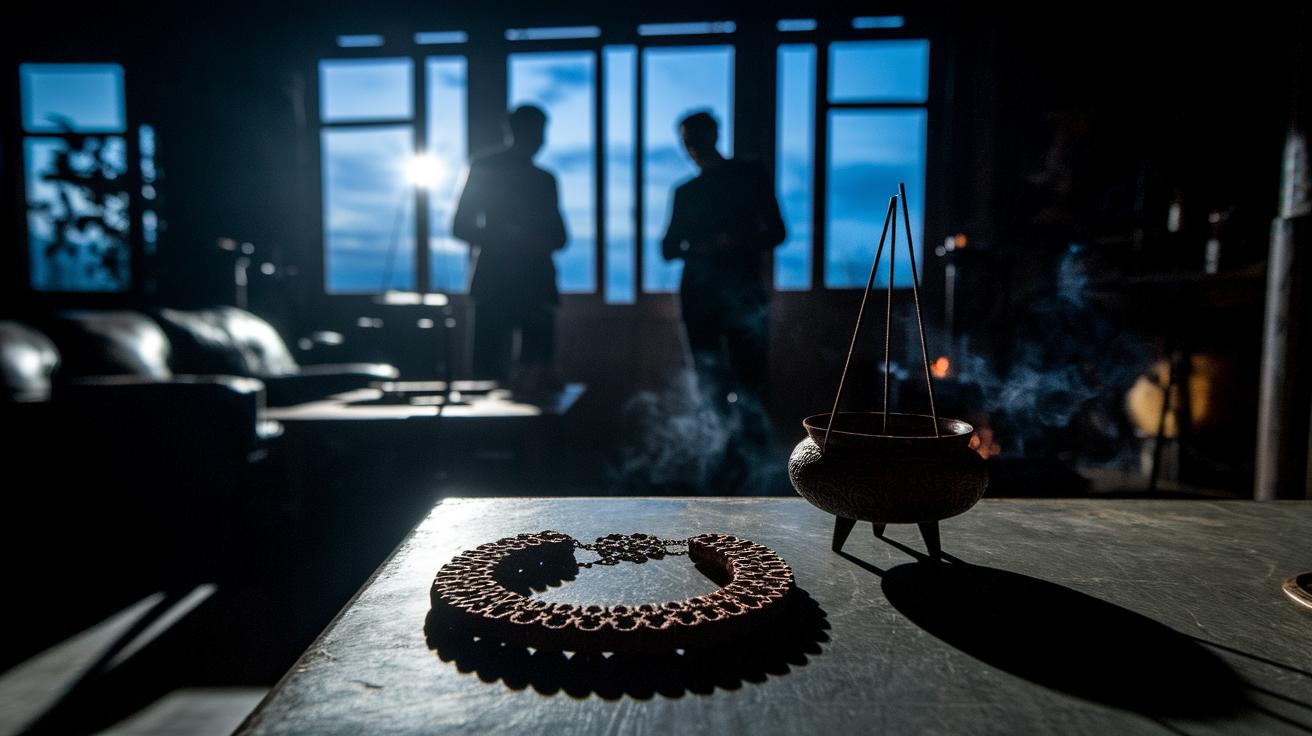
Oculus sets a tense mood with clever lighting and camera work. The old home feels dark and snug as dim lights cast deep shadows, making the space feel almost trapped. Tight close-ups and long, lingering shots show us the characters’ inner struggles as they face unsettling memories.
The set comes alive with small details like a hand-carved necklace and unique incense burners. These props add texture and a sense of history to a space steeped in mystery. Every element works together to pull you into a world where past and present collide.
Sound also plays a huge role. A simple, breathy soundtrack fills the quiet moments while sudden bursts of sound make you jump. The sparse notes build suspense and mirror the characters’ isolation and inner unrest.
Mike Flanagan’s Vision and Production Background of Oculus
Mike Flanagan first made Oculus as a short film in 2003. Later, he expanded it into a full-length movie in 2014. He took his original idea and deepened it with themes of personal pain and eerie supernatural moments. This move let him experiment with real scares and gentle, subtle storytelling. His goal was to mix intense psychological tension with a creepily atmospheric look. In his film, old wounds and guilt push the story forward. The visuals and fast pace show his focus on human vulnerability.
After Oculus, Flanagan became a major name in modern horror. He directed movies like Hush (2013), Before I Wake (2016), Ouija: Origin of Evil (2016), and Gerald’s Game (2017). Each film highlights his talent for building suspense and deep emotion. He also moved into television with series like The Haunting of Hill House (2018), Bly Manor (2020), and Midnight Mass (2021). These projects blend clear visual storytelling with honest character struggles. His steady drive and fresh ideas continue to push the limits of the horror genre.
oculus movie explained: Bright Plot Spotlight
Critics see Oculus as a film that stands apart. Many put it in special categories like "Ruthless Reviews," "Comfortable and Furious," and "Indie Film." Journalists and bloggers say its mix of mind-bending tension and ghostly hints gives plenty to talk about. Some praise its striking visuals, while others find the story’s twists a bit too heavy.
Fans online have been buzzing about the mirror’s true nature. Some argue its power is utterly supernatural, while others feel the film leans more on psychological tricks. They even compare it to famous horror props, sparking fresh ideas and lively debates among movie lovers.
The film’s connection to WWE Studios also shaped how audiences saw it. Some viewers were delighted by the unexpected link, finding it adds a cool twist. Others thought it muddled the film’s identity. Either way, this tie sparked extra chatter as both critics and fans discuss its impact on modern horror storytelling.
Final Words
In the action, we explored Oculus with its eerie premise, compelling characters, and jaw-dropping twist.
Key scenes and symbolic motifs kept us on edge as the movie skillfully unveiled the truth behind an antique mirror.
The film’s tension builds through precise lighting and sound, reflecting Mike Flanagan’s clear vision.
Every piece of analysis confirms why oculus movie explained succeeds in balancing horror and drama.
Ultimately, this breakdown sets a hopeful tone for those eager to see a film that’s both smart and engaging.
FAQ
Q: Oculus movie explained reddit
A: The Oculus movie explained on Reddit highlights how the cursed mirror drives sibling trauma and conflict while mixing supernatural elements with psychological horror, as many users outline in their discussions.
Q: Oculus movie 2 / Oculus 2
A: The term “Oculus 2” appears in fan discussions about a sequel. No official follow-up was produced, and the original film remains a standalone story exploring haunted trauma and supernatural mystery.
Q: Oculus apple scene explained
A: The Oculus apple scene is explained as a symbolic moment that underscores the mirror’s power to distort reality, hinting at hidden truths in the characters’ past and deep-seated guilt.
Q: Oculus movie cast
A: The Oculus movie cast features Karen Gillan as Kaylie and Brenton Thwaites as Tim, with supporting actors enhancing the film’s eerie mood and the deep psychological conflict at its core.
Q: Oculus movie Marisol
A: The reference to Marisol in Oculus points to a character or subplot that adds to the narrative mystery, giving viewers additional layers to interpret in the film’s overall exploration of trauma.
Q: Does Kaylee die in Oculus?
A: The discussion about Kaylie’s fate in Oculus shows that she does not die; instead, her struggle with the mirror’s influence intensifies the film’s emotional tension and psychological drama.
Q: What was the point of the Oculus movie?
A: The point of Oculus is to explore how a malevolent mirror embodies personal trauma and distorted reality, forcing its characters to face their painful past and challenging viewers’ perceptions of supernatural horror.
Q: What happened to the mom in Oculus?
A: The film hints at the mother’s fate through evocative visions and nostalgic memories, suggesting unresolved family trauma, though her exact outcome is left ambiguous for viewers to interpret.
Q: What is the monster in Oculus?
A: The monster in Oculus is portrayed through the ominous mirror, symbolizing both a supernatural force and the psychological terror of personal and family secrets that haunt the characters.
Q: What does the ending of the Circle movie mean?
A: The ending of the Circle movie is interpreted as a commentary on control and reality, leaving viewers to question what is real, a theme that resonates with the unsettling twists seen in other horror films.
Q: Oculus, Gerald’s Game, Midsommar, Absentia, Mirrors, Doctor Sleep
A: These films share thematic ties like supernatural elements and psychological tension. Each offers its own take on horror by exploring trauma, distorted realities, and the blurred lines between real and unreal.