
Ever wonder if movies made for theaters might soon be replaced by films made just for your phone? Vertical films fit your screen perfectly and pull you into the action right from your hand. They zoom in on little details in a way that feels personal, as if the film is speaking to you directly. This post shows how vertical films create an intimate, fresh experience that goes hand in hand with our everyday habits.
Understanding Vertical Films: Definition and Impact
Vertical films use a 9:16 aspect ratio, which fits smartphones perfectly. This means the frame is taller than it is wide, matching how people naturally hold their phones. Imagine watching a scene that feels as close as reading a personal diary, with every detail visible right up close.
Traditional movies were made with wide horizontal frames to show large, sweeping views. Films like Lawrence of Arabia captured vast landscapes meant for big screens, much like a panoramic mural compared to a close-up portrait. Each style gives you a different viewing experience.
Today, more people watch videos on their phones while they are out and about. Social media also prefers portrait videos, which makes vertical films a hit. They focus on close-up shots that highlight facial expressions and small moments. For example, a quick zoom on a character’s reaction feels very direct and personal. Vertical films have become popular because they match the everyday way billions hold their phones, offering a fresh and intimate take on storytelling.
Vertical Films: Vibrant Stories for Mobile Viewing

In making vertical films, planning is everything. Filmmakers start by choosing gear that works well on a smartphone screen. For example, using portable LED lights can keep a subject's face clear when filming with a phone. They also plan short, engaging stories that fit the quick pace of mobile viewing. Clear storyboards help map every vertical shot so each frame stays interesting and strong.
- Use smartphone gimbals or stabilizers for smooth shots.
- Compose each frame to focus on faces and tall spaces.
- Capture ambient sound with small mics made for mobile.
- Edit on a vertical-first timeline that keeps safe zones for app buttons.
- Score the film with music that adds a close, intimate feel.
After filming, the focus moves to post-production. Editors work on a vertical timeline to protect areas where app buttons might cover the screen. They refine cuts to keep the rhythm clear and the story strong. Test screenings on target apps help make sure the film feels natural and immersive. Finally, exporting with the right mobile-friendly codecs ensures the final product looks sharp and sounds just right on any device.
Distribution Channels and Platforms for Vertical Films
Social media platforms like Snapchat, Instagram Stories, TikTok, Douyin, and Kuaishou have changed how vertical films reach audiences. Short vertical episodes, often only a minute long, work well on mobile phones. During the 2020 lockdowns, Douyin and Kuaishou saw more viewers because people turned to their phones for a quick, fun break. This shift made storytelling in portrait style feel more personal and engaging.
Dedicated apps and on-demand services now offer vertical content a place to shine. For example, ReelShort gives viewers a collection of vertical episodes made for fast, on-the-go watching. In 2020, Quibi launched as a streaming service focused on mobile-first shows, even though it closed soon after. With mobile catalogs growing, vertical films are now available on many platforms, from on-demand streaming services to new mobile apps that offer short, lively stories. This new trend encourages filmmakers to experiment with format and push creative limits. The future for vertical films looks promising.
Vertical Film Festivals and Recognition
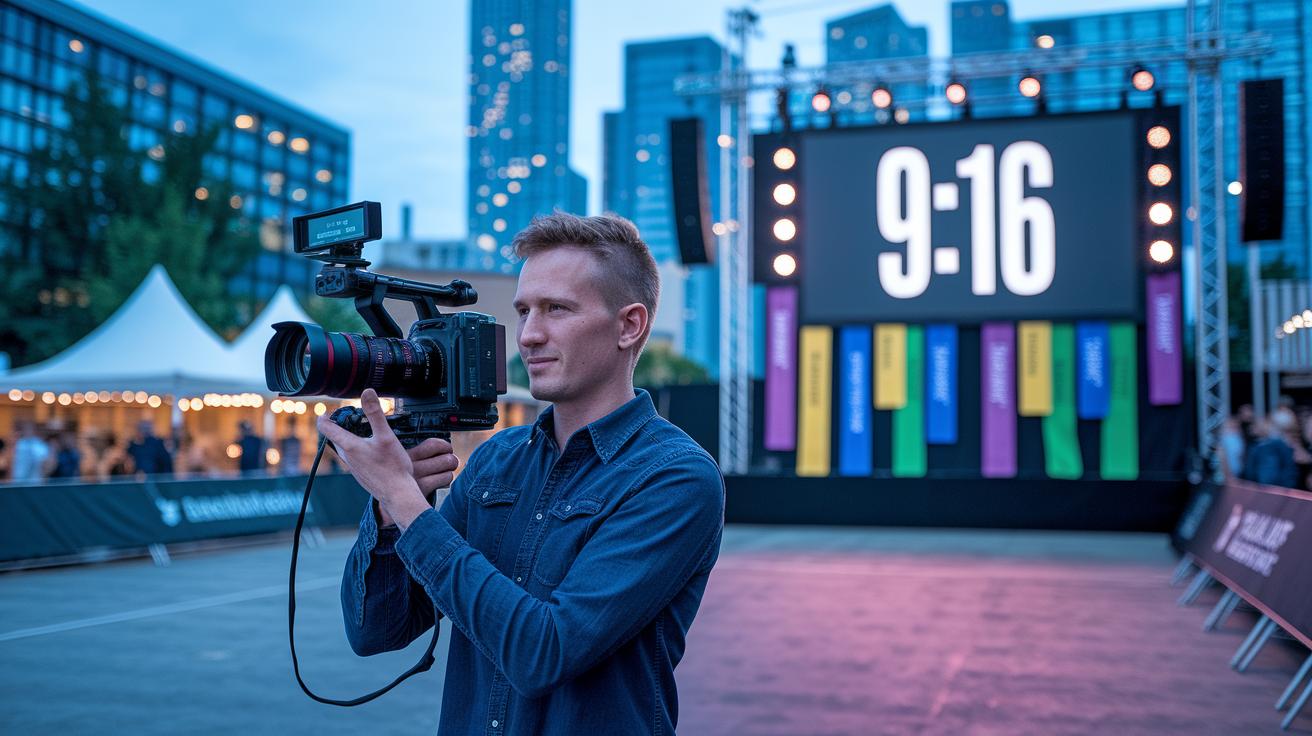
Australia hosted the very first Vertical Film Festival in 2014, and it changed how we think about storytelling on a vertical screen. The event showed that films shot in portrait mode can pack just as much creative punch as those made in the traditional wide-screen format. One highlight was a spot that celebrated vertical shorts on the same level as classic features.
Today, awards are given for best vertical drama, documentary, animation, and experimental short. Judges look for original storytelling, smart use of the 9:16 frame (portrait layout), and solid technical work. This setup not only sparks creative innovation but also marks the growing role of mobile storytelling in our digital world. Both emerging filmmakers and seasoned directors now have clear criteria to evaluate their work.
Filmmakers use these awards to boost their marketing and secure financial backing. Winning in the vertical film community builds credibility, opening doors to funding, better distribution, and extra media attention. Whether you’re with a big studio or working independently, these honors help secure grants and generate buzz for future projects.
Case Studies: Standout Vertical Films and Series
Vertical films are breaking new ground and changing how stories are told. Some projects have not only hooked viewers but also transformed the art of portrait storytelling. These case studies show how vertical techniques spark creativity while achieving commercial wins.
The Stunt Double
Damien Chazelle’s film "The Stunt Double" lifts vertical filmmaking to a whole new level. It uses creative camera moves and tight blocking (arranging actors in a shot) to build tension in every moment. By framing scenes vertically, the film zeroes in on characters’ emotions, making close-ups feel raw and personal. One memorable scene follows a sudden, intense look in one continuous shot, capturing both action and mood in a single take.
2024 English-Language Vertical Series
In 2024, a breakthrough series in vertical format scored millions of views and received major media praise. The show tells its story with concise narrative and smart shot choices that hook viewers from the start. Its mobile-friendly visuals mirror how audiences now watch content on the go. Vertical shorts have also become a powerful tool for filmmakers building international careers. Many use these compact projects as modern portfolios, which have even helped secure O-1 Visas by proving exceptional talent in film, TV, and the arts.
Tips and Resources for Aspiring Vertical Filmmakers

Vertical planning helps you use the mobile screen to its fullest. When you work with a portrait layout, every shot matters. Think of it like this: in one quick glance, you reveal a secret about your character. That tiny scene packs big meaning.
- Enroll in a mobile-first filmmaking workshop.
- Draw your shots on a 9:16 grid to plan tight vertical frames.
- Equip yourself with a compact gimbal and an on-camera LED designed for smartphones.
- Record clear audio using a lavalier mic with a mobile recorder.
- Check your final exports on the apps you plan to use to ensure proper framing and visible UI overlays.
These tips build your skills in creating lively stories with vertical film techniques. Online tutorials break down shot planning, lighting for narrow frames, and editing workflows made for vertical videos. Experiment often, ask fellow creators for feedback, and share your progress. Each try hones your craft and opens new doors to storytelling on mobile platforms.
Final Words
In the action, this article broke down vertical films, from defining the unique 9:16 format to showcasing standout case studies and festival highlights. We also explored production techniques, distribution channels, and practical tips for those embracing this mobile-first format.
Each section delivered quick insights to help you decide what to watch next and understand why these films resonate with on-the-go audiences. Vertical films continue to offer fresh storytelling that captures the spirit of mobile viewing, leaving you ready to explore more.
FAQ
What are vertical films?
The term vertical films refers to movies shot in a 9:16 portrait format, tailored for mobile screens and optimized for social media viewing.
What does a vertical films app do?
A vertical films app curates and showcases vertical films, providing a platform for viewers to enjoy portrait-oriented content on their smartphones.
What is Vertical Entertainment?
Vertical Entertainment is a film distribution company offering releases across theatrical and streaming platforms, covering a range of film formats, including vertical films.
What are vertical films movies?
Vertical films movies are films produced in a portrait (vertical) aspect ratio that cater to mobile viewing, providing a unique visual experience on handheld screens.
What techniques are involved in vertical film production?
Vertical film production uses strategies like micro-narrative scripting, specialized camera work with smartphone stabilizers, and portrait framing focused on facial expressions and tall visuals.
What does a vertical film company do?
A vertical film company specializes in creating and distributing films optimized for vertical viewing, aligning its offerings with mobile audiences and social media platforms.
Who are vertical films actors?
Vertical films actors perform in productions specifically shot in the vertical format, adapting their work to suit the intimate, mobile-first viewing style.
How does vertical films streaming work?
Vertical films streaming delivers content formatted for portrait mode through mobile apps and social platforms like Instagram, TikTok, and Snapchat, providing easy access for on-the-go viewers.
What does vertical film distribution involve?
Vertical film distribution involves strategies and channels, including dedicated apps and social media, for releasing portrait-oriented movies that reach audiences on mobile devices.
How much do verticals pay actors?
The payment for actors in vertical films varies based on the project’s budget, scale, and the actors’ experience, reflecting industry standards in emerging mobile-specific markets.
Where can you watch vertical movies?
Vertical movies can be watched on social media platforms such as Instagram, TikTok, and Snapchat, as well as vertical-centric streaming services and dedicated mobile apps.
Why are short movies called verticals?
Short movies are called verticals because they are filmed in a portrait orientation, designed specifically for mobile screens and to match current content consumption trends.