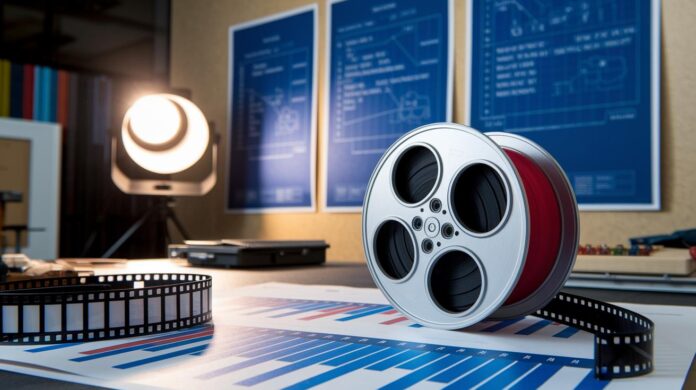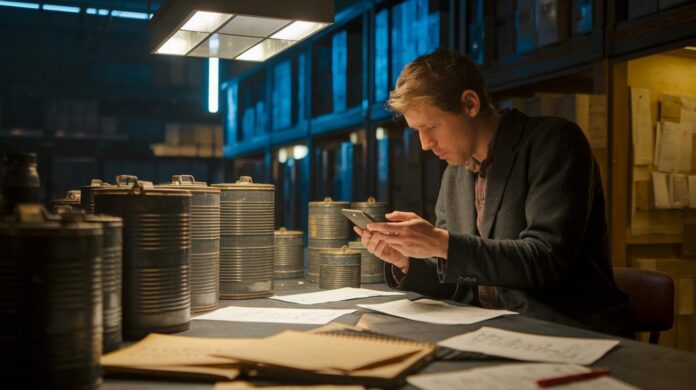

Have you ever wondered why old films still move us today? Film restoration goes beyond simply fixing worn-out reels. It brings back moments from our past. Experts repair issues like warps, fading, and tears so that each frame shines with its original beauty, much like restoring an old photograph. Modern repair techniques keep our cinematic classics alive, giving us a clear window into history and preserving timeless stories for new audiences.
Film Restoration Handbook: Scope and Cultural Significance
This handbook is a guide that helps protect classic films. It explains how experts fix and save old movies with careful repair work and smart preservation tips. Each film is treated like a time capsule full of history. Experts start by checking the film closely for problems like warping, fading, or chemical decay. They then repair it frame by frame so that the movie keeps its original look and style, while benefiting from modern digital tools. For instance, the guide offers a note: "Before becoming a timeless classic, each frame underwent meticulous repair to preserve its unique character."
The handbook also shows that saving old movies is a way to honor our past. It mentions the 1888 Roundhay Garden Scene, a very short film that is the first surviving motion picture, to stress the need for care. With more than 23 years of experience and work on 25,000 videos, the team makes clear that restoration is not just about repair. It is about keeping a window open to the creativity of earlier times.
Analyzing Film Deterioration and Damage Repair Strategies
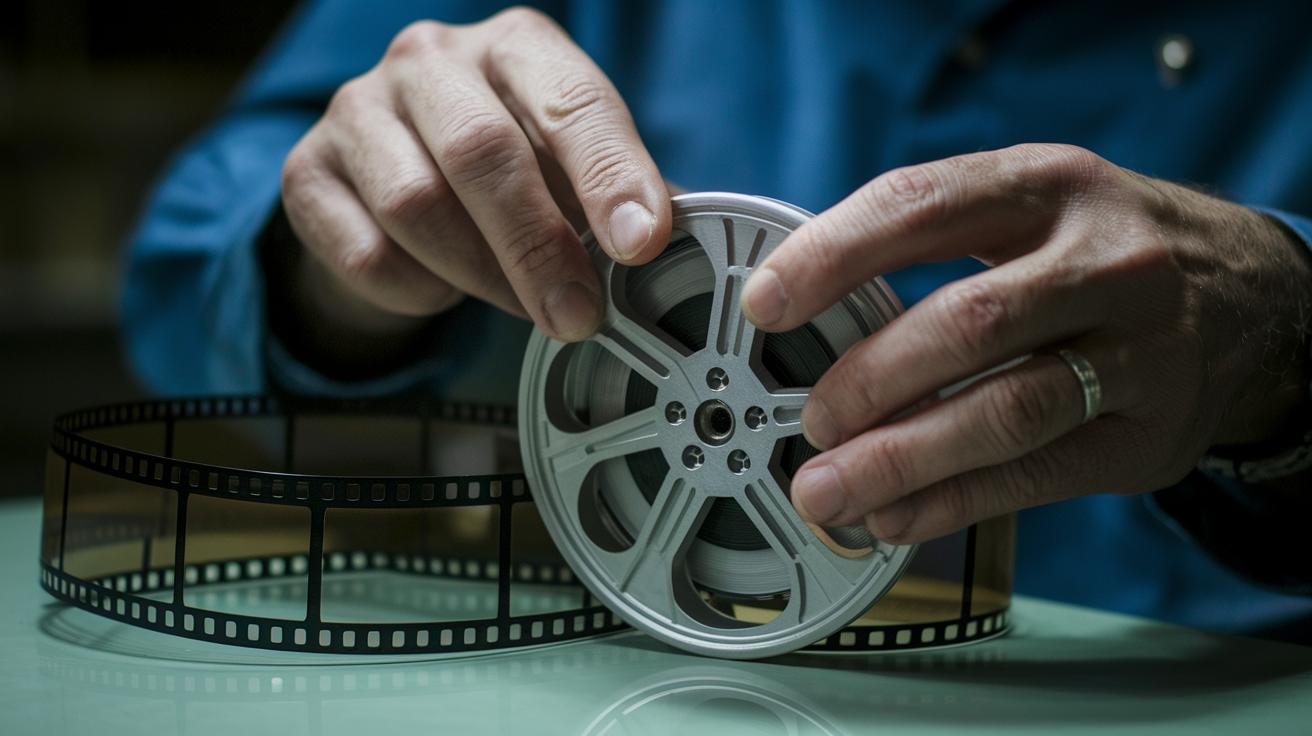
Before any repair work begins, experts start by checking the film's condition. They look carefully for warps, fading, tears, and signs of chemical decay. Detailed steps help them find problems that may not be obvious at first. One technician once shared, "I could see time's effect in the gentle curves of a reel, like creases on an old map." Every small flaw helps shape the next steps in restoration.
A closer look usually reveals familiar issues. Many films have scratches, missing frames, or stains. Temperature changes can warp them while long exposure makes colors fade. Tears break up the picture and chemical decay leaves blotchy marks, much like spilled ink. These clues guide the repair work and the choice of restoration techniques by skilled professionals.
When damage runs deep, manual repair comes into play. Experts splice and patch the film to mend tears and fill missing parts, sometimes even reconstructing scenes with original or backup materials. For serious chemical decay, hands-on fixes work where machines fall short. This careful work brings back both picture and sound, preserving the film's historical value. Every repair is a careful act designed to keep cinematic history alive, done with real passion.
Restoration Workflow: Key Manual and Digital Procedures
This process combines hands-on work with neat digital tricks. Experts examine each film carefully and mix old-school methods with modern software to fix issues without losing its history. They begin with a close look at every frame, then use chemical cleaning, careful manual repairs, and high-quality digital scanning to spot and fix flaws. One technician said it best: "Every scratch tells a story, and our mix of techniques both honors that history and corrects the damage." This approach makes sure nothing gets missed, from the first condition check to the final picture and sound review.
| Step | Procedure |
|---|---|
| 1 | Condition assessment and cataloging |
| 2 | Chemical-based cleaning |
| 3 | Manual splicing and patching |
| 4 | High-resolution film scanning |
| 5 | Automated damage detection |
| 6 | Frame-by-frame digital repair |
| 7 | Final audio-visual quality checks |
Every step matters. The initial checks help spot issues early, letting the team know where to focus. Chemical cleaning gets rid of hidden grime, while manual splicing fixes tears and breaks. High-resolution scanning turns each frame into a digital image so that automated tools can find any hidden damage. Then, careful digital repairs restore each minute detail. Finally, the thorough quality checks make sure the film looks and sounds just right.
This clear and organized method follows strict guidelines, ensuring that every film is treated with care for long-term preservation. The result is a blend of authenticity and top-notch technical work that lets these cultural treasures be enjoyed for years to come.
- Alex Baker , Film Restoration Specialist. Combines old techniques with cutting-edge tech to save film history.
Analog Film Preservation: Cleaning Methods and Chemical Treatments
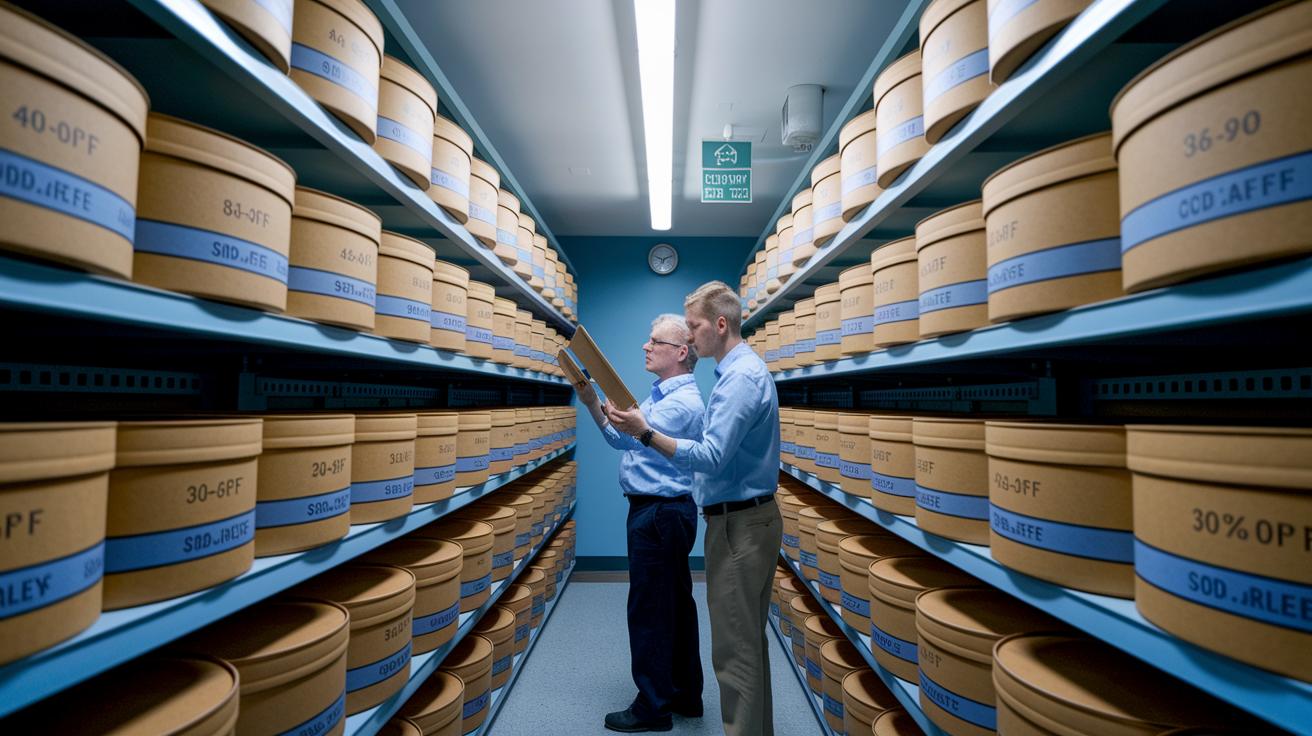
Analog film preservation starts with proper storage. Films are kept in acid-free containers and stored in climate-controlled rooms set between 40°F and 50°F with 30–50% humidity. This careful setup protects the silver halide layers (the light-sensitive chemicals) from breaking down and slows the changes that cause fading and warping. These storage steps ensure films hold on to their original quality and help protect cinematic history.
Cleaning the film is a key part of preservation. Specialists use mild solvents that lift dirt and mold without harming the film’s emulsion (its light-sensitive layer). They apply these chemicals with lint-free wipes to keep fibers or scratches from forming. Sometimes, a little gentle rubbing helps remove stubborn grime. This careful cleaning gets the film ready for more repair and helps it last much longer.
For films with physical damage, manual splicing is needed. Technicians use film cement or polyester tape to fix torn edges and join missing pieces. They line up the film parts carefully to create smooth transitions. This hands-on repair works for both nitrate and acetate films. For more details on handling these materials, check out the vintage film reels cinematic analysis. Mastering these techniques keeps films true to their original form while setting the stage for further restoration.
Digital Film Restoration Techniques: Scanning and Color Correction
High-resolution scanners capture every frame with crystal clear detail, letting automated tools spot even tiny scratches, jitter, and other small flaws. The process of turning analog film into digital copies creates a twin of each frame that can be closely examined and improved. After scanning, digital tools erase visible scratches and steady any jitter, setting the stage for deeper restoration. One technician put it simply, "It’s like translating a faded script into crisp, modern text," showing just how careful every step is.
Frame-by-Frame Digital Repair
Once the film is scanned, each frame goes through a careful repair process that mixes automation with hands-on fixes. Software first detects common defects, and when needed, experts jump in to fix issues at the pixel level. As one technician shared, "Seeing a frame marred by a tiny stain, I corrected it with as much care as one might restore an old family portrait." This blend of smart software and skilled human touch makes sure every frame meets high visual standards and keeps the film’s true look.
Advanced HDR Colour Grading
With repairs complete, the next step is to boost the film’s overall look using HDR color grading. Special software balances the dark, mid-range, and bright areas to bring back the film’s original vibrancy. This technique not only fixes color issues but also ramps up the mood of the scenes. One colorist described the change by saying, "The film’s palette comes alive, like a weathered postcard rediscovered and glowing with renewed warmth." Finally, the finished files are stored in digital asset systems where strict quality checks ensure the restored film will last.
Archival Preservation Methods and Cinema Archival Systems
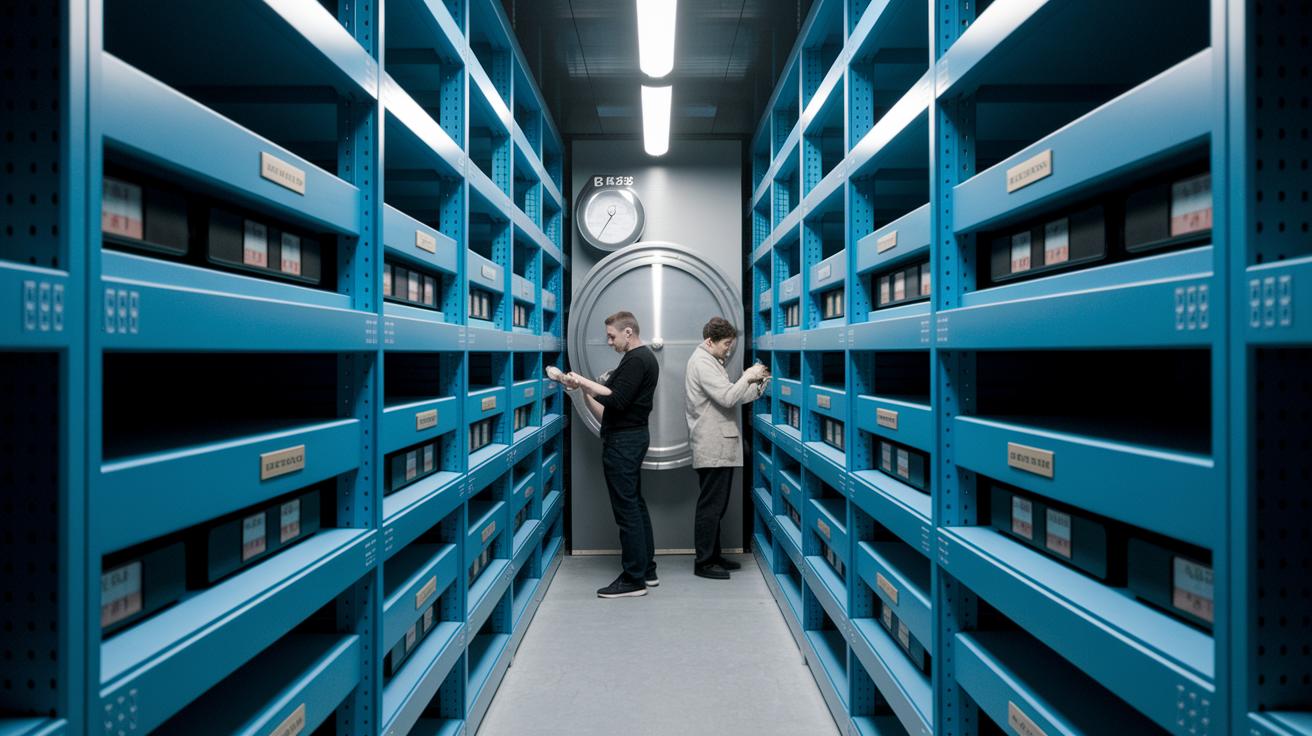
Storing films for the long term means keeping them in very controlled conditions. Special climate vaults hold films at about 35-45°F with 30-40% humidity. They are kept in acid-free cases that shield them from chemical damage and decay. Regular inspections help spot early signs of harm so problems can be fixed quickly. These physical steps make sure films stay in great shape for future viewers.
Digital archiving also plays a key role in film preservation. Each film gets detailed metadata tags that record its history and details. Digital asset management systems securely hold high-resolution scans and backup copies. With good organization, any film can be found fast, ensuring all contents are safe from data loss.
System-wide version control and compliance checks record every update to a film’s digital copy. This lets filmmakers and archivists look back at earlier versions if needed and keeps a full record of any restoration work.
Regular audits and ongoing data checks add extra safety. Routine reviews, including checksum validations (a method to check file integrity) and close inspections of digital files, ensure that no file decays unnoticed. Together, these efforts build a reliable archive that preserves cinematic classics for generations to enjoy.
Essential Restoration Equipment and Materials Overview
Film restoration needs tough hardware, smart software, and reliable supplies. Modern film scanners capture every tiny detail so even small flaws show up. Wet-gate cleaners remove unwanted glare and reflections while scanning, and special rewind tools handle fragile reels gently. Today’s restoration centers use automated tools that spot scratches and color problems (color-grading: fixing colors) so technicians can bring films back to their original shine. For hands-on fixes, film cement and splice tape are key, and archival cans keep reels safe for the long haul. Every tool is picked to ensure high quality and precision by mixing classic lab methods with today’s tech advances.
| Equipment | Purpose | Approx. Cost |
|---|---|---|
| High-res Film Scanner | Captures every frame for digital fixes | $15K-$30K |
| Wet-Gate Cleaner | Reduces glare during scanning | $5K-$10K |
| Automated Damage-Detection Suite | Finds scratches and flaws | $10K-$20K |
| Film Cement | Joins film seams neatly | $50-$100 |
| Archival Can | Keeps film reels safe | $20-$50 |
These tools show how traditional repair work blends with digital precision. Each one helps preserve classic films so they keep their original look while updating for new screens. This careful choice of equipment lets teams meet high quality standards and protects our film heritage for future viewers.
Case Studies in Classic Film Restoration

One great example from the handbook is the restoration of Roundhay Garden Scene. This important 1888 film lasts only 2.11 seconds and was revived using hands-on splicing and careful color fixes. Experts began by checking for tiny flaws that needed both manual and digital help. They fixed missing frames using extra prints and removed stains with a chemical process. The final clip keeps the film’s old charm while protecting its history. One technician said, "Restoring Roundhay was like piecing together a lost whisper from the past. Every frame matters."
In another case, a classic film that had serious damage was saved. The film suffered from washed-out colors, missing frames, and heavy stains that hid parts of its story. Experts used manual splicing for torn parts and digital work on each frame to bring back lost images. With precise color treatments, they restored the film's original liveliness and emotional feel.
These examples show that caring for old films means balancing careful hands with smart digital fixes. A full condition check, picking the right repair methods, and keeping the original feel are key. These lessons serve as best practices for restoring films so that these cultural treasures can tell their stories for years to come.
Final Words
In the action, this post breaks down proven methods to save cherished films. It surveys techniques for damage assessment, manual repairs, digital fixes, and careful archival practices. Each section lays out clear, practical steps, from cleaning and splicing to advanced color correction and metadata management. The film restoration handbook: preserving cinematic classics offers an essential framework for restoring historical treasures. Enjoy applying these insights to keep our cinematic heritage alive for future audiences.
FAQ
What does “Film restoration handbook preserving cinematic classics pdf” refer to?
The phrase describes a comprehensive pdf resource that outlines how to restore and save classic films. It covers detailed methods and ethical practices to keep cinematic heritage intact.
Is the film restoration handbook pdf available for free?
The handbook pdf may be offered at no cost in some cases, providing valuable techniques and insights on film restoration. Check official sites or trusted publishers for current free access options.
What is the film preservation guide pdf?
The film preservation guide pdf is a document that explains procedures for maintaining and safeguarding classic films. It offers practical steps for preserving cinematic history for future generations.
What are film restoration courses and what do they cover?
Film restoration courses deliver training on both manual repair and digital techniques. They teach damage assessment, scanning, and repair workflows to build professional skills in restoring films.
What is The Film Preserve?
The Film Preserve is an institution focused on protecting and restoring important films. It acts as a resource hub, offering expertise and sometimes hosting events related to film conservation.
What does the Film Preservation Society do?
The Film Preservation Society is dedicated to saving classic films through education and restoration projects. It supports initiatives that keep cinematic masterpieces available for future audiences.
How does the International Federation of Film Archives contribute?
The International Federation of Film Archives collaborates with global institutions to share best practices and standards for film restoration and archival methods, ensuring quality preservation of film history.