
Ever wondered if film festival winners really show what regular audiences like? Today, live polls and quick social media buzz are challenging old expert reviews. In this post, we explore how viewer responses are tipping the scales at festivals and giving films a fair chance at top honors. We look at surprising trends in voting data and see how instant feedback is changing award decisions. Get ready to see how everyday viewers are making film judging more fair and democratic, as seen in Bright Views.
Film Festival Audience Reaction Trends: Data-Driven Review
Festivals are changing how they decide winners. Instead of just relying on a panel of judges, they now count digital votes from the audience. Filmmakers and event organizers see this as a shift in power, since online polls and social media now play a big role. Critics find themselves up against the raw opinions of everyday viewers.
Key trends from this digital shift include:
- Live polls that can change award counts.
- Fast feedback from social media.
- Growing trust in audience reviews over expert-only opinions.
- Increased use of surveys and data tools to measure viewer sentiment.
- A mix of reactions that helps shape festival programming.
Data shows that organizers value quick and honest input from the crowd. With expert reviews mixed with clear audience views, films get judged by two important measures. This new model spotlights what viewers really like and helps create a fair, democratic feel in film judging. By watching these trends, festivals can tweak their programs, marketing, and award picks to match the true impact films have on all kinds of audiences.
Evolution of Audience Participation in Film Festivals
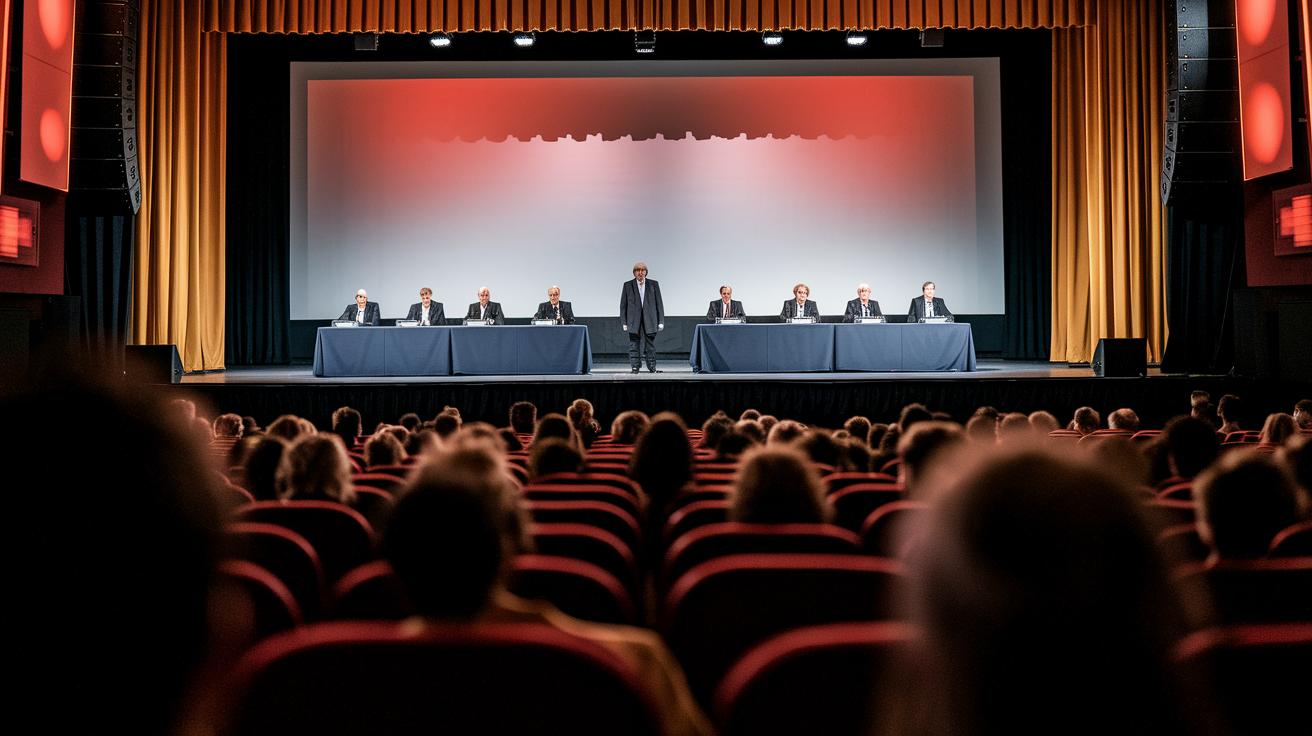
Film awards like Cannes’ Palme d’Or and Locarno’s Golden Leopard used to be decided solely by industry experts. Filmmakers, critics, and insiders formed juries that set the standard for the best films at a festival. Audience opinions played only a small part and were mostly there as background noise compared to the strong voice of the experts.
Back in the mid-1900s, festivals stuck with expert reviews rather than counting immediate viewer reactions. Even when some festivals gathered audience feedback during screenings, it was only for guidance, not to decide the winners. Viewers were seen as extra, their opinions about personal enjoyment rather than influencing awards. At big festivals, the crowd barely got heard next to the juries.
Today, digital tools have changed the game. Real-time online polls and live social media comments now join the mix with traditional ratings. This change gives viewers a real seat at the table, adding a friendly, more democratic edge to evaluating films at opening nights and premiers.
Methodologies for Screening Event Sentiment Analysis
A careful sampling method is used to measure how viewers feel at film festivals. In one study, a reviewer watched 37 films in 11 days at TIFF’s 49th edition. This fast pace captured the live mood of the audience. Watching films back-to-back gave a raw sense of the crowd's energy.
Researchers used surveys and social media scraping to record reactions. Digital questionnaires collected clear answers, while online tools gathered comments, hashtags, and emojis. This mix of numbers and opinions turns simple tweets and survey checkboxes into useful insights.
Case studies show how these methods work in real life. For instance, Sundance films like Union County. A Quiet Portrait of Substance Abuse and Josephine, a Haunting Portrait of Growing Up Too Soon were analyzed using these techniques. Also, Markiplier’s experimental project Iron Lung provided unique feedback from emerging creators. Together, these examples prove that blending traditional surveys with digital analysis paints a clearer picture of audience sentiment.
Still, there are limits. Challenges such as sampling bias, brief survey windows, and the tricky language of social media can affect the results. Even though these tools boost our ability to map viewer patterns, the findings should be read with these constraints in mind.
Audience Reaction Case Studies at Major Festivals
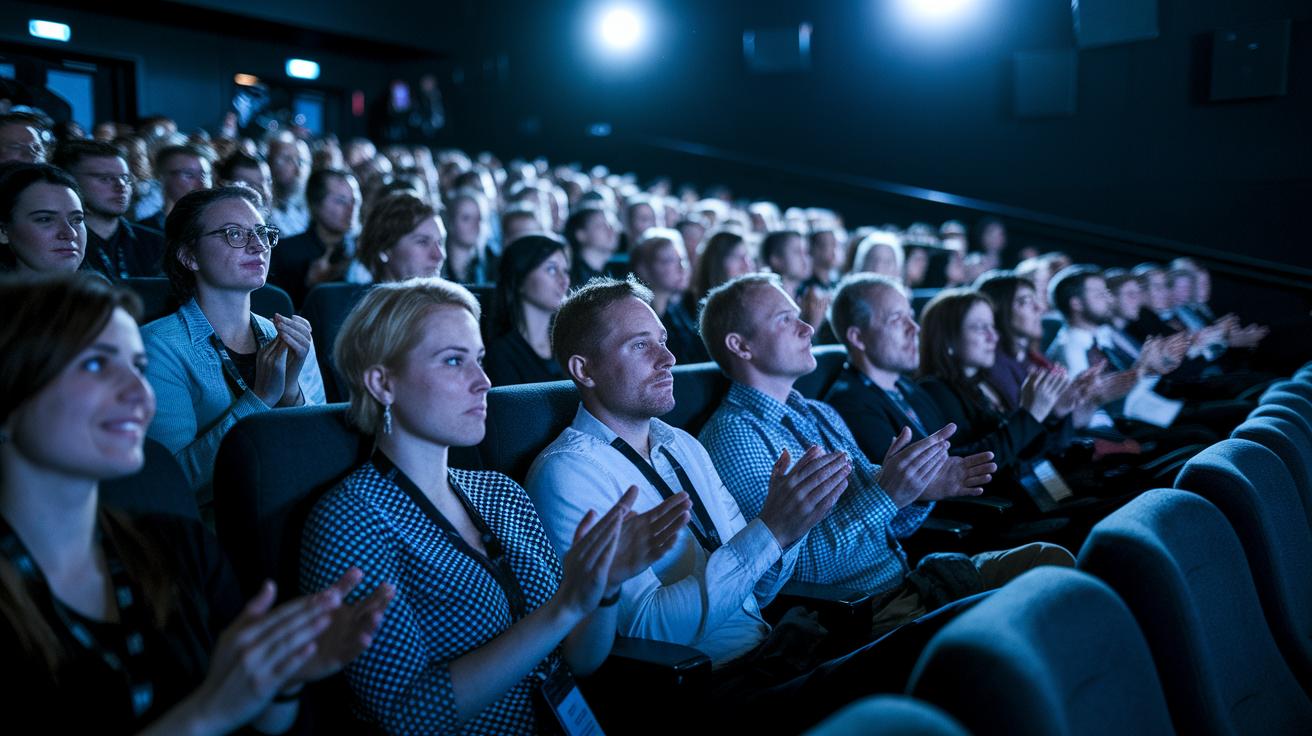
Film festivals aren’t just about big names or fancy reviews anymore. Today, they act as real-life labs where audience feedback shapes the schedule and awards. Organizers now use live crowd reactions and feedback from screenings to decide which films stand out. At events like Vancouver International Film Festival 2025 and Tribeca Festival 2025, digital viewers help spot trends that add to traditional expert opinions. This quick data shows how a film feels in the moment and hints at its wider cultural impact when it reaches a broader audience.
| Festival | Films Reviewed | Notable Reaction Trend |
|---|---|---|
| Vancouver International Film Festival 2025 | 8 films | High social media engagement |
| Fantastic Fest 2025 | 10 films | Varied responses to genre experiments |
| Toronto International Film Festival 2025 | 37 films | Immediate live reaction surges |
| Tribeca Festival 2025 | 7 films | Strong buzz around indie titles |
| Seattle International Film Festival 2025 | 5 films | Growing trust in digital polls |
The numbers show that audience reactions are as varied as the films themselves. Some festivals, like TIFF, see rapid bursts of live interaction, while others such as Seattle get deeper, thoughtful responses. This trend points to a shift where crowd feedback and expert reviews work together to shape a film’s journey from festivals to wider releases.
Highlighting Audience Feedback on Select Films
Festival organizers put together a special lineup on October 05, 2025 to show off a range of fresh storytelling and deep emotions. They selected films that run the gamut from high-tech digital tales like OBEX (2025) and Markiplier’s "Iron Lung" to offbeat stories such as André is an Idiot (2025) and American Theater (2025). They also included movies that push style limits like Man with a Movie Camera (2025) and $POSITIONS (2025). This mix aimed to spark interest with different visuals, unique humor, and challenging social themes.
Audience reactions have been full of feeling and clear insights. Many viewers mentioned OBEX’s blend of digital worlds with personal loss, and its high-tech game sequence quickly became a hot topic online. André is an Idiot was praised for its dark humor in showing life’s closing moments, while American Theater earned applause for its raw yet witty take on classic narratives. The collaborative remake in Man with a Movie Camera drew cheers for reinventing a timeless style, and $POSITIONS struck a chord with its honest look at today’s money troubles. Meanwhile, Markiplier’s "Iron Lung" sparked conversation about emerging creative voices in experimental projects.
These responses reflect a broader trend at festivals. Films that dare to try something different and bold are winning over audiences, proving that breaking expectations can open new ways for viewers to connect with cinema.
Divergence Between Jury Decisions and Audience Feedback
For years, film festival awards were decided by experts. Panels of filmmakers, critics, and industry pros set the standard with years of experience. At festivals like Cannes and Locarno, their choices were seen as the mark of true cinematic art.
Today, digital voting lets everyday viewers share their opinions via online polls and live social media. This new trend shows a clear gap between expert picks and what the public truly enjoys. While juries focus on technical and artistic quality, audiences lean toward films that connect on a personal level.
This shift is changing how festivals work and even affecting box office results. Movies that stir strong viewer interest often perform better commercially. As a result, festivals now try to balance expert critiques with raw, emotional audience feedback, which can play a big role in a film's success.
Forecasting Future Trends in Audience Engagement
New tools like real-time polling (collecting instant reactions) and social media analytics (tracking likes, comments, and shares) are set to change how festivals understand audience feelings. These methods record live responses during screenings, giving organizers quick insight into how viewers react at different moments. Techniques such as screening sentiment evaluation and cinematic mood trajectory mapping show where excitement peaks and dips happen.
Digital platforms are becoming key in how festivals measure audience interest. By using accurate data tools, organizers can now track changing viewer moods in real time. When these insights are mixed with classic expert reviews, festivals can better decide on film lineups, session timings, and even awards to match what the audience truly feels.
Festival teams are already testing ways to blend digital data with traditional review methods. This mix not only captures genuine audience reactions but also helps ensure that film selections and awards stay true to both professional critiques and real crowd enthusiasm.
Final Words
In the action, this post broke down major shifts in how audiences influence film festivals. It covered data-driven trends, the balance between jury decisions and viewer votes, and highlighted key audience feedback.
The piece showed modern digital tools that capture real-time reactions and tracked changes in festival practices. The film festival audience reaction trends review reveals a promising future for film festivals. Future events promise engaging, audience-powered insights that lift our film experience.
FAQ
What is the hardest film festival to get into?
The hardest film festival to get into is often seen as Cannes due to its strict selection process, intense competition, and long-established reputation that challenges even experienced filmmakers.
Who is the target audience for film festivals?
The target audience for film festivals includes cinephiles, industry insiders, and casual viewers looking for unique films, fresh perspectives, and a community experience that celebrates cinematic art.
Who is the most popular movie reviewer?
The most popular movie reviewer varies with opinion, but many consider Roger Ebert a staple of film criticism for his clear, human approach and influential reviews.
How to write a film festival review?
Writing a film festival review means starting with a concise verdict box, providing essential details like runtime and rating, and backing your call-to-action with specific examples and clear data on audience reactions.