
Watch – 8.0/10
Retro films still thrill with real effects that pack a punch.
• Story: Genuine and engaging
• Direction: Clever use of hands-on techniques
• Acting: Bold, unfiltered performances
• Technical Craft: Impressive live stunts and practical tricks
Have you ever wondered why old movies still hit hard? Back when computer effects were rare, filmmakers relied on real stunts, makeup, and on-set tricks to pull you right into the story. These practical methods created a raw, authentic feel that digital methods sometimes miss. From breathtaking live stunts to detailed animatronics (mechanical figures that mimic living creatures), these hands-on effects gave classic films an edge that continues to resonate with audiences today.
How Practical Effects Enhanced Storytelling in Retro Films
Practical effects make movies feel real in a way digital tricks often can’t. Filmmakers used real props, on-set explosions, makeup, and even moving props (animatronics) to create worlds that play with natural light, shadows, and reflections. In older films, these hands-on techniques pulled the audience straight into the action. For example, in The Dark Knight, the full-sized truck flip was done live. It wasn’t a computer trick, it was a real stunt that brought true intensity to the scene.
Classic movies like Alien (1979) broke new ground with their on-set effects. The chestburster scene used detailed animatronics and practical prosthetics to shock viewers, proving that physical setups can create a suspense that digital effects sometimes miss. The tangible look and feel of a crafted costume or a mechanical creature remind us of the raw magic behind the scenes.
Retro films leaned on practical effects to build believable worlds. Carefully planned explosions, real stunts, and hands-on makeup raised the level of storytelling. These physical effects sparked genuine emotions that still stick with us today. Sometimes, movie magic just works best when it’s real.
Historical Evolution of Practical Effects in Classic and Retro Films
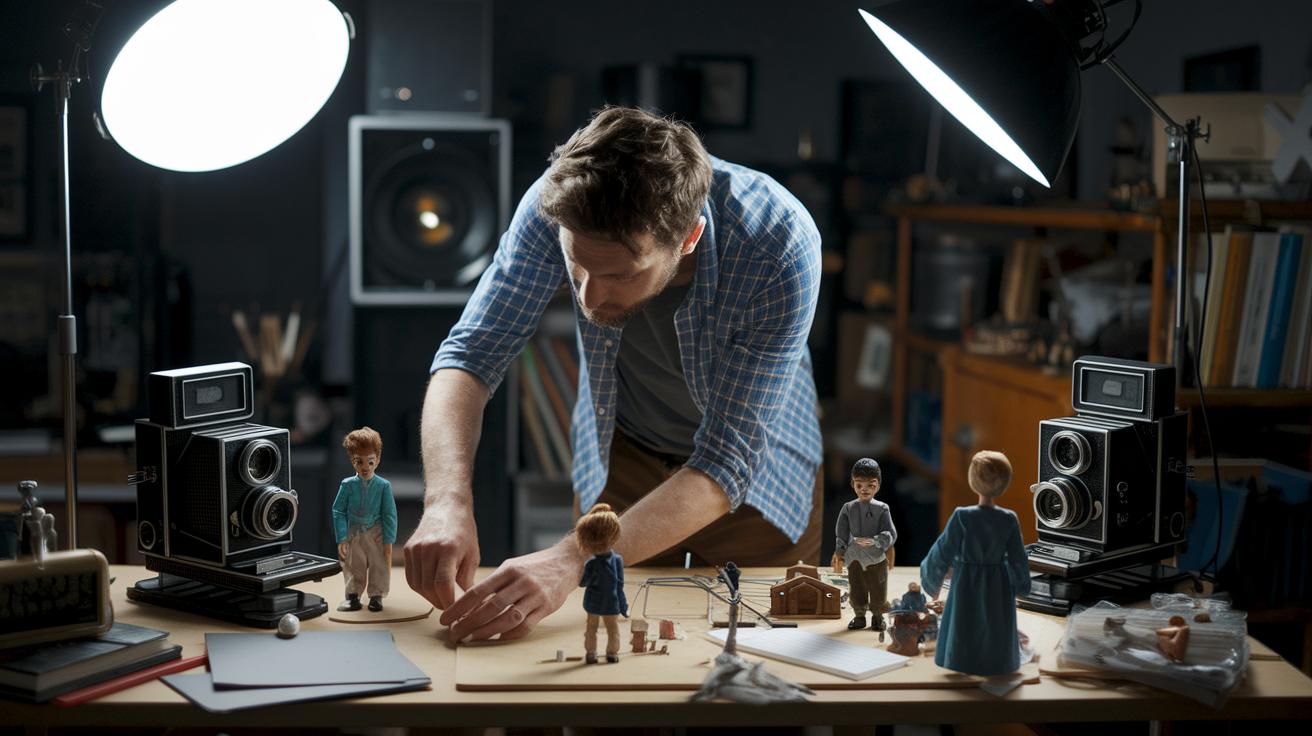
Practical effects got their start in the silent era. Filmmakers used in-camera tricks, optical printing, and handmade elements to create illusions on screen. Early innovators even used stop-motion animation to bring fantasy images to life. For example, movies like Jason and the Argonauts and Clash of the Titans relied on frame-by-frame puppet work, which required a lot of patience and careful control to look real.
Using scale models also pushed the art of storytelling further. In the original Star Wars trilogy, tiny spacecraft like the Millennium Falcon and Star Destroyer were filmed in miniatures to stage space battles that felt exciting and real. This hands-on approach let directors capture genuine lighting and shadows, blending art and engineering seamlessly.
Another smart technique was forced perspective. By carefully choosing camera angles and designing sets, filmmakers made objects and characters look larger or smaller than they are. Classic films such as Back to the Future and The Lord of the Rings used this method to build engaging scenes without relying on digital tricks. These real-world methods set the stage for a lasting tradition of authenticity in cinema that still influences how movies are made today.
Core Techniques of Practical Effects in Retro Filmmaking
Retro films charmed audiences with hands-on effects that showed real skill and a lot of grit. Filmmakers used techniques like animatronics, pyrotechnics, miniatures, and other old-school methods not just for big visuals but to add a genuine, on-set feel. For example, John Carpenter’s The Thing took 57 weeks to nail its monster effects, proving the art behind the craft.
These practical tricks go beyond simple eye candy. They helped shape how we see movie magic today. Detailed stunts and careful designs laid the groundwork for modern films. Live explosions and real stunts still inspire action scenes now.
- Animatronics and puppetry (for example, The Thing’s monster rigs took 57 weeks)
- Real explosions and pyrotechnic effects (like the live truck flip in The Dark Knight)
- Scale models and miniatures (such as Star Wars’ sweeping space battles)
- Prosthetic makeup (seen in Alien’s chestburster and Frankenstein’s lifelike wounds)
- Stop-motion animation (as shown in Jason and the Argonauts’ frame-by-frame work)
- Forced perspective camera techniques (used in Back to the Future to create illusion of scale)
Signature Retro Films Showcasing Practical Effects Mastery
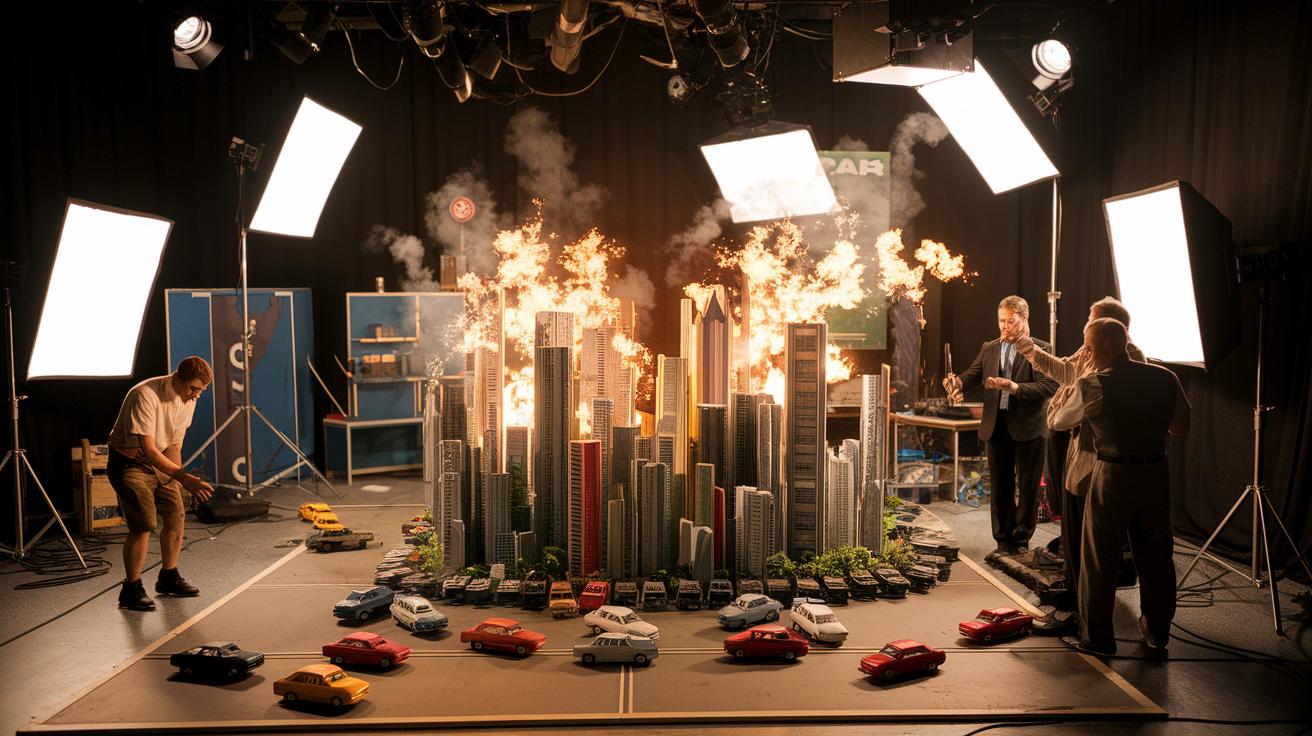
Retro films like Alien (1979), The Dark Knight (2008), and The Thing (1982) paved the way by using hands-on effects built with physical tools. They relied on animatronic creatures, full-size stunts, and elaborate builds done by real people. Nowadays, movies such as Mad Max: Fury Road (2015) and Asteroid City (2023) take these old-school tricks and mix in a modern touch. In Mad Max, for example, real car crashes and timed explosions offer a level of precision that goes beyond the rough stunts of the past.
Asteroid City steps it up even more. It uses carefully made miniatures to create sets that feel both nostalgic and fresh. This shift can be seen clearly when you compare the live stunt of a semi-truck flip in The Dark Knight with the smooth, handcrafted models in Asteroid City, which pay respect to that classic era of practical effects.
Older movies leaned on pure physicality, while newer films combine traditional methods with exact modern techniques. This blend brings more depth to the visuals without over-relying on digital effects.
| Film Title | Year | Practical Effect Technique |
|---|---|---|
| Alien | 1979 | Animatronics and prosthetic creature suits |
| The Dark Knight | 2008 | Live semi-truck flip stunt |
| Mad Max: Fury Road | 2015 | Real vehicle destruction and pyrotechnics |
| The Thing | 1982 | Latex foam creature rigs (57-week build) |
| Asteroid City | 2023 | Handcrafted miniatures for stylized sets |
Production Challenges and Creative Decisions on Retro Film Sets
Retro film sets meant doing things by hand. Teams built props and sets from scratch, which took more time and money. Artisans carefully crafted every detail, ensuring the film looked true to its era.
Safety was a major concern too. Big stunts like real explosions and live truck flips carried real risks. Special effects teams and stunt coordinators planned every move with care. Directors such as Christopher Nolan and George Miller chose real stunts to capture genuine action, even though it made things harder.
Budget and strict schedules often shaped creative choices. Prop making and set building had to follow artistic visions while staying on time. One crew even had to rebuild a set piece on the fly when a prop failed during a shoot. Quick thinking and good teamwork were key to keeping things on track.
Practical Effects vs. CGI: Shaping Retro Film Aesthetics
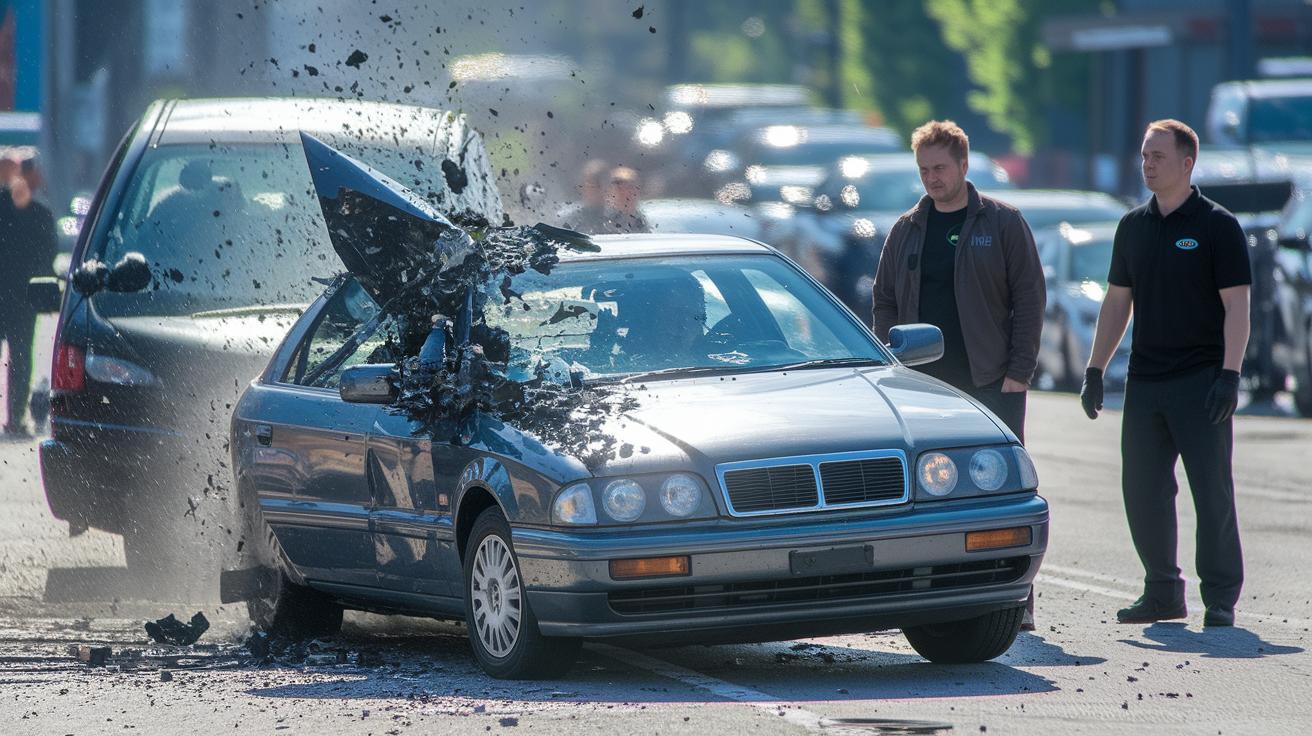
Retro films show us that practical techniques still bring a special kind of magic. Real effects feel authentic, something digital tricks sometimes can't capture. For example, Mad Max: Fury Road mixes real stunts with a few digital tweaks to keep dangerous scenes safe. Did you know they staged an actual car crash on set and then added a hint of digital dust to create a breathtaking moment?
Some modern movies rely mainly on digital methods. In Inception, the Paris café explosion used small-scale practical elements for under $300, then got a digital boost that blends old-school charm with modern ease. Even Tenet filmed its Boeing 747 crash in real time, using only a touch of CGI to power up the scene. This shows that real props and stunts naturally cast proper shadows and reflections that full CGI often misses.
By combining physical effects with digital layering, filmmakers can safely craft jaw-dropping scenes while keeping a realistic feel.
- Real stunts mixed with a little CGI help keep things safe without losing authenticity.
- Actual props provide natural lighting and shadows that digital tools sometimes overlook.
Mixing these old and new techniques gives films a rich, layered look that keeps the magic of practical effects alive even in a tech-heavy world.
Legacy of Practical Effects from Retro Era to Contemporary Cinema
Retro techniques like in-camera tricks, miniatures, and staged stunts have become polished tools for today's filmmakers. Directors mix hands-on methods with digital layering to keep scenes authentic while adding a visual shine. For example, in Mad Max: Fury Road, real car chases and explosions are paired with computer graphics to boost lighting and motion. A handy tip: use physical miniatures for close-up action, then smooth everything over with digital magic.
Digital enhancements bring extra depth and safety but can sometimes wash out the raw feel of on-set work. Filmmakers work hard to keep the tactile nature of props and stunts, using digital tools only to refine the details. This blend creates a cool contrast: the warm, real feel of practical effects meets the crisp precision of digital techniques.
Today’s directors rework vintage methods and explore new examples that combine both worlds, proving that old-school craftsmanship still plays a big role in modern cinematic storytelling.
Final Words
In the action, this article showed how genuine techniques like animatronics, real explosions, and practical stunts brought retro films to life. We explored early cinematic tricks and modern homages that still pack a punch. Each method proved that handcrafted effects create a unique, tangible feel on screen. The role of practical effects in retro films continues to inspire filmmakers and enrich storytelling. Enjoy watching these classics knowing every real stunt contributes to the magic you see.
FAQ
What are practical effects in film?
The practical effects in film refer to using physical props, makeup, animatronics, and miniatures on set to create effects instead of relying on digital tools.
What are the benefits of practical effects?
The benefits of practical effects include authentic, tangible visuals and interactions with real lighting and shadows that boost immersion and help create a more convincing on-screen world.
How did they do special effects in old movies?
Old movies used mechanical tricks, stop-motion animation, scale miniatures, and in-camera techniques to craft special effects without relying on digital methods, giving films a unique visual charm.
How do practical effects compare to CGI in films?
Practical effects offer tangible, real-world visuals that engage the audience with natural lighting and textures, while CGI often adds or enhances stunts digitally for safety and scale.
How were practical effects used in The Thing (1982)?
In The Thing (1982), practical effects were used extensively; detailed latex foam monster rigs and animatronics were built over 57 weeks, creating a remarkably tangible and creepy creature design.
What are some examples of modern movies with practical effects?
Modern movies like The Dark Knight and Mad Max: Fury Road combine real-life stunts, explosions, and practical setups with digital touch-ups to deliver thrilling, believable action scenes.
What are some of the best practical effects horror movies?
Some of the best practical effects horror movies include classics like Alien and The Thing, where animatronics and prosthetic designs produced uncanny, memorable creature effects that still resonate today.
What does a practical effects artist do?
A practical effects artist designs and builds physical props, animatronics, makeup effects, and set pieces to create realistic, on-set visual illusions that enhance the storytelling.
What is a practical effects school?
A practical effects school trains students in crafting mechanical props, animatronics, makeup, and miniature models, focusing on hands-on techniques to produce authentic effects for films.