
Have you ever noticed how some streaming films hit you right in the gut with their music? Music and sound do more than create a mood; they steer your feelings and guide the film's pace like an invisible conductor. They mix real dialogue with carefully crafted effects that draw you into every twist and turn. When the audio is just right, the movie feels bigger and more lifelike. This post explains how a smart blend of music and sound not only builds a scene but also transforms your overall viewing experience.
Music and Sound Design’s Impact on Streaming Hit Films
Audio in films goes beyond just having music in the background. Sounds like dialogue, music, and natural effects make you feel like you are part of the story. The film score sets the mood and takes you through the high and low moments, while realistic sounds fill in the details of every scene.
Some sounds, called diegetic sounds (those characters can hear), mix with other sounds created just for us, the audience. Together, these layers help set the pace of the story and build tension, making each sound a key part of the film's success.
- It builds strong emotions that stick with you.
- It highlights important moments in the story.
- It pulls you into the film’s world.
- It creates a unique audio style that makes the film memorable.
Films with great sound design tend to do better on streaming platforms. Studies show that when the audio matches the story, viewers watch longer and come back for more. Reviews of new streaming hits highlight how a balanced soundscape, with both bold musical peaks and gentle shifts, makes a film stand out. In short, a smart mix of music and sound effects boosts both the feel of the story and the film’s overall appeal.
Evolution of Audio Narrative in On-Demand Features
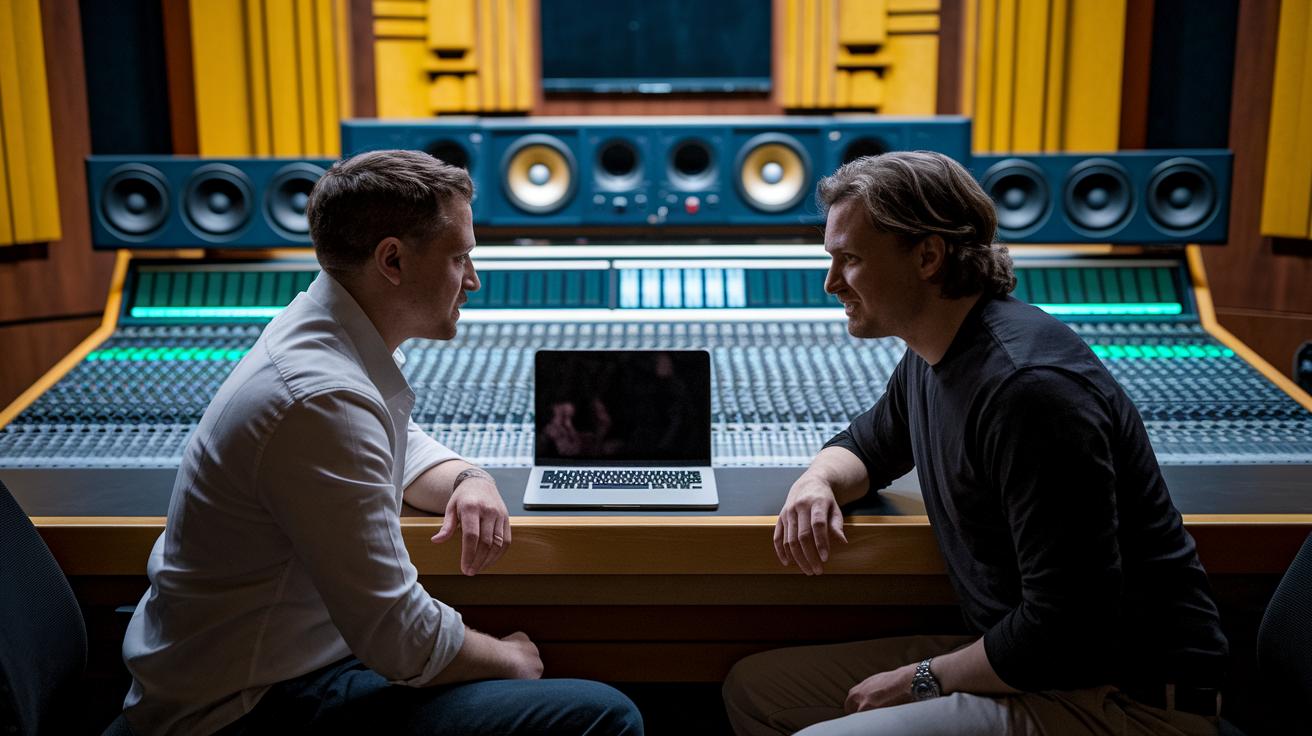
Streaming shows today are changing how music works in storytelling. Music sets the mood and helps carry the story along. Now, composers join the team early in the creative process. They work to design sound that fits right into the visuals, making music a key part of digital storytelling.
Directors and composers are teaming up more than ever. They create scores that grow from quiet hints to bold, full sounds that match the characters' journeys and plot twists. This teamwork brings a rich sound layer to every scene and strengthens the overall story. As more streaming series emerge, this careful attention to audio helps films shift smoothly from one moment to the next, keeping viewers immersed in the world on screen.
Innovative Music Composition Methods in Streaming Cinema
Streaming services are forcing composers to get creative like never before. Filmmakers and composers now look for fresh techniques that adjust on the fly. They blend old-school scores with modern electronic sounds to build a unique, engaging experience.
Adaptive Music Production
Adaptive music production uses quick changes in the score as the story unfolds. When the plot twists, the music shifts, changing speed or intensity, to match the moment. For example, during a chase scene, the music might suddenly build up to boost the excitement. This technique makes the score an active part of the story.
Orchestral Fusion with Digital Beats
This method mixes classic orchestral sounds with modern electronic beats. Traditional instruments meet digital loops to create layers that feel both familiar and cutting-edge. Think of a scene where warm strings pair with lively electronic rhythms, giving a fresh twist to the moment.
Electronic Score Advancements
With advances in electronic scores, composers now use unique synth sounds and computer-driven tools. These allow for breaking away from standard music patterns and crafting themes that change with the viewer’s choices. Imagine a moment in a film where the music reshapes itself based on what happens next. This technology offers a personal and interactive way to experience the film.
| Technique | Application | Benefit |
|---|---|---|
| Adaptive Music Production | Real-time change with the story | Stronger viewer immersion |
| Orchestral Fusion with Digital Beats | Merging acoustic and electronic sounds | Layered, dynamic textures |
| Electronic Score Advancements | Using synths and algorithm tools | Interactive sound experiences |
Sound Design Techniques Enhancing Streaming Narratives

Foley artists record everyday sounds like footsteps, rustling fabric, and objects moving to make movies feel real. This extra sound layer brings small actions to life and helps you notice details you might otherwise miss. ADR (newly added dialogue) fixes or improves on-set recordings so every word is clear no matter how you watch at home.
Background sounds such as soft crowd murmurs or the peaceful noise of nature add more depth to the film. They create a soundscape that pulls you right into the story.
Spatial audio, for example with Dolby Atmos systems, places sounds all around you in 3D space. Sounds might come from the side, back, or even above. This precise placement not only boosts a film’s realism but also ramps up tension in dramatic scenes with low rumbles or unique effects.
Diegetic sounds (what the characters hear) and non-diegetic sounds (added musical scores or sound effects) work together to create a rich audio experience that makes streaming films more engaging.
Case Studies of Audio Mastery in Top Streaming Originals
Productions like Stranger Things, The Queen’s Gambit, The Mandalorian, Roma, and Ozark show off brilliant sound design that shapes their stories. They capture our attention with striking visuals and rich audio that deepens character journeys and boosts key dramatic moments.
| Title | Composer/Sound Designer | Audio Strategy | Impact |
|---|---|---|---|
| Stranger Things | Michael Stein & Kyle Dixon | 80s synth-driven nostalgia | Brings retro vibes and stirs emotional memories |
| The Queen’s Gambit | Carlos Rafael Rivera | Piano themes that boost character tension | Adds depth to psychological drama and suspense |
| The Mandalorian | Ludwig Göransson | Mixes orchestral brass with electronic beats | Creates a full cinematic feel and energizes action |
| Roma | Alfonso Cuarón’s sound team | Real street sounds for authentic atmosphere | Enhances realism and intimate storytelling |
| Ozark | Charlie Clouser | Dark, brooding themes paired with tight score sync | Heightens tension and deepens thematic layers |
These examples teach us that great audio is as important as stunning visuals in a film’s success. The mix of musical themes, background sounds, and precise timing brings each story to life. They prove that a strong sound signature can hook viewers, build a lasting sonic identity, and even win awards. In short, careful sound work turns streaming originals into immersive, standout experiences.
Post-Production Audio Mixing Strategies for Streaming Releases
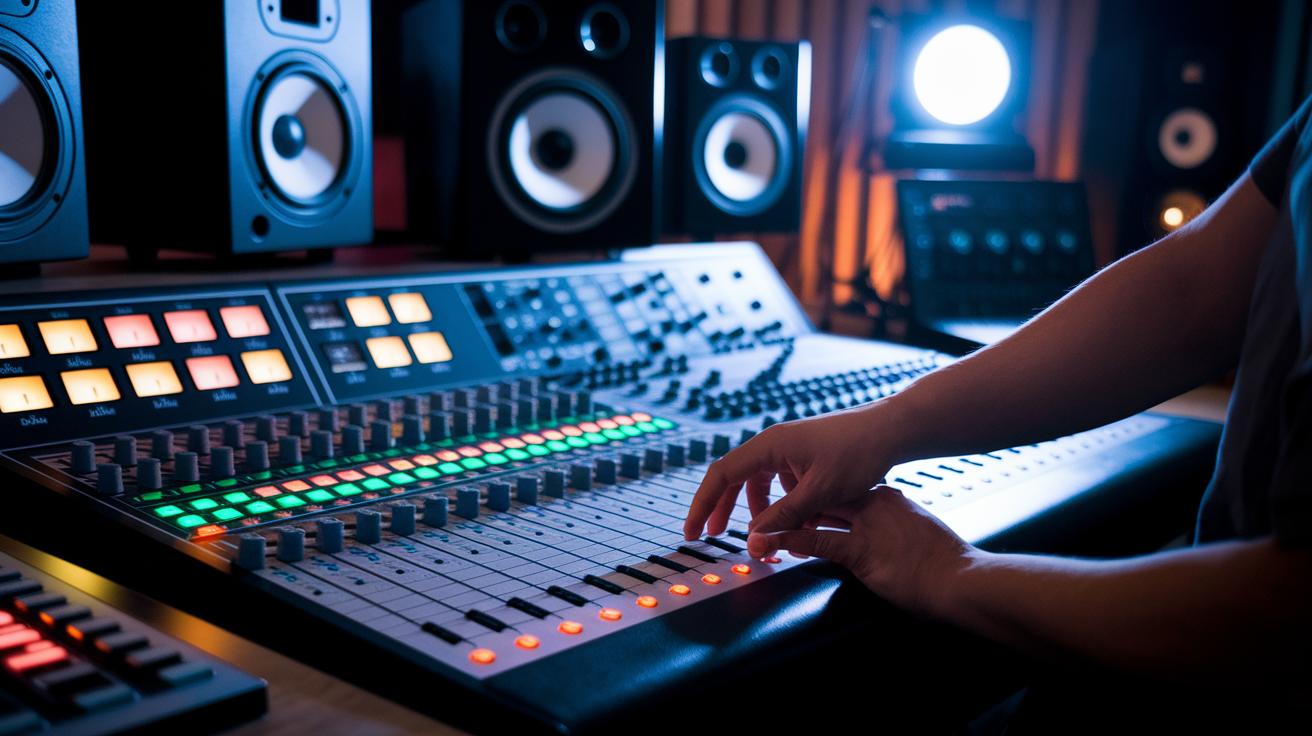
Mixing is all about getting dialogue, music, and sound effects to work together in a crisp, clear way. Pros use digital tools like Pro Tools and Logic Pro to adjust every little detail. One engineer once said, "Every whispered nuance matters," which shows how small touches can make a film feel more real.
Streaming services have strict sound rules. Loudness normalization (LUFS, which means keeping sound levels even) makes sure audio sounds the same on all devices. Stem mastering tailors the mix so it works well on TVs, headphones, and smart speakers. Immersive formats like Atmos (a system that positions sound around you) need a special kind of mixing that places sounds exactly where they belong. In a tense scene, clear dialogue alongside a soft score can feel like tuning each note in a digital symphony.
New mastering tools and cloud-based collaboration let teams get real-time feedback. This speeds up revisions and perfects the mix for digital premieres, allowing engineers to try new sound techniques and adjust mixes for different streaming setups. The result is sound that grabs your attention with its clarity and precision.
Audience Engagement Metrics Driven by Audio Elements
Research shows that music peaks timed with key plot twists help viewers remember scenes up to 35% better. People tend to recall moments where the music hits just right, almost as if the score and the story are working together. Streaming platforms even see a 22% boost in viewership retention when musical themes are carefully woven into episodes. These sound touches truly make a difference in how the story resonates with the audience.
Data from streaming sites also reveal that social media buzz often centers on standout musical moments. For example, catchy themes like the one from Squid Game spark a lot of online chatter. Surveys show that sound quality is one of the top three factors for binge-watching satisfaction. This means viewers are very aware of how music and sound design shape their overall experience.
Producers can use these insights to adjust their audio strategy. Matching music cues with key story moments and maintaining excellent sound quality on all devices can boost audience engagement, keep viewers tuned in longer, and drive the overall success of a series or film.
Future Trends in Cinematic Audio for On-Demand Films

Tech moves are changing how we hear movies. New gadgets and software let us enjoy sound details that were once out of reach. Standards in immersive audio (a way to fill your space with sound) are letting filmmakers add layers of sound that play with the action.
AI now mixes sound in real time so engineers can tweak audio as the scene unfolds. New VR and AR tools bring 360° sound that makes you feel truly surrounded. Future sound systems may even adjust to what you like, changing volume and focus as you watch. Formats that treat each sound as its own element let audio react to what happens on screen. And cloud tools help teams update sound mixes quickly from different places.
These changes will reshape streaming movies, making them feel interactive and deeply immersive.
Final Words
In the action, streaming films build their magic on the role of music and sound design in streaming hit films. We explored how layered audio guides emotions and shapes narrative pacing. Innovative mixing techniques and adaptive cues create an immersive viewing experience and boost audience engagement.
Each section showed that well-crafted sound elevates storytelling and connects with viewers. These insights leave us excited about the creative potential of audio in streaming. Enjoy your next film with fresh ears for these artistic layers.
FAQ
Q: What is the role of music and sound design in streaming hit films?
A: The role of music and sound design in streaming hit films is to drive emotion and pace. They use layered cues and effective soundscapes to keep audiences engaged and support the narrative flow.
Q: What are some examples of sound design in film?
A: The examples of sound design in film include the creative use of ambient layers, synchronized sound effects, and dynamic mixing techniques that enhance storytelling and create immersive viewing experiences.
Q: Why is sound important in film?
A: The importance of sound in film lies in its power to intensify emotions, accentuate dramatic moments, and build a realistic world that strengthens the connection between the visuals and the story.
Q: What does the art of sound design involve?
A: The art of sound design involves blending music, sound effects, and ambient noise into a cohesive auditory experience. This process deepens audience engagement and enhances the overall storytelling.
Q: How do sound effects contribute to film?
A: The contribution of sound effects in film is seen in how they emphasize key moments and create atmosphere. They add texture to scenes, making actions more impactful and the cinematic experience more immersive.