

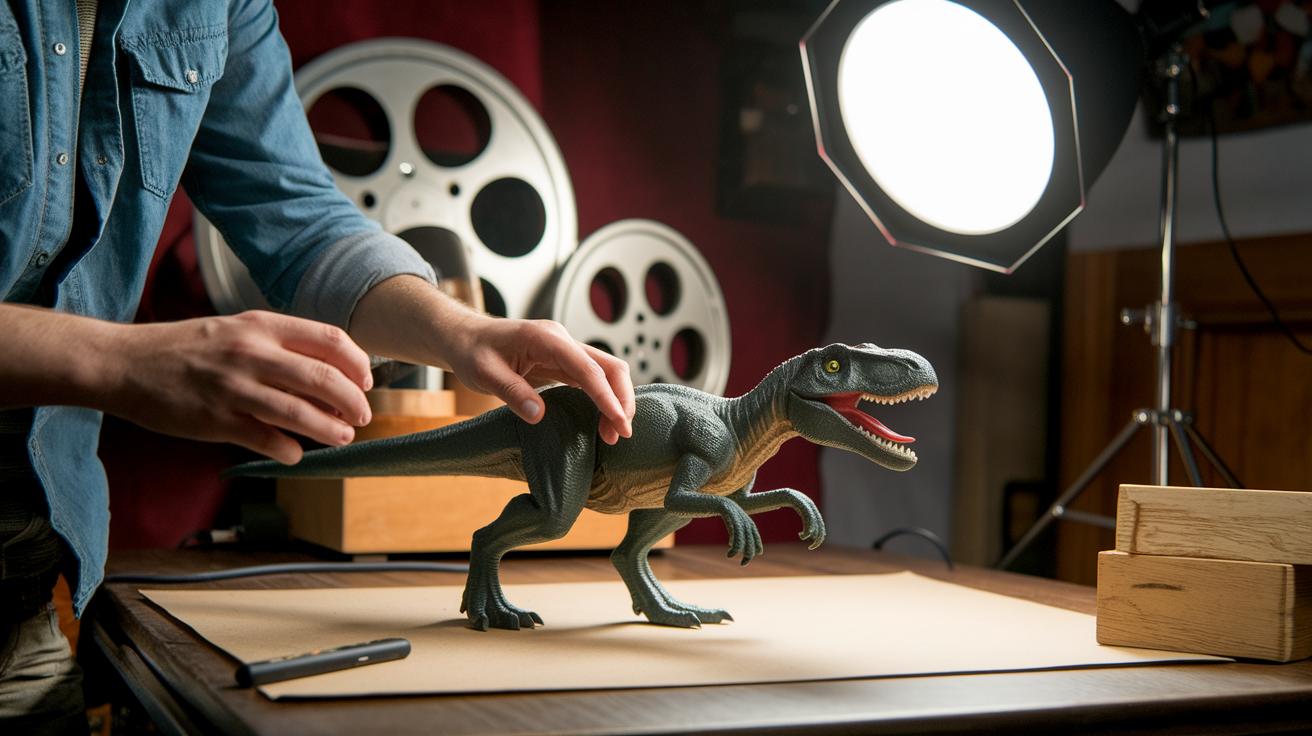
Have you ever wondered if classic film magic still excites us today? Old filmmakers used clever tricks like hand-painted frames, detailed miniatures, and surprising stop-motion (frame-by-frame animation) to bring their stories alive. These practical effects amazed audiences long before digital visuals took over. In this piece, we look at how special effects have changed over the years and show that simple, hands-on methods can still fire up our imagination. We travel from the early experiments of the silent era to the bold innovations that paved the way for modern cinema, proving that the charm of retro techniques remains as captivating as ever.
Retro Filmmaking Special Effects: Key Historical Timeline
For over a hundred years, special effects in old movies changed the way people enjoy films. In the silent era, simple tricks like double exposure and hand-painted frames in A Trip to the Moon (1902) set the stage for what was to come.
When Technicolor hit the scene in the 1930s, it brought new life to visual storytelling. Filmmakers began using miniatures, matte paintings, and rear projection in movies like King Kong (1933) and The Wizard of Oz (1939). This era balanced art and technology in a way that still inspires filmmakers today.
Before digital effects, movies built their worlds with real props, scale models, and animatronics, as seen in Star Wars (1977) and Jurassic Park (1993). Then the digital revolution made computer-generated imagery (CGI) a key part of films like Terminator 2: Judgment Day (1991) and The Matrix (1999).
More recently, films such as Avatar (2009) and Avengers: Endgame (2019) have mixed practical setups with digital artistry. New tools like real-time rendering, virtual production, and AR-driven set previews continue to expand what we see on screen.

| Filmmaker | Contribution | Notable Film |
|---|---|---|
| Georges Méliès | Early narrative tricks and double exposures | A Trip to the Moon (1902) |
| Eiji Tsuburaya | Use of miniatures and suitmation (puppet-like techniques) | Godzilla (1954) |
| Carlo Rambaldi | Creature mechanisms that blend practical tech with creativity | Alien (1979) |
| John Richardson | Pyrotechnics and detailed miniatures | Moonraker (1979) |
| Michael Lantieri | Animatronics for lifelike movement | Jurassic Park (1993) |
| The Corbould Brothers | Large-scale stunts and practical effects that blend with live action | Superman (1978), An American Werewolf in London (1981) |
Each pioneer brought a special mix of creativity and skill, pushing techniques further than ever before. Their hands-on approach transformed basic tricks into believable effects, paving the way for the digital magic we see in films today while keeping a touch of tangible artistry. Their work is a reminder that classic methods helped build the foundation for the stunning visuals of modern cinema.
Retro Practical Methods Versus Modern CGI-Blended Effects
Retro films like Star Wars (1977) used hands-on tools like motion-control rigs, blue screens, and physical models to create real worlds. Every special effect was built with care using objects you could touch and see. With movies like Terminator 2: Judgment Day (1991), filmmakers started adding early computer graphics (CGI) while keeping some of the practical work. This mix challenged them to blend the familiar with the new so that every shot felt weighty and real.
Today, films work hard to balance live effects with digital magic. Jurassic World (2015) combined real animatronics with computer-created creatures, while Inception (2010) mixed large stunts and spinning sets with smart digital backdrops. Mad Max: Fury Road (2015) leaned into real stunts with only a little CGI, keeping a raw and energetic feel. Modern movies celebrate digital techniques without giving up the authentic charm of old-school methods.
Emerging Trends: From Retro Special Effects to Virtual Production

Old special effects set the stage for today's digital magic. Early filmmakers handcrafted physical sets and used practical tools to learn about lighting, scale, and quick fixes. Modern shows like The Mandalorian (2019) now use LED walls to display live backgrounds. This method blends the familiar feel of real props with the flexibility of computer graphics. Real-time rendering lets filmmakers merge characters and scenes on the fly, much like the careful work with miniatures and optical effects of the past. Augmented reality now helps directors set up complex shots, echoing the precision of hands-on set design. Virtual volume stages mean fewer location shoots while still keeping an authentic atmosphere. By mixing digital precision with old-school craft, today’s films honor the past while breaking new creative ground.
Final Words
In the action of film innovation, we followed the timeline of technique evolution from hand-painted frames in the silent era to today’s real-time rendering and AR previews.
We looked at practical effects, optical tricks, and the groundbreaking work of pioneers who set the stage for today’s digital wizardry. The evolution of special effects in retro filmmaking fuels modern magic and inspires creativity.
Stay curious and enjoy the wonder of cinema as each new technique builds on the past with impressive flair.
FAQ
Q: What are the types of special effects used in retro filmmaking?
A: The types of special effects in retro filmmaking include practical methods like miniatures, stop-motion, makeup, and in-camera optical tricks such as double exposure and matte paintings, paving the way for digital effects later.
Q: How has visual effects evolved in cinema from practical effects to CGI?
A: The evolution of visual effects in cinema moves from hand-painted, practical techniques like miniatures and double exposures in early films to the incorporation of CGI that enhances visuals in modern blockbusters.
Q: What are some examples of special effects in films?
A: Examples of special effects in films include stop-motion in King Kong (1933), realistic makeup in classic horror, miniatures in Star Wars (1977), and digital enhancements in films like Terminator 2 that blend retro techniques with new technology.
Q: What is the history behind special effects makeup in retro films?
A: The history behind special effects makeup in retro films features innovations such as Jack Pierce’s prosthetic designs on classic horror characters, which transformed on-screen appearances and set a benchmark for makeup artistry.
Q: How do visual effects in movies differ from practical effects?
A: Visual effects in movies now blend digital techniques with practical methods; retro filmmaking relied solely on physical effects like models, animatronics, and in-camera tricks, while modern films combine both for richer storytelling.
Q: What are some early special effects used in movies?
A: Early special effects in movies include Georges Méliès’s use of double exposure and hand-painted backdrops in A Trip to the Moon (1902), establishing foundational techniques that later led to more complex visual tricks.
Q: What are common abbreviations for special effects in film discussions?
A: Common abbreviations in film discussions are SFX for practical effects and VFX for visual effects, distinguishing between hands-on techniques used on set and digital enhancements added in post-production.
Q: What types of special effects are highlighted in retro special effect timelines?
A: Retro special effect timelines highlight techniques such as stop-motion, miniature modeling, innovative makeup, and optical in-camera methods, all of which laid the groundwork for today’s blended practical and digital visual effects.
More like this
Classic Movie Series Celebrate Vintage Magic
Classic Movie Scenes (most Influential Scenes In Film History)
