
Is the traditional cinema experience in its final act? Streaming has changed the game by bringing movies straight into your living room. You can hit play whenever you want without waiting for a showtime. More households are watching online, which is shifting the way we enjoy films. Today, streaming isn’t just an alternative; it has remade movie culture so that a trip to the theater feels like a special treat.
Streaming Revolution and Cinema Culture Redefined
Streaming services have changed the way we watch movies by getting rid of fixed showtimes. These days, you can press play and enjoy a film at home without the hassle of waiting in line. Movie lovers now have the freedom to explore different genres on any device with just a few taps. This shift shows how streaming films are shaking up the movie world.
Back in 2015, only about 20% of U.S. adults used a streaming service. Today, most households have one, proving that people now prefer watching films online.
Film professor David Sterritt believes that going to the theater will soon be a special event, much like a night at the opera. He says that cinemas may become rare, reserved for films that truly benefit from a big screen and superior sound. His idea highlights how technology and changing tastes are reshaping our movie experiences, and it reminds us that traditional theaters must adapt to stay relevant.
Streaming’s Impact on Viewer Preferences and Cinema Attendance
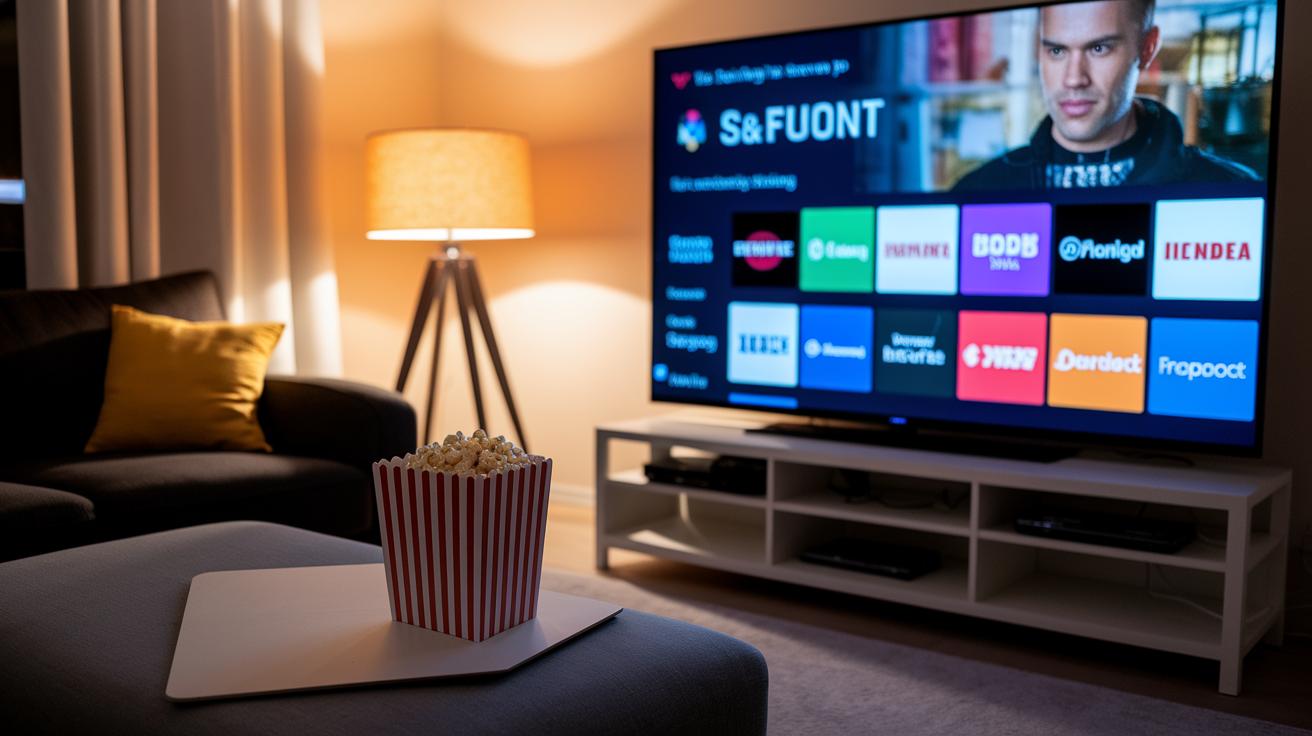
Streaming services are now a favorite for movie fans because they cut costs and let you watch films whenever you want. A monthly fee usually costs less than a single movie ticket, giving viewers the freedom to choose what to see without being tied to showtimes. This shift from classic theaters to home screenings fits our fast-paced lives and grew even stronger during the pandemic.
This change has clearly hit cinema revenue since over 60% of U.S. film earnings come from ticket sales. When more people opt for online viewing, fewer show up at theaters, which directly lowers their income.
- Convenience
- Affordability
- Wide selection
- Instant access
The move to streaming has led to a steady drop in theater visits. With lower costs and easier access topping the list of reasons, viewers are increasingly favoring home viewing over the traditional cinema experience. This trend is reshaping movie-going habits and pushing theaters to rethink their approach in today’s evolving entertainment world.
Traditional Screening Adaptations in Response to Streaming
Streaming services have pushed cinemas to change their approach. With more people enjoying movies at home, theaters now have to offer something different that streaming can’t match.
| Adaptation | Description | Example |
|---|---|---|
| Flexible Windows | Shorter showtimes that fit the fast pace of digital releases | Movies playing briefly in theaters before becoming available online |
| Premium Formats | Enhanced viewing with top-notch sound and visuals | Screenings featuring IMAX or 4DX experiences |
| Event Cinema | Unique, themed events that create a shared, live vibe | Drive-in shows, virtual cinema events, and private rentals |
These changes give moviegoers a reason to choose the theater. Flexible windows maintain a competitive edge with quick release cycles. Premium formats offer a level of quality that streaming services struggle to copy. And event cinema turns movie watching into a fun, communal outing that feels like a live performance.
Visual Narrative Innovations and New Distribution Strategies
Streaming services push filmmakers to try new ways of telling stories and using visuals. They offer a global platform that goes beyond traditional movie theaters. In this new world, directors mix unusual storytelling techniques, bold visuals, and even interactive elements to catch the eye of online audiences. For example, many creators design scenes specifically for social media, knowing that a memorable visual moment can spark lively discussion online.
Binge-watching has changed how stories are told. Viewers now expect longer, connected episodes that slowly reveal characters and plots. This trend means writers include extra layers in their scripts with cliffhangers that make you eager to hit play on the next episode. Think of a narrator suggesting a hidden secret in the main character’s past that keeps you hooked for more.
New film release tactics are changing the game too. Many films now skip the traditional theater route in favor of direct-to-stream premieres and interactive releases. This fresh approach breaks old rules and gives a chance to diverse voices and experimental styles. Directors are launching projects made for on-demand watching, pushing us to rethink how and where we enjoy stories in the fast-changing media world.
Subscription Growth Models and the Future of Cinema Culture
Streaming subscriptions are booming. Platforms now invest billions in new films and series, fueling projects that old funding methods once kept out of reach. With monthly fees lower than a few movie tickets, viewers get a budget-friendly pass to a huge range of content.
Studios are trying fresh release patterns. Some films have short runs in theaters before coming to streaming. This gives fans fast access while still offering a taste of the movie theater experience. The traditional long, exclusive theater window is shrinking, so both filmmakers and theater owners are rethinking how they schedule releases.
Looking ahead, these changes could reshape cinema culture. Shorter release cycles and mixed launch strategies might merge the excitement of a cinema event with the ease of on-demand watching. Cinemas may lean into experiences you can’t stream, while digital platforms fine-tune their release plans. In this way, the film industry becomes more flexible, serving today’s digital audience in new and creative ways.
Home Theater Alternatives and Immersive Consumer Experiences
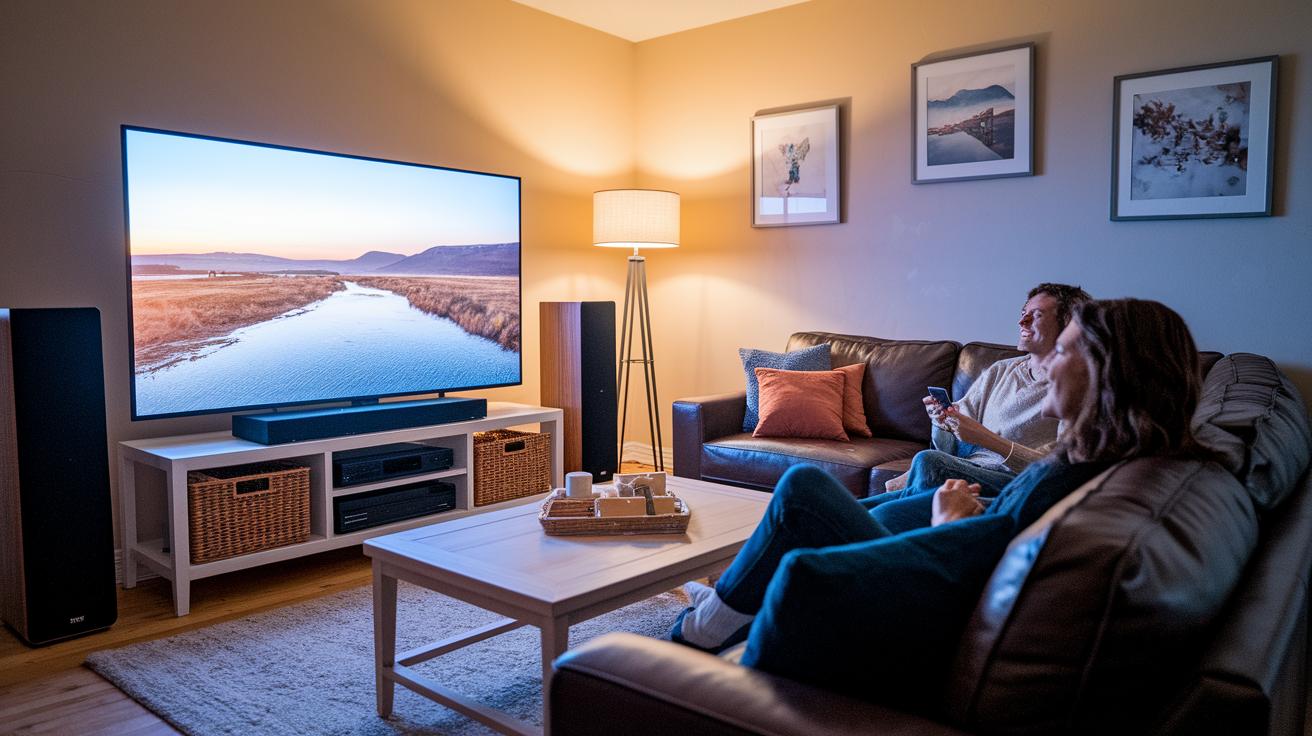
Breakthroughs in home entertainment, like 4K screens and Dolby Atmos sound, have made living room movie nights feel much closer to real theater outings. You get sharp visuals and rich audio that bring films to life at home.
Social streaming is also stepping up. New features let you host virtual watch parties where family and friends stream together, chat in real time, and react to the movie. This helps bring back the community vibe once found only in theaters.
At the same time, these home setups are pushing cinemas to innovate. With top-quality AV at home and fast streaming, theaters now try out special events and premium experiences that you simply cannot copy at home.
Final Words
In the action, the post broke down how streaming platforms changed film-watching, shifting the power from theaters to viewers at home. It showed that convenience, affordability, and variety drive this new model while traditional cinemas try creative tactics to keep pace.
Key stats and expert opinions backed up these trends, highlighting a clear shift in viewer habits. The article leaves us optimistic about the future and proves how streaming is reshaping traditional cinema culture.
FAQ
How is streaming reshaping traditional cinema culture in 2021?
The question means that streaming has made films available on-demand, reducing regular theater visits and changing audience expectations through immediate and flexible viewing options that sidestep traditional cinematic experiences.
What are the negative impacts of streaming services on the film industry?
The question explains that streaming can lower box-office sales and theater attendance while pressuring studios to adjust release strategies, which may weaken traditional cinematic revenue and change how films are presented.
What do streaming vs cinema statistics reveal about audience behavior and revenue shifts?
The question highlights that statistics show a move toward streaming due to lower costs and convenience, causing a decline in ticket sales and forcing a shift in revenue from traditional theaters to online platforms.
What does a Netflix case study show about streaming’s impact on the entertainment industry?
The question indicates that Netflix illustrates how streaming transforms content financing and distribution, driving innovation in release models and challenging the conventional structure of film and television industries.
How do streaming subscription and revenue models alter film distribution strategies?
The question suggests that new subscription models prompt studios to adopt shorter theatrical windows and hybrid release strategies, reshaping film distribution to favor immediate, direct-to-stream solutions over classic cinema releases.