
Do you ever wonder if digital shots can hold a candle to the timeless look of 35mm film? Digital cameras let you snap pictures quickly and see results right away, while 35mm makes you slow down, turning each shot into a handcrafted work of art. This guide explains how both formats work, from fast digital sensors to the careful chemical magic of film, and highlights each method’s perks so you can pick the one that best suits your creative style.
Comparative Overview of Digital vs 35mm Film Formats
Digital photography uses sensors like CMOS or CCD to capture images fast and in high detail. You can see your shot immediately, check the exposure, and adjust settings while you shoot. For example, in a busy urban scene, the digital viewfinder lets you freeze each passing moment. The quick workflow means you can take countless photos and move files directly to your computer for a speedy edit.
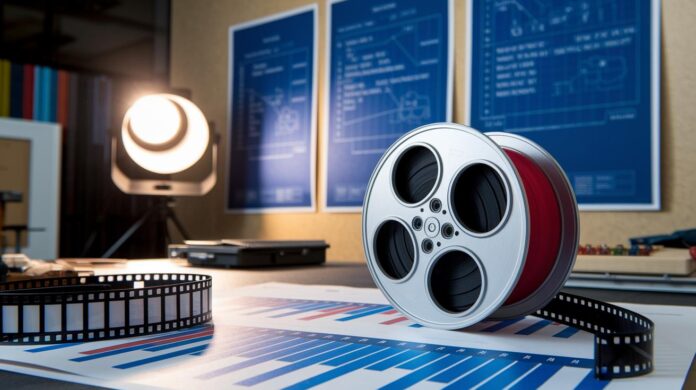
In contrast, 35mm film relies on a chemical process to produce negatives and limits you to 24 or 36 shots per roll. This limitation makes you think carefully about each picture you take. Film creates unique grain and natural color shifts, giving each image a special, handmade feel that digital photos lack. The slower pace of film encourages more thoughtful shooting and sparks creative decision-making, making it ideal for projects that benefit from a timeless, artistic touch.
Key differences include how images are captured, the speed of the process, the consistency of resolution, and the creative feel. Digital is perfect for fast-paced subjects, while 35mm film delivers an artisanal look for projects that call for its distinctive style.
Historical Evolution of 35mm Film Format

In the late 1800s, 35mm film was born and quickly became a favorite way to capture life's moments. As time went on, different film stocks with various ISO speeds (a measure of sensitivity) emerged, giving photographers more choices for different lighting. Developing film is a careful process, and many remember the excitement of waiting for their lab scans. When those scans appear, unexpected color shifts, grain, and light variations can feel like a delightful surprise.
Even today, movie theaters still project films from 35mm reels. These physical prints are stored in heavy crates under strict temperature and humidity controls. This classic format carries a warm nostalgia that still inspires modern storytelling. With only 24 or 36 exposures per roll, filmmakers and photographers work carefully and intentionally. The timeless look and trusted feel of film continue to enrich creative projects, reminding us that history plays a big role in today's art.
Electronic Imaging: Foundations of Digital Photography
Digital cameras now feature smarter mirror systems that do more than just bounce light around. In many DSLRs, these clever mirror setups not only guide light onto the sensors but also team up with dual-pixel autofocus. For example, one design splits light at every pixel to check focus quickly, which leads to sharper photos even in dim light.
Sensor technology has come a long way too. Today's sensors manage noise better and handle a wide range of light, capturing subtle details in both dark areas and bright spots.
Resolution Disparities: Sensor Pixels vs Film Grain
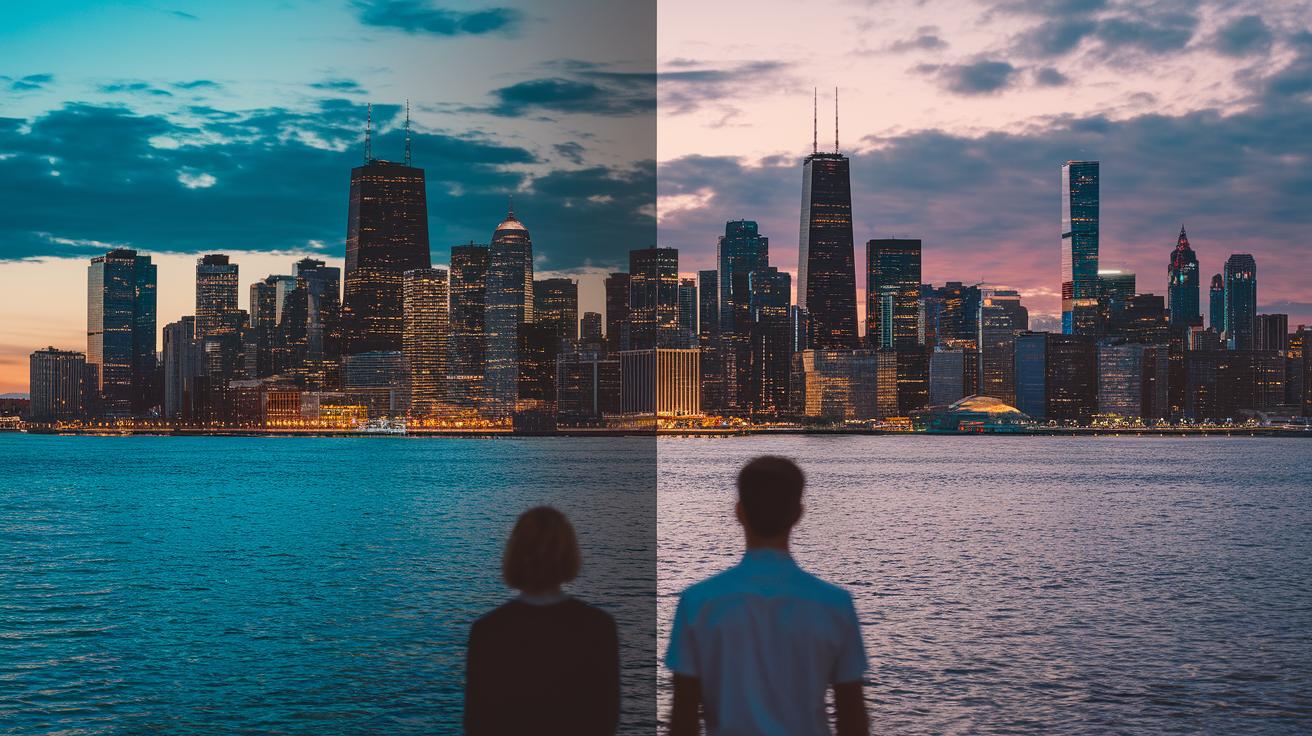
Digital sensors capture images with a set number of megapixels, which means every detail is sharp from edge to edge. Photographers count on this steady quality when they need clear, detailed shots, like when snapping a nighttime cityscape where every light and shadow shows up crisp and ready for tweaks later.
Film, however, brings a bit of a surprise. Its look changes depending on the film stock, lens, and natural grain. This randomness can add unique textures that some photographers really love. It’s like unwrapping a gift every time, each roll of film gives you slight differences in color and grain.
When it comes to editing, digital files let you systematically adjust details with sharpening tools. Film scans, on the other hand, often need more creative care to bring out that natural, organic texture.
- Digital: Uniform detail, consistent exposure, predictable clarity.
- Film: Varying grain, natural tonal shifts, and inherent nuances that challenge and inspire post-production work.
Photographers usually adapt their editing process to match the special way each medium captures fine detail.
Color Science: Digital Profiles vs Film’s Chromatic Range
Digital cameras use standard color spaces like sRGB and Adobe RGB, along with fine-tuned white balance settings, to keep colors consistent. This means you can count on seeing a sunset just as it appears in your viewfinder. For example, a digital preset might offer a crisp, even tone that works great for urban night scenes.
Film, on the other hand, plays by its own rules. When film is developed, the process can create natural shifts in color and tone. Opening a lab scan can feel like unwrapping a gift, each frame shows a surprise twist that brings a scene to life. These natural differences let photographers enjoy creative contrasts and unique color moods that digital methods simply can’t match.
Photographers often try to mimic film’s look by using digital presets. While digital is reliable, film adds a textured, artistic feel that sparks creative exploration.
Grain & Noise Characteristics: Film Texture vs Electronic Noise

We removed this part to avoid repeating information. For details on film grain, sensor noise, how noise reduction works, and ISO effects, please see the sections on Resolution Disparities: Sensor Pixels vs Film Grain and Electronic Imaging.
Shooting Workflow: Exposure Strategies for Digital and 35mm
Digital cameras let you take countless photos without worry. You can see a live histogram on the LCD screen to check your exposure. One photographer said, "Before shooting, I always glance at the histogram to ensure perfect exposure on busy streets."
Film demands more care. With just 24 or 36 frames per roll, you must plan every shot. This limit makes you think about your light and composition beforehand. Many photographers even call film a rare gem.
Some pros mix both formats. They use film when they want its natural colors and grain, and digital for fast, immediate results.
| Digital Benefits | Film Benefits |
|---|---|
| Unlimited shots | Thoughtful shooting |
| Instant review | Unique, organic look |
| Easy adjustments | Timeless aesthetic |
Blending both methods helps you work faster while keeping that special film charm when you need it.
Post-Production: Scanning 35mm vs Native Digital Editing

When film is developed through chemical processes, it is later scanned at high resolution. The scan settings control how the film's light range and grain appear in the digital copy. A smart tweak can capture the film's natural grain and subtle light changes, keeping that old-school texture alive.
Digital images skip the chemical stage and go straight into editing software. This lets photographers jump right into color grading, fixing exposure, and retouching. You can adjust contrast and brightness on the fly and try different tweaks until the look feels just right.
Scanning film gives pros that classic analog feel while still enjoying digital flexibility. In contrast, native digital editing cuts out the chemical step to speed up the workflow. Some even use a mix of both, scanning select film rolls and blending them with digital shots for quick results. Each method shines in its own way: scanning preserves organic details, and digital editing brings precision to your creative vision.
Cost, Portability & Practical Factors of Digital vs 35mm
Film photography comes with recurring expenses that build up over time. You have to buy film rolls, pay for processing chemicals, and then scan your negatives to turn them into digital files. Plus, the gear is bulky and needs careful storage in the right conditions. All this not only makes the whole process cost more but also makes traveling with film a real hassle.
Digital photography, on the other hand, means a higher upfront price for your camera and lenses, but each shot you take is almost free. Digital cameras are smaller, and memory cards are light enough to fit in a tiny bag. For instance, many photographers say that when they go outdoors, they pack only their digital kit because it is so easy to move around.
Film’s extra costs can stretch a tight budget, while digital saves money over time. Film also tends to require extra handling, which can slow down your shooting pace.
| Aspect | Film | Digital |
|---|---|---|
| Cost per shot | High | Low |
| Portability | Bulky | Compact |
In the end, the choice between film and digital comes down to your project needs and your budget.
Expert Insights: When Professionals Choose Digital or 35mm
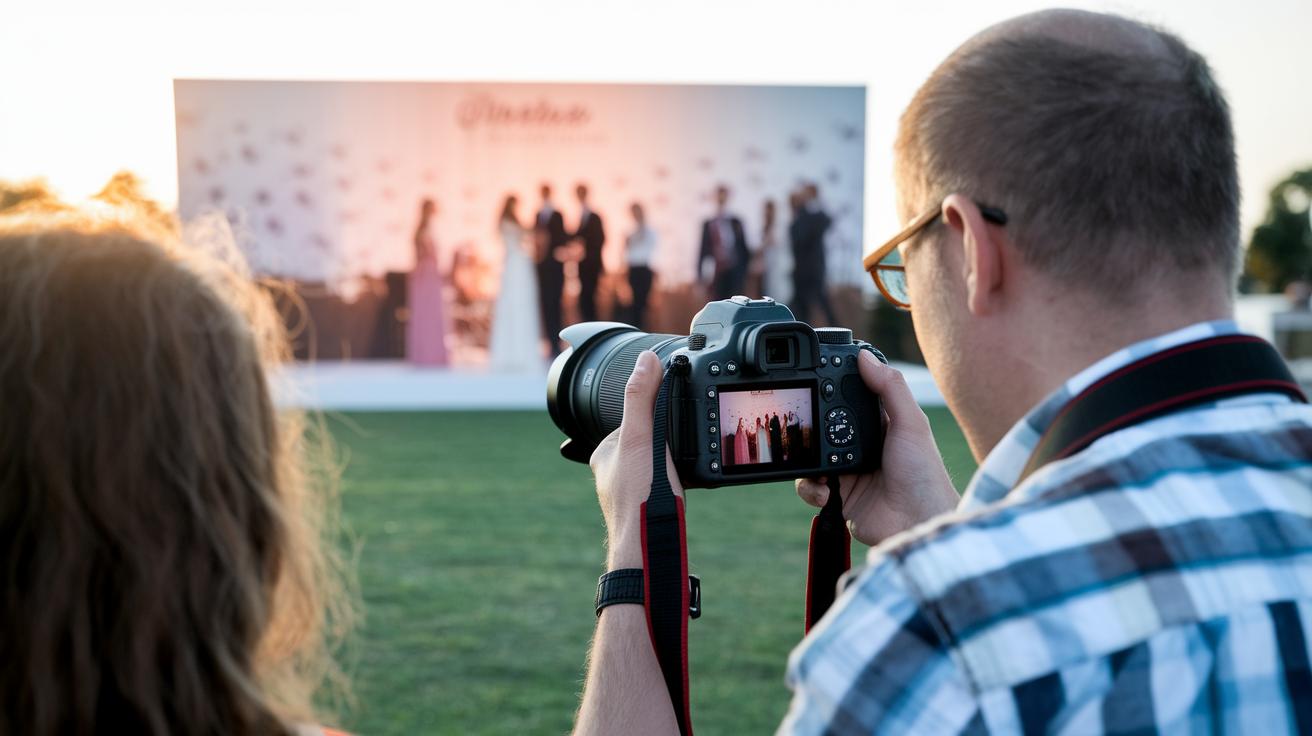
Experts say digital is key when every moment matters. One photographer mentioned, "Before a live event, I check my digital shots right away so I don’t miss a fleeting moment." This quick review helps them adjust their work on the spot.
On the other hand, when a project needs more character and depth, film is the go-to. A seasoned photographer shared that while digital helps for fast previews, film is chosen when every shot must carry more emotional weight. This mix captures quick energy digitally and then adds authenticity with film.
Final Words
In the action, we compared digital and 35mm in shooting, workflow, and post-processing.
The article walked us through the history, technical differences, and creative choices of each format.
We saw how digital provides speed and precision, while 35mm offers unique, tactile charm.
This film format guide: digital vs 35mm explained highlights both the practical and aesthetic trade-offs.
The take-home message is clear, a blend of both can boost your creative edge. Enjoy your next filming adventure with a fresh perspective!
FAQ
Q: What is the comparison between film vs digital side by side?
A: The comparison highlights that digital offers quick image review and consistent exposure, while film provides an organic feel with unique grain and color shifts found only in analog captures.
Q: What does film vs digital quality mean?
A: The quality comparison shows that digital images provide uniform sharpness with measurable resolution, while film delivers a distinctive texture and tonal nuance that digital often replicates with presets.
Q: What are some examples of film vs digital work?
A: The examples include digital photography’s crisp, immediate results versus film’s vintage character marked by unpredictable grain and careful composition, illustrating the strengths of each medium.
Q: How does digital vs film photography differ?
A: Digital photography uses sensors to capture light instantly and adjust settings on the spot, whereas film relies on chemical processing and offers a tactile, one-of-a-kind aesthetic.
Q: What defines a film camera?
A: A film camera uses chemical processes to expose negatives that create images with natural grain and spontaneous color shifts, contrasting with the electronic focus and consistency of digital cameras.
Q: How does film vs digital wedding photography compare?
A: Wedding photography with film brings an timeless, vintage look rich in texture, while digital provides consistent quality, fast turnaround, and real-time adjustments suited to busy events.
Q: Which is better, film or digital camera for beginners?
A: For beginners, digital cameras offer instant feedback and simple adjustments that build confidence, while film cameras present a creative challenge and a distinctive, nostalgic look.
Q: What differences exist between 35mm film vs digital movies?
A: The debate shows that 35mm film gives movies a rich, tactile quality with noticeable grain, whereas digital movies provide clarity, controlled image quality, and easier editing in post-production.