
Watch , 8/10
Mulholland Drive (2001) is a surreal mystery that blends dreamlike images with subtle clues, inviting curious viewers to explore hidden layers of truth and emotion.
• Story: Puzzling yet entrancing
• Direction: Classic Lynch style
• Acting: Quiet, nuanced performances
• Technical Craft: Striking visuals and gentle dialogue
Ever felt lost in a dream where every scene poses more questions than answers? David Lynch creates a world where the line between reality and fantasy blurs with mysterious imagery and thoughtful pauses. The film gently pulls you into a realm that challenges what you know about truth and feeling, leaving you with endless puzzles to unravel. Even after all these years, its strange allure keeps audiences coming back for another look.
Core Assessment: Mulholland Drive Movie Review
Mulholland Drive is a standout thriller from 2001 that mixes dreamlike fantasy with a sense of deep unease. This film grabs you with its rich mood and powerful symbols, using striking images instead of a straight plot. Think of it as stepping into a dream where every dark corner hints at secrets, that’s Lynch's unique touch, inviting you to find your own meaning.
Directed by David Lynch, the film uses bold visuals and sparse dialogue to pull you into its mysterious world. Lynch’s style, full of sudden tone changes and a slow, reflective pace, turns this mystery thriller into an inner journey that makes you feel every emotion. Critics praise how this approach transforms the film into a fascinating study of what makes a movie truly engaging.
Overall, this review looks at both the storytelling and the deeper cultural impact of Mulholland Drive. Its blend of mood, symbolism, and visionary direction still speaks to modern viewers, making it a film worth exploring if you enjoy stories that go beyond the usual thriller.
Narrative Breakdown of Mulholland Drive Movie Review
Act I: Dreamlike Encounter and Mystery
Betty arrives in Los Angeles, and soon we meet Rita, who can’t remember her past. Hints like quiet whispers, strange shadows, and eerie spots set a dreamy vibe. The film relies on feelings and symbols instead of a clear, step-by-step story. It drops little clues and surreal details that spark questions about who we really are without giving away too much.
Act II: Reality’s Dark Turn
In this part, things start to fall apart. Characters lose clear identities, and familiar faces mix up in surprising ways. The sequence of events loops and blends dreams with hard truths. As the line between fantasy and reality fades, viewers must piece together the story themselves. This section deepens the puzzle, inviting everyone to find their own meaning in the mix of emotions and images.
Cinematic Analysis: Lynchian Style and Techniques in Mulholland Drive
David Lynch's film Mulholland Drive uses dream-like logic to build each scene like a puzzle piece. His style mixes long, lingering shots with sudden shifts in tone and sound. In one memorable moment, the camera stays on a rain-soaked street until unexpected clatters break the silence, almost like a heart skipping a beat.
The movie has very little dialogue, so it relies on sounds and visuals to tell its story. The long takes let every quiet moment build tension. Lynch plans every shot carefully, blending shadows and light to add emotional depth. Think of a scene where the camera slowly moves over a dark hallway; the soft silence and faint background sounds pull you into the mystery.
Lynch’s approach in Mulholland Drive has set the tone for many art-house and cult films since. His careful techniques make the film feel both intimate and hard to define. Key elements are:
- Dreamlike images that let you draw your own meaning
- Sudden tone changes that catch you off guard
- A soundscape that tells its own story
- Long shots that build suspense over time
| Technique | Description |
|---|---|
| Extended Takes | Uses long shots to build tension and draw you into the scene. |
| Minimal Dialogue | Relies on visual cues and sound to tell the story. |
| Abrupt Tonal Shifts | Uses sudden changes in tone to surprise and unsettle the viewer. |
For more insights, check out our deep dive into narrative and technical craft.
Symbolic Imagery and Surreal Storyline Exploration in Mulholland Drive
Mulholland Drive plays with your eyes and feelings by mixing reality with a dreamlike world. Lynch builds a puzzle of striking images that leave you wondering what is real and what is not. Every scene hides a secret meaning, and even a simple object on screen might bring back a flash of a lost dream. This mix of playful and deep visuals pulls you into a strange world where the story isn’t clear-cut.
Key symbols set the tone in the film:
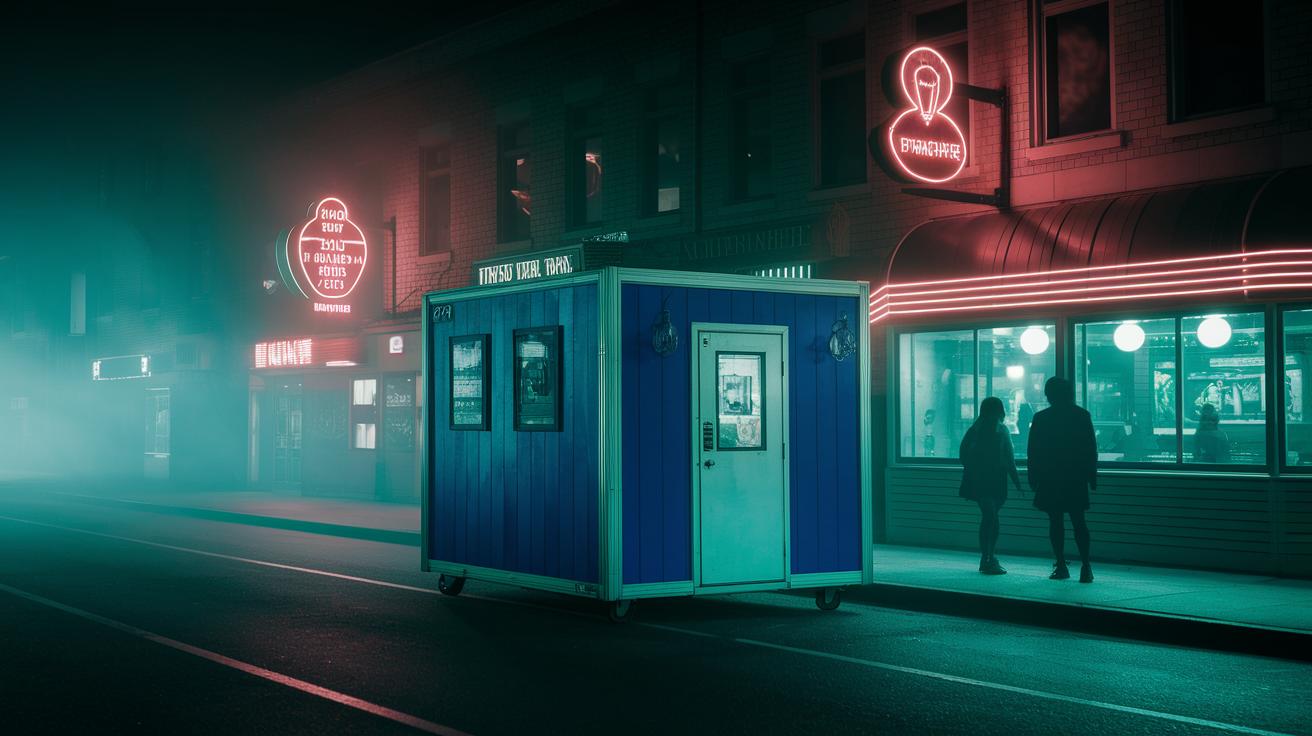
- The blue box
- Winkie’s Diner
- The cowboy figure
- Club Silencio
- Rita’s changing look
Each of these clues adds a layer of mystery. They hint at inner struggles, shifting identities, and the mix between dreams and wakefulness. Lynch lets you decide what these signs mean, making each watch a personal search for hidden feelings and truths.
Character Development and Acting Performance Review in Mulholland Drive
Naomi Watts delivers an impressive performance as she plays both Betty and Diane with a quiet, powerful presence. In one scene, her hopeful look softens into a deep, tormented vulnerability in just a single glance. One moment even shows her moving from pure innocence to raw despair, much like watching a secret script unfold. You can learn more about this method in our guide to analyzing character development in cinema: https://reviewstrends.com?p=1163.
Laura Harring shines as Rita, adding mystery with a layered performance. Her subtle expressions and well-timed silences create a strong balance to Watts' dynamic shifts. Their on-screen interaction builds the film's tense atmosphere and makes you think about what identity and memory truly mean.
Together, the performances create a sense of uncertainty and reflection. They weave hidden emotions and personal conflicts into the heart of the film, inviting viewers to explore the deeper layers of identity.
Ambiguous Ending Discussion and Cult Film Analysis in Mulholland Drive Movie Review
Mulholland Drive ends with more questions than answers. The last moments invite viewers to piece together a puzzle that never fully fits, leaving room for endless ideas. Instead of wrapping everything up neatly, the film leaves its door wide open, which has sparked many interesting fan theories over the years.
Some folks see the final scenes as a look into a broken or hidden identity, while others think the film blurs the line between dreams and reality. This open finish pushes us to think about memory and who we really are. It’s one of the reasons Mulholland Drive has become a cult favorite, with fans returning again and again to explore its details.
Key ideas include:
- Unclear identities that make us wonder about hidden truths.
- A closing sequence that shifts between what is real and what is imagined.
- A looping narrative that encourages multiple viewings and fresh interpretations.
In the end, the film isn’t about giving clear answers. Instead, it celebrates the freedom to interpret and keeps the conversation alive among its passionate audience.
Legacy and Influence: Mulholland Drive Movie Review Impact
Mulholland Drive changed Lynch's career and left a big mark on cinema. The film uses dreamy images and breaks up its story into pieces, inviting filmmakers to keep things fresh with neo-noir art-house style.
Today, many movies copy its mix of puzzles and mood. Directors now love to experiment with storytelling methods that feel both mysterious and artistic. Critics praise its open style and call it a high point in creative risk-taking.
Film fans and experts enjoy how the movie blends surreal symbols with small hints that make you question what is real. This playful mix turns the film into a cult favorite that still pops up in mainstream movies and indie works.
Mulholland Drive continues to shape how we see films and think about ideas like identity and memory, showing that mystery can be as powerful as any clear answer.
Final Words
In the action, this piece lays out a strong mulholland drive movie review that captures the film's surreal narrative, bold visuals, and nuanced performances.
It breaks the film into clear acts, exploring the dreamlike encounters and shifting identities while highlighting Lynch’s distinct style and the film’s open ending.
This review offers clear takeaways and a fresh look at a cult classic. Enjoy the ride through one of cinema’s most intriguing experiences!
FAQ
What does the Mulholland Drive movie review on Reddit say?
The Mulholland Drive movie review on Reddit reveals varied opinions, with many viewers praising Lynch’s surreal style and acting, while discussing its ambiguous narrative and growing cult status.
What does the Guardian say about the Mulholland Drive review?
The Guardian review highlights Mulholland Drive’s eerie mood and striking symbolism, noting how Lynch’s unique approach sets the film apart as an influential piece in modern neo-noir cinema.
What does the New York Times review say about Mulholland Drive?
The New York Times review spotlights the film’s enigmatic structure and innovative visuals, complimenting its bold performances and Lynch’s signature, dreamlike storytelling method.
What do Rotten Tomatoes ratings reveal about Mulholland Drive?
Rotten Tomatoes ratings for Mulholland Drive reflect strong critical acclaim, pointing to its haunting imagery, layered narrative, and Lynch’s distinctive direction as reasons for its must-watch status.
What can viewers expect from the Mulholland Drive trailer?
The Mulholland Drive trailer offers glimpses of haunting imagery, mysterious characters, and surreal sequences, setting expectations for a film that challenges conventions and invites deep interpretation.
What is known about the Mulholland Drive director?
David Lynch, the director of Mulholland Drive, is celebrated for his surreal storytelling and striking visual style, using unconventional narratives and dreamlike symbolism to captivate audiences.
Where can I watch Mulholland Drive?
Mulholland Drive is available on several streaming platforms and for digital rental, making it accessible for viewers who want to experience its unique, cult-classic approach firsthand.
What makes the Mulholland Drive movie so special?
Mulholland Drive captivates with its blend of surreal storytelling, symbolic imagery, and nontraditional narrative, challenging viewers and securing its lasting impact as a cult classic.
Is Mulholland Drive worth watching?
Mulholland Drive is worth watching for anyone who appreciates films that push creative boundaries, combine mystery with striking visuals, and offer open-ended narratives inviting multiple interpretations.
Does Mulholland Drive qualify as queer cinema?
Mulholland Drive is seen by some as queer cinema, with interpretations focusing on its exploration of identity and duality that offer fresh viewpoints on gender and sexuality.
What is the plot twist in Mulholland Drive about?
The key plot twist in Mulholland Drive involves a dramatic shift in character identity, revealing unexpected connections that prompt viewers to reinterpret the film’s surreal, layered narrative.
How does Mulholland Drive compare to films like There Will Be Blood or Wild at Heart?
Mulholland Drive stands apart with its dreamlike narrative and visual symbolism. Although films like Inland Empire share Lynch’s unique style, each title offers a distinct narrative that has captivated cult film fans.