
Do film adaptations stick to the original or go in a whole new direction?
This post looks at how books turn into movies by tweaking dialogue and visual style.
Experts break down each change from the director, showing new layers in well-known stories.
Book-to-film projects are booming, with over 26 million views, these shifts spark debates among fans and critics.
Our analysis shows why every little change counts and how filmmakers capture the heart of the original work.
Scholarly Foundations for Critical Analysis of Film Adaptations
Film adaptations spark lively debates as scholars dig into how books turn into movies. They study how words become images and think about how the film form changes the original story. For example, they might examine the dialogue and look at the visual style to see how a director's choices match or shift the book’s tone.
Scholarly papers, archives, and trusted articles break down these ideas and show how film adaptations fit into wider social and artistic trends. Critics lean on ideas from thinkers like Sarah Kofman to explore how movies mix styles and combine different genres. These methods help simplify complex theories, highlighting the small shifts that happen when a story jumps from the page to the screen.
Today, more books are being turned into films and TV shows than ever before, a fact underscored by an impressive 26,592,212 views. This growing interest is not just about big earnings; it's a chance to explore new ideas. By studying these adaptations, experts show how cultural stories evolve and transform when they become moving images.
Comparative Evaluation of Narrative Conversion in Adapted Films
Film adaptations change familiar stories into fresh experiences. By looking at projects like The Twilight Saga, Percy Jackson, Mortal Instruments, and Game of Thrones, we see how each film shifts parts of the story to fit different directors, time limits, and what viewers expect.
- The Twilight Saga turns four novels into five movies, each with a slightly different feel from its director.
- Percy Jackson shortens the adventure and adjusts character journeys to match the runtime.
- Mortal Instruments trims six novels and rearranges plot points to keep the pace tight.
- Game of Thrones juggles many storylines and adds extra subplots to suit the TV format.
These examples show that adaptations are more than just cutting down long texts. They also rework characters and plot details to create clear, visual stories. Fans who know the original books get excited by these changes, which can turn quiet moments into dramatic scenes or simplify complex details for the screen. Each adaptation finds its own balance between honoring the original work and appealing to a broader audience, resulting in creative shifts that reflect the director’s vision and the demands of modern viewers.
Thematic Interpretation and Fidelity in Film Adaptations
Scholars no longer limit the discussion to simply calling adaptations faithful or unfaithful. They now focus on how films add extra layers of meaning by referencing their own source and other texts or genres. This method shows that a film can reimagine its original story while adding new details that enrich the conversation. Even so, critics still pay attention to how closely a film sticks to its source. They point out moments of both preservation and change in themes and symbols. When filmmakers intentionally alter aspects of the story, they invite viewers to see the film as a two-sided dialogue.
Dialogic adaptation theory backs up this idea by showing that films create a lively exchange between what is shown and how viewers interpret it. According to this theory, an adaptation is never just a copy. Every visual cue and line of dialogue can spark a fresh discussion about the original work. The mix of staying true to the source, adding layered references, and triggering audience responses highlights the many ways literature is turned into film.
| Theory | Key Proponent | Key Feature |
|---|---|---|
| Fidelity Discourse | Robert Stam | Source adherence analysis |
| Intertextual Approach | Linda Hutcheon | Textual layering |
| Dialogic Theory | Julia Kristeva | Audience-text conversation |
This mix of ideas gives us a fresh look at film adaptations. It shows how movies can be a smart dialogue that honors the original story while opening the door to new interpretations.
Directorial Metamorphosis in Film Adaptations
Directorial choices in film adaptations change how a film looks, feels, and how its characters interact. In the Twilight Saga series, you can see this clearly. Catherine Hardwick’s early work sets a soft, immersive tone, while Chris Weitz and David Slade later bring sharper images and a quicker pace. Bill Condon’s films balance fantasy and romance, showing how each director shapes the film's heart in their own way.
Each director also shifts the focus to reach a different audience. The early movies dwell on detailed character moments that appeal to true fans. As the series goes on, the films move faster and emphasize action, letting viewers see familiar characters in a new light while keeping the original story close to its roots.
This change in style shows that adapting a film is an art that grows over time. Every director adds their own twist, turning the tale into something fresh without losing what made it special.
Sound, Music, and Visual Reconstruction in Film Adaptations
Sound effects and a smart score set the mood in film adaptations. For example, a well-timed musical cue can boost the tension during an action scene, and the right sound effects can shift the original bookish tone to a fresh, emotional vibe on screen. This method bridges the gap when stories are shortened, making sure key themes still shine through.
Recurring melodies often bring a film back to its literary roots. Filmmakers use these repeated tunes to spark memories of the book and hint at unspoken ideas. They serve as a link, filling narrative gaps while energizing important moments and blending the familiar with new, striking visuals.
Visual techniques like set design and color grading are vital in capturing the mood and setting of the original work. Even small tweaks in dialogue editing can shift focus onto characters, encouraging viewers to see a well-known story with renewed energy and fresh layers of meaning.
Audience Engagement and Contextual Editing in Film Adaptations
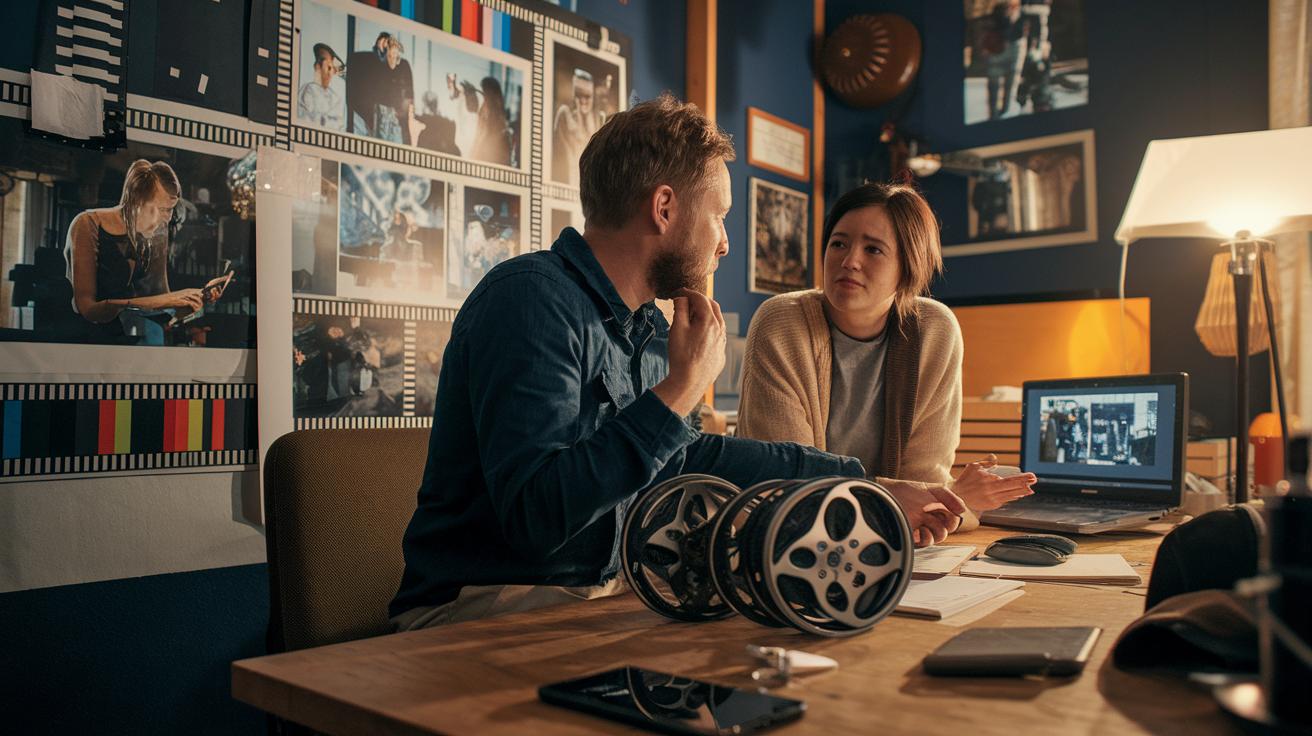
When viewers already know the original story, the film feels richer. Their memories and expectations add extra layers to the experience, and even small changes can spark lively talks about what stays the same or what gets a new twist.
Editors sometimes shuffle scenes or combine characters to meet market trends and match current cultural vibes. These changes help simplify complex plots or shine a light on themes that many people can relate to. It's not just a creative choice; it's a way to tap into what fans are excited about and grab attention right from day one.
Tools like comment sections and social sharing let fans and experts share their thoughts easily. By discussing the film's shifts and edits, everyone from casual watchers to in-depth film fans adds to a big, ongoing conversation with the creators.
Final Words
In the action, we break down complex topics like scholarly theory, narrative comparisons, and directorial shifts while showing how sound, visuals, and editing shape the adaptations we love. Each section brings clarity to the sophisticated ideas behind adaptations, from academic discussions to evolving creative visions.
This careful discussion serves to aid quick, confident choices for movie nights via critical analysis of film adaptations.
The insights here leave us with optimism for future films that surprise and engage.
FAQ
Q: What is meant by a critical analysis of film adaptations PDF?
A: The critical analysis of film adaptations PDF offers a scholarly guide that explains how films modify literary narratives, discussing theories and case studies to frame academic debates on adaptation techniques.
Q: What does a critical analysis of film adaptations essay discuss?
A: The critical analysis of film adaptations essay explores how filmmakers transform written texts into movies by examining narrative shifts, theory application, and the interplay between source materials and visual storytelling.
Q: What is film adaptation theory?
A: Film adaptation theory refers to the frameworks used to study how movies alter narrative elements from their source texts, addressing issues like fidelity, narrative conversion, and the creative infusion of directors.
Q: What information is found in a film adaptation theory PDF?
A: The film adaptation theory PDF compiles scholarly concepts and case studies that break down the methods and challenges of converting written literature into cinematic narratives for academic exploration.
Q: What constitutes adaptation theory literature?
A: Adaptation theory literature is made up of academic texts that discuss the principles and practices of transforming texts into films, including various theoretical frameworks and detailed case studies.
Q: What are film adaptation examples used for?
A: Film adaptation examples are used to illustrate how classic and modern texts are reinterpreted on screen, highlighting differences in narrative style, directorial vision, and audience reception.
Q: What types of film adaptation are commonly recognized?
A: The types of film adaptation include direct translations, loose reimaginings, and hybrids that blend elements of the original text with new creative directions to suit different audiences.
Q: What does the history of film adaptation encompass?
A: The history of film adaptation encompasses the evolution of converting literature into movies, tracing changes in narrative style, cultural impact, and the shifting balance between fidelity to source material and creative innovation.