
Ever notice how a movie’s wardrobe can do more than just cover an actor? Costume design shapes a character’s journey and hints at hidden themes without any dialogue. It stirs your feelings much like a great soundtrack. In this piece, we break down how each color, fabric, and style works closely with the plot to draw you in. Once you see these subtle cues, you’ll get why critics are finally shining a light on costume design.
Costume Design’s Influence on Film Critique
Costume design often gets overlooked while reviewers focus on directors, actors, and the technical team. Yet, the clothes a character wears can push the story forward and create memorable moments. In superhero movies, mob dramas, or wizard tales, the mix of color, fabric, and style helps sketch a character’s journey and signal key themes. Take a bright blue jacket in a dark urban story, it can quietly hint at hope without a word.
Much like a film’s score steers our emotions, a striking costume can mirror a character’s inner battle or mark a sudden shift in tone. A burst of red among soft shades might warn of trouble, instantly grabbing the viewer’s eye. Recently, critics have begun to see wardrobe choices as essential clues that work in harmony with the film’s narrative.
Simple details, the worn leather of a hardened outlaw or the precise stitching on a vintage gown, add layers of realism and deepen the film’s message. Every stitch and fabric texture can enhance the overall artistic feel and drive the narrative in unexpected ways.
Analytical Frameworks for Costume Design Critique
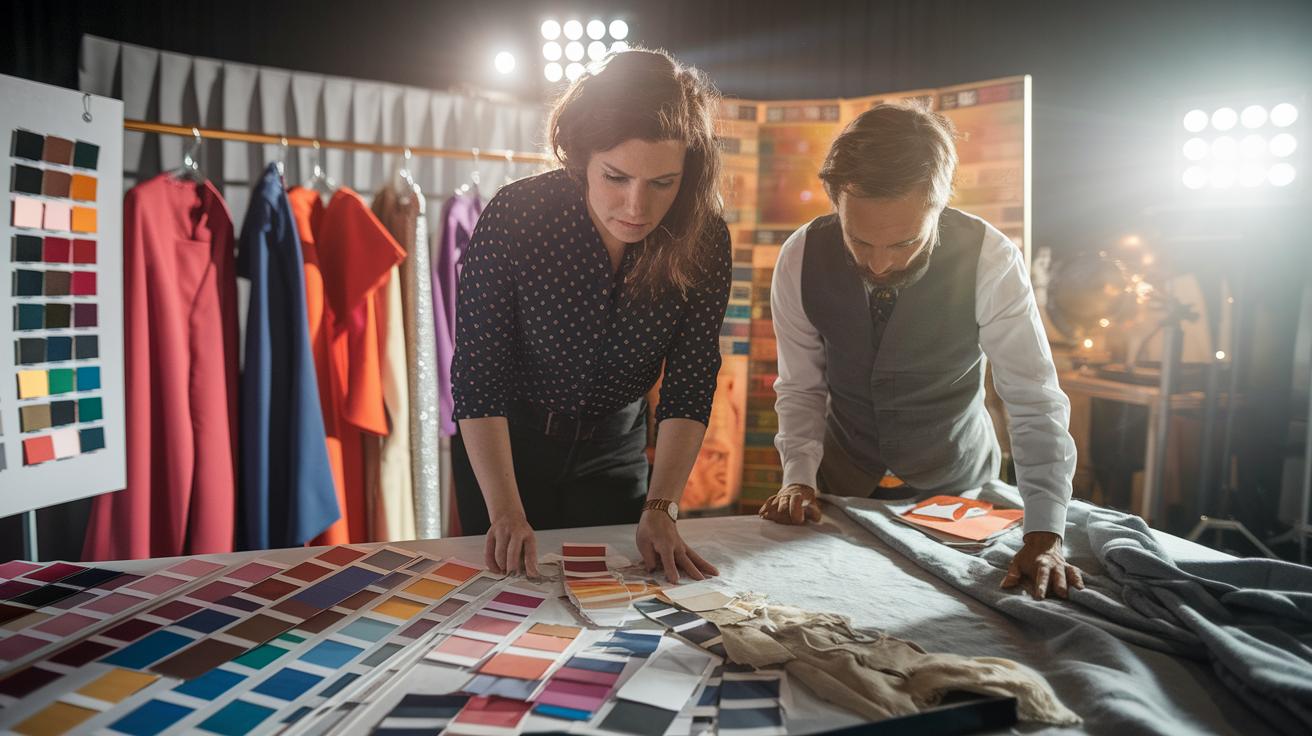
Critics study how costumes set a film’s mood and style. They look at details like color, texture, and cut to capture the period and feel. For example, soft, worn fabrics might hint at a story filled with sadness. Every fold or stitch works as a sign, showing hidden moods or themes.
They also check if the costumes match the story. Critics ask whether a character’s outfit reflects their changes or highlights key scenes. They watch how each piece fits with the set and overall design, ensuring every visual element helps tell the story.
Costume choices build a film’s mood, too. Critics see if the wardrobe supports the film’s themes and dramatic turns. By mixing clear observations with deeper ideas, they uncover hidden messages in the design. This approach shows just how much costumes shape a film’s impact.
Case Studies: Costume Design in Film Reviews
Case studies show that costume design speaks its own language. Critics point out small, thoughtful wardrobe choices that add depth to a film’s story. For example, one critic observes, "The white uniforms in A Clockwork Orange strip characters down to a singular societal role." This example proves how a strong color choice can stand for control in a film.
Consider these key examples:
- A Clockwork Orange (1971): Kubrick uses bold white attire to represent a controlled, oppressive society.
- Romeo + Juliet (1996): Luhrmann’s bright costumes capture the energy of youthful passion and the heat of forbidden love.
- The Dark Knight (2008): Heath Ledger’s Joker suit, with its smeared makeup and unique color choices, serves as a visual cue for chaos and moral decay.
Critics often explain how costumes work with the movie’s tone and character growth. They note that what characters wear not only sets heroes apart from villains but also hints at inner conflicts and shifts. One review states, "The Joker’s disheveled style mirrors his broken psyche," showing that costume choices can echo the film’s plot and performances.
This approach goes beyond just looking pretty. It treats wardrobe as a symbol that builds the film’s mood and guides viewer perception. By calling these choices vital story elements, reviewers show that costumes can be both dress and dialogue. For further insights, see film verdict case studies: analyzing iconic film reviews.
Historical and Cultural Contexts of Costume Design in Critique
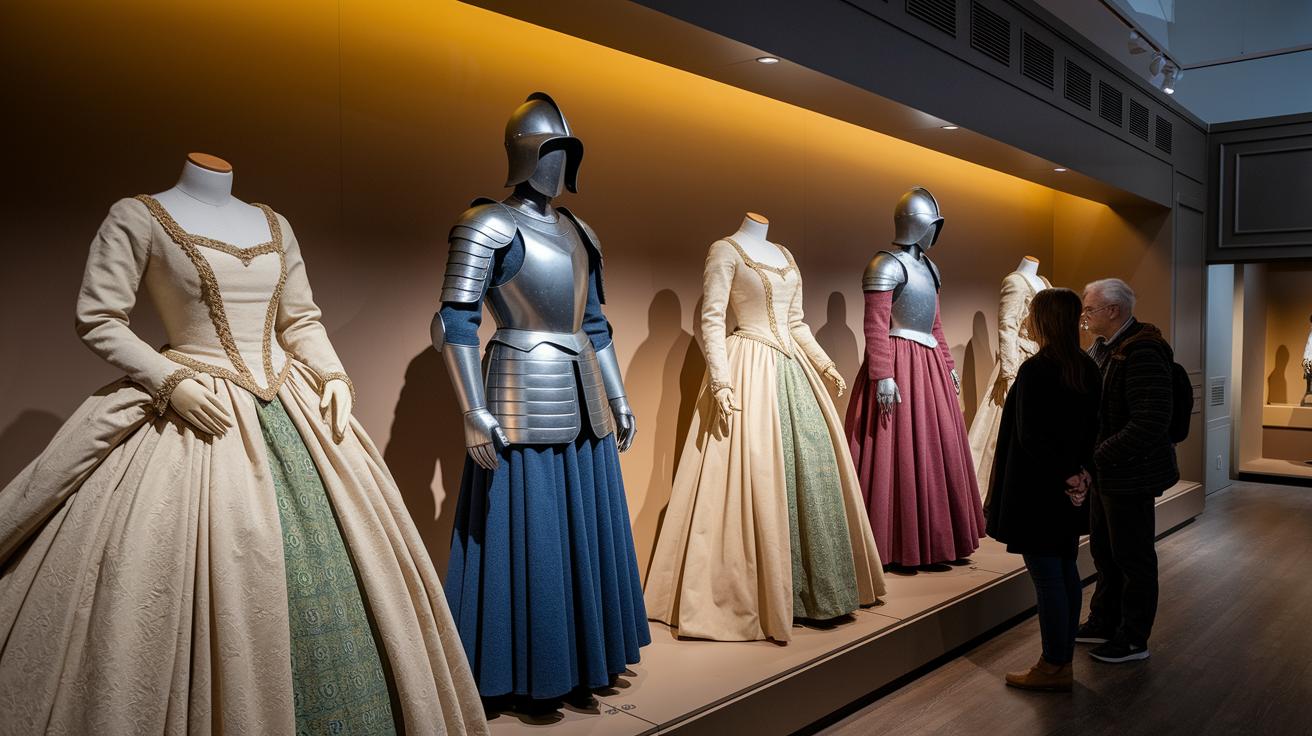
Reviewers look at costume design to see how well it fits history and culture. Take Marie Antoinette (2006) for example. Sofia Coppola uses rich silk gowns that feel true to the time. These costumes do more than look fancy, they show us the social ranks and luxury of the era.
In The Lord of the Rings trilogy (2001–2003), worn leather armor tells a story of a tough, weathered world. Critics see the textures and faded materials as signs of the characters' struggles and the harsh life around them. The use of fabric that shows wear supports the story and proves the film's care for keeping history real.
Reviewers also compare old-fashioned clothes with today’s movie styles. They ask if the costumes respect the past or if they try to update it too much. One critic might say, "Every stitch in these vintage pieces echoes past cultural legacies and brings the story to life." This kind of observation shows that costume design is a key part of telling a film's story.
Behind the Seams: Costume Design Processes and Challenges
The work starts with simple sketches that outline each costume. Designers pick fabrics and create mood boards that set the film's look. These boards are more than just picture collections, they are plans that show how textures and colors reveal a character's story. One designer explained, "I choose a fabric that feels worn yet dignified. It quietly hints at the character's hidden past."
After the visuals are planned, the team holds many fittings. Directors, writers, and actors meet to fine-tune the designs. This teamwork makes sure the costumes fit the actors well and match the film's tale. Each session is a crucial moment where art meets practicality.
There are also technical challenges along the way. For films needing true historical detail, like The Danish Girl (2015), the team does careful research to match the period. Other films, such as The Great Gatsby (2013), require striking looks while staying under budget. Outdoor shoots bring extra hurdles, like harsh weather, that call for thoughtful fabric and design choices to keep actors both stylish and comfortable.
Modern tools like Filmustage help by handling script details, schedules, and budgets. This technology lets the costume team quickly fix on-set issues, ensuring every design choice supports the film’s story.
Audience Perception and Critical Response to Costume Design
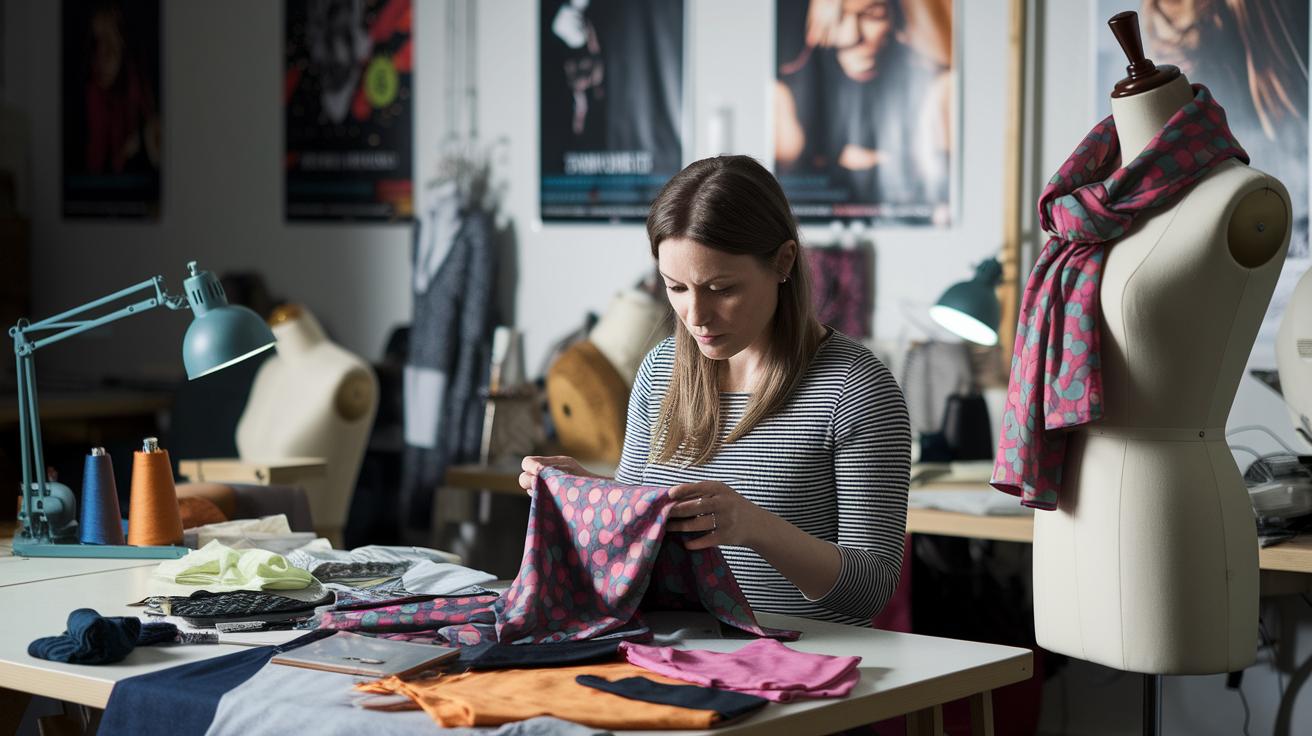
Costume design tells a story without saying a word. Critics study details like fabric feel and color to uncover hidden meanings. For instance, a bright scarf can feel like a spark of hope in a dark room.
Critics often focus on the technical side, noting things like perfect stitching or high-quality fabric. Meanwhile, viewers connect with costumes that mark a character's change and provide an instant feel, even if the technical work goes unnoticed.
Recent findings show that audience impressions and critic observations often differ, each offering its own insight into how wardrobe choices deepen the film’s story.
Final Words
In the action, this post broke down how costume design impacts film critique from theory to case studies. It examined how wardrobe choices shape narrative, build characters, and guide audience emotion. The discussion covered everything from historical context to creative process hurdles. This review shows that understanding the role of costume design in film critique enriches both viewing and evaluating movies. The insights here aim to help viewers quickly decide what to watch while deepening their film appreciation. Enjoy your next film with a renewed eye for detail.
FAQ
Role of costume design in film critique wikipedia
The role of costume design in film critique on Wikipedia explains how wardrobe shapes storytelling and visual tone, adding depth to character analysis and narrative themes.
Role of costume design in film critique pdf
The role of costume design in film critique PDFs is to document how clothing choices impact narrative tone, character development, and the overall visual aesthetics in cinematic works.
Analysis of the Role of costume design in Shaping the characters of Film and Television
The analysis of costume design in shaping characters shows that specific wardrobe choices use color, texture, and style to communicate personality traits and mood in film and television.
Costumes in film analysis
Costumes in film analysis serve to decode symbolic meanings, period details, and thematic messages, helping critics understand and interpret a film’s narrative and character storytelling.
What is costume design in theatre
What costume design in theatre is involves creating outfits that support character identity and setting, using fabric, color, and style to bring a play’s world to life.
Costume design enhancing character development in theatre and film
Costume design enhances character development by using distinct colors, styles, and textures to emphasize personality, background, and emotional arcs in both theatre and film.
Costume designer salary
The costume designer salary refers to the earnings for professionals who create and organize wardrobes, with pay varying based on project scope, skill level, and industry experience.
Costume design examples
Costume design examples include Heath Ledger’s Joker suit in The Dark Knight and the vibrant period costumes seen in films like Romeo + Juliet, which highlight character and narrative elements.
Why is costume design important in film?
Costume design is important in film because it visually communicates character traits, supports story context, and creates a believable world that enhances audience immersion.
What is the main role of a costume designer?
The main role of a costume designer is to craft outfits that reflect a character’s personality and era, reinforcing the film’s narrative and visual style.
What are the 5 roles of costumes?
The five roles of costumes are to define character identity, indicate historical or cultural context, support thematic elements, enhance visual storytelling, and maintain authenticity.
What is the role of costumes in character portrayal?
The role of costumes in character portrayal is to visually express traits and emotions, helping the audience understand character backgrounds and contributing to the overall narrative clarity.