
Film Critique Evolution: From Silent Frames to Online Buzz
Have you ever stopped to think how film reviews grew from quiet silent snapshots into the lively chatter we see online today? In the early days, critics studied every frame and shared honest thoughts that filled the pages of newspapers and magazines. Their clear-eyed insights helped set the stage for the smart, engaging reviews we now read on digital platforms.
This journey mirrors our changing times and technology. Early critics captured the essence of films in simple scenes, and as culture evolved, so did the conversation around movies. Today, film commentary is a vibrant dialogue that continues to influence the way we enjoy and understand cinema.
Charting Film Critique Evolution Through History
Film criticism started when movies were silent. Early reviewers focused on what they saw and how scenes were arranged, setting the stage for future film talk. As movies grew, movie reviews changed along with them. In the 1920s, Mordaunt Hall became the first critic at The New York Times. This moment turned random comments into a formal way of looking at films.
Over time, film commentary reached more people. Critics switched from writing only in newspapers to also using magazines, radio, TV, and now the internet. New tools and trends made film reviews change all the time. Each period added something new by noticing both the look of movies and the behind-the-scenes skills.
| Decade | Milestone |
|---|---|
| 1900s-1910s | Beginning of film critique during the silent era |
| 1920s | Mordaunt Hall becomes The New York Times’ first critic |
| 1930s-1940s | Dedicated film columns appear in newspapers |
| 1950s-1960s | Films are increasingly seen as an art form |
| 1970s-1980s | Critiques expand into magazines and TV |
| 1990s-present | The rise of digital and online film reviews |
These key moments show how film reviews grew over the years, with each new idea building on the last. Reviews of silent films sparked a discussion that evolved with new media. Today, film commentary mixes artistic insight with popular appeal, changing as our culture and technology change.
Cinematic Criticism Origins in the Silent Era
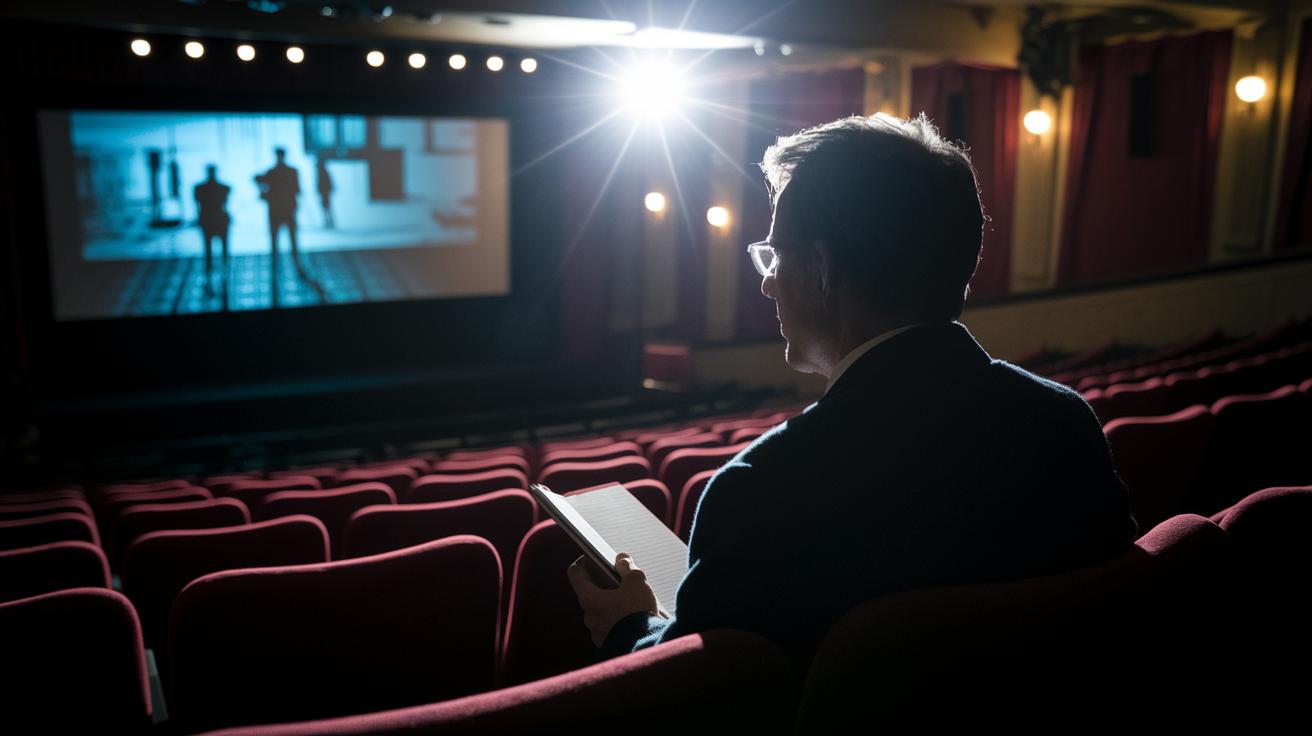
Early film critics often stayed anonymous and let their sharp eyes for detail do the talking. They focused only on what appeared on the screen, using images to tell stories instead of spoken words. One reviewer even wrote that the film "whispers emotions through every flicker of light," showing how silence could speak volumes.
These critics looked at films differently from book reviewers. While literary critics analyze dialogue and narrative, silent-era reviewers studied visuals, editing, and the mood set by each scene. They examined how scenes were built and how small movements or light shifts could change a film's tone. One might say, "The film’s rhythm and subtle beats create a dialogue without words." This way of viewing films helped lay the groundwork for modern film reviews.
Today, many reviewers still appreciate the power of a strong visual. The insights from the silent era remind us that movies are best understood through what we see, not just what we hear.
Print Media's Role in Film Review History
Back in 1924, Mordaunt Hall became The New York Times' first film critic. His work turned casual movie commentaries into serious reviews, making film criticism a respected field. Hall set a high standard that newspapers followed, and soon film discussions took on a more thoughtful tone.
Newspapers and magazines quickly became the main spots for film reviews. Big names like The New York Times and later Sight & Sound began dedicating sections to breaking down movies. Critics such as Bosley Crowther used clear, everyday language to share their views, while filmmakers like François Truffaut and Peter Bogdanovich brought their hands-on experience into their reviews. Their fresh takes made film analysis engaging and sparked a real interest in cinema.
These influential print critics helped shape public taste and film culture. Their honest and insightful reviews turned newspapers and magazines into trusted voices for movie lovers. Today, that legacy of clear and thoughtful film criticism continues to influence how we talk about movies.
Post-War Film Critique and Theoretical Shifts
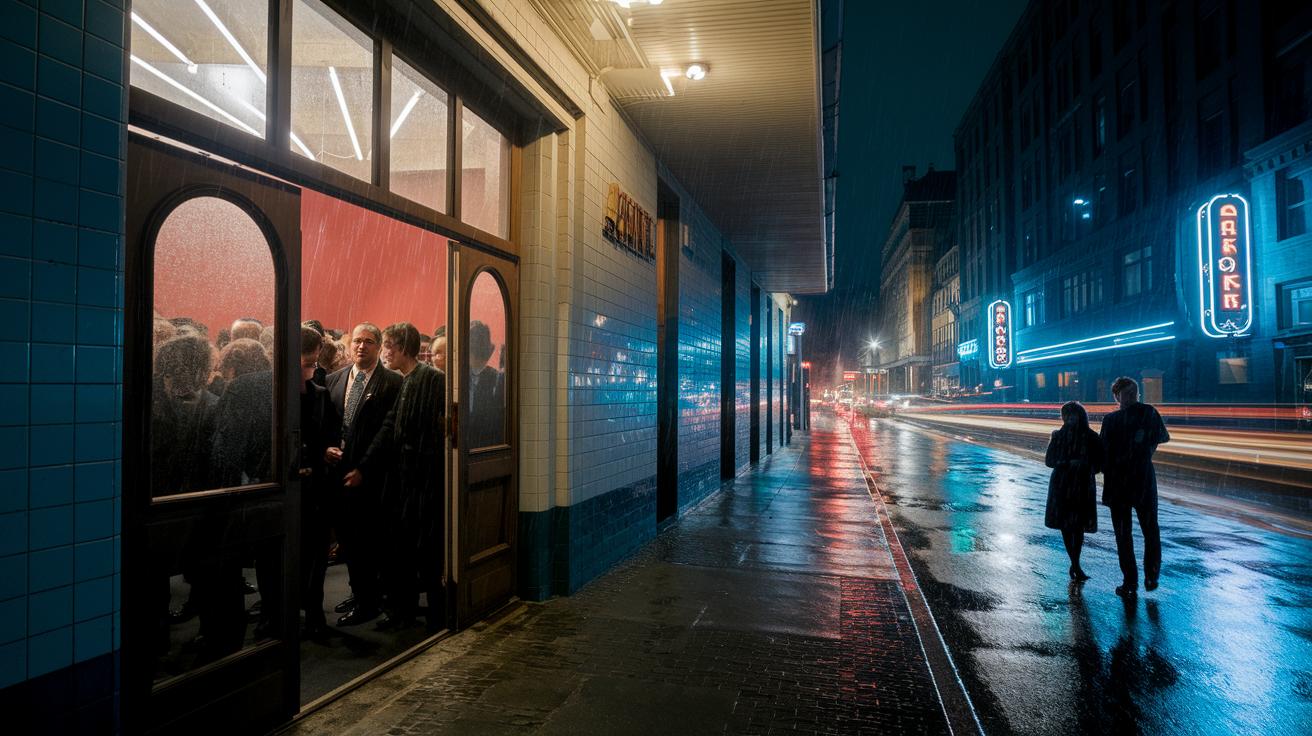
After World War II, films started to show a new side of life. The chaos of post-war recovery made movies more complex. Stories began to explore deep themes like loss, hope, and the challenges of starting over. Back then, critics noticed that movies were no longer just simple entertainment. They became reflections of a world trying to heal and find its way.
Leaders such as Bosley Crowther helped change how films were judged. Crowther and his colleagues looked at movies as records of their time. They paid close attention to small visual details that hinted at bigger ideas about society. This careful look meant that films were seen as more than just stories, they were mirrors of history and change.
Film reviews took a big turn then. Critics moved past checking off lists for acting or plot. Instead, they examined how films connected with important issues and captured new art movements. Every scene was considered a part of a larger talk about society. This shift in thinking made film criticism a lively conversation about art and life today.
- Michael Reed , Film Critic. Reviews classic and modern films with clear insights.
Film Theory Milestones and Critique Evolution
Film critics have changed their approach over time. They now mix careful research with a love of movies to dig deep into what films really mean. By using ideas from art theory and cultural studies, critics look beyond the simple story to see how a director’s choice and the culture of the time shape the film. Movies are now seen as complex works loaded with symbols and social messages.
Some key film theories include:
| Film Theory | Decade |
|---|---|
| Auteur Theory | 1950s |
| Marxist Criticism | 1960s |
| Feminist Film Analysis | 1970s |
| Academic Criticism Integration | 1960s–70s |
Today, these early ideas still guide many critics. They mix classic theories with new perspectives to explain the art of filmmaking, keeping film discussion fresh and lively.
Digital Era's Impact on Film Criticism Trends

Film criticism used to live on the radio and TV, but now it’s all online. In the early days, critics shared their thoughts on air, giving listeners a quick take on movies. That style has changed; now, opinions fly instantly over the internet, reaching anyone, anywhere. A critic once said the lively spirit of live reviews has grown into a true digital conversation.
When the internet took over, film reviews moved to dedicated websites and rating portals. Viewers can now read many opinions in one place, compare scores, and even take part in group ratings. Sites blend reviews from many voices into one overall score. This switch not only changed who held the power in film criticism but also gave audiences a fairer, richer look at movies.
Critics have jumped on the digital bandwagon. They use blogs, podcasts, and social media to share their views. Today, you can catch video reviews, live tweets during premieres, and in-depth podcast chats that break down every part of a movie. This new way of reviewing lets critics talk directly with their fans, ask for their ideas, and even adjust their opinions based on feedback. In short, digital reviews spark an open conversation that is easy to join and always evolving.
Cultural Impact and Retrospective Film Critique
Critics have always helped shape what we like about movies and kept film history alive. Early film reviewers did more than discuss technical details; they also influenced cultural values and social views. Their words went beyond a simple score and changed how audiences and filmmakers thought about storytelling. When critics praised films from movements like the New Wave or counterculture, they set bold new standards for movies. One critic even said, "This film speaks to the spirit of rebellion and reinvention," showing how reviews captured the energy of a generation.
Looking back at older films gives us a fresh perspective today. Retrospective reviews let us see classic movies against modern ideas and find hidden themes that were once ahead of their time. These reflections create a conversation between the past and the present, showing how changes in society and art still shape films. By viewing old movies with new eyes, critics build a bridge between history and current culture, proving that movies are both art and a record of our times.
Case Studies in the Evolution of Movie Critique

Mordaunt Hall turned movie reviews into a serious art. He moved film criticism away from casual talk by showing that movies deserve careful thought about both their artistic feel and technical details.
Bosley Crowther followed this path with simple, clear language that reached a wide group of viewers. His work focused on telling readers both the story and the craft behind the scenes.
François Truffaut changed the game by treating directors as the true authors of their films. His essays showed that making movies is a personal act of expression. Peter Bogdanovich added a historical view, pointing out how storytelling and technical skills work together. Their writing goes beyond basic reviews by giving us a window into the creative minds behind the camera.
Together, these critics shifted movie talk from plain recaps to a richer conversation about films. Their ideas helped movie critique grow into an art that mixes both deep aesthetic insights and practical, technical analysis.
Final Words
In the action of film exploration, we traced film critique from its silent beginnings through print media milestones and theoretical shifts, onto the digital era and cultural impact.
We reviewed key case studies that highlight significant moments and voices in movie commentary.
This timeline reflects the rich, ongoing historical evolution of film critique and leaves us eager to see what fresh insights will follow.
FAQ
A: The historical evolution of film criticism shows how analysis grew from silent film reviews to modern online dialogue. Early critiques emerged with silent movies and evolved through print journalism, theoretical shifts, and digital platforms.
A: Film criticism examines movies by assessing story, visuals, and performances. Critics offer clear insights and opinions that help audiences decide whether to watch a film.
A: A movie critique is a written review explaining a film’s merits and flaws, while a movie critic is the individual behind the review. Examples are available in trusted print sources and online PDF resources.