
Ever notice how one smart cut can change a movie's vibe? Editing turns raw footage into a story that grabs your attention and draws you in. It controls the pace and steers your feelings with each scene change. In this post, we dive into how editing shapes a film's narrative and keeps you hooked, proving that every tiny cut is key to making movies come alive.
How Editing Shapes Film Narrative and Viewer Engagement
Editing turns a plain script into a living experience. Editors decide where to cut and how to switch between scenes, which changes how we feel about the story. For example, a fast series of cuts in a happy rom-com makes the mood light, while slower cuts in a thriller build a sense of danger. When you see rapid close-ups stitched together, it feels like time is racing along with the action.
Each edit matters. A pause or a quiet moment can boost a character's emotion or mark a big turning point without using words. Editors check every scene to make sure it ties back to the main story, keeping things smooth. If the lighting or scene flow shifts too much, it can pull you out of the moment.
Pacing is the heartbeat of a film. By mixing long, thoughtful shots with quick cuts, editors guide your focus and add energy to the scene. This careful mix not only shows how the story develops but also helps you feel its ups and downs. It’s a clear sign of how editing can set the tone and pull you into the story.
Theoretical Foundations of Narrative Editing in Cinema

Film editing turns raw footage into a clear story using simple techniques that reshape the narrative. Editors frequently use montages (quick sequences that show change over time) to compress many moments into a few seconds. For example, combining a series of brief snapshots can reveal years of growth in one swift sequence.
Another common method is cross-cutting. This technique alternates between scenes occurring at the same time, which builds tension and gives the film a steady rhythm. Jump cuts also play a key role by moving suddenly between moments, a quiet scene might snap to an intense reaction, to show a character's inner conflict without using words.
Match cuts are used to draw visual connections between different scenes. By linking similar images, editors hint at shared ideas or themes. These choices bend time and challenge typical storytelling, adding layers that shape the film’s mood and the viewer’s emotional experience.
Case Studies on Editing’s Impact in Iconic Films
Film editing is much more than a technical job, it brings movies to life by connecting emotional beats with smart techniques. Directors and editors use tools like montage, cross-cutting, and non-linear storytelling (arranging scenes out of order) to steer how we feel each moment. Take The Silence of the Lambs, for example. Its careful pace builds up suspense until a series of sharp cuts takes over, making the tension almost tangible. These moments show how editing guides us to feel, react, and think in new ways.
Notting Hill uses quick reaction cuts paired with gentle background shifts to boost the emotional pull between characters. Meanwhile, The Shawshank Redemption relies on smooth continuity editing, keeping the narrative flow steady so that viewers stay focused on the characters and story without any distractions.
Inception takes things further with a playful non-linear structure that twists time and mirrors the characters’ altered states. This puzzle-like approach may challenge usual storytelling but deepens the immersion for those who stick with it. Similarly, Moonlight uses a pattern of long, lingering shots mixed with fast cuts that create a rhythmic, almost musical feel, perfectly echoing the inner lives of its characters.
Each of these films shows that editing is an art form that shapes the story and the overall experience for the audience. The table below summarizes these films, the editing techniques they use, and the effects the choices have on the viewer:
| Film Title | Editing Technique | Narrative Impact |
|---|---|---|
| The Silence of the Lambs | Deliberate pacing shifts | Heightens tension |
| Notting Hill | Timed reaction cuts | Enhances emotional depth |
| The Shawshank Redemption | Continuity editing | Creates seamless narrative flow |
| Inception | Non-linear structure | Manipulates time perception |
| Moonlight | Rhythmic cut patterns | Defines tone and mood |
Analyzing Pacing and Rhythm Through Editing Choices
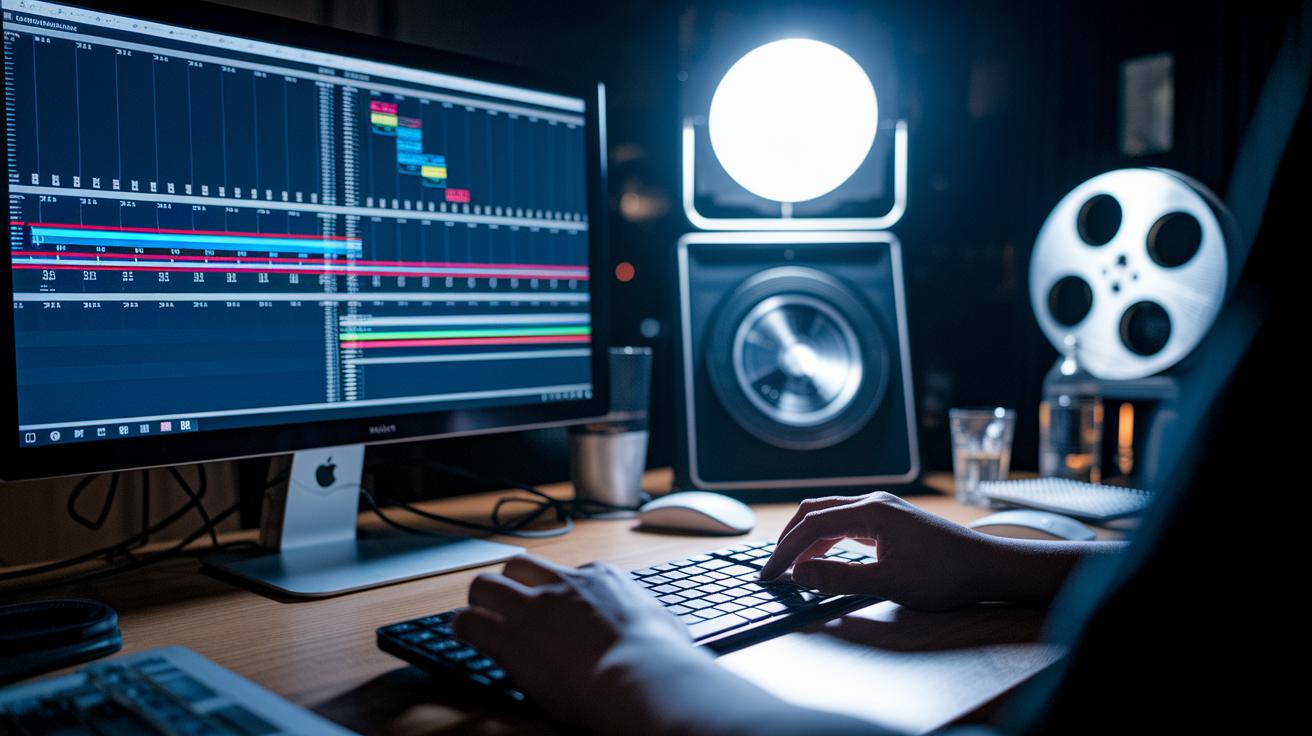
Editors set a film's heartbeat by choosing how long each shot lasts and when to make cuts. These choices shape the pace of the story and the feelings you get from each scene. In thrillers, slow builds create tension while fast cuts make your pulse race. For instance, a string of quick cuts after a long quiet moment pulls you into a burst of fear, with each beat echoing on screen.
Long reaction shots and deliberate pauses give actors a chance to show true emotion. At the same time, quick editing drives the story forward, keeping you hooked from start to finish.
Ensuring Continuity and Cohesion in Film Narrative Editing
Keeping your film's story smooth means paying close attention to every little detail. Editors must make sure that eyelines, lighting, and scene transitions all match perfectly. Even a tiny mistake, like a one-second gap in lighting, can confuse viewers and pull them out of the story.
Every shot needs a careful check for details like actor placement, background items, and sound cues. This close watch helps each cut flow naturally into the next, making the whole film feel like one seamless story.
When frames line up, eyelines match, and timing is just right, the film stays clear and engaging. Editors double-check scenes to catch even small mistakes. Following these simple practices not only keeps the film's rhythm strong but also respects the director's vision by preserving the emotional impact of the story.
Tools and Methods for Assessing Film Editing’s Narrative Impact
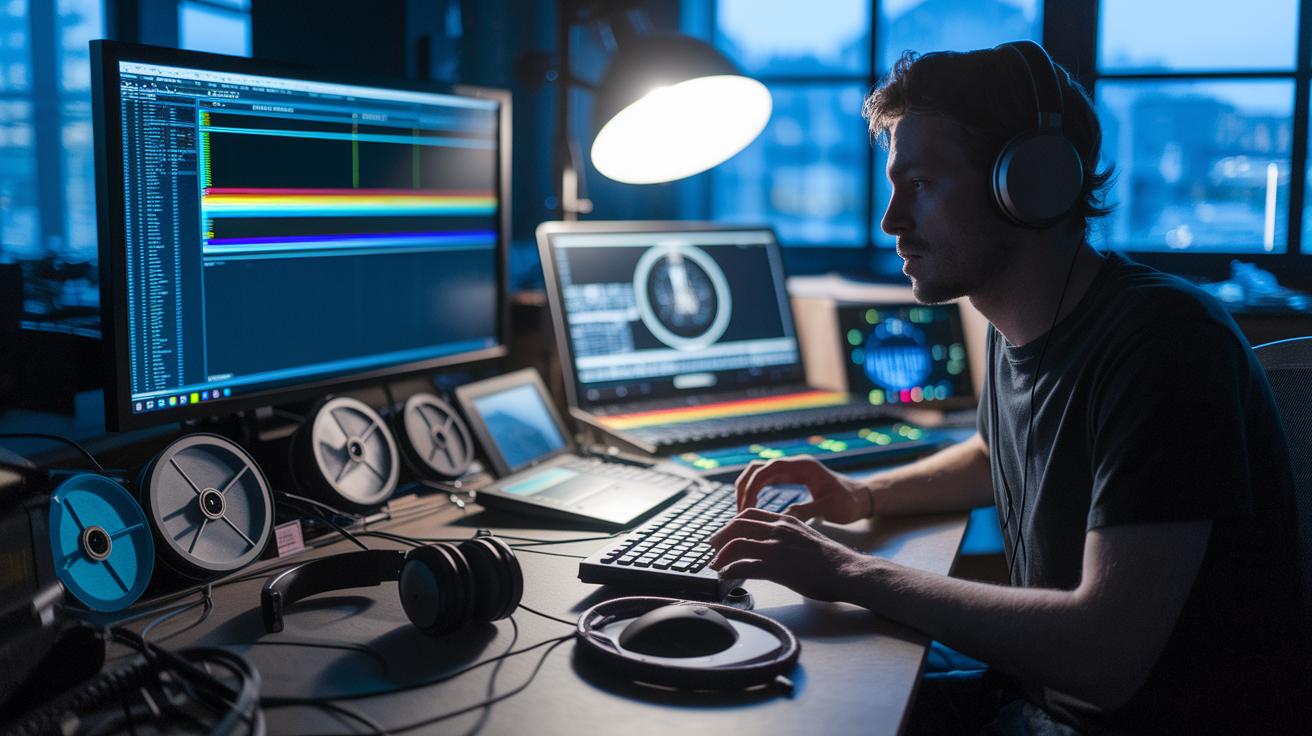
When you watch a movie, how the film is put together makes all the difference. Good editing sticks close to the script, picks the best shots, and makes scene changes feel natural. The way sound is mixed and colors are set helps keep the story clear and true to its mood. In short, editing should hit every planned emotional note with smooth cuts.
A careful check starts by comparing the raw footage with the script to ensure all key scenes are kept. Choosing the right shot is crucial because it shows the actor’s best work and sets the scene’s mood. When scenes flow into each other seamlessly, the movie stays engaging. Sound mixing and color grading (the process of adjusting colors to fit the mood) work together to support the story. If these elements don’t match, the film can feel off.
| Tool | Primary Use | Narrative Assessment Role |
|---|---|---|
| Lightworks | Non-linear editing | Checks if the edit sticks to the script and keeps shots clear |
| Adobe Premiere | Timeline editing and color grading | Looks at how smooth the transitions are and if the visuals match |
| Avid Media Composer | Advanced audio and visual editing | Measures pacing and ensures audio and visuals work in sync |
| Final Cut Pro | Rapid editing with visual effects | Tests shot choices and how well they fit the narrative |
These methods and tools help critics and filmmakers see exactly how editing choices shape a film’s story and impact the overall viewing experience.
Final Words
In the action, this article explored how editing shapes a film's narrative and viewer engagement. We checked out core editing techniques that build tension and rhythm. Case studies in iconic films showed how well-timed cuts and seamless transitions guide our emotions. We also reviewed tools and methods for assessing editing impacts on film narrative. The insights learned here prove that careful editing can transform a film into a more immersive and engaging experience. Keep an eye out for these techniques next time you watch a movie!
FAQ
Assessing editing impacts on film narrative pdf
The assessing editing impacts on film narrative PDF reviews how editing choices affect film structure, analyzing aspects like pacing and transitions to help readers understand narrative clarity and viewer engagement.
Assessing editing impacts on film narrative essay
The assessing editing impacts on film narrative essay explores how different cuts and transitions shape storytelling and emotional rhythm, offering insights for both film students and critics.
The impact of continuity editing in narrative film on event segmentation
The impact of continuity editing on event segmentation shows that smooth cuts and consistent framing help viewers follow story events, maintaining narrative flow and clear sequence segmentation.
Kuleshov Effect
The Kuleshov Effect illustrates that viewers derive meaning from the relationship between shots, proving that editing decisions can manipulate emotional responses and deepen narrative understanding.
Importance of editing in film
The importance of editing in film is evident in its role in setting pace, linking scenes, and establishing tone, making it crucial for crafting a clear, engaging narrative that resonates with audiences.
Video editing psychology
The video editing psychology examines how editing techniques influence viewer emotions, highlighting how cut timing and scene transitions shape our interpretation of the story and reinforce its impact.
Film Editing and Emotional Resonance The Psychology of Cut
The film editing and emotional resonance psychology of cut explains that precise editing choices enhance emotional depth, as strategic cuts and rhythmic flow intensify viewers’ connection to characters and scenes.
History of editing in film
The history of editing in film tracks the evolution from basic cuts to complex montage techniques, showing how advancements in editing have steadily refined narrative storytelling and audience immersion.