
Have you ever wondered why classic vampire movies still make you shudder? These films mix spooky visuals with bold storytelling and even a dash of humor that keeps the chills fresh, no matter how old they are. Think of the quiet terror in Nosferatu and the unexpected edge in 80s cult gems. Each movie serves up its own unique slice of horror that has lasted through the years. Let's take a closer look at how these timeless tales continue to fire up our imaginations and shape the horror genre.
Essential Must-Watch Classic Vampire Movies
Nosferatu (1922) is one of the first films to show a vampire. Its spooky look and silent film style set the scene for many classic horror movies that followed.
The Lost Boys (1987) brings a cool beach vibe with a memorable soundtrack and strong acting by Kiefer Sutherland. Its wild, rebellious energy captures the spirit of '80s vampire films.
Fright Night (1985) blends scares with a teen comedy twist. The film surprises you with moments of wit that keep the horror exciting and fun.
John Carpenter's Vampires (1998) is a gritty, action-packed horror film. Starring James Woods, it trades soft sentiment for hard, fast thrills.
Byzantium (2012) offers a fresh take on vampire lore by reimagining the story of two sisters who come from a working-class background. The film feels real and grounded, not overly fancy.
Thirst (2009) mixes dark humor with Gothic horror. It creates a story that is both creepy and oddly playful at the same time.
What We Do in the Shadows (2014) gives the genre a funny twist with its mockumentary style. At just 86 minutes, it playfully examines the everyday life of vampires.
Ganja & Hess (1973) challenges you with its bold look at race and power through the lens of vampirism, using the theme to talk about bigger social changes.
The list is rounded out by films like Sinners, noted for its award-winning acting, and The Hunger (1983) which combines erotic elements with terror. These movies form a solid starting point for anyone interested in classic vampire tales.
Historical Foundations of Classic Vampire Movies
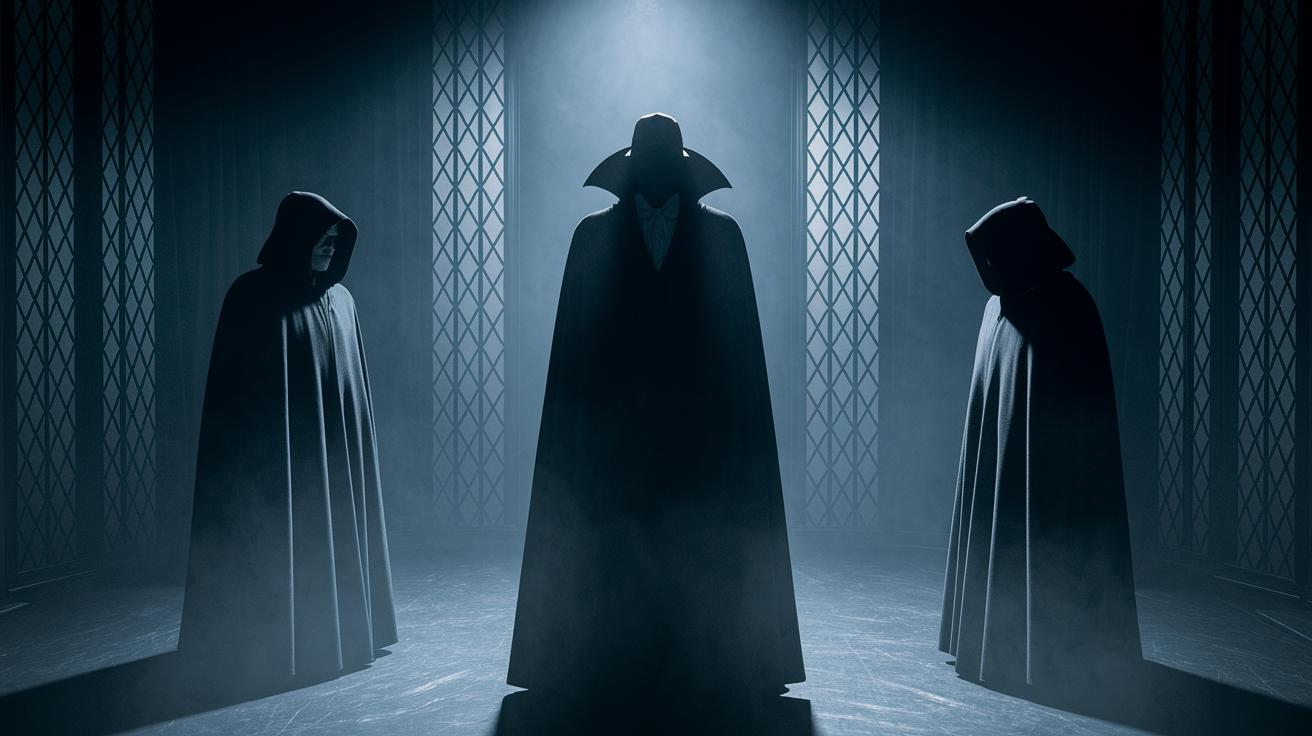
Before digital effects, directors used hand-painted backdrops and clever camera tricks to build an atmosphere of suspense. Nosferatu (1922) is one of the first movies to show us a vampire in all its eerie glory. This early German horror film used deep shadows and odd set designs to create ghostly images that stick with you. With very little dialogue, it relied on spooky visuals to make you feel uneasy, laying the groundwork for later films that want to scare us in new ways.
The Hunger (1983) changed the game by mixing a touch of romance with its horror. Vampires in this movie are not just scary; they also exude desire and danger, showing us a more stylish side of the undead. This shift proved that better film techniques and bolder visuals can completely change how we see these age-old creatures. Over the past six decades, vampire movies have grown from simple silent experiments into rich, layered stories that mix fright with deep themes, keeping the legend of the vampire alive in our hearts.
Iconic Characters in Classic Vampire Movies
Classic vampire films give us unforgettable characters. Take David in The Lost Boys (1987), for example. Corey Haim plays him as a rebellious yet vulnerable teen, hinting at dark secrets with every smirk. His look suggests danger even before the story unfolds, making his performance raw and captivating.
Then there's Jerry Dandridge in Fright Night (1985). Roddy McDowall fills this role with equal parts wit and menace, turning a simple horror figure into a character full of somber charm. Similarly, Jack Crow in Vampires (1998) comes to life through James Woods’ intense performance. His no-nonsense approach brings fresh energy to the vampire archetype.
Later films like Byzantium (2012) and Thirst (2009) introduce characters such as Clara, Eleanor, and Father Sang-hyun. They mix timeless traditions with unexpected tenderness and dark humor. And in What We Do in the Shadows (2014), quirky characters like Viago, Vladislav, and Deacon add a humorous twist to eternal curses. These performances show how skilled casting and layered acting keep classic vampire lore alive and exciting.
Genre-Defying Twists in Classic Vampire Movies
These films mix old-school horror with a fresh twist that keeps you guessing. They break away from traditional formulas and invite you to enjoy smart storytelling with a modern edge.
Byzantium ditches the usual Gothic look to focus on a raw, working-class vampire romance. Its plain, unpolished setting brings real-life struggles to the forefront, paving the way for films that favor everyday conflicts over ornate backdrops.
Thirst blends dark humor with creepy dread. Imagine a movie where sharp wit cuts through moments of terror, keeping every scene unexpectedly engaging. This innovative mix pushes you to rethink what horror can be.
What We Do in the Shadows uses a mockumentary style to poke fun at old horror clichés. Its self-aware tone makes you laugh at familiar tropes while inviting you to question what really defines the genre. This fresh take has reshaped horror comedy for today’s audience.
Fright Night combines teen comedy with genuine suspense. Picture a film where schoolyard chatter meets eerie tension, creating a playful yet chilling vibe. This unexpected blend updates the classic horror script in a fun way.
Vampires (1998) opts for swift, hard-hitting action without the extra sentiment. In contrast, Ganja & Hess uses the vampire myth to offer a subtle look at social issues. Together, they show that mixing genres can drive pace and spark thoughtful commentary on society.
These creative twists add new layers to the story and shift what we expect from vampire films, marking a move toward modern storytelling in classic horror.
Notable Remakes and Reimaginings of Classic Vampire Movies
Many classic vampire films have been revived with a modern twist. Carmilla (2019) reworks Sheridan Le Fanu’s old story by setting it in today’s world and focusing on self-discovery and personal growth. This update replaces the raw, edgy style of 1960s and 1970s lesbian vampire films with a more thoughtful tone. It speaks to new audiences while leaving some longtime fans missing the familiar grit.
Fright Night (2011) reexamines the 1985 cult favorite with a fresh cast that includes Anton Yelchin. Many viewers feel this version loses the clever blend of humor and horror that made the original so special. It aimed for a modern feel but didn’t quite capture that unique charm.
These modern takes show both the promise and challenges of reimagining vintage vampire stories. They remind us that while new perspectives can be exciting, they sometimes fall short of the unforgettable atmosphere found in the classics. This mix of success and risk continues to spark debate among passionate fans.
Cult Appeal Spotlight within Essential Must-Watch Vampire Films
If you love classic vampire films with a cult twist, take a closer look at titles like Ganja & Hess and Sinners. These movies made the must-watch list by taking bold risks and playing with unique themes that won them loyal fans.
Ganja & Hess (1973) turns vampirism into a way to explore identity and social tension in a charged Black American setting. Its vivid look and brave story gave it an underground vibe. For example, before fans even knew what to expect, the film shocked viewers with its raw take on cultural conflict.
Sinners breaks away from standard horror with performances that feel real and unexpected. Its off-beat style and untraditional narrative appeal to viewers who want something different from regular vampire stories. One key detail is how Sinners blends gritty themes with strong, emotional acting that sticks with you.
These points underline how these films stand out without rehashing the bigger Essential Must-Watch list.
Final Words
In the action, we covered a range of films, from Nosferatu's early chills to modern smart remakes, that shaped classic vampire movies. We explored how visual styles evolved over decades, honored iconic roles, and saw films mix horror with humor, romance, and social commentary.
The roundup shows that each film offers its own unique spin on these timeless fang thrillers. Enjoy watching these classic vampire movies, and let the blend of history, character, and surprises brighten your next movie night.
FAQ
What classic vampire movies should I watch from various decades?
The classic vampire movie list spans decades—from 80s hits like The Lost Boys and Fright Night to 90s action-horror like Vampires and modern blends such as Thirst—for a well-rounded view of the genre’s evolution.
Are there vampire movies available on Netflix?
The Netflix library often includes cult favorites like Interview with the Vampire and other classic titles, offering viewers an easy way to enjoy a mix of iconic and modern takes on vampires.
What is considered the best vampire movie?
The best vampire movie is subjective, but many point to Bram Stoker’s Dracula and Interview with the Vampire for their atmosphere, compelling performances, and lasting influence on vampire lore.
What is the silliest vampire movie ever made?
The silliest take on vampires is often seen in What We Do in the Shadows, a mockumentary that parodies vampire tropes with a playful tone and a fresh, humorous approach.
What’s that one old vampire movie?
One old vampire movie that remains a cornerstone of the genre is Nosferatu (1922), known for its eerie visuals and status as a foundational work in vampire cinema.
What is the 1977 vampire movie?
The mention of a 1977 vampire movie can refer to a lesser-known title from that era, as no single film stands out; film guides and historical databases may offer more detailed insights into that period’s releases.
How do modern series like The Vampire Diaries and Legacies refresh vampire lore?
Modern series like The Vampire Diaries and Legacies refresh vampire lore by blending teen drama with traditional gothic elements, adding a contemporary twist that resonates with today’s audience.
How do Bram Stoker’s Dracula and Interview with the Vampire stand out?
Bram Stoker’s Dracula and Interview with the Vampire stand out for their rich atmosphere and strong performances, each redefining gothic romance and the emotional depth behind vampire mythology.
What is Van Helsing about in vampire films?
Van Helsing reimagines the vampire myth with high-action sequences and a monster-hunting narrative, mixing horror and adventure to create a dynamic and entertaining film experience.
How have portrayals of vampires evolved from classic films to modern shows?
Portrayals of vampires have evolved from silent, eerie figures to complex characters in modern shows, merging traditional gothic elements with renewed drama, romance, and action that appeal to diverse viewers.