

Ever thought about how vintage film reels hide secrets that shape the magic of modern movies? Back in the day, every detail on a reel mattered. Short 50-foot reels gave quick, fleeting images, while 200-foot reels offered a deeper look at classic scenes. Kodak’s Super8, for example, delivered sharper pictures and a warmth that many still love. This history shows that careful film work was not just about meeting standards, it helped pave the way for film restoration and sparked the innovative techniques we see today.
Retro Film Reel Production: Historical and Technical Overview
Retro film reel production was all about careful crafting and sticking to exact standards. Back then, films came on two types of reels: a 50-foot reel ran about 3 to 4 minutes, and a 200-foot reel gave roughly 14 minutes of viewing time. This clear split helped collectors know exactly what to expect, whether they wanted a quick short or a longer film experience.
Kodak introduced the Super8 format with a frame that was 50% bigger than regular 8mm. The larger frame meant sharper images and better detail. Even today, film fans compare the warm, analog look of these reels with digital versions. Many remember how Super8 films were praised for their crisp pictures compared to the charm of standard 8mm.
Ken Films in New Jersey was a big name during this era. They made popular movies, such as Rodan The Flying Monster (1964–65), available in both formats for home viewing. Their work helped bring classic giant monster films into the hands of everyday fans, blending creative storytelling with top-notch technical work.
Every detail in film reel production mattered. The careful winding of each reel, precise control of film tension, and gentle handling all worked together to prevent damage and ensure a smooth viewing experience. This mix of old-school methods and careful craftsmanship still inspires today’s film restoration projects.
Key Milestones in Retro Film Reel Production History
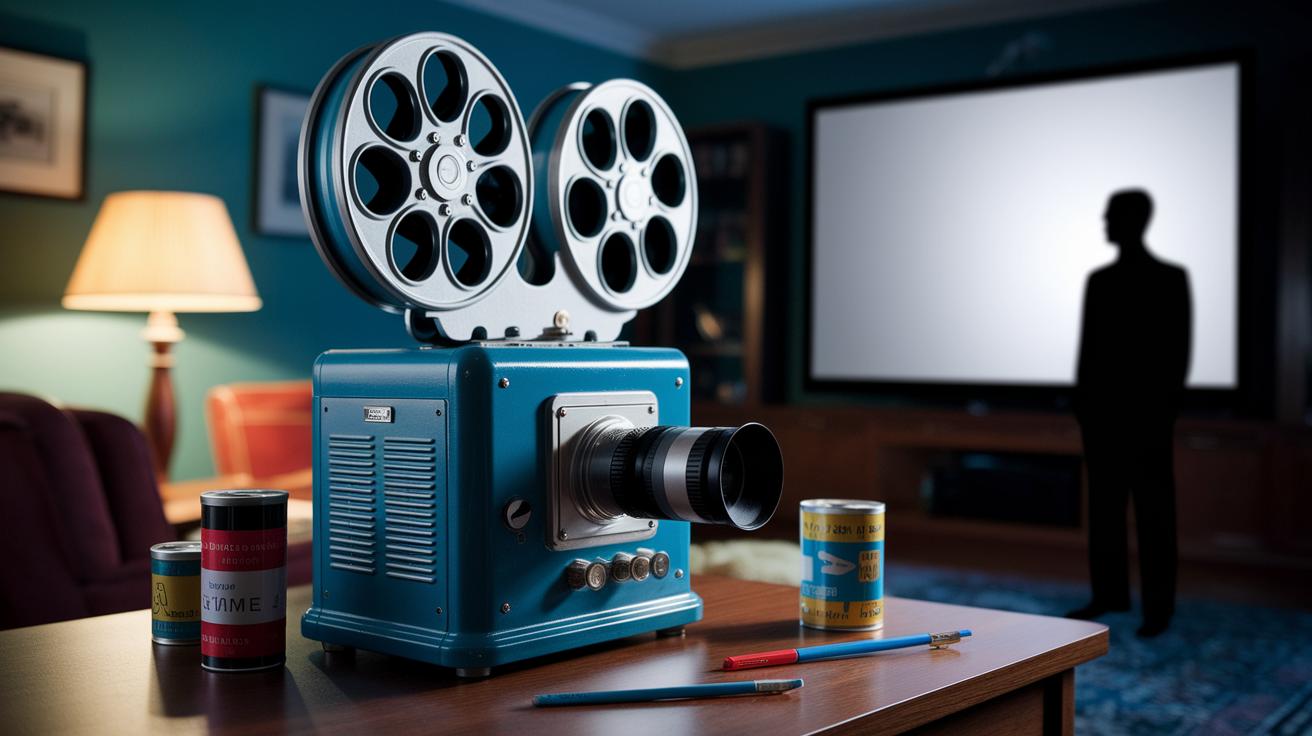
Ken Films was key in the '60s and '70s for licensing important films on 8mm and Super8. This work not only helped define the era but also gave collectors a real piece of film history. Big monster movies became cultural icons and were made with set runtime rules. Collectors got a brief 3-4 minute view from 50-foot reels and nearly 14 minutes of classic fun from 200-foot reels.
Check out the table below for a quick look at films that defined retro reel production:
| Film Title | Release Year | Reel Numbers | Reel Length |
|---|---|---|---|
| Rodan The Flying Monster | 1964–65 | #229 / #529 | 200-foot / 50-foot |
| Godzilla vs. The Thing | 1973 | #262 / #562 | 200-foot / 50-foot |
| Varan the Unbelievable | 1965 | #236 / #536 | 200-foot / 50-foot |
| Destroy All Monsters | 1975 | N/A | 200-foot |
These films show off the tech breakthroughs of the time along with the evolving art of film reel production. Every title marks a moment when old-school technology and creative passion came together to leave a lasting mark on film preservation and collecting.
– Alex Reynolds , Film Critic. Loves sharing classic film stories with a personal touch.
Core Manufacturing Processes of Retro Film Reels
Before digital tools, making film was a careful art. Workers started with raw film stock that they trimmed by hand to the right size, checking each piece for flaws. Next, the film was dipped in a chemical bath to develop its light-sensitive coating (emulsion). This process, like following a trusted recipe, set up the film’s final look. The baths were kept under strict control to give every reel a steady, uniform appearance.
Once the images were set, the focus moved to the reel itself. The spool was designed to keep the film at just the right tension so it wouldn’t tear during playback. Whether wound by hand or with a small motorized device, getting this right was key to the reel’s strength and smooth performance. Finally, the reels were clearly labeled and wound into standard 50-foot or 200-foot formats, meeting exact timing needs.
Quality control then ensured that playback was smooth and that the film could stand up to wear. This whole process blended careful chemical work with smart mechanical design.
- Film stock inspection and trimming
- Emulsion development in chemical baths
- Spooling with precise tension regulation
- Labeling and winding 50-ft/200-ft reels
- Final quality control tests
Essential Equipment and Mechanical Design in Retro Film Reel Production
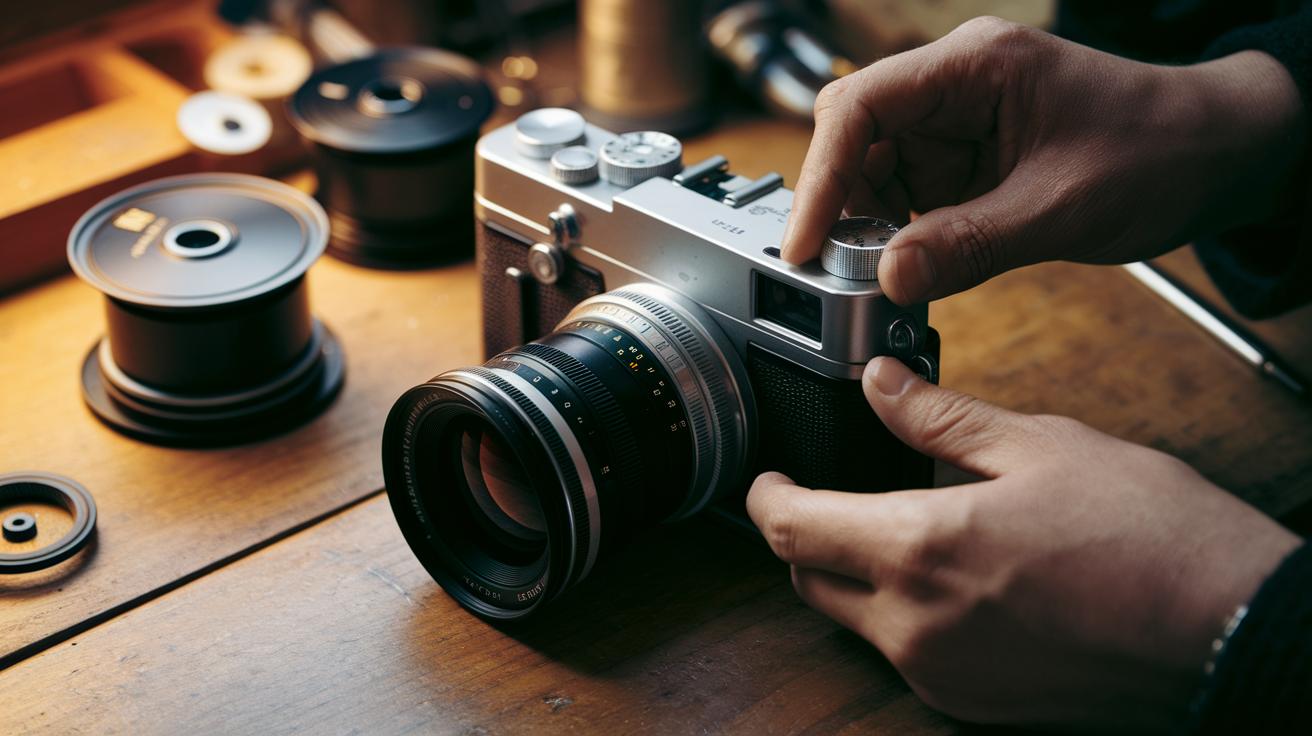
Retro film production mixed art with solid engineering. Old hand-crank systems gave reels a warm, natural feel, while later motorized systems delivered a steady, smooth motion that worked like a tireless hand-crank. Each frame moved with perfect timing.
Legacy cameras featured mechanical shutters and handcrafted lenses that caught fleeting moments brilliantly. Even today, these devices can capture details that rival modern equipment when the light is focused just right.
Tension control was key. Special spool designs kept the film moving steadily and aligned, which lowered the risk of damage and brought out clear, stable images.
The smart blending of mechanical design and shutter precision defined how films were made. Every part, from the hand-crank reels to the shutter cameras, helped preserve the look of each frame. It’s a good reminder that simple, well-made design is something even modern systems try to copy.
Innovations in Retro Film Reel Techniques
Early film production changed a lot when motorized reel controls entered the scene. These new systems kept the film moving evenly and cut down on wear and tear. Filmmakers no longer had to rely on slow, manual winding. This mix of old charm and modern ease made film work more reliable.
Experts shared their knowledge in online guides like "Reel Mechanics Explained." These guides broke down how to design spools and keep the tension just right. They connected old manual methods with new mechanical techniques so that both professionals and fans could try automated adjustments.
Before digital tools took over, soundtracks were printed along the edge of the film. This process demanded careful, hands-on work to line up the sound with the picture. It was a slow task that showed how much care went into balancing technical precision with artistic vision.
These early improvements paved the way for today's blend of analog and digital systems. They continue to inspire both filmmakers and restorers who value the magic of classic techniques combined with modern technology.
Restoration and Preservation in Retro Film Reel Production

Even though most films are now digitized, original film reels still get special care to keep their unique look. Experts clean them with gentle chemical baths, fix tiny perforation problems, and stabilize the film base to fight issues like vinegar syndrome (a type of film decay). This careful work helps preserve physical copies and keeps the art of classic filmmaking alive for screenings and digitization.
Labs and film conservators follow clear, step-by-step procedures to protect these treasures. They use controlled spaces with the right temperature and humidity to guard these delicate materials. Specialists begin with soft chemical cleaning that removes decay without harming the film’s emulsion. Many workshops even follow detailed guides to ensure every cleaning and repair step is done right. They also fix the film’s perforations so it runs smoothly through projectors. By combining gentle chemical and precise mechanical work, old film reels get a new life and remind us that physical film still matters in today’s digital world.
Retro Film Reel Production vs. Modern Digital Formats
Digital formats are now the main way movies are shared, but old film reels still hold a special place for keeping memories safe and for creative projects. Archivists and filmmakers appreciate that physical film captures every detail. Even when digitized, some of the film’s clear, fine grain can be lost. Skilled handling of film reels helps preserve its original look and feel. During digitization, careful adjustments cut down on unwanted marks and keep the film’s natural grain and range of light.
Digital methods are fast and easy, but taking care of retro reels needs a hands-on approach. Techniques like controlling tension and managing the film spool from the analog era still guide modern preservation. This careful process, much like keeping an old machine in top shape, reduces wear and misalignment while giving transferred images a natural warmth. Clearly, those old methods inspire today’s digital practices by showing how attention to detail keeps the film’s true essence.
Experts see a blend of both worlds as a clear win. As discussed in the review on film versus digital movies, knowing the old way can raise the quality of modern archival projects and help classic film images live on for future generations.
Final Words
in the action, we reviewed the evolution of film reels, starting with the early analog procedures and moving through key manufacturing steps. We looked at how form and function combined in reel engineering and witnessed the careful work behind each stage in retro film reel production. This overview brings together historic formats, production milestones, and methods that still influence film preservation today.
Enjoy your deep dive into retro film reel production, and keep uncovering the pleasures of classic cinema.
FAQ
Are old film reels worth anything?
The inquiry about old film reels being worth anything means their value can vary. Collectors and historians often prize them for rarity and condition, so items in good shape and with notable provenance may have appreciable worth.
How to get the retro film look?
The question on how to get the retro film look signifies using vintage cameras, proper film stocks, and manual processing techniques. These elements combine to create natural grain, color tones, and an authentic analog aesthetic.
Can 35mm film be developed after 20 years?
The point about developing 35mm film after 20 years highlights that proper storage is crucial. If kept cool and dry, old film still can be processed, although overall quality might decline due to natural aging.
Is ISO 200 or 400 film better?
The query regarding whether ISO 200 or 400 film is better indicates that each film speed serves different conditions. ISO 200 provides finer grain in bright light, while ISO 400 offers flexibility for low-light shooting with a trade-off in grain detail.