
Have you ever noticed how a simple camera angle can change the mood of an entire film? Cinematography might sound technical, but it's really about feelings and hidden storytelling. By watching how a scene is lit or how the camera moves, you uncover little details that add emotion. This blend of technical choices and personal insight gives film reviews a fresh energy and connects directors with viewers. Every shot becomes a tiny story waiting to be told.
Foundations of Cinematography Analysis for Film Critiques
When you study a film’s visuals, you look at every single detail in the frame. Critics check out how a scene is set up, how the camera moves, and how the lights are used. For example, one might say, "The lens caught every raindrop, as if nature was quietly revealing its secrets." This shows how careful attention to little details can bring the director’s vision to life.
A good review mixes clear facts with personal feelings. Sure, technical elements like dolly shots, jump cuts, or even the careful arrangement of details (mise-en-scène means how things are arranged in a shot) are key. But it’s the reviewer's own view that helps us feel the full impact of these choices on the movie.
The way the camera is set up and the lighting is used do a lot more than just create a mood. They guide where you look and shape how you feel about the scene. Is the scene dark and shadowy to add mystery, or bright and clear to lift your spirits? These choices make a real difference in telling the film’s story.
Looking at cinematography means spotting specific visual clues and explaining their importance. This approach connects filmmakers with audiences by showing how every technical choice makes the story more engaging.
Reviewing Camera Work and Movement Techniques

Camera work is a key part of visual storytelling. Films use different moving shots to guide our experience. For instance, techniques like dolly and tracking shots smoothly follow a character. In contrast, handheld shots add a raw, realistic feel. Imagine a camera gliding along a hallway as someone walks; its steady motion can hint at a calm inner state.
Different types of shots bring unique moods. Close-ups capture intense emotions, wide shots reveal the setting, and over-the-shoulder views create an intimate feel during conversations. Dynamic angles like low-angle views and Dutch tilts (a tilted shot that creates tension) make characters seem either powerful or off-balance. Sometimes a high-angle shot makes a character look vulnerable.
Camera movement also plays well with editing. Quick jump cuts feel abrupt, while long, continuous takes let the scene breathe. It’s important for a critic to note whether the camera work adds to the story or distracts from it.
Lastly, the way movement and framing come together gives clues about the film’s focus. Early innovators often used continuous takes to shape their storytelling. Paying close attention to these choices can reveal deeper emotional and narrative layers in every scene.
Critiquing Lighting Design and Color Grading
Lighting and color shape a film’s mood. High-key lighting floods a scene with brightness to keep the look open and inviting. Low-key lighting, on the other hand, uses deep shadows and high contrast to pull focus and build mystery. Think of a scene lit so softly that everyday moments feel magical.
Color grading also drives our feelings. Warm tones can wrap you in comfort or nostalgia, while cooler, less saturated colors might make you feel isolated or tense. It’s important for critics to see if the film balances light and dark so your eyes naturally follow the action, like a subtle glow on a character’s face that hints at hidden feelings.
Shadows add another layer to the story. When used well, they separate characters from their surroundings and suggest unspoken drama. In short, lighting and color should work as a team, making every scene a thoughtful part of the film’s emotional pulse.
Analyzing Composition and Framing Strategies
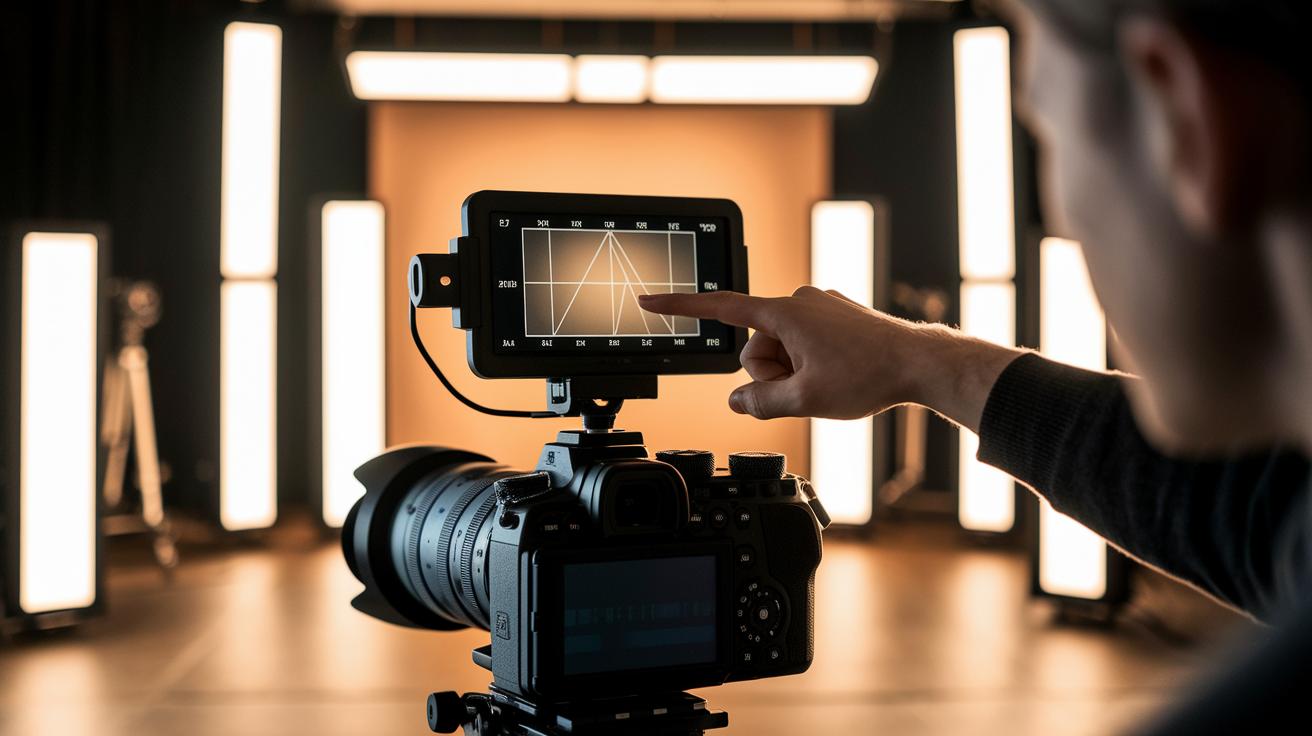
Good cinematography starts by checking how a scene is arranged. Critics look at simple rules like the rule of thirds, the golden ratio (a way to organize visual weight), and leading lines to draw your eye to important details. These techniques help place subjects in a frame so every shot feels intentional. Symmetry gives a calm, balanced look, while using imbalance can add energy and tension.
A good framing review also looks at how the foreground, middle ground, and background work together. When these layers are well organized, it adds depth and lets your eyes move naturally from one detail to the next. The choice of aspect ratio, such as 2.39:1 for broad, sweeping scenes or 1.85:1 for closer attention to details, changes the feel of a scene.
By breaking down these visual choices, reviewers can explain how the layout of a shot supports the story and shapes the mood of the film. This kind of analysis shows how clear design choices help tell the story and connect with the audience.
Linking Cinematography to Visual Storytelling
Films use different camera tricks to tell their stories. For example, film A relies on a smooth, unbroken tracking shot to show a character's softer side, while film B uses quick, choppy cuts to signal inner unrest. One critic mentioned that a long, continuous take can reveal a character's vulnerability, and rapid cuts can mirror their inner chaos.
A fun fact: one famous cinematographer began his career with handheld cameras on low-budget films. That early work completely transformed his style.
A veteran director of photography also shared that technical choices go beyond just visuals; they gently guide how we feel. His insight reminds us that a film's pace and mood are built on thoughtful decisions.
| Film | Technique |
|---|---|
| Film A | Continuous tracking shot |
| Film B | Rapid, disjointed cuts |
Critics find that comparing these styles helps highlight how careful camera work can boost a film's visual storytelling.
Structured Frameworks and Critique Examples

A film review cheat sheet acts as your handy guide to writing balanced critiques. It splits the review into parts like camera work, editing, sound design, and effects. One practical list covers camera, lighting, composition, movement, color, and editing flow. These parts help spot where a film does well and where it misses the mark, turning personal views into clear points.
Real examples show how this works. For instance, the video essay "Constructive Editing in Pickpocket" breaks down shots and shows how careful editing keeps the story flowing. Watching a scene like this reveals how each part adds to the overall narrative. A long, smooth take can boost emotion, while a quick jump cut might add a sense of urgency.
A clear framework might include these steps:
- Look at the camera setup to see how clear and focused each shot is.
- Check the lighting to understand how it shapes the mood.
- Study the composition and framing to see if the visuals guide the story.
- Note how the camera moves and how it matches the editing beat.
- Review the use of color and the editing flow for a steady pace.
Using a detailed visual framework turns vague praise into specific observations. It makes a film's technical and creative choices easier to understand. Breaking down these details can spark new insights and lively discussions. For more examples, check out film verdict case studies: analyzing iconic film reviews (https://reviewstrends.com?p=1236).
Tips for Articulating Cinematography Insights in Reviews
Begin your review with a clear, attention-grabbing observation. For example, you might write, "The long tracking shot captures subtle emotions that hint at the character's internal struggle." Use specific terms like "long tracking shot" or "chiaroscuro lighting (lighting that creates a stark contrast from light to dark)" to anchor your point in clear, observable details.
Mix technical words with plain language. When you mention techniques like dolly shots or jump cuts (quick scene transitions), explain in simple terms how they set the tone of the scene. For instance, describe a moment where soft lighting emphasizes the main character’s determination.
Organize your thoughts by stating your observation first, then backing it up with clear examples from the film. If a scene uses low-angle shots to boost a character's presence, explain how that visual choice deepens our understanding of their role.
Balance the technical side with your personal view. This way, your critique becomes both informative and engaging, showing how the visuals help tell the story.
Final Words
In the action, this guide covers the core elements of film critique, from breaking down a shot's framing and camera work to examining lighting and color grading. It shows how to link technical insights with a film's visual storytelling. Each section serves as a toolkit for your reviews, providing clear steps and templates. Apply these methods when evaluating cinematography in film critique to craft thoughtful, trustworthy assessments. Enjoy discovering new details in every scene and making each viewing experience even more rewarding.
FAQ
What does evaluating cinematography in film critique involve?
The evaluation of cinematography in film critiques involves analyzing camera work, lighting, composition, and movement techniques to show how visuals support narrative and set the film’s tone.
What examples exist for evaluating cinematography in film critique essays and PDFs?
The examples in film critique essays and PDFs usually highlight structured frameworks that detail shot breakdowns, camera movements, and lighting setups to support a clear, objective review.
How does film analysis help in understanding cinematography?
Film analysis helps in understanding cinematography by providing practical cases that show how shot composition and technical choices like dolly shots, framing, and color grading enhance visual storytelling.
What is the movie analysis format for evaluating cinematography?
The movie analysis format involves using a checklist that covers camera work, lighting design, composition, and movement synchronization with editing to offer a concise yet thorough critique.
How does narrative film analysis incorporate cinematography evaluation?
Narrative film analysis incorporates cinematography evaluation by linking visual elements to the story’s themes, showing how camera angles, lighting, and framing contribute to character development and overall narrative impact.