
Ever wondered how your favorite shows made it to streaming? There was a time when watching a movie meant dealing with slow, clunky connections and long waits. Then Netflix made a bold move that sparked the shift to on-demand viewing and original shows that redefined entertainment. Today, streaming originals build on those early steps with a strong drive to deliver fresh and creative content. This change has reshaped our viewing habits and promises even more inventive programming ahead.
Historical Overview of Streaming Originals
In the early days, downloading a video could take up to 28 hours on a dial-up connection. Streaming was slow, and on-demand networks were nearly unknown. In the 1990s, creative minds began testing online streaming, and things slowly started to change.
Then, in 2007, Netflix switched from renting DVDs to streaming movies and shows. This move created one of the first big on-demand networks, changing how people watched their favorite content. Early platforms used computer-generated suggestions and rented shows to grow their user base. This approach paved the way for a future filled with original and exclusive programs.
As technology improved, streaming got a lot better. After 2010, a new method called HTTP-based delivery replaced older systems, making viewing much smoother. Leaders like Netflix and Amazon Prime even started making their own shows, shifting from only sharing content to creating new series.
For more details, check out "What Are Streaming Originals" at ReviewStrends.com. Each development on this timeline not only made videos easier to watch but also changed the industry, opening up a whole world of original programming that now defines digital entertainment.
Milestones in Streaming Originals Production
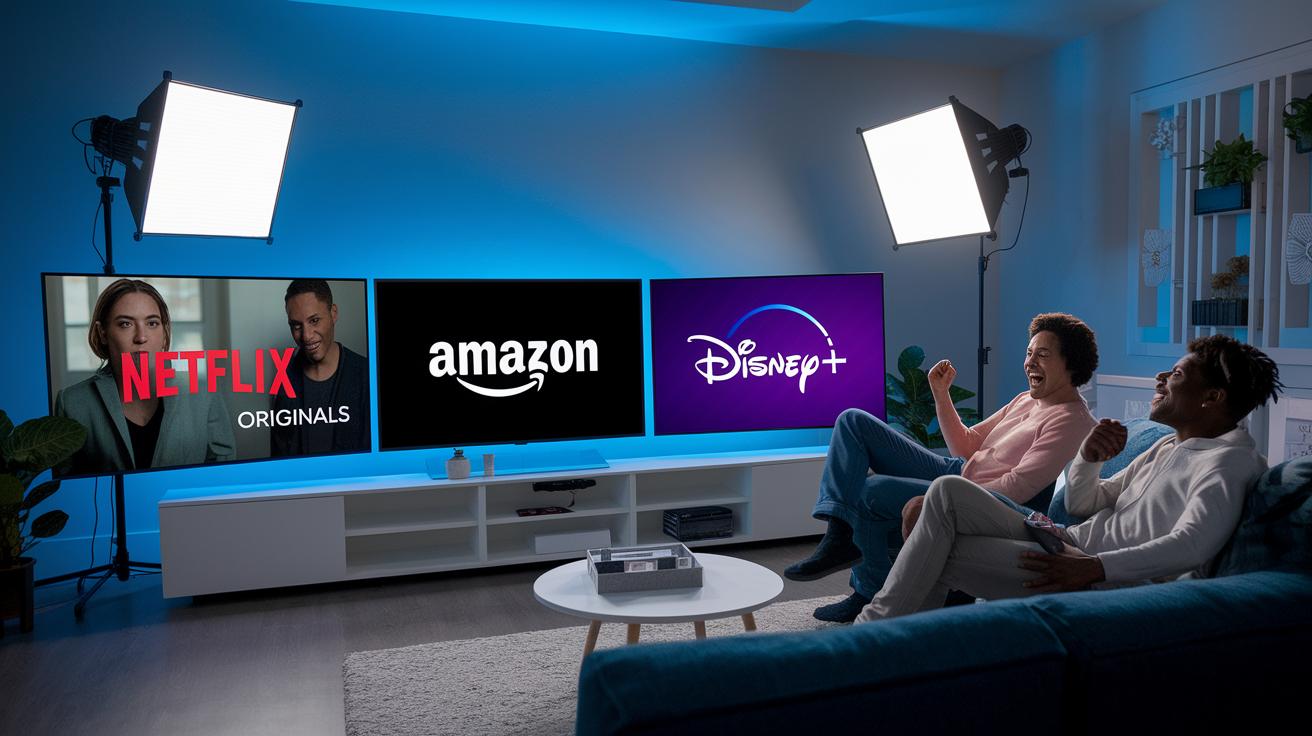
Streaming originals completely changed digital entertainment. Netflix kicked things off by popularizing binge-watching with exclusive shows that reshaped how we view content. Amazon Prime Video mixed original series with a huge movie library to reach diverse viewers. Hulu switched gears from next-day TV episodes to crafting its own shows. Disney+ made a big splash with family-friendly originals built around famous franchises that captured audiences worldwide. Each step set a new benchmark for digital content, paving the way for the vast world of streaming originals.
| Platform | Original Strategy | Example Titles |
|---|---|---|
| Netflix | Binge-watching and exclusive shows | House of Cards, Stranger Things |
| Amazon Prime Video | Originals paired with a vast movie library | The Marvelous Mrs. Maisel, Transparent |
| Hulu | Original shows replacing next-day TV | The Handmaid’s Tale, Castle Rock |
| Disney+ | Family-friendly originals from big franchises | The Mandalorian, High School Musical: The Musical |
These breakthroughs highlight a clear shift in digital programming. Original shows are now the backbone of streaming services, drawing new subscribers and sparking fresh storytelling ideas. Today, producers build on these early wins, pushing creative limits and setting trends that continue to shape the future of content.
Transformation of Production and Distribution for Streaming Originals

Streaming platforms no longer depend on licensed shows. They now build their own content in-house and form co-production deals. In the past, TV shows aired at set times like traditional TV. Today, you can watch a series whenever you want on subscription-based, on-demand libraries. Decisions get made using real-time data from viewers, much like a filmmaker using test screenings to plan a sequel. A producer once said, "We shaped our next series based entirely on real-time feedback from our users."
Budgeting for these originals has also changed. In the past, networks stuck with fixed episode counts and slow global rollouts. Now, project budgets vary widely from small shows to huge exclusives. Tools like global content delivery networks (CDNs) and cloud-based systems ensure faster, more efficient streaming. Digital rights management (DRM) tools and multi-CDN setups help protect content while keeping it easy to access.
Studios now mix in-house work with outside partnerships to produce shows. This change means schedules are more flexible and can target different regions better. New technology supports staggered international premieres, letting audiences around the world enjoy new series at the same time. These shifts have turned old production ways into agile, data-driven methods that match modern viewers’ demands, giving streaming originals a bright future.
Technological Advances Shaping Streaming Originals
Streaming has come a long way. In the early days, systems used simple methods that meant long buffering times and jerky playback. Remember the Flash/RTMP era? It let videos play, but every stream felt like a rough test run.
Then HTTP-adaptive streaming changed the game by adjusting quality on the fly. This meant sharper images and smoother playback even if your internet wasn’t perfect. More recently, low-latency protocols have cut delay times, making streams almost live and interactive.
- Flash/RTMP era (2001–2010)
- HTTP-adaptive bitrate era (2011–2019)
- Low-latency and CMAF/SRT era (2020–2022)
Today’s platforms use strong APIs, cloud analytics, and global content networks to deliver high-quality, smooth streams everywhere. This steady tech evolution not only improves what we watch but also opens up exciting opportunities for more interactive and immersive original shows.
Market Dynamics and Audience Trends in Streaming Originals

Streaming platforms have changed the way we enjoy our favorite shows by using smart suggestions and binge-watching options. These methods have driven viewers to dive deep into series, encouraging platforms to create more original content. Big names like Netflix, Prime Video, Hulu, and Disney+ refresh their line-ups often to keep things both familiar and exciting.
With so much content now available, companies must work harder to stand out. What worked before, personalized tweaks that made each viewing experience feel special, now faces a crowded market where every new show competes for attention. Traditional licensing deals have taken a step back as in-house productions become the new focus, raising the stakes for every series made.
The COVID-19 lockdowns pushed subscriber numbers up and increased budgets, kicking off a boom in original programming. As viewers turned to streaming for comfort and connection, platforms not only poured money into exclusive shows but also rolled out bundled offers and premium extras.
- Revenue pressures have sparked innovative pricing tests.
- Intense competition drives a focus on data-driven content strategies.
- The ongoing rivalry between platforms keeps libraries fresh with quick updates.
For more details, check out Impact of Streaming Originals on the Film Industry (https://reviewstrends.com?p=386).
Global Reach and Cultural Impact of Streaming Originals
Streaming originals have broken down local barriers and brought a mix of stories from all over the world. Services like Netflix have spread shows like Money Heist far beyond Spain. This change lets viewers discover unique tales from different cultures, turning local stories into a shared global experience.
These platforms now invest a lot in making content that fits local cultures while still having a universal appeal. This approach not only opens up a richer mix of ideas but also widens the range of stories we can enjoy. With faster delivery through modern cloud networks, fans get to watch new shows at the same time, no matter where they live.
Today, streaming services are reshaping our entertainment world. They connect viewers everywhere by letting us explore a vibrant mix of traditions and creative visions. This new era of digital media is all about sharing diverse voices, making our global viewing experience more connected and exciting.
, Jane Doe, Staff Critic. Loves storytelling that brings cultures together.
Future Trends in Streaming Originals

Streaming companies are changing how they deliver and create their original series. They are using smart AI systems that learn from your viewing habits to suggest shows that feel personal. Some services are even trying interactive storytelling, where you can affect the direction of the plot.
New release plans mix scheduled drops with worldwide simultaneous premieres. This method builds excitement and works well with different time zones. Additionally, bundle partnerships may include extras like behind-the-scenes clips or event access to add more value.
Direct-to-fan revenue is also a rising focus. Streaming platforms are exploring extra subscriptions, pay-per-view options, and special content tiers that attract niche audiences. While debates continue over AI-made content, companies are balancing new tech with the need for real storytelling. Soon, live interactive events may challenge the usual ad and subscription methods.
The path for streaming originals points to deeper personalization and stories that go on beyond the screen. These new production techniques promise more engaging and immersive viewing experiences.
Final Words
In the action, we traced streaming originals from early on-demand steps to today’s tech-driven productions.
We saw major milestones, shifting production methods, and a complete makeover of how shows reach viewers.
We uncovered market dynamics, global impact, and hints of bold future trends.
This evolution of streaming originals shows exciting growth ahead, making it a smart time to explore new favorites. Enjoy the fast-paced change and keep an eye out for emerging gems.
FAQ
What does the evolution of streaming originals on Wikipedia describe?
The evolution of streaming originals details how platforms shifted from licensed content to producing in-house series, driven by tech advances and changing viewer habits.
How did streaming originals episodes evolve?
The evolution of streaming originals episodes shows a move from standalone licensed content to carefully crafted series, with each episode designed to support binge-watching and enhanced viewer engagement.
What is the history of streaming services?
The history of streaming services spans from slow dial-up downloads in the 1990s to modern HTTP-based adaptive streaming, reflecting rapid tech improvements and evolving content consumption.
What was the first streaming platform and was Netflix the first streaming service?
Early streaming platforms used basic dial-up technologies before Netflix, which, although not the first, redefined on-demand viewing when it launched streaming in 2007.
When did streaming services become popular?
Streaming services gained popularity after Netflix’s 2007 streaming debut, with widespread adoption accelerating as internet speeds improved and adaptive streaming technology advanced in the 2010s.
What was the first streaming service like Netflix and which was the first for movies?
Initial streaming services for movies used slower, basic protocols and limited libraries, unlike Netflix, which set itself apart with a large catalog and data-driven user experience.