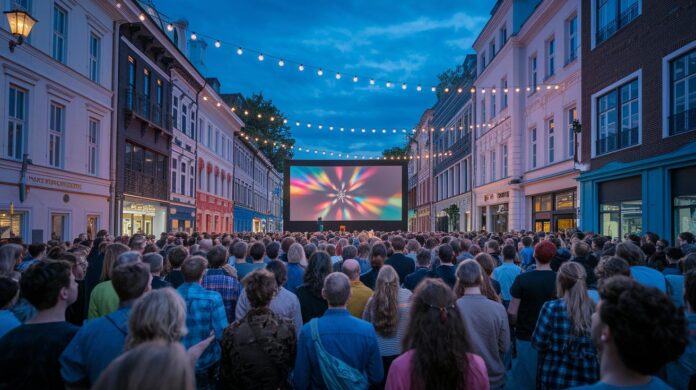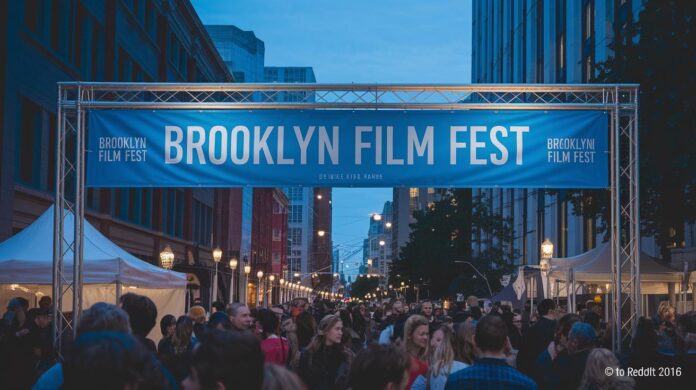

Ever wonder how one film festival can flip a struggling project into the next big hit? Festivals give filmmakers a real shot at success by mixing creative work with industry insiders. They offer live feedback, networking chances, and moments when films catch the eye of producers and critics. This post shows how these events ramp up exposure and build the key connections that launch film careers.
How Film Festivals Launch Movie Careers: Key Advantages

Film festivals are a great launching pad for new filmmakers. They let fresh talent show their work to a mix of industry insiders like producers, distributors, critics, agents, and journalists. These events create a lively scene where creative projects quickly grab attention and earn the right connections.
Screenings at festivals and the buzz from the press help films stand out. When a film is chosen for an official slot or wins an award, the media takes notice. This added exposure tells people that the film is both of high quality and has strong market appeal. For example, one quiet screening featured a film with a bold story that left everyone talking.
Awards and positive reactions from live audiences lift a filmmaker’s profile even higher. Winning a prize or receiving hearty applause shows that the film has real impact. This kind of immediate feedback can attract investors and new collaborators. It also helps filmmakers fine-tune their work and builds momentum for a lasting career in cinema.
Film Festivals Networking and Industry Connections

Film festivals offer a bunch of networking events that can boost your career. At these events, you might find yourself chatting with directors, actors, and screenwriters during VIP receptions, brunch meet-ups, and pitch sessions. Imagine sitting down for a relaxed brunch where a friendly chat turns into an exciting pitch. You can almost hear the low hum of excitement when an agent shows interest in a filmmaker's idea. These mixers and red carpet events create a warm space for professionals to swap ideas, share experiences, and start talks about co-productions and distribution deals.
In addition to these social events, festivals also set up ways for creatives to meet talent scouts and seasoned mentors. Market screenings and panel talks let you connect directly with established professionals who give simple, useful advice. These well-planned forums help filmmakers bounce ideas around, refine their stories, and team up with others. With honest guidance from experienced peers and chances to show off new work, festivals serve as a launching pad for filmmakers looking to widen their networks and move their careers forward.
Film Festivals Case Studies: Careers Launched

Film festivals have played a key role in getting filmmakers noticed. These events give bold directors a chance to show their work to important people who can change their careers.
- Quentin Tarantino, Reservoir Dogs, Sundance (1992). His daring debut caught critics' eyes and paved the way for a celebrated indie career.
- Steven Soderbergh, Sex, Lies, and Videotape, Cannes (1989). The film’s success at Cannes opened many doors for his varied and prolific journey in filmmaking.
- Damien Chazelle, Whiplash, Sundance (2014). This intense music drama highlighted his passion and skill, earning him the spotlight that led to mainstream success.
- Greta Gerwig, Premiering at Telluride and Toronto (Various Years). Gaining exposure at these top festivals set her on the path to becoming a standout storyteller.
These examples show that film festivals do more than screen movies, they act as launchpads. A film honored at a respected festival sparks buzz, attracts industry leaders, and helps a filmmaker secure a spot in the competitive world of cinema.
Film Festivals and Distribution Access
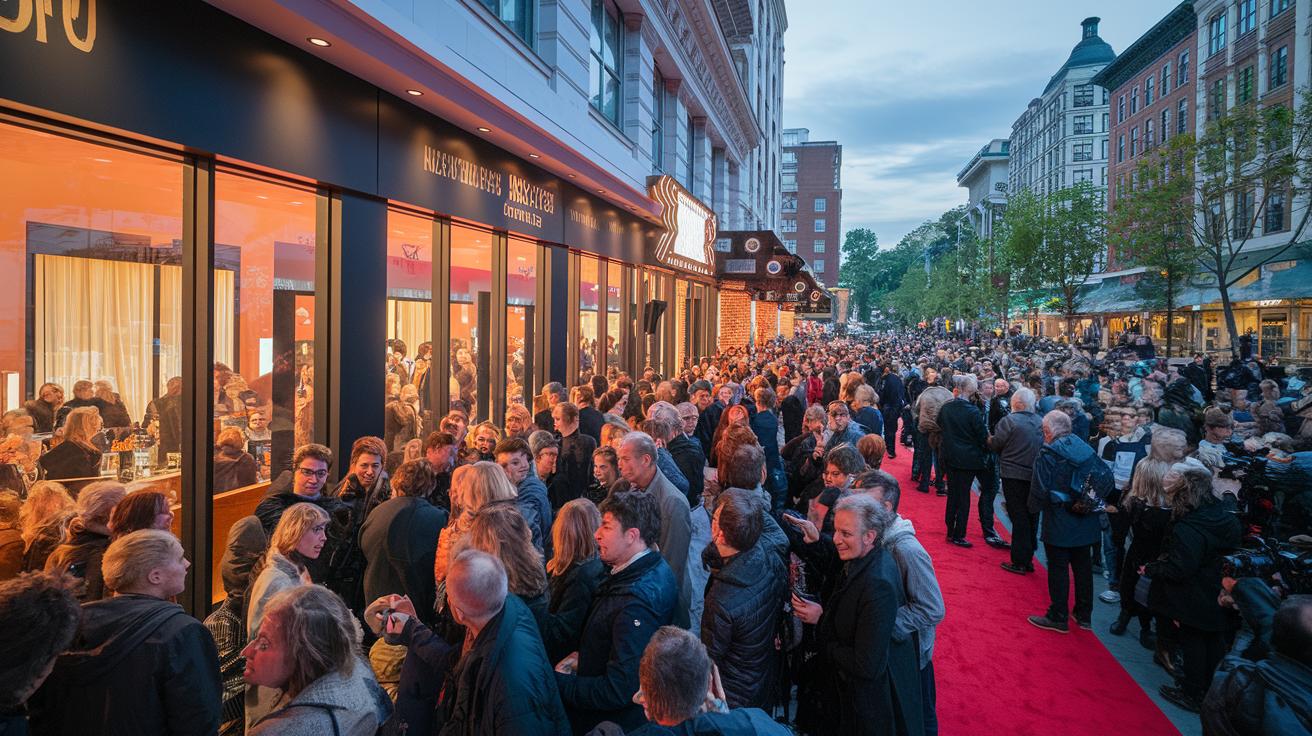
Film festivals are special events where filmmakers show their work to industry pros. These events let distributors and sales agents scout for films that can do well in theaters or on streaming sites. Organized screenings, pitch sessions, and one-on-one meetings give filmmakers a chance to meet decision makers face-to-face. The lively atmosphere helps agents see a film's potential through real reactions and current trends.
Positive media buzz and strong audience responses add extra appeal. Good reviews and excited crowds spark press coverage that shows the film is ready for a bigger launch. This focused attention tells distributors that the film has both artistic promise and a real chance to succeed later on.
Film Festivals as Funding and Partnership Gateways
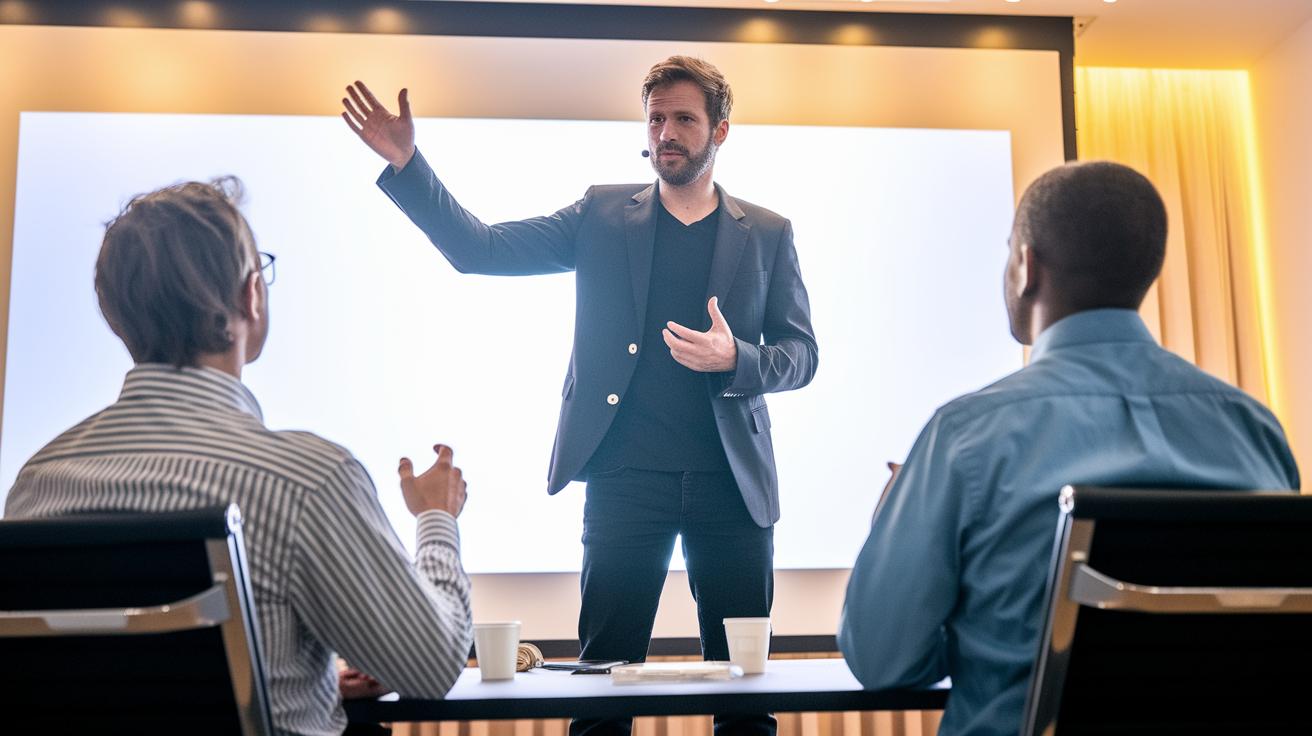
Film festivals are more than just a showcase for movies; they are key places for filmmakers to secure funding and find partners. At these events, you often see investor panels, pitching sessions, and project incubators where filmmakers can share their ideas directly with potential backers. Picture a room where a filmmaker confidently says, "Imagine a gritty, real-world narrative that breaks new ground" and instantly grabs the interest of investors ready to fund the next phase of their project.
Festivals also set the stage for long-lasting production partnerships. Networking events and planning sessions allow filmmakers to connect with experienced producers and distributors. These chats can turn the festival buzz into real, sustainable collaborations for future projects. This simple mix of planned meetings and spontaneous creative exchanges is key to building strong, enduring industry relationships.
Film Festivals Educational Panels and Workshops
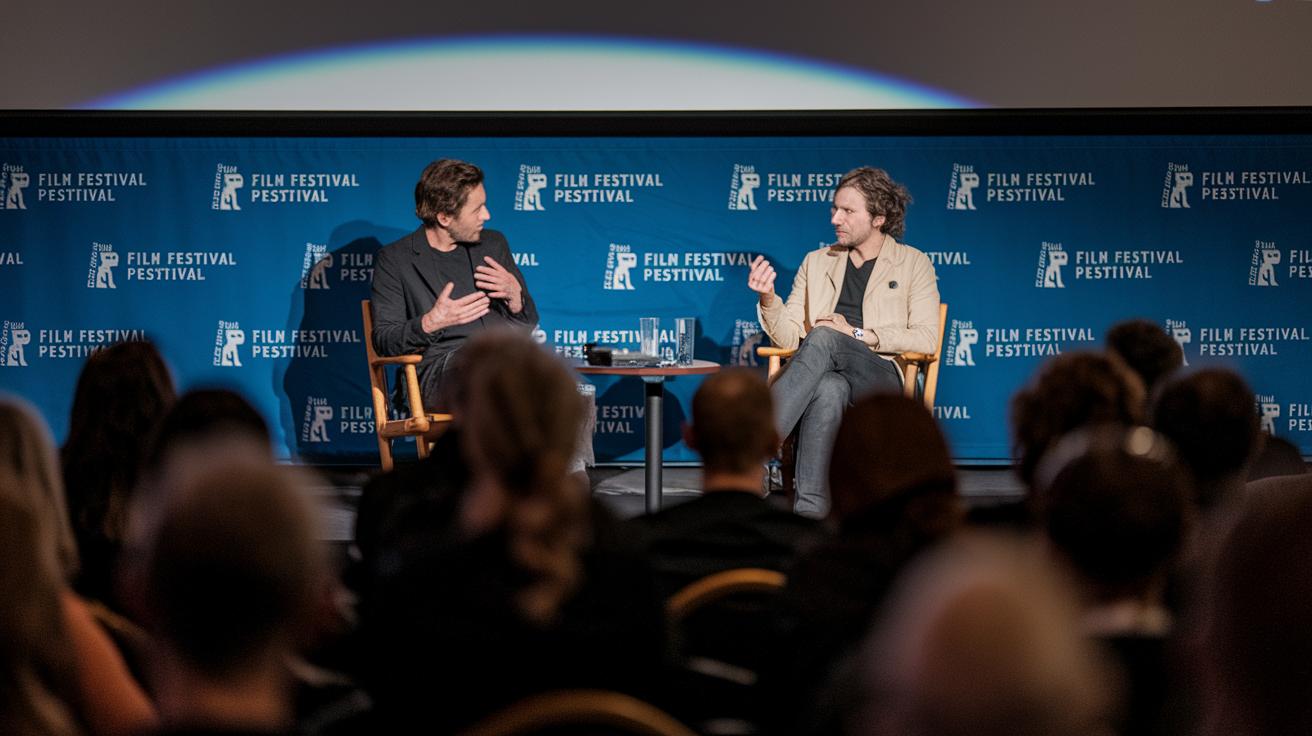
Film festivals host many learning sessions that help filmmakers sharpen their skills and build creative confidence. These educational panels and workshops mix hands-on training with real industry advice, giving new talent the tools to turn their ideas into finished projects. Sometimes a session even kicks off with an unexpected tip like, "Every frame can tell a deeper story if you know how to light it right."
Panel Discussions
Panel discussions bring together experienced filmmakers who share insights on new trends and answer audience questions. They break down ideas using simple, everyday examples. For instance, they explain effective framing (how a scene is composed) and sound editing in ways that anyone can grasp.
Masterclasses
Masterclasses are in-depth workshops run by film pros. They dive into both technical and creative skills like cinematography (camera work) and sound design. Participants get hands-on practice, turning theory into real techniques. One instructor might emphasize, "An edit is more than cutting, it's about rhythm."
Mentorship Programs
Mentorship programs link up-and-coming filmmakers with seasoned industry professionals for one-on-one feedback. These sessions focus on personal projects and creative growth, helping filmmakers fine-tune their storytelling and overall craft.
Industry Guidance Sessions
Industry guidance sessions offer practical advice through career coaching and script feedback clinics. Interactive panels provide clear insights on building a strong narrative and navigating the film market, laying a solid foundation for a filmmaker’s future success.
Film Festivals Strategies for Emerging Filmmakers

Before you head to a festival, make sure you choose events that match your film's style. Do some homework and look for festivals that celebrate films like yours. Then, put together a submission package that speaks straight to that crowd. Include a clear film summary, a brief director’s note, and a few standout stills that capture your film’s look. This focused plan helps get your film in front of the right eyes and sets you apart from the competition.
When you hit the festival, focus on real connections. Map out your schedule to join key events like VIP receptions, private screenings, and red-carpet moments. Get a few short pitches ready that explain your film’s story and what makes it unique. Use social media to share live updates and build excitement. These genuine interactions with industry professionals and fellow film lovers can boost your profile and open new doors.
| Strategy | Action Steps |
|---|---|
| Targeted Submissions | Research festivals that match your film genre and submit personalized packages. |
| Specialized Press Kits | Prepare a press kit with a strong synopsis, director statement, and standout stills. |
| Networking Events | Schedule meet-ups at VIP receptions, screenings, and media gatherings. |
| Social Media Hype Plans | Coordinate pre-event teasers and live updates to build festival buzz. |
| Post-Festival Follow-Up | Engage with contacts via emails and social channels to maintain momentum. |
Final Words
In the action, the article breaks down key advantages film festivals offer. It shows how these events spark creative visibility and strengthen industry connections for emerging talent. Each section highlights aspects from networking mixers and reception events to real case studies of careers launched through festival exposure.
The post wraps up by showing how film festivals launch movie careers through practical experiences that boost confidence, open doors to distribution, and kindle fresh opportunities. Enjoy watching and finding your next film gem.
FAQ
How are movies selected for film festivals?
How movies are selected for film festivals involves reviewing submissions based on artistic merit, production quality, and storytelling. Festival programmers assess each film’s uniqueness and impact before choosing which ones make the cut.
How do you get your movie in a film festival?
How you get your movie in a film festival centers on submitting through official channels. Filmmakers typically provide a detailed package, including a synopsis, director’s statement, and production stills to catch programmers’ attention.
What role does film festival participation play in the business of filmmaking?
How film festival participation plays a role in the filmmaking business is by offering exposure and networking opportunities. Festivals help filmmakers build credibility, secure reviews, and pave the way for distribution or funding deals.
Do film festivals pay for films?
How film festivals handle payments for films is that most festivals do not pay filmmakers directly. Instead, filmmakers benefit from increased visibility, industry connections, and opportunities for future financial deals.