
Ever wonder how old film reels captured our imaginations? They aren’t mere relics but hold the magic of a lost era in every frame. In this piece we explore classic formats like 16 mm, 8 mm, and Super 8. These reels not only preserved movies but also spun a story with every turn. We break down what made their build so durable and explain why their timeless charm still sparks our love for vintage cinema in today’s digital world.
How Classic Retro Film Reels Define Vintage Cinematic Inspection
Classic retro film reels let us touch a piece of the past. Formats like 16 mm, 8 mm, and Super 8 use round metal reels that once brought movies into homes and theaters. Each frame reveals its own tiny story and brings back the familiar sound of film crackling as it runs through a projector. It feels like the reel whispers, "Every frame has a story," when the projector starts to hum.
These reels are built on a special plastic base with strong metal hubs that hold the film securely. This design keeps them durable while showing signs of age, like scratches and splices that tell stories of many screenings over the years. Modern digitization now makes it easy for collectors to drop off their reels, sidestepping the trouble of shipping them. This blend of old-school charm and modern preservation helps us truly appreciate the craftsmanship of a bygone era and its lasting mark on film culture.
Tracing the Evolution of Classic Retro Film Reels Through History
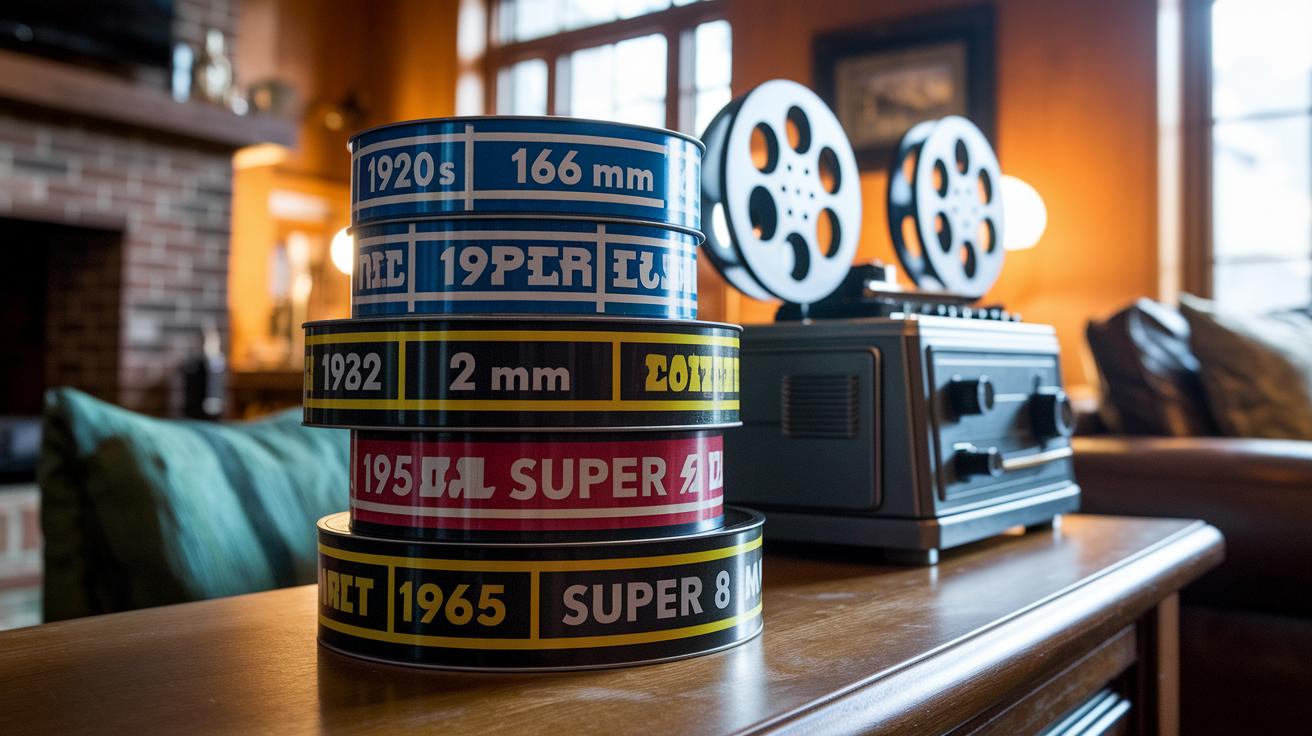
Film technology started small and grew in amazing ways. In 1923, the 16 mm format appeared, letting people enjoy movies at home for the first time. In 1932, the eight millimeter format soon followed, and by 1965, Super 8 joined the lineup. Each format came on sturdy metal reels that sparked both excitement and nostalgia.
The move from nitrate to acetate stock was a big change. Acetate made film safer by lowering fire risks and kept every frame in better shape over time. Soon, home projectors became a common sight, turning living rooms into mini movie theaters.
Today, modern digital options let collectors enjoy films with free downloads or by buying USB and DVD copies. This mix of old and new shows how classic film reels still charm audiences while adapting to our digital world.
Dissecting Classic Retro Film Reels: Formats, Materials, and Mechanisms
Format Comparison
Classic film reels come in different sizes that change how we see the image. For example, 8 mm films were common for home videos, while 16 mm films gave a clearer picture for schools or small theaters. Super 8 mm films, with larger holes, strike a balance between being easy to carry and looking good. Think of it like using different canvas sizes, each one shows details a bit differently.
Materials and Condition
These reels begin with a celluloid base coated in gelatin and silver halide grains. Over time, the acetate backing can break down. Metal parts on the reel hubs may rust, and makeshift splices can appear. Scratches, breaks, and repairs are signs of a film’s past life. They tell collectors whether a reel went from a busy living room projector to quiet archive storage, which can affect its value and how it’s preserved.
Mechanisms and Splicing
The film’s structure includes parts like reel hubs, evenly spaced perforations (small holes that help the projector line up each frame), and various splicing methods to fix breaks. A well-done splice, whether seamless or manual, helps the film play smoothly. Experts check these details to ensure complete footage, clear video, and consistent sound. Every technical element adds to the craftsmanship that makes these reels timeless pieces of cinematic history.
Classic Retro Film Reels in Archival Preservation Research and Restoration
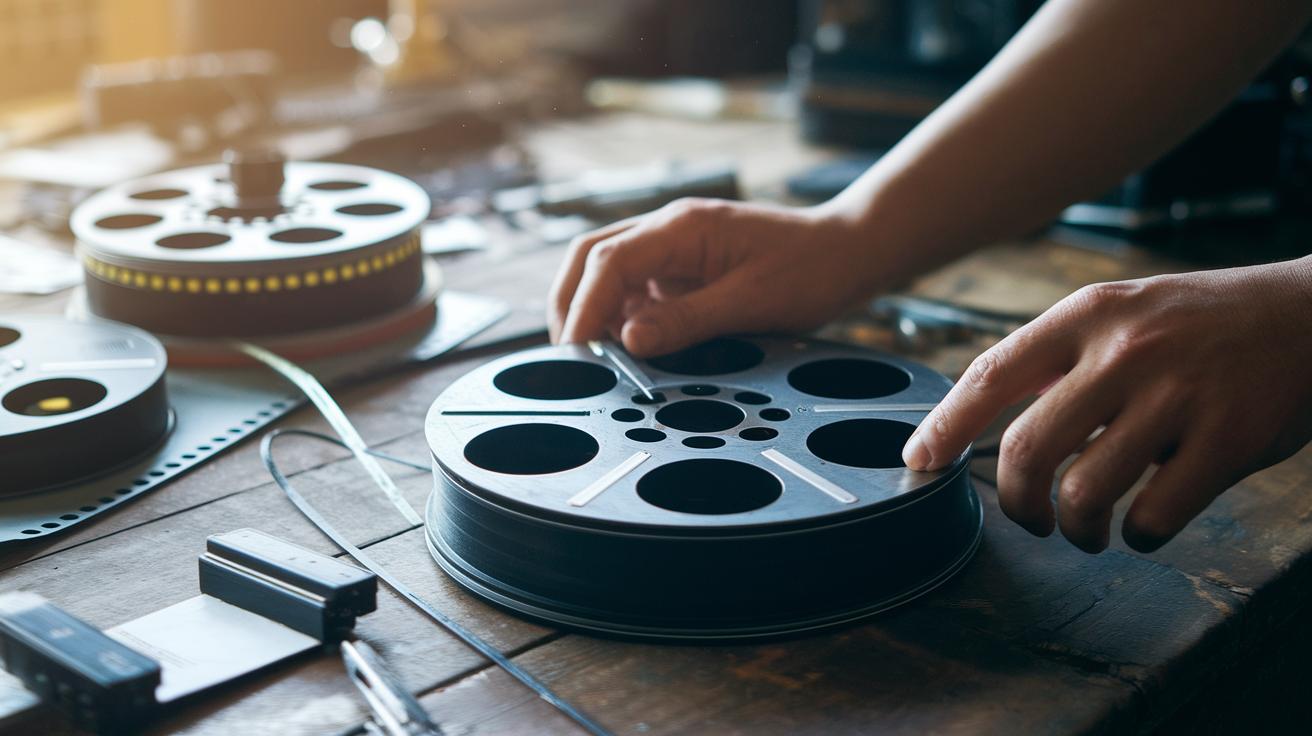
Old film reels do more than play pictures; they keep memories alive. Collectors and researchers can protect these treasures by choosing ways to digitize them. Options include dropping off reels in person, free digital downloads, or even receiving copies on a USB or DVD. This approach safeguards the films while keeping their hands-on feel.
Restoration starts with a light cleaning that lifts dust off without damaging the film base. Gentle hands treat each reel with care while special chemical treatments slow the decay of negatives and slides. Sometimes experts repair breaks by carefully splicing the film together, much like fixing a page in an old diary while keeping its charm. Next, a digital scan makes a high-quality backup that holds every detail of the original.
Keeping old projectors in good working order is another key part of film preservation. When these machines run, they let us see movies as they were meant to be seen. They also remind us how audiences enjoyed films decades ago. Every step, from cleaning to scanning, plays an important role in making sure future generations can enjoy these timeless art pieces.
Trusted restoration methods also call for certificates of authenticity and detailed records of each film’s history. These documents prove that every reel is both genuine and memorable. For more details on restoration workflows, check out this guide: preserving cinematic history (https://reviewstrends.com?p=1187).
Nostalgic Movie Investigation: Audience Interaction with Classic Retro Film Reels
Step into a dark room where an old projector quietly spins, casting gentle light that dances on the screen. The familiar crackle of film fills the air and wraps you in warm memories of past showings, where every reel was a special moment. The playful light and soft whispers of film history make you feel like you're sharing a secret with a friend.
Sound and shadows come together to create a unique movie experience. The soft hiss of the film and the gentle silhouettes turn a simple screening into a journey back in time. Fans often gather for curated events where experts explain the backstory behind each reel, linking the past with the present.
- The film's crackle and dancing light create a distinct, cozy feel.
- Watching in the dark with the old projector brings suspense and comfort.
- Each scene sparks personal memories of cherished movie nights.
- Expert talks add historical context, making each showing a glimpse into cinema history.
These screenings invite you to rediscover timeless films and celebrate the rich legacy of the moving picture.
Heritage Projection Analysis: Cultural Significance of Classic Retro Film Reels
Film reels are more than just objects, they tell the story of cinema. They don’t only capture images, they mark important steps in how movies have changed over the years. Think of early Disney shorts, moon landing footage, and experimental art films. Each frame feels like a discovery, from the crackling sound of the film to the burst of color, much like the magic seen with Technicolor in retro films.
Collectors and archivists see these reels as real pieces of our cultural memory. Each reel shows our progress from silent movies to sound films, keeping alive those special moments of movie magic. By saving these reels, we don’t just protect movies, we also hold onto the evolving way we tell our stories.
Collecting and preserving film reels is more than pure nostalgia. It keeps alive the stories that shaped our shared culture and reminds us that film history moves hand in hand with societal change. Experts and fans work together to restore and celebrate these treasures so that future generations can feel the real charm, craft, and magic in every unspooled frame.
Final Words
In the action, we journeyed through classic film reels and their role in vintage cinematic inspection. We traced the evolution of 8 mm, 16 mm, and Super 8 to understand how these formats shape our cultural memory. We examined technical details, preservation methods, and the sensory charm of an old projector’s hum. This write-up shows that old reels are far more than relics. Happy viewing and keep enjoying examining classic retro film reels for fresh insights and timeless appeal.
FAQ
Q: Convert old film reels to digital near me
A: Converting old film reels to digital near you means finding local services that digitize your reels into modern formats like USB or DVD. This preserves your footage for easy viewing.
Q: Convert film to digital
A: Converting film to digital means transferring analog film into digital files. This process allows for easier storage, sharing, and restoration while keeping the original details intact.
Q: Old videos to digital near me
A: Converting old videos to digital near you involves local providers who can change your vintage footage into current digital formats. This helps maintain your memories and makes them accessible on modern devices.
Q: How to view old film reels?
A: Viewing old film reels means using a dedicated film projector or converting them to digital formats so they can be played on newer devices while preserving the classic experience.
Q: Are old film reels worth anything?
A: Determining if old film reels are worth anything usually depends on rarity, condition, and historical significance. Collectors and archives often value them for their cultural and heritage importance.
Q: What are the different types of old film reels?
A: The different types of old film reels include formats like 8 mm, 16 mm, and Super 8. Each type carries distinct characteristics and was used in specific historical and home-viewing contexts.
Q: Why were 70s movies so gritty?
A: The grittiness of 70s movies reflects the filmmaking choices of the time, focusing on realism, raw visuals, and practical effects to mirror social challenges and create a grounded cinematic style.