

Ever wonder why some remakes feel magical while others fall short? Reimagining a classic is more than just a modern update, it blends cherished memories with fresh storytelling. This post digs into what makes a reboot succeed, from a clear story flow to meaningful character growth. Picture a film that stays true to its original charm yet opens up new layers of emotion and insight. Read on to discover how a clever reboot can honor the past while giving a modern twist to timeless tales.
Core Criteria and In-Depth Narrative & Character Analysis in Film Reboots
Overview of Core Criteria
A good reboot renews a beloved series with a fresh look while keeping the parts fans love. It retells the story in a modern way yet holds on to key characters and settings. Think of Nolan's Batman trilogy where Bruce Wayne’s journey is given new layers. For example, you might say, "Before Gotham dazzled with modern visuals, Batman films played with simple shadows and light." This mix of old and new grabs both longtime fans and new audiences.
A strong reboot also keeps a tight story, fresh character growth, and bold new visuals that pull you in. Movies like Mad Max: Fury Road show that daring changes in design and pacing work well as long as the original spirit remains. By blending well-known visuals with new storytelling, filmmakers revive the past and create a deeper emotional connection.
Deep Dive into Narrative Coherence and Character Development
When you compare original films with their reboots, the plot and character growth are often clearer. Reboots aim for a story that makes sense today. Modern character journeys are key; for example, in Nolan's Batman, Bruce Wayne is shown with new vulnerabilities and strength, making him feel more human and relatable.
Resetting the storyline lets directors update characters for today's audience. Take Kung Fu Panda 4, which hints at a redemption arc for Tai Lung. This fresh look at a past villain explores ideas of forgiveness and change. A quick phrase like, "Imagine a villain getting a second chance at life," captures that new direction.
A clear, logical plot helps viewers stay connected with the film’s world. Even as timelines change, a smooth narrative transition helps the audience follow the story and care about the characters. Filmmakers succeed when they respect the original while giving characters modern, believable journeys.
Balancing Nostalgia and Innovation in Cinematic Reimaginings
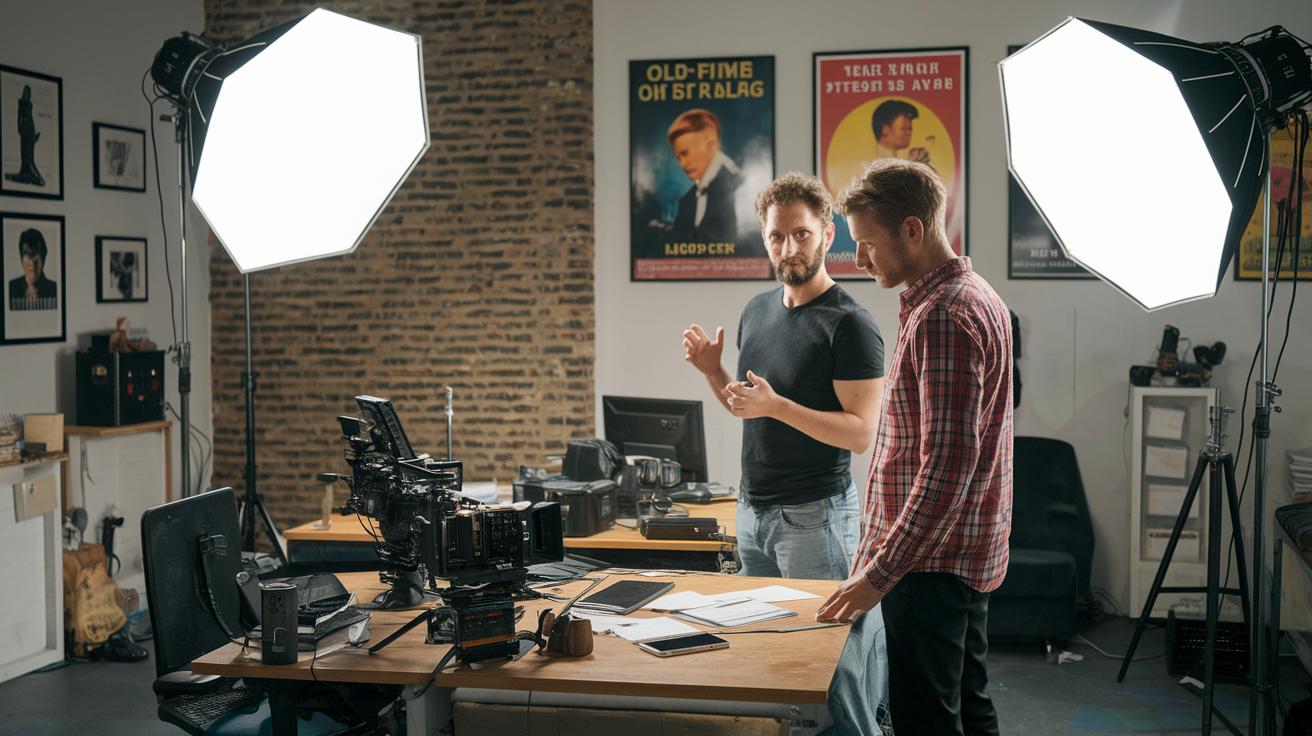
Directors now have a big role in creating reboots that respect the past and bring a fresh, modern feel. Interviews show that behind-the-scenes debates help shape choices like adjusting lighting and reworking sound. These changes not only set a unique tone but also sharpen the film's pace and deepen its characters while nodding to classic images.
Key strategies include:
- Keeping classic visual motifs to honor the original.
- Updating themes to mirror today's social and cultural issues.
- Casting rising stars while keeping familiar traits.
- Using advanced visual techniques for a more engaging story.
- Blending nostalgic musical cues with modern sounds.
On set, smart editing and thoughtful decisions mix old charm with new ideas. These updates, paired with audience feedback, make films that feel both respectful to their roots and boldly innovative.
Leveraging Technological Advances and Visual Style in Rebooted Classics
New tech has changed how classic stories are retold on screen. With high-definition cameras and eye-catching CGI effects, directors mix old-school charm with today’s modern style. Imagine a scene where real life and digital magic come together to create a lively, engaging moment.
Take Mad Max: Fury Road, for example. The film uses real stunts alongside modern digital tweaks and even won six Academy Awards for its work. It shows that updating visuals can keep the feel of the original while making it new.
Similarly, Nolan’s reboot of Batman makes the most of big-screen cameras like IMAX. Modern LED setups and real-time rendering bring fresh detail to every scene, drawing you into a familiar world that feels updated and exciting.
Case Studies: Comparative Analysis of Original Films and Their Reboots

When films update old favorites, they mix new storytelling with better technical tricks to boost both ticket sales and reviews. These reboots honor what made the originals great while adding modern touches that freshen up the story. By looking at a few examples, we see that improvements like deeper characters and sharper visuals can turn a classic hit into a modern blockbuster.
Take Nolan’s Batman reboot as an example. The original Batman (1989) made $411M and built a strong fan base with its classic, dark style. In 2008, The Dark Knight impressed audiences with a more modern hero and smart visuals, and it went on to earn $1.005B. Similarly, Mad Max made a big comeback with Fury Road (2015). The 1979 original earned $100M, while Fury Road pulled in $379M thanks to a mix of daring stunts and high-quality CGI (computer-generated imagery).
Another good case is Kung Fu Panda. The 2008 movie won hearts with its lively characters and warm humor, collecting $631M. Early signs for the 2024 reboot suggest that fresh emotional stakes, like a redemption arc for a past villain, can connect well with both old fans and new viewers.
| Original Film | Reboot Title | Release Year | Box Office |
|---|---|---|---|
| Batman (1989) | The Dark Knight (2008) | 2008 | $1.005B |
| Mad Max (1979) | Fury Road (2015) | 2015 | $379M |
| Kung Fu Panda (2008) | Kung Fu Panda 4 (2024) | 2024 | Early Projections |
Measuring Success Through Audience Reaction, Critical Reception, and Box Office Revival Trends
Reboots tap into a familiar brand name to lower costs and draw in old fans and newcomers alike. For example, Nolan’s Batman trilogy earned $2.47B worldwide by giving an old hero a fresh twist. Similarly, Mad Max: Fury Road pulled in $379M globally and even won six Oscars. Viewers’ scores, critics’ reviews, and social media chatter all help show how well a reboot is doing. The strong buzz around the Kung Fu Panda 4 trailer, with its active reader discussions, proves that excitement ahead of release matters.
Success today goes beyond just ticket sales. What really counts is how well a film updates its story and visuals while still nodding to the original. Critics now focus on the mix of honoring what came before and adding modern flair that clicks with today’s audiences. In the end, a film that earns good money and wins strong audience praise clearly shows that its reboot strategy has hit the mark.
Final Words
In the action, we broke down key aspects of film reboots, from core criteria and narrative coherence to balancing familiar tunes with fresh visuals. We examined how modern techniques and deep character work breathe new life into time-honored franchises through side-by-side data and case studies. Each section showed that exploring film remakes: what distinguishes a successful reboot relies on clear storytelling, technical flair, and engaging performances. The discussion leaves us with a clear idea of what works on screen and a positive outlook for future reimaginings.