
Ever wondered if film’s cozy charm can really match digital’s lightning speed?
Cinematographers now compare film’s nostalgic, natural texture with digital’s smart, fast workflow that lets directors tweak scenes in seconds.
This piece explores how each format shapes movie art and production, leaving you to ask: Can timeless tradition hold up in a world that demands rapid change?
Production, Quality, and Workflow Compared in Film vs Digital Movies
Analog film uses silver halide crystals that react to light and capture images. These images need chemical processing in a darkroom, so you have to wait to see the final result. Digital cameras, however, use electronic sensors and save photos on memory cards, giving you a chance to check your shot instantly. This quick feedback lets directors and cinematographers tweak framing and exposure right on set. Plus, digital files can be edited with tools like Adobe Photoshop or Lightroom (software used to adjust images), offering more control than film ever could.
Film gives a special, tangible feel because of its natural grain and texture. Many believe this adds a genuine warmth to the picture. However, film is very sensitive to temperature and humidity. The reels have to be handled with extra care to avoid damage like warping or melting, which can slow down production. Digital sensors are built to handle harsh weather better, making setups easier and quicker.
| Aspect | Film | Digital |
|---|---|---|
| Image Review | Delayed due to development | Immediate preview |
| Edit Flexibility | Limited adjustments | Extensive control with software |
| Handling | Requires careful climate control | Robust in various conditions |
These differences shape every part of making a movie. Digital production speeds up the process from filming to editing, cutting both time and cost. Still, many filmmakers choose film for its timeless look, even if it means working through a slower, more delicate process.
– Alex Reed, Film Critic. Covers technical craft and production insights.
Evolution of Filmmaking Formats: From Analog Film to Digital Sensors
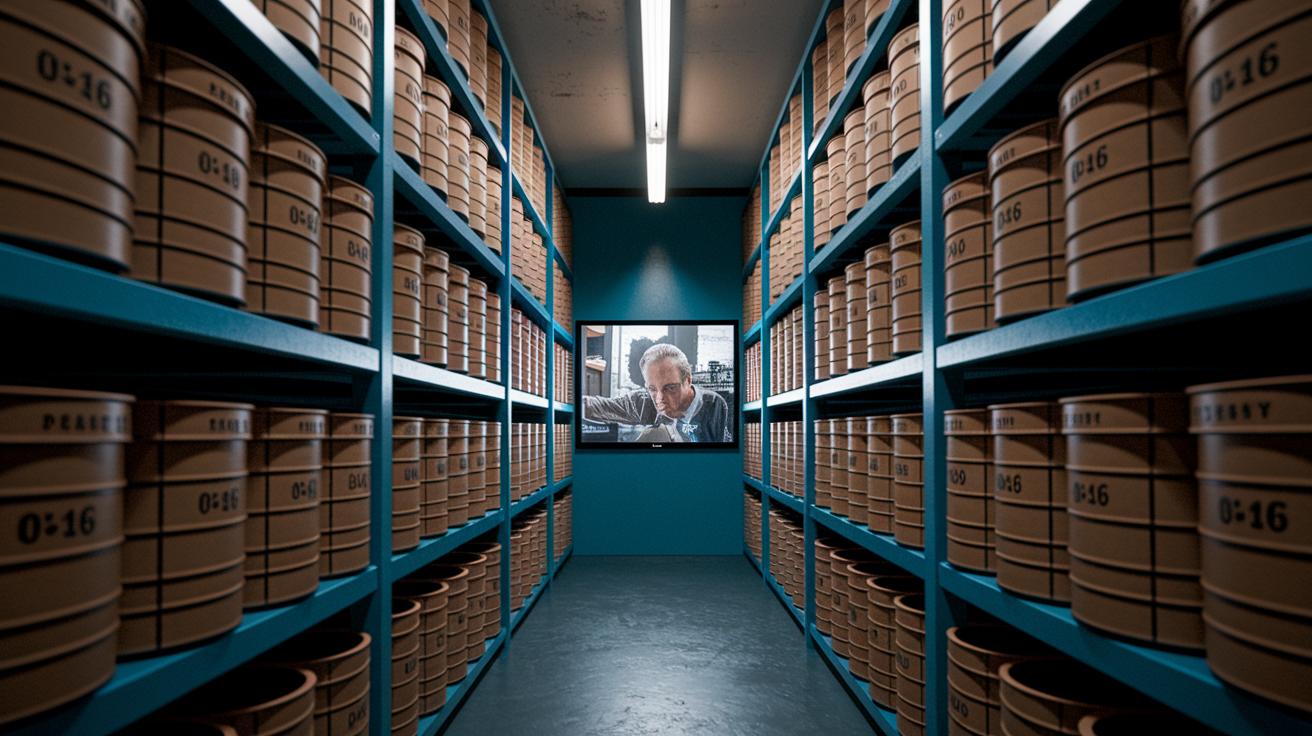
Early movies relied on 35mm and 70mm reels kept in climate-controlled storage. The process was slow and demanded careful planning. Imagine hauling heavy crates of film for every screening, a task hard to picture in today's world.
Then came the digital revolution with 2K (2048×1080) and 4K (4096×2160) formats. Filmmakers no longer had to lug bulky reels. Instead, compact cameras let them view scenes instantly without waiting for film processing. This shift even paved the way for hybrid workflows that blend the classic look of film with fast digital edits.
Key differences include:
- Old analog systems needed careful physical storage, while digital files are easy to manage.
- Mechanical film setups took a long time to work through, but digital capture is fast and flexible.
- Today, hybrid workflows mix film’s unique look with the speed and efficiency of digital methods.
Aesthetic Strengths: Grain, Clarity, and Dynamic Range in Film vs Digital
Film has a unique look because of its natural, tactile grain. Movies made from the 1960s to the 1980s show a texture that adds character and a hand-crafted feel to every scene. Even though the grain softens the picture a bit, it brings warmth and realness that many directors admire. Think of it like watching a classic film where every detail seems lovingly painted by hand.
Digital sensors, on the other hand, capture images with sharp detail and striking clarity. They create vibrant visuals that feel modern and precise. Still, digital high dynamic range (HDR, which means showing a wide range of light and dark) sometimes misses that deep, cinematic contrast. While digital images have clean, crisp edges, they can seem a bit too sterile compared to film’s soft, layered look.
Side-by-side, you can see that:
- Film brings a rich, tactile texture that sparks nostalgia.
- Digital delivers high-resolution images with a wide dynamic range.
- Film’s natural contrast gives it a timeless feel.
- Digital’s precision fits well with fast-paced, modern productions.
Fun fact: Some classic films capture details that seem almost three-dimensional because of the unpredictable nature of film grain. This quality makes film feel personal and alive, while digital shows every tiny detail, highlighting technical skill over nostalgic warmth.
Cost, Efficiency, and Editing: Economic Impact of Film vs Digital Production

Film production can be very expensive. You must buy costly film stock, pay for chemical development, and store the reels carefully. Each reel adds more material costs and takes extra time in processing. Even small mistakes on film can lead to heavy expenses, and keeping the film in the right climate is crucial.
Digital production, on the other hand, cuts these costs. Digital cameras use sensors to capture images instantly, which means no need for expensive film or lengthy processing. Small digital rigs also help reduce crew numbers and simplify logistics, making the whole process leaner.
Editing is much faster with digital tools. Non-linear software lets directors and editors make quick cuts and changes without the slow process of film splicing. This digital method makes it easy to try out creative ideas and fix mistakes in real time.
Core production differences include:
- Film stock and processing bring high material and labor costs.
- Compact digital systems reduce both crew size and logistical challenges.
- Digital editing software speeds up cutting and revisions.
- Electronic file storage is more cost-effective and reliable than using chemicals.
Today, many filmmakers choose digital production because it delivers faster results and is easier on the budget in our fast-paced film world.
Exhibition Formats: Screening Film Reels vs Digital Projection
How a movie is shown in theaters can change your viewing experience. Old film prints, like 35mm and 70mm, come on several reels that need careful handling and climate-controlled storage. Imagine a theater loading several reels for one show; every move must be gentle to avoid damage. Film prints give you a nostalgic feel with natural grain and contrast, though they require constant care.
On the other hand, digital projection runs off servers loaded with 2K or 4K files. This method brings steady brightness, less maintenance, and a smooth presentation. With digital files, you won’t worry about wear or sudden stops for reel changes. Digital screenings also offer clean edges and even colors that make scenes look sharp and modern.
One standout is IMAX 70mm, which can hit a resolution close to 18K. This extra detail goes beyond what standard digital formats deliver, giving you a more immersive experience in select theaters.
Key differences include:
- Film reels need careful handling and regular checks.
- Digital projection uses simple server-based systems.
- Film screenings show natural grain and texture, while digital provides high-resolution clarity.
- IMAX 70mm offers an exceptional visual impact.
| Format | Resolution | Media Type | Visual Impact |
|---|---|---|---|
| 35mm | Varies (analog quality) | Film | Warm, grainy, nostalgic |
| 70mm | Higher detail (analog superior) | Film | Rich texture and contrast |
| 2K Digital | 2048 x 1080 | Digital file | Clean, consistent, modern |
| 4K Digital | 4096 x 2160 | Digital file | Crisp, sharp, high fidelity |
Modern Film Case Studies: Celebrated Movies Shot on Celluloid

Oppenheimer and Anora chose film over digital to bring out a textured feel that digital rarely shows. Their directors favor film for its natural grain and warmth, qualities that make the images feel real and timeless.
Here are some examples:
- Oppenheimer uses film to add a rich texture that deepens its dramatic scenes.
- Anora employs celluloid to create a nostalgic and immersive atmosphere.
- The Brutalist was shot entirely on 35mm VistaVision, a film stock from the 1950s. Its larger frame captures stunning details and crisp resolution, which even earned the film an Oscar for Best Cinematography.
Directors who love celluloid enjoy the unpredictable texture and sculpted look that only film can deliver. This classic approach not only honors old-school filmmaking but also adds a unique character that stands the test of time.
Looking Ahead: Future Innovations in Film and Digital Movie Production
Filmmakers are now mixing classic film techniques with digital tools. They love the rich look of celluloid and also enjoy the quick turnaround of digital editing. New camera sensors capture clear images, even in dim light. Labs are also testing greener chemicals, so film can be developed without harming our planet.
Digital archiving now helps preserve old films, making it easier to restore treasured footage. Meanwhile, new exhibition tools like LED screens and virtual reality offer viewers a more interactive movie experience.
Here's what to watch for:
| Trend | Description |
|---|---|
| Hybrid Workflows | Combines film’s texture with digital speed |
| Advanced Sensors | Delivers clearer images in low light |
| Eco-Friendly Film Development | Uses greener chemicals for a sustainable process |
| Digital Archiving | Secures and restores classic film footage |
| Immersive Exhibition Tech | Offers interactive viewing beyond traditional screens |
These advances merge the timeless feel of film with modern digital precision, opening new creative paths for filmmakers and richer experiences for audiences.
Final Words
In the action, we see how film and digital movies handle production, quality, and workflow in distinct ways. The post broke out how traditional celluloid capture faces challenges like climate control versus digital’s instant review. It also highlighted these points:
• Production contrasts
• Aesthetic nuances
• Cost and efficiency trade-offs
• Exhibition format differences
This clear breakdown brings fresh insight into the evolving world of film vs digital movies. Enjoy exploring these formats, appreciating each medium for its unique strengths, and finding your next favorite way to experience visual storytelling.
FAQ
Q: What are the pros and cons of film versus digital movies?
A: The pros and cons of film versus digital movies show that film offers organic grain and archival qualities, while digital provides immediate reviews, cost savings, and simpler editing processes.
Q: How do film and digital movies compare side by side?
A: A side-by-side look reveals film’s natural grain and softer contrast versus digital’s crisp clarity and extended dynamic range, making each ideal for distinct storytelling approaches.
Q: What are some examples of digital film and traditional film techniques?
A: Examples include digital films shown on AMC that use sensors for vivid detail, while traditional film examples like Oppenheimer highlight tactile grain and archival appeal.
Q: What does the term “digital movie” mean according to AMC?
A: The term “digital movie” refers to films captured with electronic sensors, allowing immediate image review and edits instead of using chemical-based film stock.
Q: What is the overall difference between film and digital movies?
A: The overall difference lies in the capture method; film relies on light-sensitive chemicals while digital uses sensors, offering instant playback and easier editing.
Q: Was Oppenheimer shot on film or digital?
A: Oppenheimer was shot on film to preserve a tactile aesthetic with authentic grain and texture that many filmmakers value.
Q: Do movies look better on film or digital?
A: Movies on film provide a warm, textured look, whereas digital films offer clear, sharp images with high dynamic range—each style appeals differently based on creative goals.
Q: When did filmmakers switch from film to digital?
A: The shift from film to digital began in the early 2000s as digital sensors, lower production costs, and streamlined workflows started challenging traditional film methods.