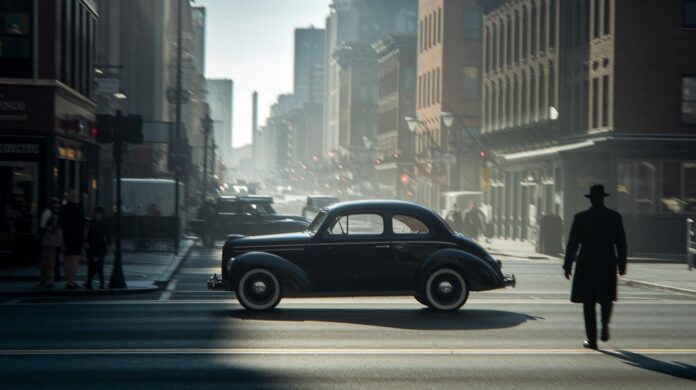

Ever wonder if a faded frame is a mistake or a glimpse into history? Old movies carry marks of time that add to their charm. They use sharp camera angles, small changes in light, and a grainy sound that make each scene feel real. In this piece, you’ll learn how to look at every part of the film – from its weathered look to the way the story unfolds – to see what the filmmaker was trying to say. We share insights that help you enjoy each little detail that makes vintage films so unique.
Structured Framework for Critiquing Retro Movie Reels
When reviewing old movie reels, it's important to stay objective even if sentimental memories pop up. Instead of letting nostalgia cloud your view, zero in on the film's technical strengths like direction, character work, and how the story unfolds. A step-by-step review helps you catch the small details in storytelling and cinematography. For example, you might notice the camera moving slowly to set up a quiet moment that speaks volumes.
- Check the physical condition of the reel and its color quality.
- Look at how clear the projection is and the texture of the grain.
- Notice the camera movement, scene composition, and lighting.
- Evaluate the sound quality, how the score fits in, and any unusual background noise.
- Break down the structure of the story, its pace, and the editing style.
- Place your findings in the context of the film’s historical and cultural background.
Turning these observations into clear and engaging commentary is the final step. Describing how worn textures or subtle shifts in light boost a film's mood can reveal what the filmmaker intended. When every element is mapped out, the review not only breaks down technical parts but also shows why the film still matters today. For instance, writing, "The soft grain combined with smooth camera movement clearly nods to the mood of that era," shows how each detail plays its part in the overall impact.
Historical Context & Era Influence in Retro Film Analysis

Retro films offer a window into the past. Classics like Casablanca (1942) and Citizen Kane (1941) were shaped by the social and political winds of their times. The stories, characters, and visuals reveal what viewers of that era cherished and feared, acting as subtle time capsules of history.
These movies do more than entertain. They mirror the cultural ideas and political debates of their time. Directors blended their own visions with the reality of the day, creating films that speak to themes of resilience and change. By considering these historical influences, our film critiques become richer and show how the outside world has always played a role in the art of cinema.
Evaluating Cinematography and Visual Storytelling in Vintage Movie Critique
Classic movies leaned on expert camera crews and smart art direction. In older films, every detail – from set design to lighting – was planned to lead your attention. For example, a director might use dim lighting to build mystery or a soft spotlight to focus on an important prop. This shows just how key each crew member and art decision was to create a unique visual style.
In vintage films, grain texture plays a special role. Today, what some might call film wear actually adds mood and charm. A smooth, even grain can give a scene a warm, nostalgic feel, while a rougher texture brings a raw, genuine touch. Special techniques like time-lapse or underwater shots highlight the natural look of analog film. Spotting these details not only shows off technical skill but also connects you to the film’s era.
How a scene is framed and composed tells its visual story. A well-planned shot draws your eyes to the important parts and builds the film’s overall theme. A wide angle might show an empty street that feels lonely, while a close-up can capture a subtle expression hinting at deeper layers. Examining these setups helps critics uncover hidden symbols and storytelling tricks that keep vintage films timeless.
Assessing Sound Quality and Audio Critique in Analog Reels

When checking out vintage films, sound matters a lot. Good sound means clear dialogue, gentle background noise, and music that fits smoothly into the scene. For example, a whisper paired with a soft score can make a moment feel really intimate.
Old-school sound techniques laid the groundwork for today’s reviews. Teams worked hard to get every spoken word and background sound just right to build the film's mood. Even a quiet room with lots of subtle sounds can tell its own story.
Reviewing sound quality also means looking at how analog reels change with time. As films age, you might hear a constant hiss or slight distortions, usual signs of wear. It helps to check the noise floor (the base level of background sound) and the dynamic range (the difference between the softest and loudest parts). If you notice a steady hum that drowns out the whispers, it’s a sign the sound is breaking down. Paying attention to these details gives a clear picture of how well the film’s original sound has held up.
Analyzing Editing Rhythm and Narrative Structure in Classic Screening Critique
Classic films show how editing has changed over time. In the beginning, filmmakers used long takes to pull you into every detail of a scene, keeping the pace slow and clear. Later, quicker cuts added energy and matched the faster style that audiences now enjoy. This change lets editors highlight feelings and set a unique visual rhythm.
To break down a film’s story, you look at its basic parts: the beginning, the conflict, and the end. When you watch an old movie, notice how the pace shapes its characters and builds tension. Looking closely at the story helps you see how each scene adds to the overall tale. Every cut and pause plays a role in guiding the viewer through the plot.
Reviewing how scenes change is key to spotting fresh ideas in visual storytelling. Watch how scenes flow together with fades or sudden cuts (these are ways to shift the mood). These transitions not only keep the story moving but also show what the director meant to express. By studying the editing style, you uncover small shifts that boost drama and add to the timeless feel of classic films.
Criteria for Inspecting Reel Integrity and Preservation Techniques
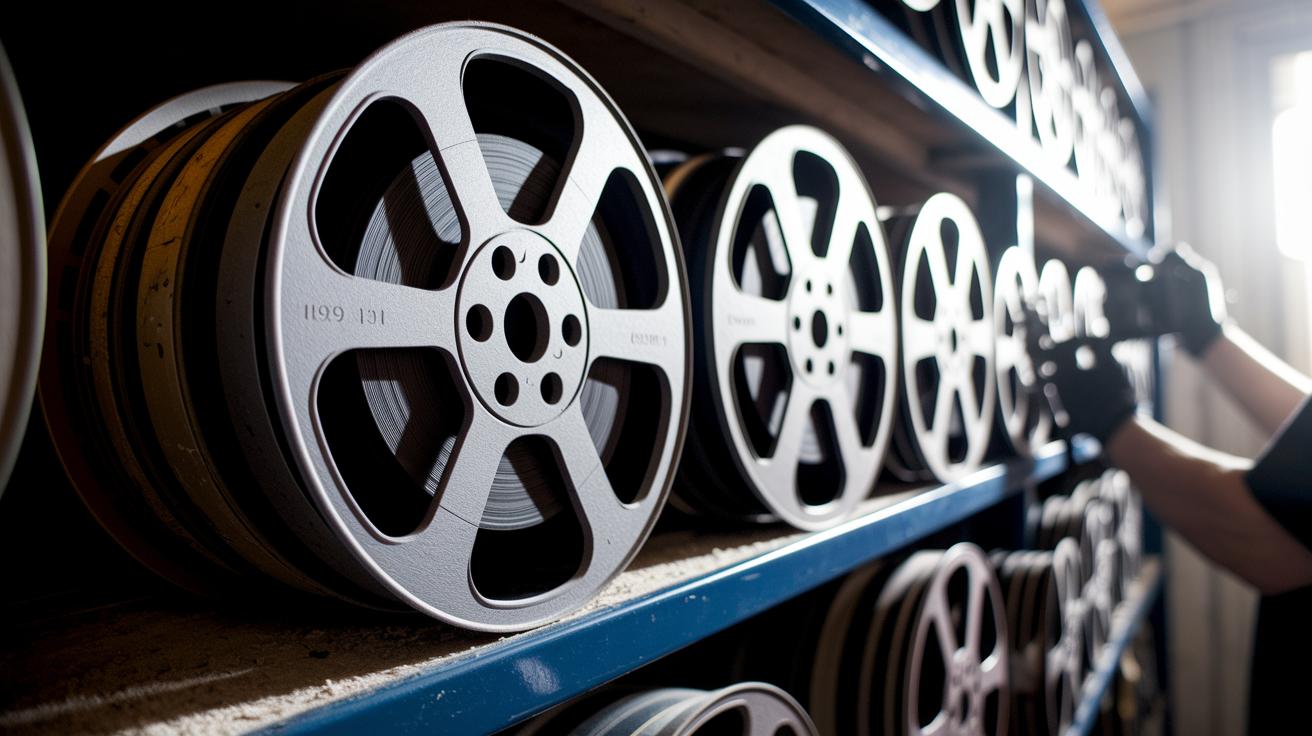
Analog film reels show signs of age. You might notice colors fading from too much light, sprocket holes wearing down so that the frames don’t line up correctly, and chemical problems like vinegar syndrome (when a film smells like vinegar) and emulsion peeling. These clues tell us that the film may need extra careful handling before it is shown.
Keeping these films in good shape is very important. A stable climate, careful storage, and clear guides for checking film quality all help a reel last longer. Regular checks compare the film to known standards, which not only catches obvious damage but also finds hidden issues. This careful approach helps ensure that we can restore and protect historical films for future screenings.
| Inspection Aspect | Assessment Criteria |
|---|---|
| Color Stability | Fading measurement, reference charts |
| Frame Alignment | Sprocket hole integrity, gate wear |
| Physical Damage | Scratches, tears, brittleness |
| Chemical Decay | Vinegar syndrome, emulsion separation |
Applying Aesthetic Standards and Artistic Element Evaluation to Retro Reels
Retro films capture a unique style through careful set design, costumes, and lighting. The visual elements match the trends of the time, using balanced layouts and chosen colors that mark a clear period style. For example, every prop might be placed to highlight the era, and subtle imagery can hint at the director’s vision, all of which underline the film’s deeper themes.
Looking closer, the artistic touches show up in the use of symbols throughout the film. Costume choices and set backgrounds often mirror the larger cultural ideas of the time, offering clues about what the filmmaker aimed to say. Small details, like repeating motifs or gentle background cues, enhance the way characters and their settings speak to one another.
Even the mood of a scene can tell you a lot. Shifts in light and soft changes in color, or the quiet work of extras, build a warm, nostalgic tone that feels both natural and inviting.
Case Studies: Applying Critique Techniques to Iconic Retro Reels
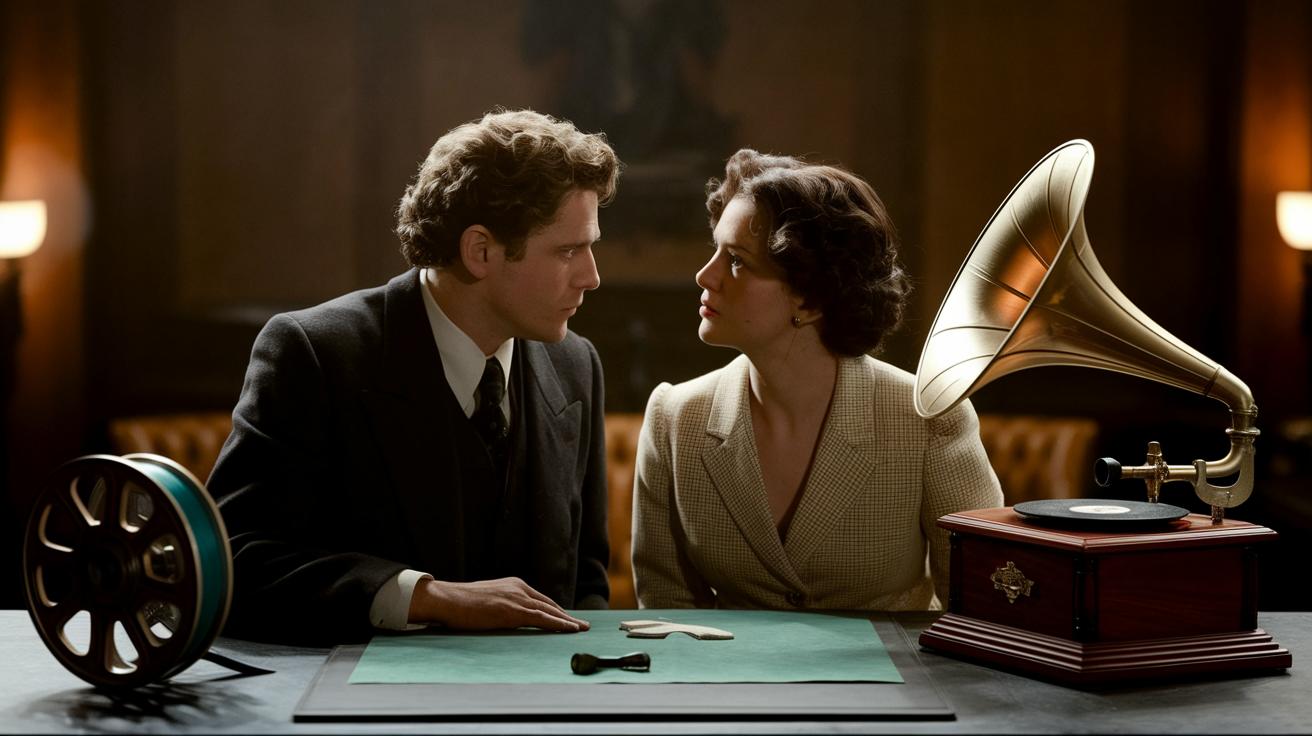
Casablanca: Narrative and Cinematography
Casablanca shows us how to tell a story clearly by focusing on its characters. The movie keeps the main figures and the background clear all at once (deep focus means both the foreground and background are in focus). Soft lighting and gentle shadows make quiet moments feel warm and full of meaning. Even a simple glance in a dim scene tells us a lot about the characters’ feelings.
Citizen Kane: Editing and Sound Design
Citizen Kane breaks the usual way stories are told by mixing up the order of scenes. Its clever cuts and overlapping dialogue (where one conversation blends into the next) act like smooth bridges between scenes. This lively style, paired with smart sound design, keeps the movie moving and sets different moods all along. It shows how bold editing can shape the movie’s overall feel.
Both films give clear tips on what to look for when watching older movies. Casablanca shines with its visual style and clear character stories, while Citizen Kane impresses with its daring cuts and sound tricks. These examples help us learn how to notice details that make classic films so special.
Final Words
In the action, this guide walked through a step-by-step method to critique retro movie reels. We broke down key areas like reel condition, visual storytelling, sound quality, editing rhythm, and historical context. Each section helped show how to measure everything from color stability to narrative pacing. Small, practical steps build a clear view and pave the way for honest commentary. Using these insights, how to critique retro movie reels, you can make faster, confident film choices and keep your viewing experience both smart and enjoyable.
FAQ
Q: How do I critique retro movie reels online, on platforms like Reddit, and as a beginner?
Critiquing retro movie reels involves examining framing, sound, and technical elements while avoiding nostalgia bias. Beginners can follow methodical steps like checking reel integrity, projection quality, and narrative structure.
Q: How do I find movie critique examples, including PDFs and those for students?
Movie critique examples come in resource PDFs and student guides that illustrate balanced reviews. They show clear structure, focus on technical merits, and emphasize thoughtful commentary without revealing key plot details.
Q: How do I write a movie critique or review critique effectively?
Writing a movie critique requires a clear structure that includes a brief introduction, analysis of narrative and technical craft, and a balanced summary that highlights both strengths and weaknesses without revealing spoilers.
Q: What should I look for when critiquing a movie?
When critiquing a movie, you should focus on narrative structure, character development, technical elements like cinematography and sound, and consider how well the film meets its intended artistic vision.
Q: What is the 20 30 rule in film?
The 20 30 rule in film is a guideline suggesting that critics should review a short, representative segment—often 20 to 30 seconds—to gauge overall technical quality and stylistic consistency in the work.
Q: What are the six approaches to film criticism?
The six approaches to film criticism include narrative analysis, formalist critique, auteur perspective, cultural studies, psychoanalytical interpretation, and contextual analysis, each offering a unique lens on a film’s artistic and societal impact.
Q: What is a video production reel?
A video production reel is a compilation showing various clips of a filmmaker’s work. It highlights style, technical skills, and creative storytelling, serving as a quick reference for potential clients or employers.