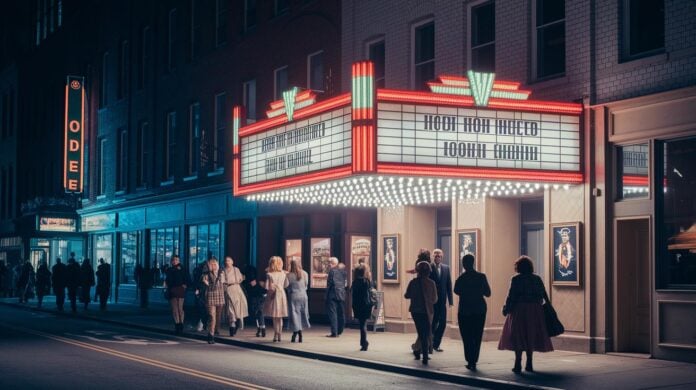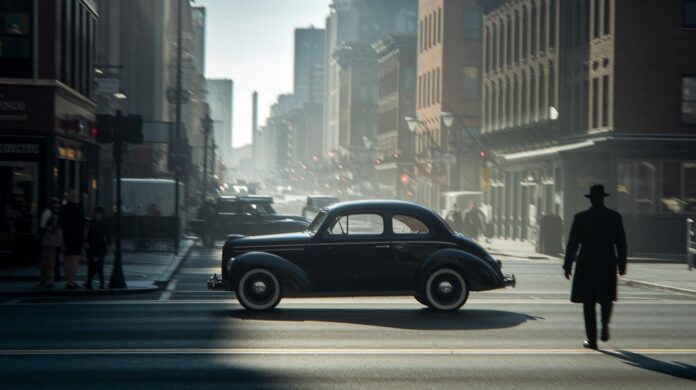

Ever wonder why today's films still show off old Hollywood magic? Vintage flicks brought bold stories and creative visuals that we see mixed with digital effects in modern movies. When you catch a scene with sharp framing or clever edits, you’re watching classic techniques revived. In short, great ideas never really go out of style; they shape new stories while tipping their hat to the past.
How Retro Films Continue to Shape Modern Cinema Trends
Old movies have always changed how films are made. Classics from the mid-1900s told strong stories and used new ideas that still shape how we tell stories today. Films like Casablanca and Citizen Kane showed how to focus on characters and use careful framing, ideas that modern filmmakers still follow.
The 1980s brought big changes when blockbuster films pushed the limits of visual effects and storytelling. These movies changed how films were made by using real stunts, practical effects, and fresh editing styles. Today, filmmakers mix old film techniques with modern digital tools. A good example is the popular time-travel theme, like the one seen in the DeLorean from movies, which shows how new movies blend vintage style with today's technology.
Today’s directors often honor the bold choices of past filmmakers. They mix the experimental tricks of the 80s with today’s tech to tell their stories. This mix of old and new gives films a unique style where a touch of nostalgia meets modern ideas. By using retro looks like creative framing and smart editing, they not only salute the past but also push the art of filmmaking forward.
Classic Cinematic Techniques From Retro Films in Today’s Cinema
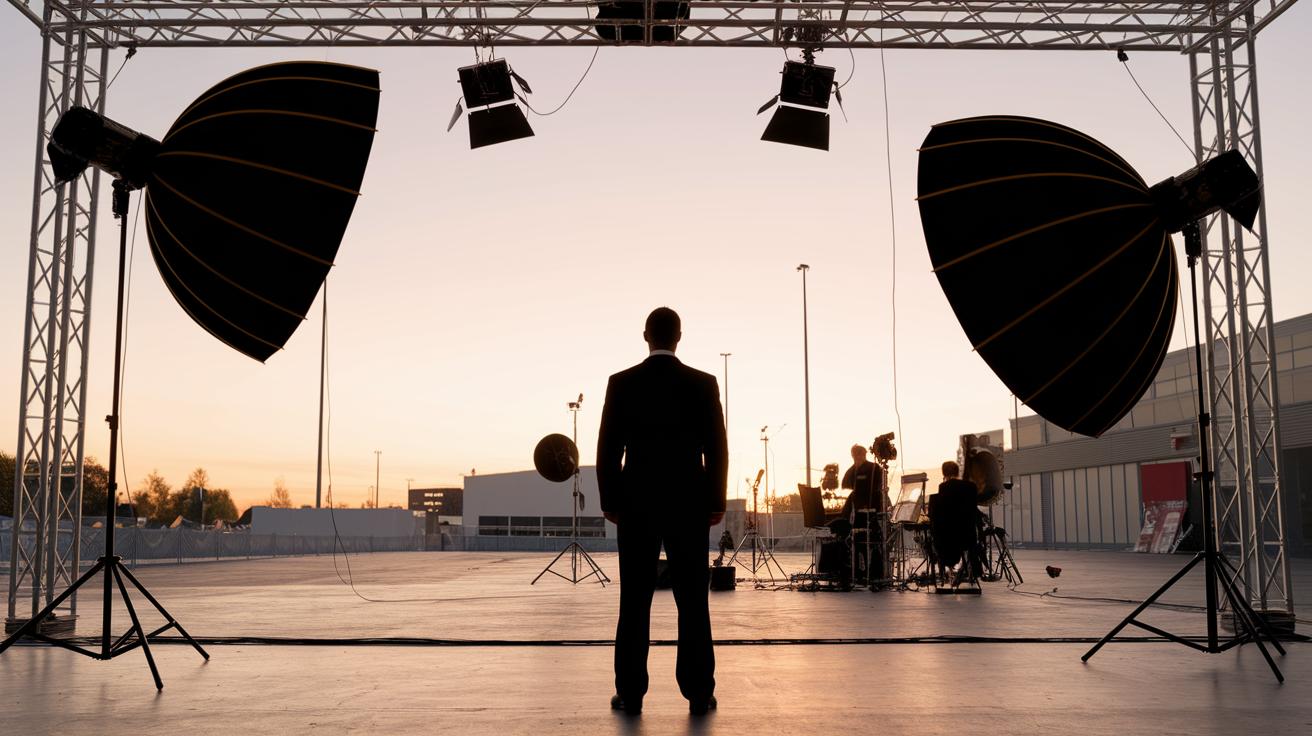
Old film techniques still help filmmakers create memorable moods today. Movies like Citizen Kane (1941) and Vertigo (1958) first showed us these tricks, and directors keep using them in new, digital stories. They mix classic methods with modern touches to build a fresh, yet familiar, look.
- Deep focus: Keeps both the foreground and background sharp, which fills the scene with rich detail.
- Dolly zoom: Changes the view around a character to boost emotion and tension.
- Montage: Puts quick clips together to show a rush of time or feeling.
- Rear projection: Blends live action with images behind the actors to add depth.
- In-camera effects: Captures special looks while filming, giving scenes a real, lasting feel.
These classic techniques still work because modern directors honor the past while pushing today’s visual limits.
Retro Aesthetics and Nostalgic Visual Appeal in Modern Cinema Trends
Today, directors mix old-school visuals with modern style to spark feelings of nostalgia. They add film grain textures and soft, faded colors to blend the crisp digital look with a charming vintage feel. Using black-and-white shots and carefully planned lighting gives a movie a timeless look even when its story unfolds in the present.
Costume designers join in by choosing styles and fabrics from the 1940s. For example, a modern drama might feature simple accessories and classic cuts that remind us of past eras, adding extra emotional depth.
Key visual elements in today's movies include:
- Old movie looks: Grainy textures and faded colors that mirror early film styles.
- Nostalgic feel: Monochrome tones and vintage lens flares that pull viewers into a reflective mood.
- Period costumes: Wardrobe pieces that create an authentic era feel and deepen character stories.
These vintage techniques layer extra meaning. They honor a classic look while inviting audiences to feel the warm pull of cinema's past even in modern tales.
Timeless Story Structures From Retro Films Fueling Modern Narratives
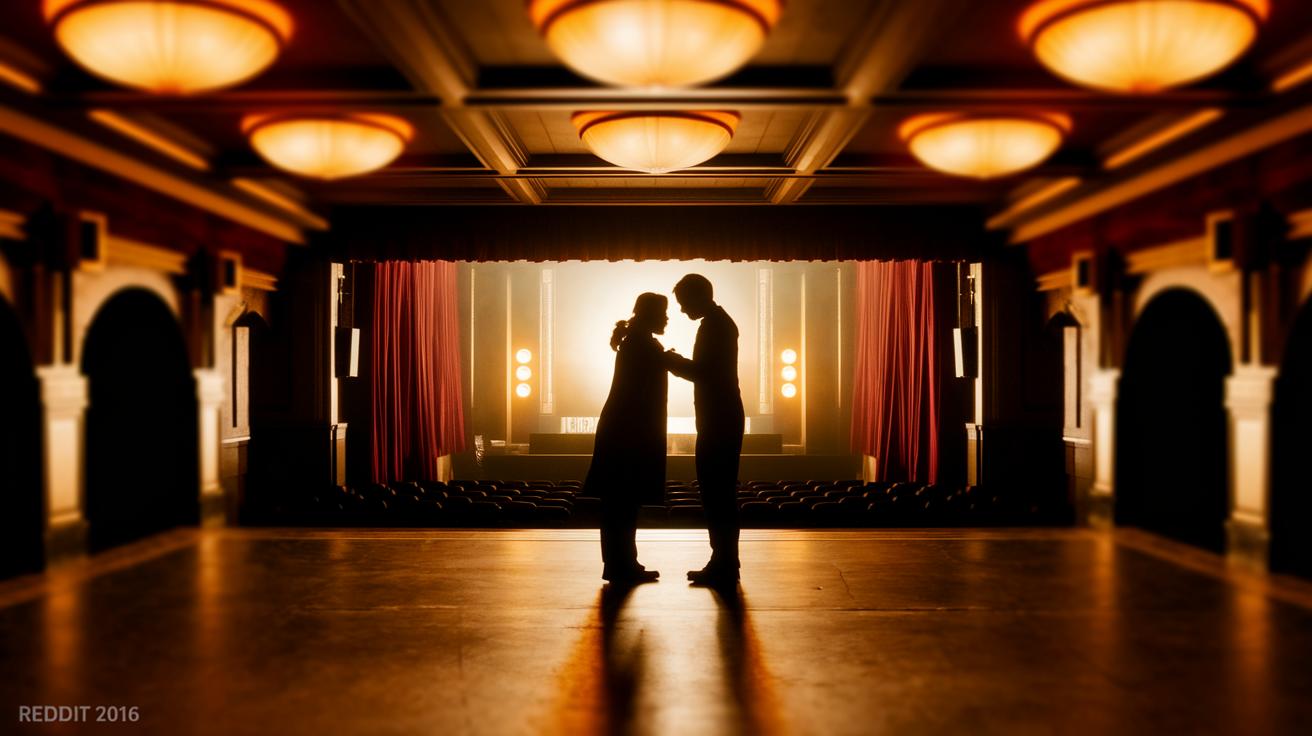
Old films like Casablanca (1942) and Gone with the Wind (1939) revolve around big, timeless themes such as love, betrayal, loss, and redemption. They use clear three-part storylines and plenty of dialogue that set the rules for storytelling even today. In these movies, characters wrestle with hard choices, go on deep journeys, and face dramatic twists that change everything.
Modern movies like The Shape of Water (2017) and La La Land (2016) follow these classic blueprints. Their characters are carefully drawn and take on challenges that test their beliefs and strength. Directors build their films with a simple setup, conflict, and resolution so that the feelings come across as both familiar and fresh. This approach lets viewers quickly warm to characters who grow in real ways over time.
Today, both big blockbusters and indie films mix old narrative formulas with new ideas. They bring in nostalgic film styles while adding modern themes that speak to today’s audience. These time-tested story structures remind us that good storytelling connects generations and keeps the magic of cinema alive.
Noir and Other Retro Genres Driving Modern Cinema Trends
Film noir has a unique look with dark visuals and complex characters. It uses high-contrast lighting, voice-over narration, and heroes who are not completely good. This style set the mood and built tension in old movies. Today, modern thrillers borrow these techniques to create a timeless and suspenseful feel.
Modern filmmakers mix classic looks with new visual tricks. They draw on old methods, like shadowy framing and clever storytelling, to make films that feel both vintage and fresh. This blend of retro style and modern flair adds depth and mood to the stories.
| Era | Key Characteristics | Modern Example |
|---|---|---|
| 1940s Noir | Strong shadows, tough detectives, and rich, dark scenes | Classic suspense films |
| 1970s Neo-noir | Gritty cityscapes, layered characters, and subtle moral shades | Urban crime dramas |
| 2010s Revival | Stylish camera work, creative voice-overs, and modern takes on old framing | Indie thrillers |
Today’s films use these retro touches to tell stories in a more engaging way. They honor the classic style while pushing new boundaries in cinema.
How Modern Directors Use Retro Films to Innovate Cinema Trends

Today’s filmmakers mix old school charm with modern tech to create films that feel both familiar and new. Take Quentin Tarantino, for example. He loves 1960s genre movies and often points to their off-beat storylines as a breath of fresh air. Meanwhile, Christopher Nolan prefers shooting on 35 mm and using hands-on effects. This blend of classic film stock, miniatures, and in-camera tricks with state-of-the-art digital effects gives movies a warm, nostalgic look that still feels cutting edge.
Many directors choose vintage methods as a nod to an era that celebrated tangible creativity and craft. A director might say, "I used old lenses to capture textures and warmth that modern tech sometimes loses." This approach honors classic filmmaking while pushing today’s trends forward. It deepens the visual storytelling and makes viewers feel a genuine connection. In short, modern directors transform the past into a creative tool, mixing tactile, hands-on techniques with digital speed to inspire new generations of film lovers.
– Alex Rivera, Staff Critic. Writes about innovative storytelling and classic homages.
Final Words
In the action, we covered how retro films continue to shape modern cinema trends. We touched on classic techniques, nostalgic visuals, timeless story structures, and even noir influences carved into today’s films. Modern directors mix old and new methods to craft engaging visual styles.
This post shows how retro films influence modern cinema trends by bridging past and present with creative storytelling and visuals. It’s a nod to filmmakers who value history and innovation, leaving us with more reasons to enjoy the magic of movies.
FAQ
Q: What do film history documentaries, film history timelines, and cinema documentaries offer?
A: Film history documentaries and timelines offer insights into the evolution of cinema, highlighting key moments, influential films, and technological milestones that have shaped storytelling today.
Q: Why are classic films important?
A: Classic films are important because they showcase early storytelling techniques, pioneering visual effects, and timeless narratives that continue to guide modern filmmakers and inform our understanding of cinematic art.
Q: What is the 20 30 rule in film?
A: The 20 30 rule in film refers to a guideline where significant narrative moments are expected around the 20–30 percent mark of a film’s runtime, helping filmmakers structure pacing and build tension effectively.
Q: What is the difference between old and modern cinema?
A: The difference between old and modern cinema lies in technology and style; older films often use practical effects and analog techniques, while modern films blend digital effects with innovative visuals and faster editing.
Q: Why do movies from the 90s look better?
A: Movies from the 90s often look better because they blend practical effects with early digital technology, offering a warm aesthetic, balanced lighting, and a distinctive film grain that many viewers find visually appealing.