
Ever bumped into the choice between a movie’s original voices and a version in your language? It might seem small, but it can really change your experience. Subtitles let you feel the actors’ true emotions, while dubbed audio lets you focus on the visuals without having to read along. Your pick depends on how you like to watch movies, if you enjoy capturing every word or if you prefer a smoother sound without extra reading. Think about your habits next time, and choose the track that works best for you.
Essential Factors for Choosing Dubbed or Subtitled Movies
When you watch a movie, you can either see subtitles or listen to a dubbed track. Subtitles show translated text at the bottom of the screen while you still hear the actors’ original voices. Dubbing, on the other hand, replaces the spoken words with a voice in your language.
Streaming sites now offer several language options. This lets you pick the version that works best for your reading habits and how well you understand different languages. In fact, a recent survey found that 53% of millennials prefer subtitles because they like reading the text while catching the original performance.
When deciding which option to choose, think about how you absorb audio and visuals. Dubbed movies let you focus on the action without the need to read, which works well if you’re watching in a noisy setting or enjoying a film full of fast-paced scenes. Subtitles, however, keep the actor’s true voices, preserving the film’s cultural feel and highlighting the acting, though they might pull your attention away from the visuals during long talks.
Cost matters as well. Subtitles are usually less expensive because there’s no need for voice casting and careful syncing. Dubbing tends to cost more since it involves writing scripts, hiring voice actors, and detailed editing. Still, new tech like AI-driven voices is making dubbing more affordable, so it can fit a tighter budget.
Cultural fit also plays a big role. A film can feel very different when you hear the original voices compared to a localized version. This choice can shape how much you connect with the movie. Some foreign films have even seen a 230% boost in French eCommerce sales with effective localization. Ultimately, picking the right track not only boosts viewer engagement but also helps the film reach a wider audience.
Audio vs. Visual: Evaluating Voiceover and Captions in Movie Versions

Voiceover, also known as dubbing, provides the film in your language while keeping the screen clear for every detail. New AI tools help match voices with on-screen action, though syncing isn’t always perfect and costs can be higher.
Subtitles keep the original actor performances intact. They support accessibility and give a boost to search rankings, though reading fast dialogue may sometimes distract from the visuals.
| Feature | Dubbing | Subtitles |
|---|---|---|
| On-screen Text | No text appears | Text overlays visuals |
| Audio Sync | Needs precise matching; AI helps with timing | Follows original dialogue |
| Production Cost | More expensive due to voice casting | Less expensive |
| Visual & Accessibility | Keeps visuals clear | May cover visuals but aids ADA compliance |
| Technological Enhancements | AI boosts voice casting and sync | Relies on traditional text overlays |
Cultural Nuances and Narrative Immersion in Dubbed vs. Subtitled Movies
Dubbed films let you focus on what’s happening on screen without reading text. The local voices help you stay engaged with the visuals, though sometimes they can miss the emotion of the original performance, leaving the cultural details feeling a bit muted.
Subtitled movies, however, let you hear the actors’ true tones. Take a film like Amélie, the English subtitles keep the film’s playful spirit and emotional cues intact so you experience it as intended. Even shows like Friends prove that while dubbing (like in the German version) adapts the humor to match local tastes, subtitles maintain the original charm. Translations in Simplified Chinese, Traditional Chinese, and Bahasa Indonesia go the extra mile to honor the film’s cultural message.
Choosing between the two depends on what you value more: the original vocal expression and cultural feel, or a smooth, localized audio track that lets you stay immersed in the visuals.
Budget, Workflow, and Technical Challenges in Dubbing and Subtitling
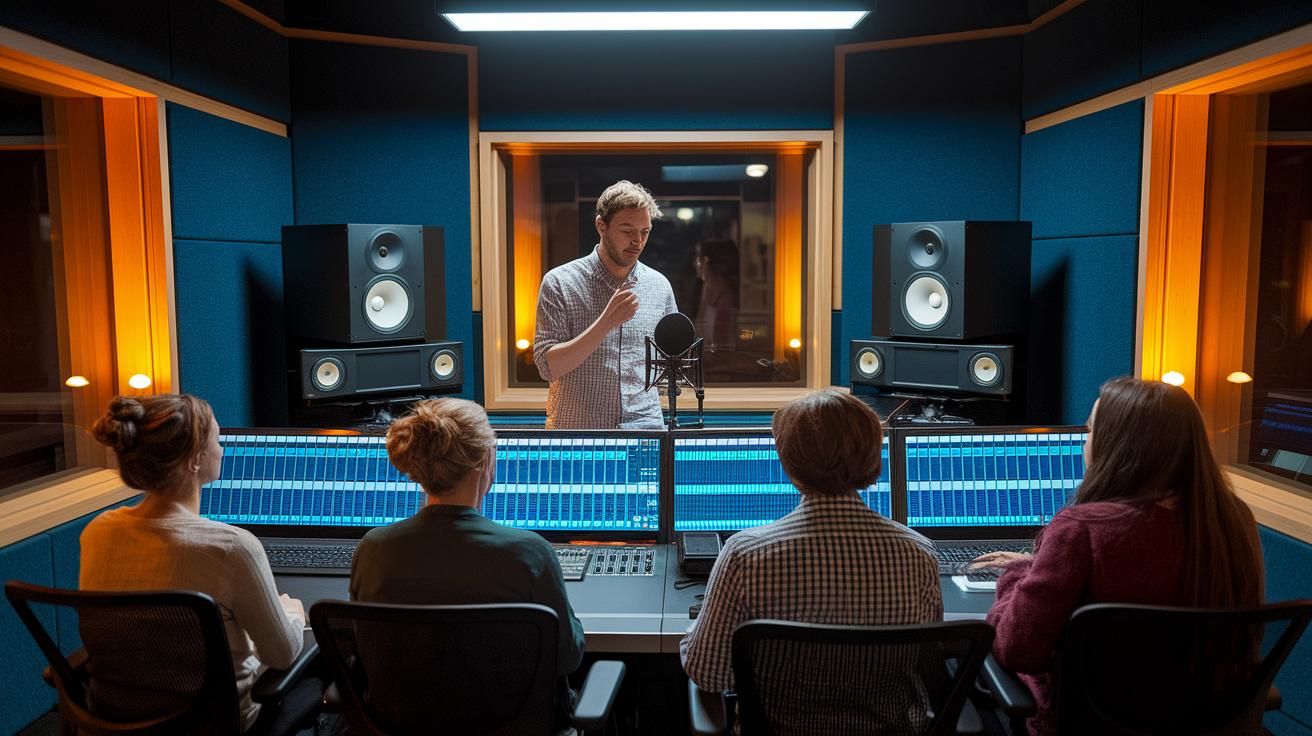
Before AI was applied, even small-scale dubbing projects could take weeks because matching voices to every nuance was done entirely by hand. Traditional dubbing begins by transcribing and translating the original dialogue. Next, voice actors are carefully chosen to match the mood and style of the characters on screen. Recording sessions then follow in controlled settings so that every line is clear and feels right. After recording, technical experts work to sync the new audio with the actors’ lip movements with great precision. This whole process needs many skilled people, which bumps up costs and stretches the project timeline. Recently, AI-driven synthetic voices are helping to speed things up and lower expenses by automating parts of the voice casting and syncing work.
Subtitling takes a slightly different path. The job starts with translating dialogue and then carefully matching each caption to the speech by time-coding it. The translation must follow strict style rules to keep the text consistent and easy to read. Even small mistakes in timing or clarity can pull the viewer out of the experience. Often, subtitling is quicker and cheaper compared to dubbing. However, its need for accurate timing and clear text means it still demands expert attention, especially because subtitles also serve as an important tool for accessibility.
Practical Tips and Scenarios for Selecting Dubbed or Subtitled Movie Options
If you find yourself watching a fast-paced action movie in a loud place like a busy café or while commuting, dubbing is a smart choice. It lets you catch every word without the strain of reading text on screen.
For films with rich language or intricate stories, subtitles work well. They let you enjoy the actors' original performances and pick up on cultural details. This option is great if you are learning a new language or simply want to feel the film's true emotion.
On smaller screens, dubbing offers a smoother experience since you don’t have to race your eyes over text. On the other hand, if you can read easily, subtitles not only enhance the viewing experience but also help d/Deaf and hard-of-hearing viewers.
Think about your surroundings, the kind of film you’re watching, and your personal habits. This way, you can decide whether the clarity of dubbing suits your situation or if the detailed performance in subtitles is a better match. Try both options and see which one keeps you more engaged.
Final Words
In the action, this post breaks down key factors like audio clarity, cultural feel, and technical details. It shows how different formats affect your viewing vibe without bogging you down in tech talk. Clear tips and real examples help you decide fast and smartly whether dubbing or subtitling fits your viewing setup. Now you know how to choose between dubbed and subtitled movies while keeping your movie night smooth and enjoyable. Happy watching!
FAQ
What is the difference between dubbing and voiceover?
Dubbing replaces a film’s original dialogue with localized voices to match on-screen action, while voiceover adds narration or commentary on top of the original audio without replacing all spoken lines.
What are dubbed movies and dubbed anime?
Dubbed movies, including dubbed anime, have their original dialogue replaced with a recorded voice track in another language. This helps audiences who prefer listening in their native language while watching familiar visuals.
How do dubbed versus subbed movies compare, and is it better to watch one over the other?
Dubbed films offer fully localized audio but may have sync issues, while subbed films retain original performances and cultural nuances. The choice depends on viewer language skills and preference for authenticity or convenience.
Where can I find free English dubbed movies and how can I change the language on a movie?
To watch free English dubbed movies, check streaming services offering multiple audio options. You can usually change the language in the player’s settings or audio menu for your preferred track.
What does dubbing mean in movie production?
Dubbing means replacing a movie’s original spoken dialogue with a new voice track in another language. This process helps localize the content for different audiences while keeping the visuals unchanged.
What does DOB mean in movies?
DOB in movies typically stands for “date of birth,” used when providing biographical details about an actor or crew member. Always check the context, as meanings may vary slightly in different sections.
Why do some people prefer subtitles over dubbed versions?
People prefer subtitles because they preserve the original delivery and cultural tone of the film. Subtitles offer a direct translation that maintains the actor’s authentic performance without altering the audio.
Why might dubbing not match the subtitles perfectly?
Dubbing may not perfectly match subtitles due to timing differences and language structure changes. This can lead to lip sync issues and slight deviations from the original dialogue’s pacing or meaning.