
Are today's special effects more than just pretty images? Modern films mix smart CGI with real-life props to push creative limits, sparking debates among fans and critics. They blend digital magic with hands-on effects so that every scene draws you in deeper. Now, critics weigh the technical skill of these effects alongside how well they serve the story. This look at modern cinema asks: Can dazzling visuals drive the narrative without overshadowing it?
Special Effects: Driving Forces Behind Contemporary Film Critique
Special effects have completely changed how we watch movies. They push technical limits and turn films into a visual treat. Critics now judge these effects based on how new the techniques are, how well they fit the story, how grand they look, and the feelings they stir. For example, some blockbusters use digital tricks so well that viewers sometimes wonder if what they are feeling is real or just computer magic.
Filmmakers mix real props with digital wizardry to build worlds you can almost step into. Critics love effects that not only dazzle but also make the story feel deeper and give characters more life. However, when a movie relies too much on digital effects, audiences can quickly say, "It is just CGI," missing out on the art behind the technique. This shows that the best movies balance clever tech with real emotion.
Reviewers often point out scenes where miniature models and computer graphics work side by side. Fancy techniques like motion capture (which records an actor’s moves for digital effects) and photorealistic rendering (making digital images look very real) raise films to a higher level, even if they sometimes steal focus from character growth.
Today, film critics look at special effects through two lenses. They measure strict technical skill and also consider how the effects help tell the story. This dual view makes sure that even when movies aim for mind-blowing visuals, they never forget to serve a story that truly matters.
Historical Impact of Special Effects on Film Criticism

In the silent era, filmmakers used hands-on techniques like trick photography, matte paintings, and inventiveness to create striking visuals. Audiences marveled at these physical effects that hinted at larger, unseen worlds. For example, imagine a city skyline painted on glass that magically transforms an empty stage into a lively scene.
By 1977, Star Wars reshaped how films looked. Its use of motion control cameras and detailed miniatures pushed filmmakers to deliver more impressive visuals. Critics began to judge films not just on their stories, but on how convincingly they crafted their visual worlds.
Then, in 1993, Jurassic Park mixed CGI (computer-generated imagery) with animatronics to create lifelike dinosaurs. Reviews started to focus on how well digital magic balanced with the film’s emotional pull. Avatar in 2009 further raised the bar with photorealistic environments and motion capture, challenging audiences to rethink what looks real on screen.
Each of these milestones changed the way critics measure films by blending art and technology to create deeper cinematic experiences.
Case Studies: Critical Reception of Landmark Special Effects Films
Star Wars (1977)
Star Wars broke new ground with detailed miniatures, painted backgrounds (matte paintings), and clever moving-camera setups (motion control). Reviews at the time celebrated its vast scale and rich world. Critics noted that the film’s real-life effects made the universe feel both grand and close. One reviewer mentioned that the film’s practical touches created a world that felt wide yet personal.
Jurassic Park (1993)
Jurassic Park mixed computer effects (CGI) with real animatronics to bring dinosaurs to life. Critics loved the lifelike creatures and said the film raised the bar for realistic visuals. Its blend of effects sparked talks about how physical and digital methods work together. One reviewer said the movie made prehistoric life look more real than ever while supporting a strong story.
Avatar (2009)
Avatar pushed the limits of full-body motion capture and lifelike digital worlds. Critics praised the film for drawing viewers into its story with immersive visuals. They noted that blending real performance with digital art changed what audiences expected from movies. One analysis remarked that the movie’s visual breakthroughs helped tell a deeper story than just a show of special effects.
Technical and Aesthetic Criteria in Special Effects Appraisal
Critics now judge special effects by simple and clear points. They check if the visuals feel real, if creative digital art lifts a scene, and if the effects mix well with live action. This method works for both physical effects and digital work. Practical effects like props, makeup, and animatronics give a film a real touch, while digital VFX use techniques like compositing, simulation, and rendering to build images that sometimes go beyond what we normally see.
Modern tools such as rotoscoping, ray tracing, and photogrammetry add extra detail you might miss at first glance. These tools are valued when they add subtle texture and richer visuals. In postproduction, critics check that the editing keeps the film’s pace and mood, making the effects feel like a natural part of the story. The visual work should support the plot without taking attention away from the characters.
| Criterion | Review Question |
|---|---|
| Realism | Do the effects convincingly imitate real life? |
| Creativity | Does the work show fresh ideas and technical skill? |
| Integration | Do both practical and digital elements blend well with the live performance? |
This framework shows how clear standards help critics decide if special effects enhance a film. By blending realism with creative vision, effects can boost the story without overwhelming the viewer.
Emerging Technologies and Future Directions for Special Effects in Film Critique
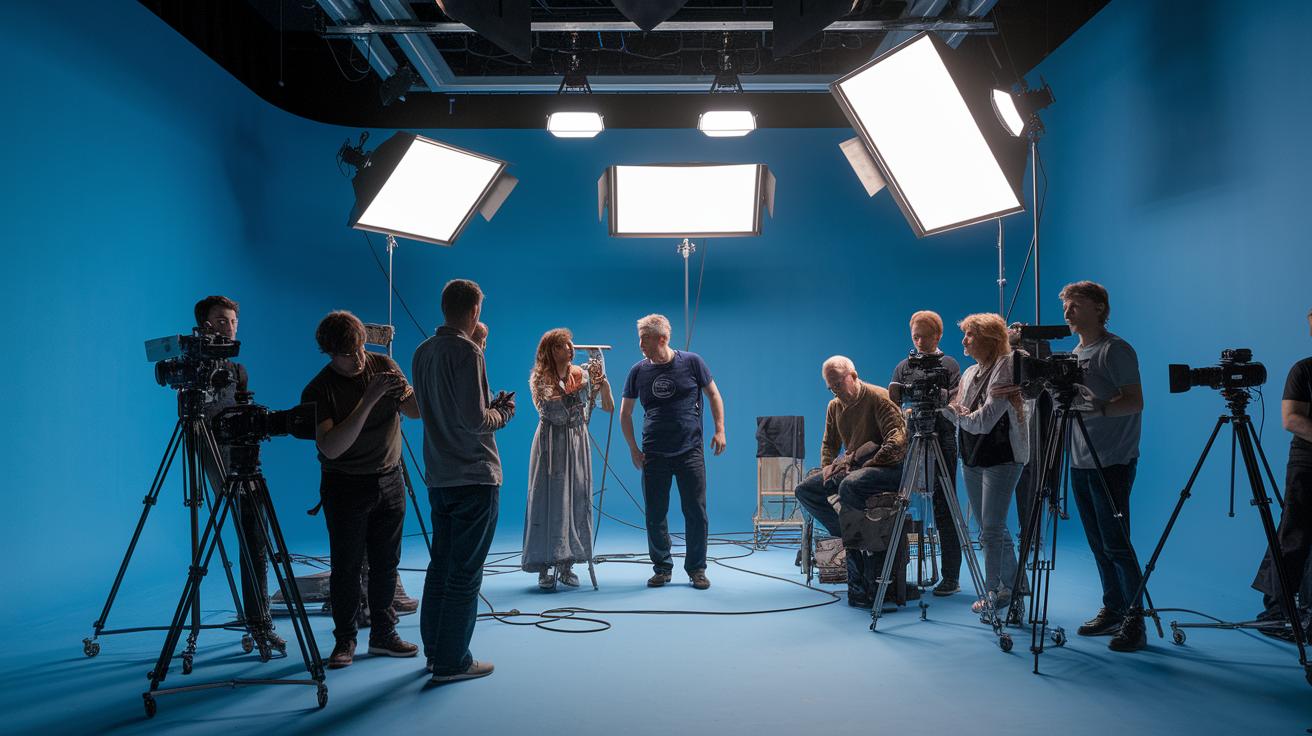
Next-generation tools such as virtual production, augmented reality, and AI-driven methods are changing how films look. Virtual production lets directors see computer graphics on set while shooting, so adjustments can be made quickly. For example, a scene with live digital backdrops might prompt a director to say, "We changed the lighting as soon as the AR elements appeared."
Augmented reality adds digital images over live action, creating a mix of real and computer-made scenes. This real-time blend means postproduction teams now work closely with on-set digital artists. Critics are now looking at how these new methods change storytelling and affect how viewers feel.
Key points include:
- Virtual production reshaping on-set decision making
- AI tools refining digital effects during filming
- Augmented reality merging physical and digital worlds
As digital technology grows, film reviewers need new ways to judge AI-enhanced imagery and mixed techniques. Future criteria will likely focus on how smoothly these elements blend with the story and whether they truly help tell the tale.
Final Words
In the action, we traced special effects from early trick photography to digital breakthroughs that reshape film critique. We saw how films like Star Wars, Jurassic Park, and Avatar set new standards for realistic immersion and narrative integration.
The discussion highlighted how critics now balance technical innovation with storytelling cues. We also looked at emerging tech that promises further impact of special effects on film critique.
This exploration confirms that while critique standards do evolve, the blend of art and tech keeps cinema endlessly exciting.
FAQ
What is the negative impact of special effects on film critique?
The negative impact of special effects on film critique shows when an overreliance on visuals distracts from story and character depth, leading critics to question a film’s overall balance.
What is the impact of special effects on a film critique essay?
The impact of special effects on a film critique essay appears when analyzing how effects influence narrative immersion and audience perception, balancing technical flair with storytelling strengths.
What is the difference between practical effects vs special effects?
The difference between practical effects vs special effects is that practical effects use physical methods like props and makeup, while special effects often rely on digital imagery for visual enhancement.
What are some special effects examples?
Special effects examples include CGI in Jurassic Park, photorealistic environments in Avatar, and the matte paintings used in Star Wars, each proving vital in enhancing film impressions.
What distinguishes special effects from visual effects?
Special effects differ from visual effects in that special effects involve in-camera methods and physical techniques, whereas visual effects use digital postproduction to create or refine imagery.
What is the history of special effects in film?
The history of special effects in film spans from early trick photography and matte paintings to modern CGI and motion capture, each era reshaping film critique perspectives.
What are the types of special effects?
The types of special effects include practical effects, such as animatronics and prosthetics, and digital techniques like CGI and digital compositing, both critical in modern filmmaking.
What is special effects in film?
Special effects in film are techniques used to create illusions that support storytelling, ranging from physical props to complex digital imagery that enhances the viewer’s experience.
How do special effects impact a film?
Special effects impact a film by boosting visual excitement and narrative immersion, though if overused they can sometimes take attention away from characters and the plot.
What are the 5 C’s of cinematography?
The 5 C’s of cinematography include camera angles, continuity, close-ups, composition, and cutting, all of which shape a film’s pacing and overall visual storytelling.
What role do special effects play in movies?
Special effects play a role in movies by creating immersive worlds and enhancing visual engagement, with critics evaluating how well they integrate with and support the narrative.
Why isn’t CGI as good as it used to be?
The notion that CGI isn’t as good as it used to be comes from growing expectations and repeated techniques that sometimes leave audiences feeling the technology lacks the original innovative spark.