

Ever wonder why some movies feel inviting while others seem off-limits? An international film classification guide lays out simple, clear rules for rating films. It uses labels like G, PG, and R to set viewer expectations, making it easier for families, filmmakers, and distributors to feel confident in the system. Unified standards help smooth out regional differences and bring order to our choices at the theater or on streaming. Explore how clear film ratings are shaping how we watch movies worldwide.
Global Framework for International Film Classification
Film-rating systems got started in 1968 after the old Hays Code ended. Today, they serve as a global guide for rating films. These systems set clear rules, using labels like G, M (used from 1968 to 1970), GP/PG (from 1972), PG-13 (introduced in 1984), R, and X. Later, X was replaced by NC-17 in 1990, and in 1996 the age limits became even stricter.
These ratings work like a content code, making it easier for viewers to know what to expect. They check for elements such as language, violence, sex or nudity, drug use, horror, and discrimination. Before film content was widely available, word-of-mouth made every screening an unpredictable adventure. Now, the handbook offers a clear and reliable framework.
By having standard definitions and criteria, the guide reduces regional differences. It helps film distributors and streaming services follow local rules and meet parent guidance standards. Filmmakers can even change parts of their films during post-production to reach larger audiences and avoid screening issues. In short, using unified rules boosts trust among viewers across different cultures.
Regulatory Bodies and Rating Methodologies for International Film Classification

In the U.S., the film rating system is led by CARA, established in 1968. It brings together three senior MPAA staff members and up to ten anonymous parent members aged 5 to 15. They serve for no more than seven years or until the youngest turns 21. This mix of experts and parents helps create a balanced review.
In India, the Central Board of Film Certification works under government rules. Recently, it demanded that 1 minute and 55 seconds be cut from a film to meet local cultural norms. This shows a firm, rules-based approach that respects regional values.
In Indonesia, authorities are making sure films suit the right age groups by using digital content filters on streaming services. These filters help match film content with age guidelines to protect younger viewers.
| Organization | Key Feature |
|---|---|
| CARA (U.S.) | Mix of professional staff and parental views |
| CBFC (India) | Strict content cuts to honor local standards |
| Indonesian Authorities | Digital filters ensure age-appropriate content |
This overview shows how different regulators use their own tools and approaches to check films against technical and cultural standards.
Comparative Analysis of Worldwide Movie Classification Standards
The global film classification guide shows that most rating systems use similar rules like language, violence, sex or nudity, and drug use. However, they do not always use the same words or age limits. For example, a film rated R in the US that keeps young viewers away might be seen as PG-13 or even milder in another country. In some places, strong dialogue warns of mature content, while in others it simply highlights lively storytelling. These differences create an interesting mix of guidelines.
Different countries have their own ways to rate films. In the United States, the MPAA uses both expert staff and regular parents to set rules. Other places, like India and Indonesia, rely on local customs to decide on cuts or use digital filters. These choices affect not only how films are enforced but also their box office success and global distribution plans.
New technology such as Spherex greenlight helps turn local rules into advantages by offering flexible rating methods. Custom age ratings can lower legal risks and attract more viewers. Platforms like Netflix now use AI tools to tweak content so it meets regional standards. These tech advances make rules more precise while respecting local culture, bridging the gap between broad guidelines and local needs.
A side-by-side look at these rating systems shows clear differences in age limits and enforcement methods. European systems might allow scenes that would seem too intense in the US, and some markets may favor softer ratings because of economic reasons. The global classification guide is an important tool for filmmakers and distributors. It reminds us that a one-size-fits-all rating rarely works and that adjustments are needed to match legal and cultural standards. This insight helps create films that travel easily across borders and connect with diverse audiences.
Historical Evolution of International Film Classification
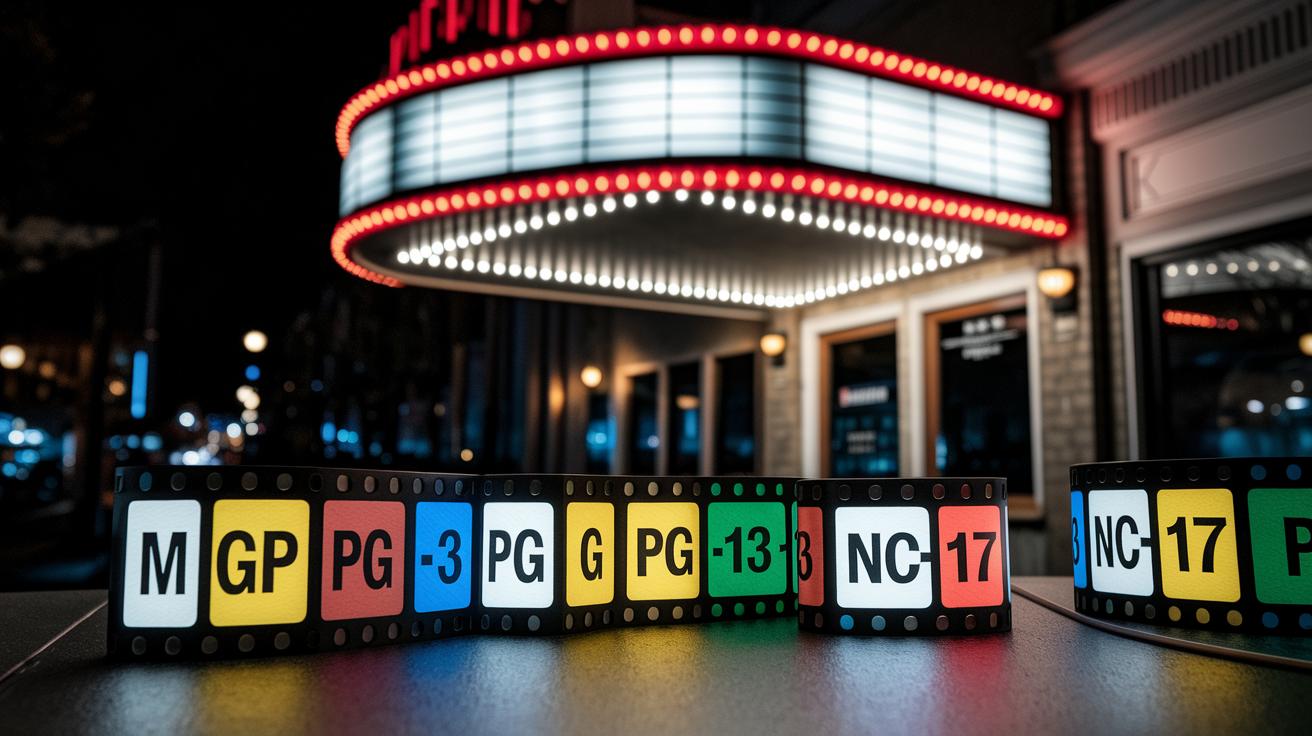
This section shares key stories that helped shape today's film ratings. Once, films were given an M rating to show they were for mature viewers, but it soon confused many. This led to a change: the rating switched to GP in 1970 and then to PG by 1972.
Movies like Gremlins in 1984 stirred strong public reactions. This response led to the new PG-13 rating, which fills the gap between PG and R. Later, cultural shifts made the film industry replace the X rating with NC-17, this change started in 1990 and was completed by 1996. Meanwhile, films that skipped a formal rating got tags like NR or UR, which still meant they had limits.
Classification Criteria Fundamentals for International Film Classification
The international film classification handbook is built on simple ideas that decide film ratings. It looks at things like violence, language, sex and nudity, drug use, and discrimination to determine which age groups a film suits. For example, a scene with quick cuts showing brutal combat tells you the film is intense and raw. These clear details keep the standards fair everywhere.
Each rating, from G to NC-17, comes directly from these factors. The handbook breaks down each point to offer filmmakers, distributors, and families a straightforward look at a film’s contents. With short examples, like a scene where harsh dialogue ramps up the tension, the guidelines show that ratings are based on real, everyday moments.
| Criterion | Definition |
|---|---|
| Violence | How much harm is shown and how often |
| Language | Levels of profanity or hurtful speech |
| Sex/Nudity | How open or detailed it is |
| Drug Use | How drugs are shown and used in the story |
| Discrimination | How prejudice or bias is portrayed |
This clear breakdown ensures the handbook offers honest and consistent film ratings around the world.
Advisory Board Procedures Review for International Film Classification

The details in this section are now included in the regulatory bodies discussion. You'll find all the information about CARA's advisory board setup for film classification in that part.
Practical Applications of International Film Classification
The international film classification handbook is a key tool for movie distributors and streaming services. It helps them meet legal and cultural rules across different regions. For example, places like Wyoming and South Dakota have strict online age-check laws. This forces companies to update how they verify viewer ages, which is crucial for staying on the right side of the law.
Streaming platforms also have to adjust content for each region. Many now use AI filters that change films automatically to comply with local rules. In Indonesia, for instance, entire streaming services rely on these filters to meet local guidelines. This is a clear example of how rules in one country can influence global practices.
By following these standards closely, companies can stand out in the market. Strengthening their film rating systems not only cuts legal risks but also boosts their reputation. Using the handbook’s best practices, they can protect their content and reach a wider audience around the world.
Final Words
In the action, this article broke down the global framework for film classification and traced how rating systems evolved from the 1960s onward. It covered how regulatory bodies set guidelines, compared different national standards, and explained key elements like violence, language, sex/nudity, and drug use. Each section highlighted the roles of advisory procedures and practical applications that shape film ratings today. This clear guide shows why the international film classification handbook matters in ensuring audiences get accurate film recommendations. Enjoy your next movie night with confidence!
FAQ
International film classification handbook pdf
The term “international film classification handbook pdf” points to a downloadable version of the guide that outlines global film rating standards and criteria, helping professionals understand film content evaluations.
All movie ratings and meanings
The all movie ratings and meanings overview explains what labels like G, PG, PG-13, R, and NC-17 designate, detailing the content guidelines and age-appropriate recommendations for each classification.
Motion Picture Association film rating system
The Motion Picture Association film rating system is a framework that assigns movie ratings based on factors such as language, violence, and nudity, aiming to guide viewers in selecting films that suit their sensitivity levels.
Film ratings guide
A film ratings guide breaks down the various classifications films receive, describing content warnings and age limits to help viewers quickly decide if a movie matches their viewing preferences.
Movie ratings chart
A movie ratings chart visually compares film classifications, showing the differences among ratings and summarizing essential content factors, which assists viewers in understanding the suitability of a film.
What movies are rated NC-17
Movies rated NC-17 contain content considered too intense or explicit for an R rating, often featuring strong sexual themes or explicit scenes, and are generally intended for adult audiences only.
New movie ratings in order
New movie ratings in order refer to the sequence starting with family-friendly labels like G and progressing through PG, PG-13, R, then NC-17, each step signifying increasing mature content.
Reasons for movie ratings
Reasons for movie ratings include evaluating elements such as language, violence, sex, and drug use; these criteria determine the appropriate age group for viewing and help audiences understand film content before watching.
Is TV MA worse or better than R?
TV MA indicates that a television program contains mature content intended solely for adults, while an R rating for movies suggests that younger viewers can watch only with parental guidance, making them different rather than better or worse.
What is the 2.5 rule for movies?
The 2.5 rule for movies is a guideline that assesses film content by specific thresholds, ensuring that elements within a film meet set criteria for age-appropriate classification.
What are the 5 movie classification ratings?
The five movie classification ratings—commonly G, PG, PG-13, R, and NC-17—serve to indicate the suitability of film content for different audiences, from all ages to mature viewers only.
What is UA16+ in movies?
UA16+ in movies indicates that while the film can be viewed by younger audiences, viewers under 16 should have parental guidance due to mature themes or content that might require additional discretion.