
Have you ever wondered whether you’re overspending on a monthly subscription when renting movies might actually work better for you? Video on demand gives you the choice to match your viewing style. Paying for each movie feels like buying a one-time ticket to a special show, while a subscription offers you a steady stream of films and series. In this guide, we break down when renting makes more sense versus going all in with a subscription, so you can pick the option that fits both your lifestyle and your budget.
Renting vs Subscribing: Finding the Right Fit
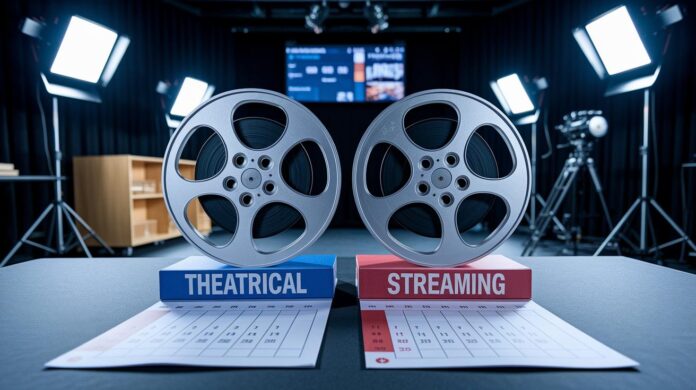
Video on demand lets you choose what to watch at any moment. You can browse, play, pause, rewind, or resume content instantly. This is much different from regular TV that runs on a set schedule. One form of VOD is transactional video on demand. With this option, you pay for each title. Typically, you get a 30-day window to begin watching and a 48-hour period to finish once you start. This works well if you don’t watch very often or if you only want the newest hits.
Subscription video on demand works differently. You pay a monthly or yearly fee to access a huge library of shows and movies. In 2024, these services grew fast, and by May 2025, platforms like Netflix had over 94 million active users on their ad-supported plan. Many apps mix subscription with ad-supported and transactional models to fit different viewing styles.
| Model | Payment & Access |
|---|---|
| VOD | Pay per title, 30-day start window, 48-hour finishing period |
| SVOD | Monthly or yearly fee with unlimited access, with ad-supported or ad-free options |
VOD vs SVOD Models Explained

Video on demand comes in two main types. Transactional VOD (TVOD) lets you pay just once for each movie or show you want to watch. If you crave a blockbuster without a monthly fee, TVOD is the simple pick-you-pay way.
On the other hand, Subscription VOD (SVOD) offers a big, growing library for a regular fee. This service adds fresh titles often and gives you the choice of watching with ads or ad-free. It’s perfect for binge watchers and series fans who like a steady stream of new content.
Transactional VOD (TVOD)
TVOD is great for occasional viewing. You pay for each title only when you watch it.
Subscription VOD (SVOD)
SVOD works with a recurring fee that unlocks an ever-improving catalog. You get new releases frequently and can choose between plans with ads or without.
Pros and Cons of Renting Movies (VOD)
Renting movies is a quick way to watch only what you want, without paying monthly fees. It gets rid of subscription hassles and canceling fees, which is great if you don’t watch a lot. Plus, it lets you catch that new blockbuster on its release day. Here are some clear benefits of VOD rentals:
- You only pay for the films you choose.
- No regular fees, which means no long-term commitment.
- Perfect for watching a single, fresh release.
- You have the freedom to rent when it suits you.
- It keeps your watch list simple without a huge subscription catalog.
On the other hand, renting movies can cost more if you do it often and won’t build a lasting collection of favorites. The available titles might change with the seasons, and the rental period is short. Here are a few downsides:
- Costs add up if you rent frequently.
- Movies aren’t saved in your collection permanently.
- Rental choices can depend on seasonal trends.
- There’s a limited time window to watch (30 days to start and 48 hours to finish).
- The selection may vary due to unstable rental revenues.
Pros and Cons of Subscribing to SVOD
SVOD lets you pay one fixed fee for heaps of movies, shows, and exclusive content. You know exactly what you'll spend each month or year, which makes budgeting a breeze. New titles pop up regularly, so there's always something fresh to watch. Since you don't pay per title, you avoid surprise rental fees. However, many users tend to cancel after a short burst of use. For those on a budget, cheaper ad-supported plans are an option, though ads can interrupt your viewing.
Here are the benefits of choosing SVOD:
- Unlimited access to a large catalog for one fee
- Constant stream of new titles to keep the library fresh
- Easy budgeting with predictable costs
- Choice between ad-free or ad-supported viewing
- Simple setup with one recurring payment
On the flip side, here are some drawbacks:
- You might pay for shows or movies you rarely watch
- High competition can lead to quick cancellations
- Lower-priced plans may come with frequent ad breaks
- Too many choices can make it hard to pick something
- Infrequent viewers might not get as much value compared to occasional rentals
Cost Analysis: VOD vs SVOD
This discussion has been folded into the Renting vs Subscribing and VOD vs SVOD Models Explained sections. There, you'll find clear details on how payments work, revenue trends, ad-supported and hybrid setups, and how pricing is structured.
Best Viewing Scenarios for Renting vs Subscribing
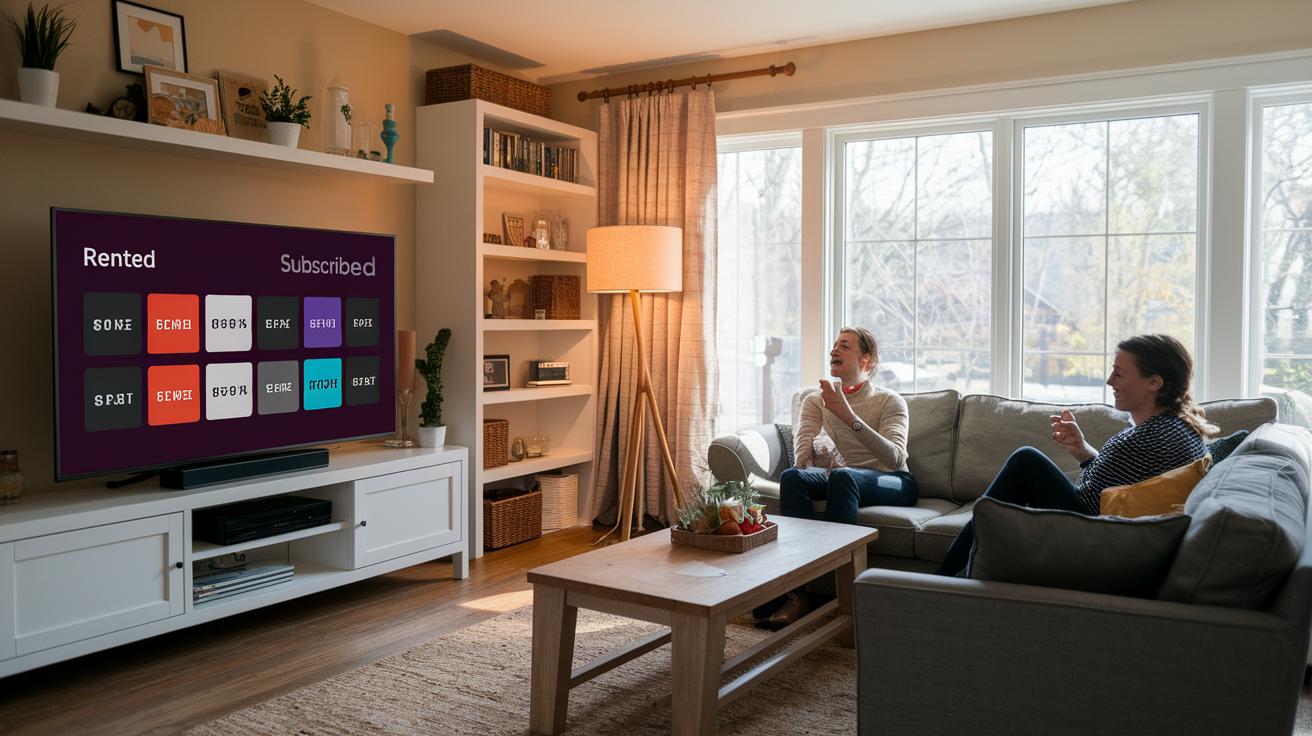
Your viewing style matters. If you like watching a big movie or live event once in a while without paying every month, renting is a smart choice. On the other hand, if you love a steady stream of shows and new episodes without interruptions, subscribing is for you. Some platforms even combine ads with subscriptions to help you save money. Your pick hangs on how often you watch, what you enjoy, and whether you prefer one awesome movie night or an endless library at one flat rate.
- Avid series watcher – Subscribing means endless episodes
- Occasional movie buff – Renting lets you choose select blockbusters
- Live event fan – Renting is best for one-time live events
- Budget-conscious viewer – A mix of subscription with ads keeps costs low
- Casual film viewer – Renting gives you no-commitment choices
- Family content seeker – A subscription offers a wide selection for one monthly fee
Actionable Tips for Your Renting vs Subscription Choice
When you have to choose between renting a movie and subscribing to a service, think about how many movies you watch and what fits your budget. Most streaming services offer free trials so you can test out their selection without signing up long term. Count the movies you rent each month to see if a subscription might help you save money in the long run. Compare plans that show ads with those that do not so you can match the cost to the experience you want. Also, decide if having more recent or exclusive shows is important to you.
- Figure out how much you spend on rentals each month.
- Take advantage of free trial periods to check service quality.
- Look at both ad-supported and ad-free plans to find the best value.
- Keep track of how many new releases you watch.
- Review your monthly viewing habits to choose the best option.
Final Words
In the action, we walked through the core differences between renting (VOD) and subscribing (SVOD). The discussion broke down each model, weighed their strengths and drawbacks, and examined when each option fits best. We also looked at cost patterns and practical tips to help you decide quickly.
The guide wraps up with a clear answer on it worth renting vs subscribing (VOD vs SVOD guide). Enjoy your next movie night with confidence.
FAQ
What are the differences among VOD, SVOD, AVOD, FAST, and OTT?
The differences among these models lie in payment and access. VOD (TVOD) uses pay-per-title rentals, SVOD offers unlimited access for a regular fee, AVOD provides free viewing with ads, FAST delivers live channels, and OTT combines these methods on streaming platforms.
What are the downsides of VOD?
The downsides of VOD include paying per title and restricted viewing windows. This model is best for occasional viewing since frequent rentals can add up quickly compared to flat-fee subscriptions.
What is the difference between SVOD and VOD?
The difference is that SVOD requires a recurring fee for unlimited access to a library of titles, while VOD charges you per title with set time limits to start and finish your movie.
How much does VOD typically cost?
VOD usually costs between $3 and $6 per title, though prices may vary depending on the film’s popularity and the platform’s pricing scheme.
What are the drawbacks of AVOD?
The drawbacks of AVOD are frequent commercial breaks and lower streaming quality at times. Ads may interrupt viewing, which can affect the overall enjoyment of the content.