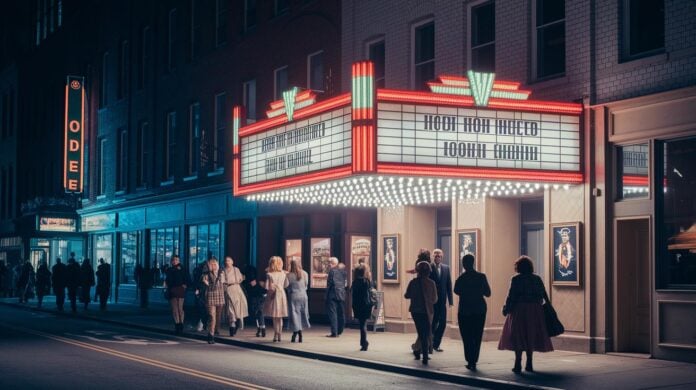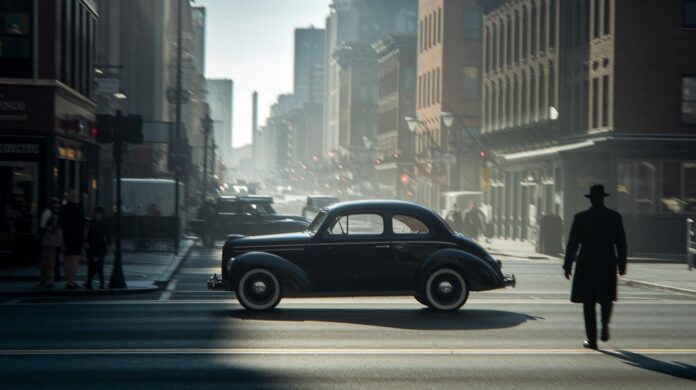

Have you ever noticed how movies capture history and touch your heart? French films show that storytelling goes far beyond just words. They use bold visuals and honest tales to bring old Paris streets and true moments to life on screen. These films remind us that cinema can mix art with deep emotion in every scene. Give them a look to see why they continue to light up screens and inspire us all.
Must-Watch Classic French Movies: Essential Recommendations
French movies mix bold visuals with clear, heartfelt stories. They capture snapshots of history and evoke moods that feel both artistic and real. These classics continue to inspire both filmmakers and audiences today.
Each film offers a window into a rich past where every scene is carefully crafted. From inventive camera work in narrow Paris streets to meticulous restoration efforts, these films blend creativity with raw emotion. They show us that a movie can be as beautiful as a poem and as engaging as a great story.
- Breathless (1960), directed by Jean-Luc Godard – fully restored in 2010, famous for its scenes in Saint-Germain and Montparnasse.
- Jules et Jim (1962), directed by François Truffaut – noted for its Criterion Collection restoration and Jeanne Moreau’s standout role.
- Cléo de 5 à 7 (1962), directed by Agnès Varda – celebrated for its digital restoration and real-time glimpse into Paris life.
- Le Samouraï (1967), directed by Jean-Pierre Melville – known for Alain Delon’s cool portrayal of a lone hitman in classic French style.
- Belle de Jour (1967), directed by Luis Buñuel – remembered as a surreal drama that challenges both social and film norms.
- Last Tango in Paris (1972), directed by Bernardo Bertolucci – famous for its daring on-screen relationships and memorable Paris scenes.
- La Jetée (1962), directed by Chris Marker – a landmark film that uses nearly all-still photos to pioneer a unique time-travel narrative.
- Amélie (2001), directed by Jean-Pierre Jeunet – loved for Audrey Tautou’s charm and its vibrant scenes around Gare de Lyon and Montmartre.
These films show how French cinema takes creative risks and uses clever techniques to turn everyday moments into unforgettable screen magic.
The Golden Age of French Cinema: Early Milestones and Innovations
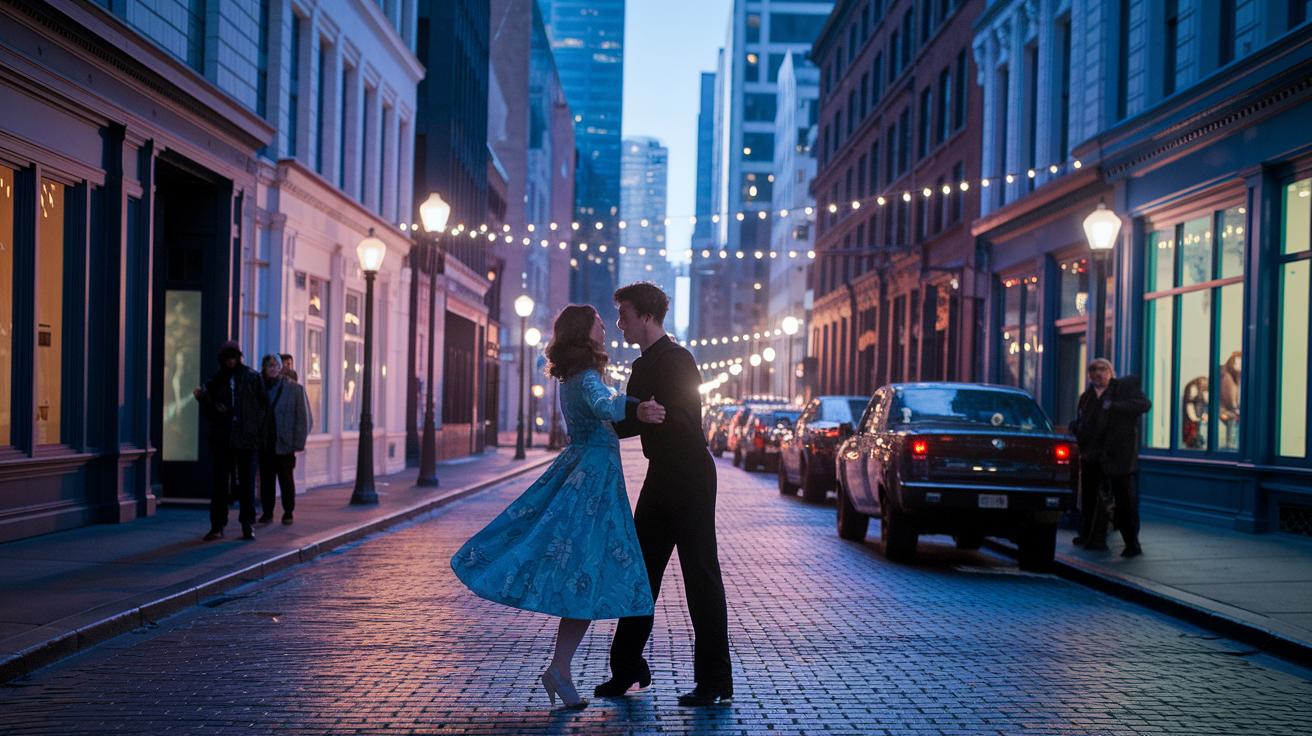
After World War II, French films began telling stories in fresh, poetic ways. Jean Cocteau's Orphée (1950) gives an old Orpheus tale a modern twist. With its poetic visuals and inventive storytelling (each scene looks like a carefully painted picture), it lets us see familiar legends in a brand new light. Imagine a film where dreams blend with reality, mesmerizing viewers with a mix of myth and emotion.
Musicals also had a big moment. Vincente Minnelli directed An American in Paris (1951), featuring Gene Kelly’s unforgettable dance moves and Leslie Caron’s captivating performance. Its famous 17-minute finale, set against scenes inspired by French art, brings musical joy and visual beauty to life, capturing the essence of Paris with every step.
Chris Marker’s La Jetée (1962) broke the mold by using almost entirely still photographs to tell its story. This simple yet daring approach changed how films could tell narratives. Its minimalist style has influenced modern science fiction and remains a landmark of visual creativity in cinema history.
Pioneering Directors & Legendary Icons in Classic French Movies
Jean-Luc Godard changed the film world with Breathless (1960). He broke the old rules by using jump cuts that gave his scenes a burst of energy. His fresh ideas opened the door for films to feel more spontaneous and real. In a similar way, François Truffaut’s Jules et Jim (1962) gently explores modern love, where Jeanne Moreau’s spirited performance brings out deep emotions and human vulnerability. Together, their work helped start the French New Wave, inspiring a wave of new storytellers with a simpler, more heartfelt approach.
Jean-Pierre Melville took crime drama in a new direction with Le Samouraï (1967). His quiet, careful style focuses on little details that create a strong mood. Alain Delon, as the lone hitman in a cool trench coat and fedora, perfectly captures a calm and distant air. This classic film set a high bar for the slick, stylish look of film noir, influencing how crime stories are told even today.
Luis Buñuel surprised audiences with Belle de Jour (1967) by mixing everyday drama with surreal and bold images that question normal social rules. On another note, Jean-Pierre Jeunet captured hearts with Amélie (2001) through a playful style that turns typical Paris into a magical playground. Even though their films feel very different, each one adds to the rich legacy of French cinema through artful storytelling and genuine emotion.
Essence of the French New Wave in Classic French Movies
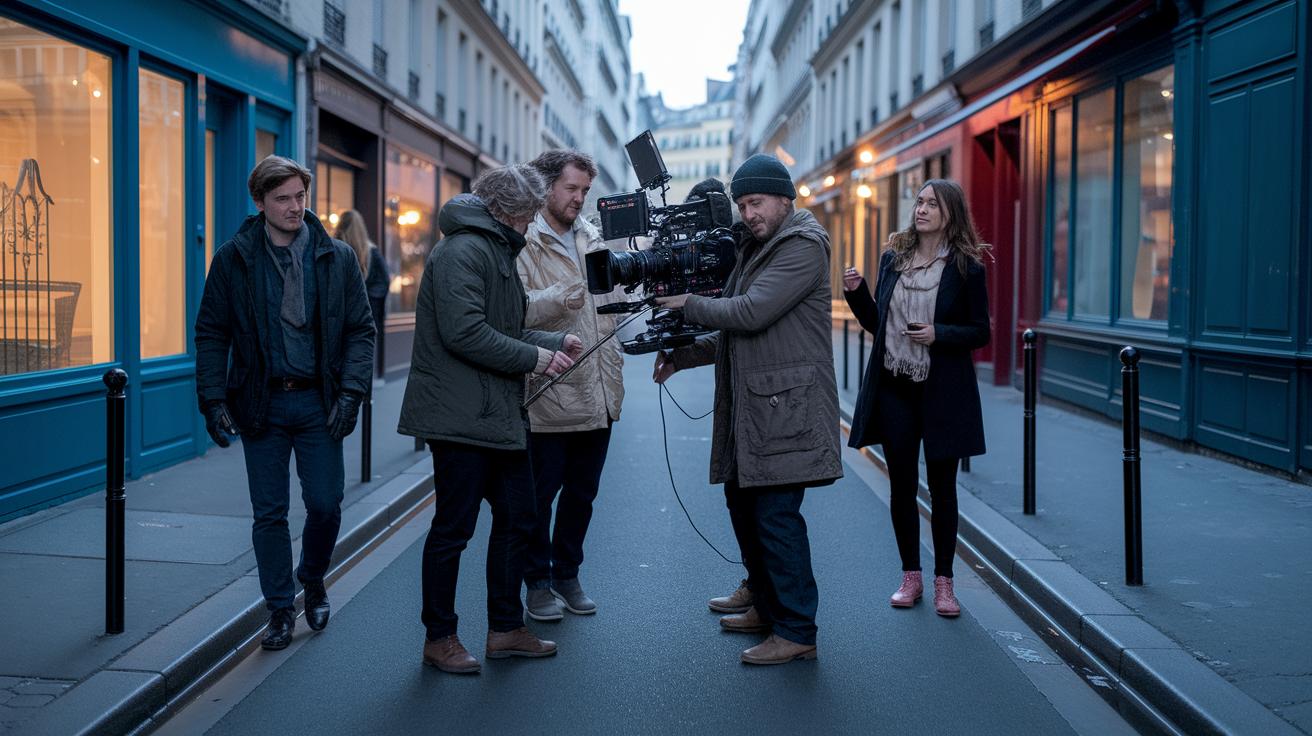
The French New Wave changed how movies are made by tossing aside old, rehearsed methods. Directors let actors improvise and capture unscripted moments that felt as real as the shifting pulse of France.
Films like Breathless (1960) and Jules et Jim (1962) broke new ground with bold choices. Breathless uses a moving camera to show Paris in a raw, intimate way, as if the streets were alive. Jules et Jim blends quick cuts with clear voice-overs, giving the film a free-flowing, almost poetic rhythm.
Other films such as Band of Outsiders (1964) and Le Samouraï (1967) added their own unique style. Band of Outsiders is filled with playful, unexpected scenes, while Le Samouraï sticks to a quiet, simple look that makes every silent moment count.
Together, these films captured the spirit of their time, mirroring a post-war France eager to break rules and start fresh.
Genre Highlights in Classic French Movies
Beloved Comedic Gems
Amélie (2001) charms with playful timing and quirky details that add humor to every scene. One rainy day scene features an unexpected reflection that turns a small joke into something special. "On a drizzly morning, an unplanned reflection turned a simple laugh into an iconic moment."
Two Days in Paris (2007) mixes French and American cultural quirks with genuine actor moments. A spontaneous laugh at Père Lachaise made the scripted scene feel more real. "During shooting, a genuine laugh caught on camera turned a scripted moment into something unexpectedly real."
Passionate Romantic Dramas
Jules et Jim (1962) uses rhythmic dialogue and thoughtful pauses to deepen its love triangle. The cast remembers how a quiet, unplanned glance said more than many written lines. "In one take, a silent exchange captured more feeling than any planned line."
Cléo de 5 à 7 (1962) unfolds in real time, capturing the tension of waiting and hope on the streets of Paris. Filming on location gave the film an edge of raw, unscripted energy. "Filming on the actual streets of Paris, every unscripted moment enriched the film's immediacy."
Noir Aesthetics & Gothic Tales
Le Samouraï (1967) uses silence and careful framing to build tension in every shot. The minimal dialogue lets the quiet looks and empty corridors tell the story. "In dim corridors, quiet looks replaced words to tell the story."
La Jetée (1962) pushes storytelling with its series of still photographs that capture memory and time. Each frame was treated like a painting, turning mere stares into a deep narrative. "Each frame was treated like a carefully composed painting, turning stares into stories."
Cultural Impact & Global Legacy of Classic French Movies
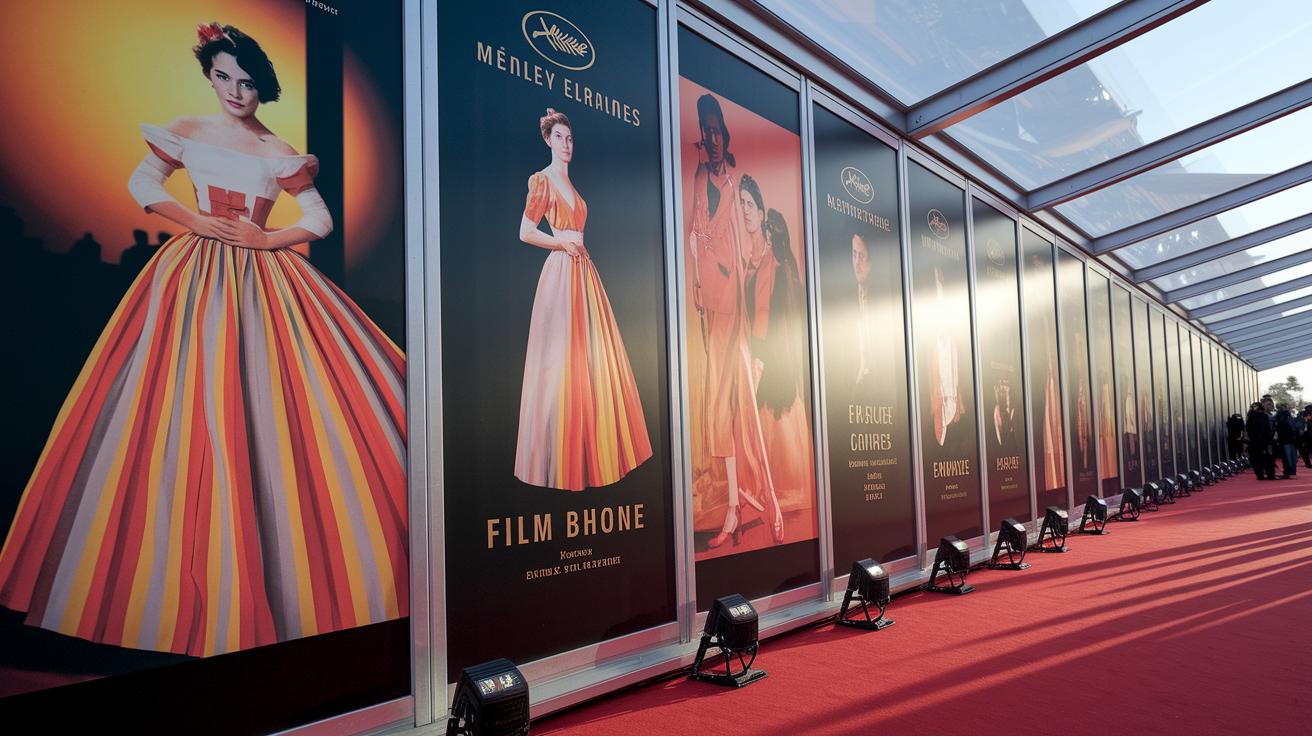
French movies have long dazzled audiences around the world, often taking center stage at festivals like Cannes. Their stories explore love, identity, and deep human connections with a gentle French touch that resonates far and wide.
- Art-house styles that shifted movie-making trends globally
- Memorable fashion and costumes that set new trends
- Storytelling tricks that filmmakers now use as classics
- Acting approaches that guide both new and veteran performers
- Festival scenes that celebrate French creativity and innovation
These timeless films have left a mark on modern cinema. Their clever camera work and attention to emotional details changed the way directors tell stories, influencing both art-house and big studio films. Even when festivals adapted to virtual formats, the spirit of French cinema shined through. Their lasting legacy is seen in how we frame images, tell stories, and think about style and identity today.
Preservation & Restoration Efforts for Vintage French Film Heritage
Restoration work helps keep classic French movies alive and preserves a rich cultural history for future viewers. Experts clean film negatives and adjust colors so the original look and feel stays true, treating each frame like a treasured painting.
Key institutions, like the Criterion Collection, have played a big role. They digitally remastered films such as Jules et Jim (1962) and Cléo de 5 à 7 (1962), even including new interviews that add fresh insights. This process turns old film reels into high-quality versions ready for today's audiences.
Projects like the Breathless restoration in 2010, with its careful negative cleaning and color correction, show a strong commitment to vintage heritage. Archivists continue searching for lost reels from the 1950s and '60s, reviving forgotten classics. For more on these efforts, check out this article on film restoration (https://reviewstrends.com?p=1187). These projects not only preserve films but also open a window into the storied past of French cinema.
Final Words
In the action of exploring iconic French films, we covered everything from Godard’s bold new style to Buñuel's offbeat dramas. We highlighted essential titles that continue to influence cinema and attracted attention globally. The article shows how restoration efforts keep these treasures alive and how varied genres offer fresh perspectives for every mood. This guide is a helpful tool for anyone seeking quick insight into classic french movies and their legacy. Enjoy your viewing and celebrate the vibrant world of French cinema!