
Have you ever noticed how hit streaming films keep you hooked? They blend familiar storytelling with bold surprises that break the mold. These movies often open in unexpected ways and jumble up the order of events so that each piece fits together like a puzzle. Filmmakers mix creative intuition with smart data to set the perfect mood in every scene. This post takes a close look at the storytelling tricks behind these films and shows how each twist draws you deeper into the story.
How Streaming Hit Films Utilize Unique Narrative Techniques
Streaming hit films mix classic storytelling with fresh, digital methods to grab and hold your attention. Shows like Stranger Things use long-form storytelling to build layered plots and evolving mysteries that keep you coming back episode after episode. Freed from traditional ad rules, creators try offbeat narrative paths that push limits and spark new trends.
They now use real-time data on watch times to shape each scene so every moment feels right. A close-up shot before a major reveal, for instance, quietly builds suspense like a whispered secret. Techniques like flashbacks and non-linear sequences add clever twists that form the backbone of today's streaming successes.
By blending hard data with creative gut feelings, filmmakers craft narratives that boost both suspense and connection. This mix of measurable strategies and artistic risks truly changes the way stories are told on screen.
Implementing Nonlinear Sequencing Strategies in Streaming Hit Films

Directors often mix present-day scenes with flashbacks (scenes that show earlier events) to keep films feeling fresh and surprising. They use jump cuts (quick cuts between scenes) to add energy and signal shifts in time. This storytelling trick keeps us on our toes as we piece together the plot.
Filmmakers also drop in flashbacks to reveal important moments from a character’s life. Each time the story jumps to another time, it builds tension and keeps you guessing what comes next. With each piece, the film slowly forms a larger, non-linear picture that inspires your curiosity.
A cool twist is starting with a surprising flashback that hints at a secret past, changing how you see the story. These creative editing techniques are a great way to boost suspense and keep viewers engaged.
Crafting Compelling Character Arcs in Streaming Hit Films
Streaming hit films grab our attention with characters that change and grow across episodes. Filmmakers often use the Save the Cat approach (showing the main character do something kind early on) to hook us from the start. For example, a scene where someone rescues a stranded animal creates an instant bond and hints at deeper layers ahead.
These films also let us see real vulnerability. A brief confession or a split-second reaction to tough times makes characters feel human and easy to relate to. This openness builds an emotional story that stays with you.
When characters face tough moral choices during high-stakes moments, they step into uncomfortable territory. These challenges push them to grow and learn from their mistakes. Each episode deepens their journey, making their struggle truly engaging.
The magic happens when action mixes with quiet reflection. A sudden pause in the plot might show a character wrestling with loyalty or ambition. These thoughtful moments add up to an evolving journey that feels both natural and dynamic.
Mastering Pacing and Tension in Streaming Hit Films
Streaming hit films use a steady rhythm and clever scene changes to keep you hooked. Writers line up moments carefully to match what real viewers like, you know, keeping an eye on how many stick around until the end. A snap change or a quick jump in a scene can show a shift in mood or time, giving the film a fresh burst of energy.
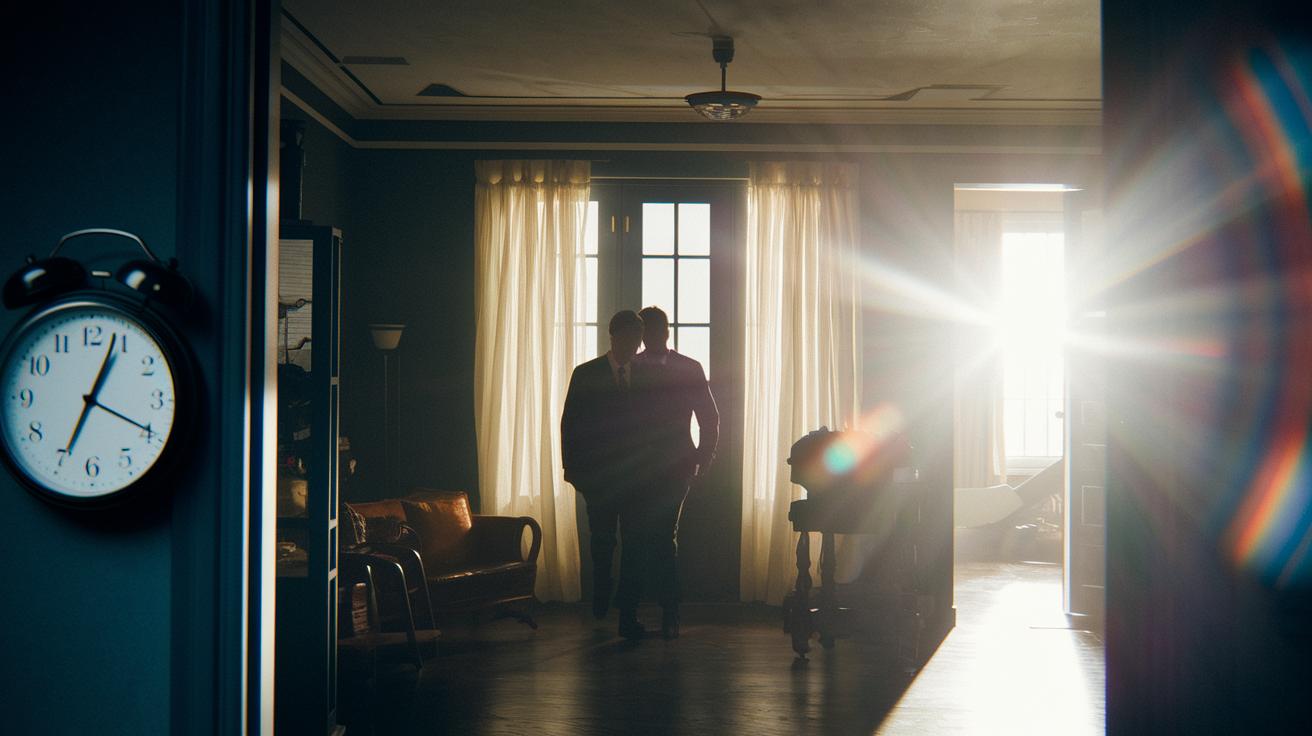
Quick cuts, like a fast jump during a tense moment, fire up the suspense. Picture a scene where an intense conversation is suddenly paired with a close-up of a ticking clock. This visual beat matches the rush viewers crave during high-energy scenes.
The films then mix in quiet moments to balance the rising tension. A scene might build a hopeful vibe before letting you catch your breath, then kick things up again. This back-and-forth mimics how we naturally respond, keeping things interesting without feeling overwhelming.
Timing in these films works like the pulse of a heartbeat. It makes sure that every shift in tone and flash of suspense works in sync, keeping you fully engaged throughout the experience.
Employing Visual Composition and Symbolism in Streaming Hit Films
Streaming films use visual tricks to pull you into the story. Tight close-ups let us feel a character’s hidden emotions by focusing on a look or a key object. For instance, a close-up on an actor's eyes during a tense chat makes us sense their inner struggle. One standout scene shows how a simple close-up can change a moment into pure emotion.
Directors also play with camera angles. They tilt the lens (a Dutch angle) to give you a feeling of unease when things go wrong. This method makes you sense a character’s inner turmoil without any extra words. Filmmakers tie the story together by repeating visual symbols at key moments. They also use lighting and color changes to signal shifts in mood, a dark, shadowed look might warn of danger, while a sudden burst of bright color suggests hope. Together, these techniques add depth to the tale and invite viewers to experience the film on a more personal level.
Integrating Red Herrings, Chekhov’s Gun, and Multi-layered Plots in Streaming Hit Films

Streaming hit films work hard to keep you on the edge of your seat. They drop red herrings, misleading clues that make you double-check every detail and set you up for unexpected turns. These false leads add a burst of surprise and build tension as the film progresses.
Chekhov's Gun (the idea that every detail introduced must serve a purpose later) makes sure no element is wasted. A small comment or a forgotten object can pop up later as a key piece of the story. This setup pays off for viewers paying close attention, making every scene count.
Filmmakers also mix main plots with smaller subplots to add extra layers. These intertwined storylines invite you to read between the lines. Hidden themes and repeated symbols might be subtle hints for what’s to come, rewarding those who stick with the film through multiple viewings.
In the end, combining red herrings, Chekhov's Gun, and layered plots turns storytelling into a careful and engaging art. Each element is there on purpose to keep you hooked and spark interesting conversations long after the credits roll.
Final Words
In the action, streaming hit films pack unique narrative techniques that keep audiences hooked.
They mix fragmented timelines and jump cuts with well-crafted character arcs to build lasting connections.
Techniques like these create engaging tension and visual cues that keep viewers coming back.
Analytics-driven tweaks plus experimental structures prove that modern digital storytelling works.
Embracing these narrative techniques gives films their vibrant appeal and makes streaming content an exciting watch.
Keep an eye on these trends, they set the stage for more must-see, innovative films.
FAQ
What are narrative techniques and examples?
The term narrative techniques refers to the methods storytellers use to shape a story. These include flashbacks, nonlinear sequencing, foreshadowing, and visual symbolism found in literature, film, and streaming content.
Where can I find PDF notes on narrative techniques?
The availability of PDF notes on narrative techniques means that many academic websites and online libraries offer downloadable guides that cover examples, definitions, and applications in literature and film.
What are narrative documentary examples?
The narrative documentary approach uses storytelling devices such as voice-over narration, reenactments, and archival footage to weave real events into a compelling, story-driven format.
What are the 7 strategies to begin narratives?
The 7 strategies to begin narratives include starting with a hook, setting the tone, introducing conflict and characters, establishing stakes, hinting at key themes, and posing questions to engage viewers immediately.
How does the narrative structure of a streaming series differ from a feature film?
The narrative structure in a streaming series builds in layers over multiple episodes, allowing modular character arcs and evolving plots, unlike feature films, which need to deliver a complete, single-arc story within a confined runtime.
What storytelling techniques were used in the film?
The film uses a range of storytelling techniques such as nonlinear sequencing, jump cuts, and visual symbolism. These methods help build tension and make the audience more engaged with the unfolding narrative.