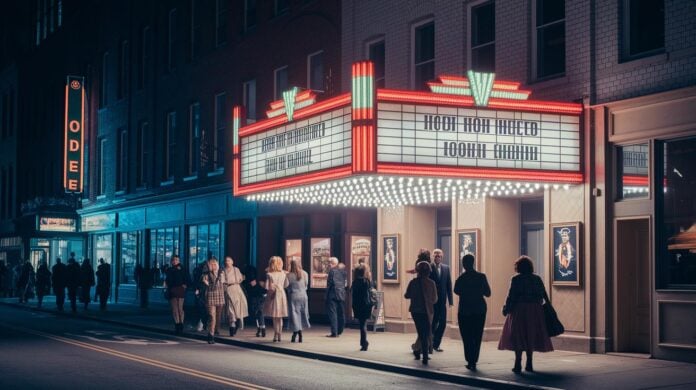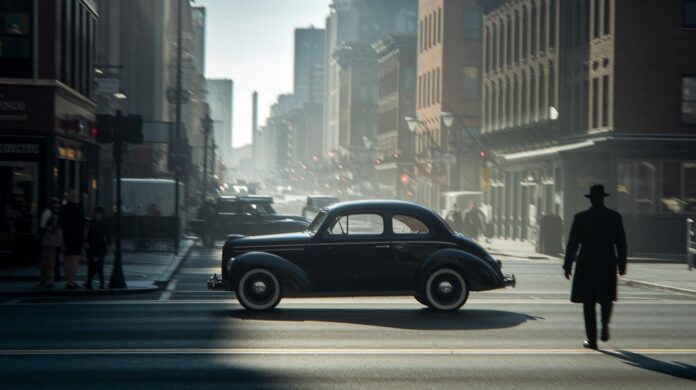

Ever wonder if a quiet glance can say more than words? Retro films remind us that every shot matters. Simple camera moves, thoughtful set-ups, and clever lighting reveal deep emotions without dialogue. These classic methods let viewers pick up on subtle hints in every scene. In this piece, we explore how timeless visuals build stories that still move us today.
Visual Storytelling Foundations in Retro Films
Retro films worked their magic using three simple ideas: careful camera work, smart picture setup, and light that set the mood. The camera work was like painting with light and motion. Moving pictures did more than show action; they told a story with visual hints. How a scene was arranged helped guide viewers on where to look. Every choice about what to show or hide built the story's feel and deep emotional tone.
Directors like D.W. Griffith and F.W. Murnau changed the way films were made with techniques that still matter. They used methods like cutting between scenes to create suspense and close-ups to reveal strong emotions. The smart use of light made characters stand out and deepened the mood. The shape of the screen (aspect ratio) set the frame for the scene, adding balance to the storytelling. These new ideas showed that pictures could tell a story even without words.
Silent Era Innovations
In silent films, directors told stories without recorded voices. They relied on clear gestures and body language. A raised eyebrow or a teary eye could share plenty of feelings. Titles with different font styles gave quick hints of dialogue or thoughts, adding to the story without messing up the visual style. Live music during screenings added extra rhythm and feeling, turning simple images into a full sensory experience. A small, thoughtful change in an actor’s face could say much more than words, drawing in viewers all over the world.
Cinematography as Narrative in Retro Films

Retro films used cinematography not just to capture images but to tell a story through light and motion. Filmmakers balanced each frame by using the aspect ratio to focus your attention on key details. The careful framing and steady camera moves set a clear mood, making each shot a part of the unfolding story. Techniques like cross-cutting (editing that switches between scenes) and close-ups build tension and show a character's feelings without any dialogue. Each frame becomes a visual tale where light, shadow, and movement work together.
Long before modern stabilizers, directors relied on traditional camera work to give a raw, lively feel. Dolly shots, crane moves, and handheld sequences inject energy and a sense of immediacy into the scenes. The use of atmospheric lighting deepens the mood, making both characters and settings resonate emotionally with viewers. These classic methods show that images can carry deep meaning and emotion, marking retro films as true pioneers in visual storytelling.
| Technique | Effect |
|---|---|
| Cross-cutting | Builds suspense |
| Close-ups | Highlights emotions |
| Dolly and Crane Moves | Reveals space |
| Handheld Camera | Creates intimacy |
Composition and Framing in Vintage Cinematics
Shot composition in old films was like a set of rules for your eyes. It showed you where to look and influenced how you felt about each scene. Directors used clear lines to guide your focus, while balanced space and symmetry gave the scene a neat, almost poetic look. For example, an actor might be placed off to the side against a vast, empty background, highlighting feelings of loneliness in a full world. Every detail, from set design to costumes, helped tell a clear story.
Framing in these films was more than just putting things together, it was a key part of how the story unfolded. Carefully placing actors in the frame set up emotional hints and plot moves. Even small gestures became important when the filmmaker arranged the shot just right. Props and neatly arranged sets (mise en scene: how everything in a scene is arranged) added to the real, period feel of the movie.
Using classic framing meant every little part was planned out. Whether it was a piece of furniture in the background or the way light shaped a character’s shadow, each choice was made with care. This attention ensured that every shot balanced its visual elements, creating an image that not only told a story but also boosted the film's overall mood.
Lighting and Color Manipulation in Retro Films
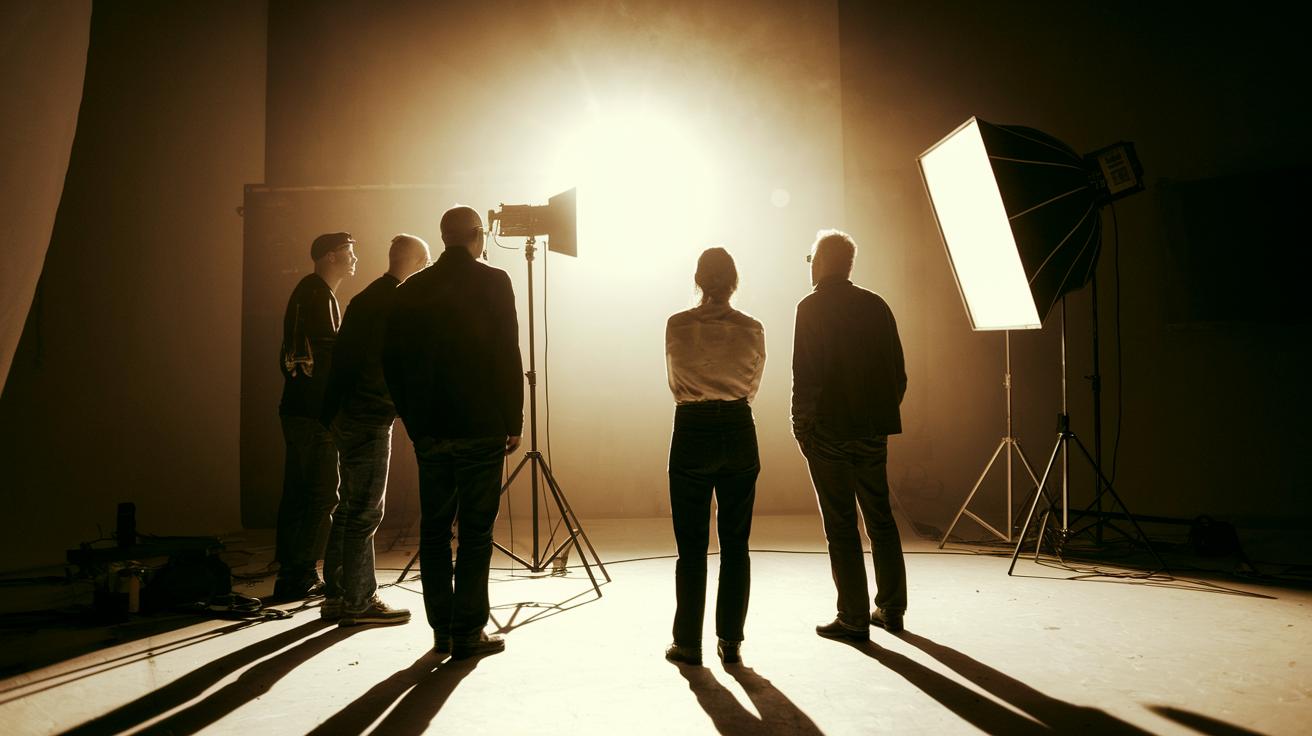
Retro films used lighting to shape the mood. Directors set up a key light, a fill light, and a back light to draw our eyes to important characters and details. They also played with strong light-dark contrasts, known as chiaroscuro (using bold shadows against bright light), to hint at secret plot points without saying much. Even film grain, scratches, and light leaks became part of the visual story, giving scenes an authentic and timeless feel. A scene with deep shadows punctuated by one bright spot might hint at quiet tension or hidden drama.
These films also used simple color tricks. Monochrome looks and sepia tones helped move audiences back to another era. The colors set a clear tone, framing each scene and adding a sense of history. Soft contrasts and slight tints made the mood clear and underscored the characters' feelings. Together, these smart uses of lighting and color built a classic visual language that still charms movie lovers today.
Editing Rhythms and Analog Visual Transitions in Classic Films
Old films made smart editing choices to keep scenes flowing naturally and to add tension. Editors used tools like crossfades (a gentle blend between scenes), match cuts (linking similar images), and iris wipes (a closing or opening shape) to mark shifts in mood and time. These simple moves acted like visual punctuation, signaling changes in the story’s tone. With analog editing gear that required careful timing, every cut was planned to build suspense and then let viewers catch their breath. Editors would even mix in intertitles (on-screen text) to share extra dialogue or details so that you could follow the story without needing spoken words.
Working with analog tools forced filmmakers to get creative. Since early editing tools were not very precise, every transition had to earn its spot on screen. Filmmakers learned how to join different moments into one smooth story by balancing steady pacing with unexpected bursts of emotion. This mix of practical tech and creative flair not only drove the plot but also brought deep feelings to the forefront. The hands-on nature of these methods adds a warm, nostalgic charm and a rhythmic beat that today’s digital tricks often miss.
Iconic Analog Transitions
Techniques like the iris wipe, match cut, and crossfade helped signal scene changes while deepening the film’s emotional layers. The iris wipe slowly opens or closes a scene, honing in on key moments. Match cuts link shots with similar visuals to keep the feel of continuity, and crossfades gently merge one scene into the next, giving the film a reflective pause before a new moment unfolds.
Case Studies of Silent Era Masters and Their Techniques

In the silent era, filmmakers like D.W. Griffith and F.W. Murnau changed the way movies told stories using bold visuals. In 1915's The Birth of a Nation, Griffith broke new ground with clever editing techniques like cutting between scenes and using close-ups to build suspense. Every shot was a key piece of the story, showing emotions and conflicts without a single word. His work proved that powerful images can speak as much as dialogue, and it set the stage for the visual storytelling we still admire today.
Murnau’s 1922 film, Nosferatu, showed that silence can pack a strong punch. With its moody lighting and smart set design, the film creates a feeling of mystery and dread that words could never capture. By playing with light and shadow, Murnau guided our eyes to the most important details, making the unknown seem even scarier. These techniques in careful scene setup and creative editing continue to influence modern films, keeping the spirit of silent movies alive in every frame.
| Film | Year | Technique |
|---|---|---|
| The Birth of a Nation | 1915 | Clever cutting and close-ups |
| Nosferatu | 1922 | Moody lighting and set design |
| Metropolis | 1927 | Expressive set design and montage editing |
Final Words
In the action of bringing old cinema to life, we explored how filmmakers painted stories with light, framing, and innovative edits. The post broke down foundations from silent-era innovations to classic cinematography techniques that shaped narrative pacing. Each section offered clear insights into classic film grammar and its lasting impact.
Enjoy revisiting these visual storytelling techniques in retro films. The rich history of creative filmmaking reminds us that every frame and cut still sparks wonder today.
FAQ
What visual storytelling techniques are used in retro films?
The visual storytelling in retro films uses creative cinematography, precise framing, and atmospheric lighting as key tools to form narrative and mood without relying on modern effects.
What is visual storytelling in film?
Visual storytelling in film means using images, composition, and lighting to convey plot and emotion, allowing the story to be told primarily through pictures rather than spoken words.
What are visual techniques in film?
Visual techniques in film include methods like close-ups, cross-cutting, and dynamic camera movements that shape the narrative and guide the viewer’s eye, creating emotional impact and tension.
What are the 5 C’s of cinematography?
The 5 C’s of cinematography—camera angles, continuity, cutting, close-ups, and composition—combine to build a visual narrative that supports storytelling and maintains audience engagement.
How has Hollywood visual storytelling evolved through the decades?
Hollywood visual storytelling has evolved by building on classic techniques such as expressive framing and innovative editing, which have influenced modern methods and continue to shape cinematic narratives.