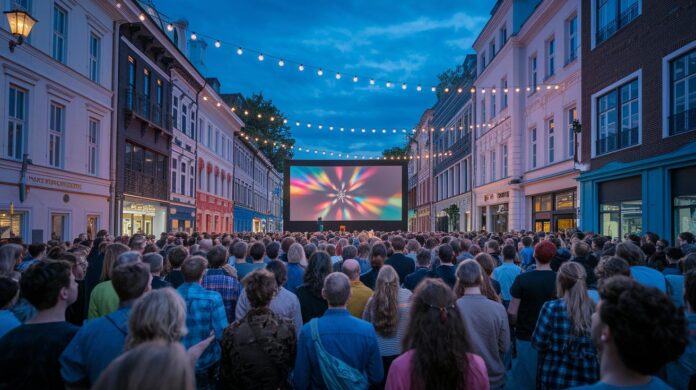

Ever wonder how your indie film can stand out at festivals? Many filmmakers think that only big names like Sundance or Cannes matter, but smaller festivals can open real doors. A single screening might lead to a distribution deal or key industry connection. This post breaks down simple tips to help you choose the right festivals for your film’s next big break.
Film Festival Circuit Fundamentals for Indie Films
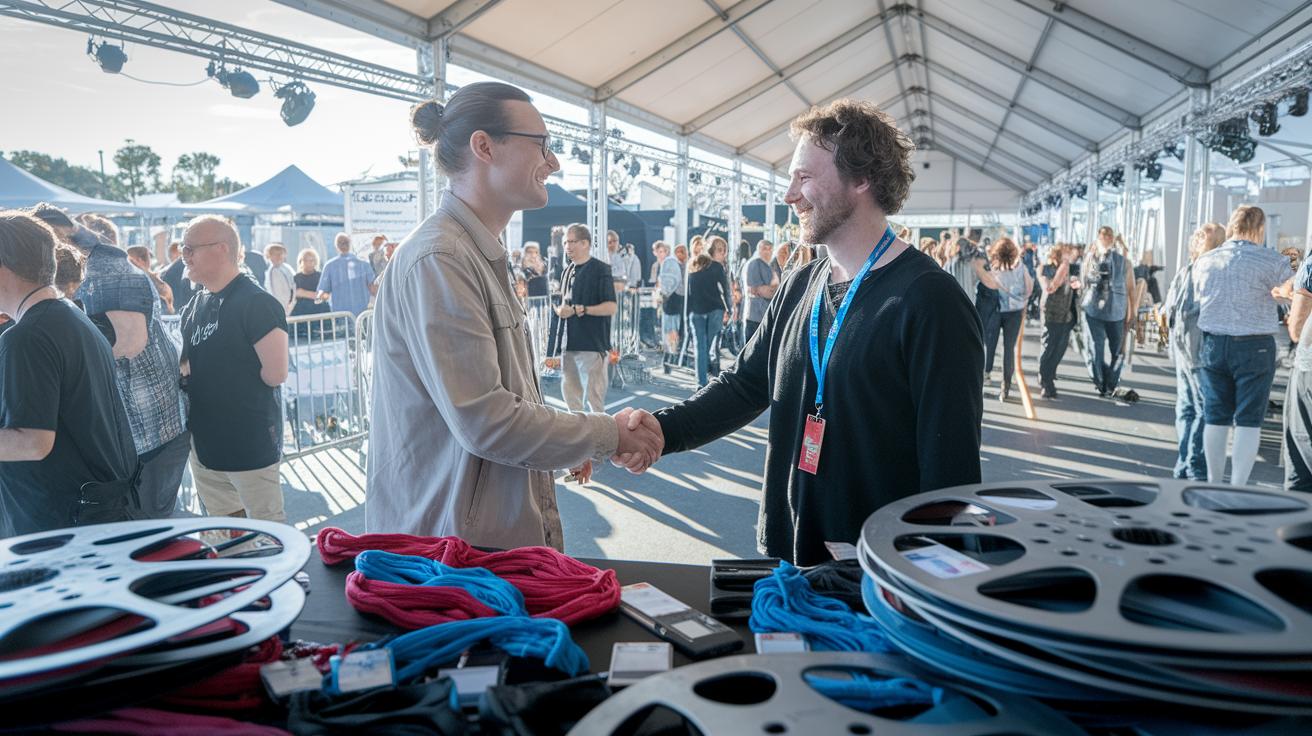
Film festivals give indie filmmakers a big boost when budgets are tight. They do more than show films, they help connect filmmakers with distribution deals and start building buzz fast. Big festivals like Sundance, SXSW, Berlin, Cannes, Toronto, and Venice can change a film’s profile with just one selection, while many smaller or genre-specific events offer valuable exposure.
Many smaller festivals have flexible rules and lower fees, making them a friendly option for those with few resources. In-person events often include networking sessions and panels where filmmakers can meet key industry figures. Digital festivals are also rising by offering on-demand screenings, virtual panels, and online awards, which let films reach audiences far beyond local limits.
Festival levels vary a lot. Top-tier festivals demand world or international premieres along with higher fees and tighter schedules. Mid-tier events have looser entry rules while still offering strong networking opportunities. Niche festivals focused on specific regions or genres can be the perfect stage for films that speak directly to special audiences.
Indie filmmakers find success when they use festivals as tools for distribution and continued promotion rather than relying only on awards. Whether it’s a live screening or an online event, every festival appearance can build momentum that leads to a broader audience and future success in the competitive world of independent cinema.
Researching and Selecting Festival Circuit Opportunities for Indie Films

If you’re an indie filmmaker, it helps to choose film festivals that suit your style and budget. Check each festival’s reputation, the kinds of films they favor, and how much it costs to apply. Pairing your film with a festival known for similar work can really boost your chances. For example, if your film offers a fresh narrative twist, a festival that loves creative storytelling might be the perfect fit.
Start by looking at the entry fees. Top festivals often need world or international premieres and charge around $60 to $150. Mid-tier festivals are more flexible about premieres and ask for between $30 and $80. Niche or regional festivals usually cost under $25 and may accept films that have already played elsewhere. Also, see if the festival offers panels or workshops that can help you meet important people.
| Festival Tier | Premiere Requirements | Typical Fees | Networking Opportunities |
|---|---|---|---|
| A-list | World/international premieres | $60-$150 | High-profile industry panels |
| Mid-tier | Flexible premiere requirements | $30-$80 | Strong industry panels and workshops |
| Niche/Regional | Premieres or previously screened films | Under $25 | Targeted networking events |
By matching your film’s needs with the right festival level, you can get better screening chances and make valuable contacts. This thoughtful approach makes your festival journey more strategic and rewarding.
Building a Standout Submission Package for the Festival Circuit

A strong submission package can open doors for your indie film. It shows festival organizers right away what makes your film unique. Keeping your materials clear and neat helps them understand your film’s style fast.
Your entry should mix creative storytelling with clear details. It covers both your artistic vision and the practical side of your film, which keeps selectors interested and informed. This package is your chance to highlight the film’s personality and production quality.
Here’s what to include:
- One-page, exciting synopsis
- A short director's statement
- High-resolution production stills
- Cast and crew bios
- A 2- to 3-minute trailer
- A digital press kit with a poster image
- Up-to-date contact information
Plan your premiere smartly. Start with smaller or local festivals and work up to bigger ones. This step-by-step approach builds momentum and raises your film’s profile for future distribution and recognition.
Budgeting and Scheduling Your Indie Film Festival Circuit Strategy

Many filmmakers usually set aside about $3,000 for festival submissions, travel, and marketing. A surprising fact is that many spend over $3,000 even though that amount seems small until you add travel and promotion costs. Fees for each festival generally run from $20 to $100, and they add up quickly if you plan on submitting to several events.
Make sure you have a clear budget that covers all expenses. Your plan should include:
- Festival submission fees
- Travel tickets and local transport
- Accommodation costs
- Promotional materials and marketing expenses
Remember that travel, lodging, and promotion can double or even triple your original spending on submission fees.
Next, set up a festival calendar. Start by doing your research about four to twelve months before the screening date. Look for key deadlines like early, regular, or late submission stages. Write these dates down so you do not miss any important booking periods. Begin with gathering festival dates, then mark when submissions open, and finally plan your travel and bookings for when your film gets selected.
Keep an eye on your expenses as you go. Regularly checking your spending helps you stick to your budget and adjust your plans when new festival opportunities come up. With careful budgeting and a clear schedule, you can get your film in front of plenty of audiences without overspending.
Networking and Promotion on the Indie Film Festival Circuit

Going to film festival events in person is a smart way to build real connections. Labs, workshops, and panel Q&As (question and answer sessions) let you meet key decision-makers and other creative minds up close. At a festival reception, a quick chat with a producer might set the stage for future opportunities. Imagine bonding with an industry pro over your film’s theme at a midnight mixer – a small conversation that can lead to big chances.
A clear press kit boosts your film’s visibility both on and off the festival floor. Many festivals have press centers and content hubs that display your promotional materials at set times, such as from 12:00 AM to 11:59 PM PT or at 7:30 PM PT. Include a short, engaging summary, eye-catching production stills, and up-to-date contact details. This ready-to-go package makes it easy for journalists and audiences to remember your film in a flash.
Joining organized workshops can help you widen your network and sharpen your promotional skills. These sessions offer down-to-earth advice on everything from crafting effective trailers to sparking social media buzz. Sometimes, brief award announcements or nominee discussions draw extra media attention, giving your film a boost. For example, a workshop Q&A might turn into an engaging chat with peers who face similar challenges. These hands-on events not only strengthen your creative vision, they also help build a support network that can carry your film to a larger audience.
Maximizing Awards and Digital Reach on the Festival Circuit

Awards for new filmmakers give your film a major boost. They build your reputation and can even lead to distribution deals. These accolades prove that the industry cares. They also come with useful marketing tools like PDF summaries and digital badges that you can share on social media. Think of a digital badge as a quick, friendly nod to your film’s quality that grabs the attention of distributors and fans alike. It shows that influential voices in the industry have noticed your work, which helps you build trust and expand your audience.
Virtual festivals have changed the game for getting noticed. With on-demand screenings, online Q&As, and digital press rooms, you can enjoy many of the perks of traditional festivals. These online events let your film reach a worldwide crowd and connect with important industry insiders during interactive sessions and virtual networking. By embracing these digital tools, independent filmmakers can chase more nominations and keep the conversation going long after the festival ends. This digital presence can make all the difference in keeping your film in the spotlight and sparking lasting interest.
Case Studies in Indie Film Festival Circuit Success
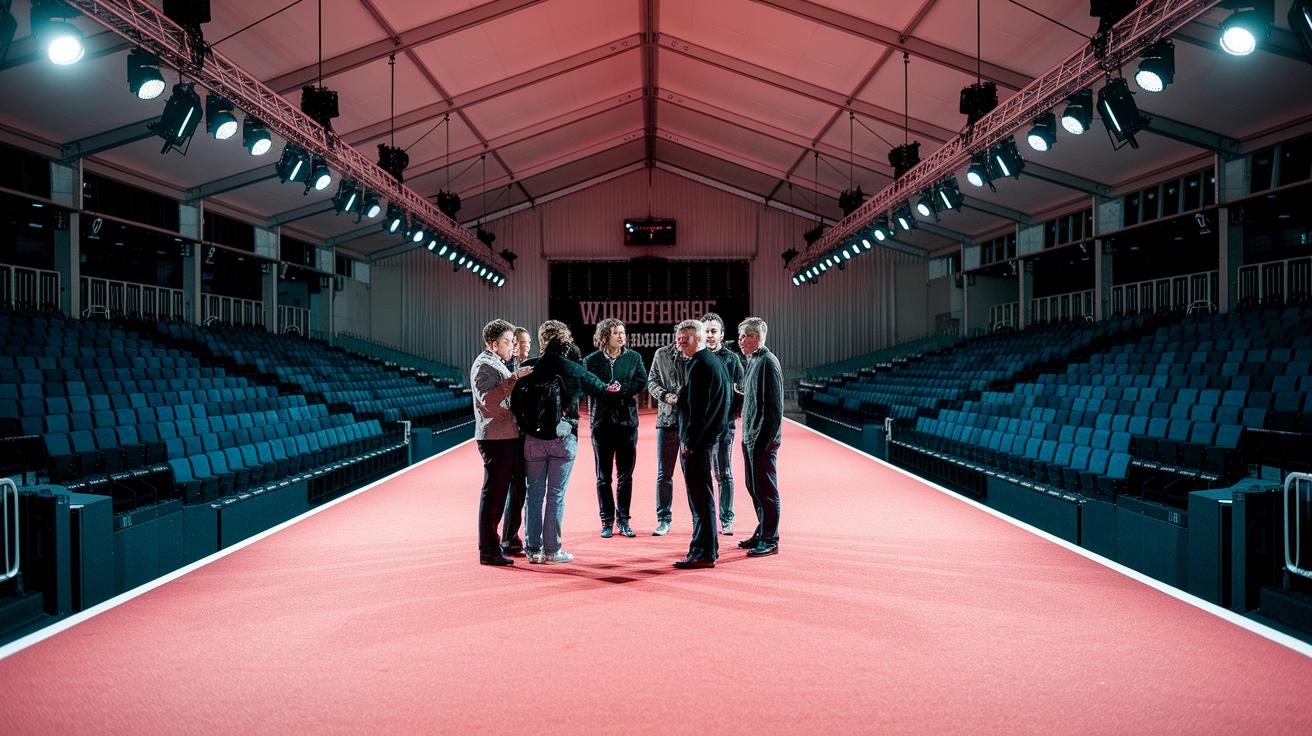
Breakup Season’s World Premiere Strategy
Breakup Season chose a step-by-step rollout to boost its visibility. It started at a small, niche festival, moved to a local regional event, and finally hit an international stage. This gradual plan let the team fine-tune their promotions at every step while building buzz with audiences and critics. The steady buildup helped the film attract more industry attention without the stress of one big premiere.
Pivoting After Major Festival Rejections
After a major festival turned them down, the filmmaker quickly switched gears. Instead of giving up, they reworked the submission materials and aimed for mid-tier and regional festivals that appreciate fresh, emerging work. This change not only saved time and money but also helped open new doors with local critics and industry insiders. The quick pivot shows that being flexible in tough times can lead to rewarding success.
Running Consecutive Festival Runs
Two feature films kept the momentum going by scheduling back-to-back festival runs. Each screening followed closely after the last, keeping the conversation alive among audiences and critics. The teams updated their marketing materials and press kits between shows to highlight new achievements, which helped secure distribution deals. Running festivals consecutively fostered steady creative growth and kept viewers eager for the next appearance.
Final Words
In the action of crafting your film festival strategy, you explore everything from submission essentials to budgeting and networking. The post breaks down the process with clear steps for making festival entries shine and managing costs efficiently.
It shows how case studies provide real-world proof of success, making navigating the film festival circuit for indie films both practical and exciting. Enjoy the process and feel empowered to make smart festival decisions.
FAQ
What is a film festival circuit?
The film festival circuit refers to a network of events where indie filmmakers present their work to gain exposure, build connections, and attract distribution opportunities, from renowned festivals like Sundance to smaller regional screenings.
How do indie films get distributed?
Indie films get distributed by showcasing at festivals, where industry professionals notice standout films and secure partnerships or deals that lead to wider digital or theatrical releases.
Is the indie short fest a good film festival?
The indie short fest can be a good choice if it fits your film’s style and goals, offering quality networking, audience engagement, and industry recognition for short-format films.
What to wear to an indie film festival?
What you wear to an indie film festival should balance comfort and style, opting for casual yet neat clothing that suits the relaxed atmosphere while also making a positive impression during networking events.