
Ever wondered if streaming originals hold the key to a film industry's makeover? Platforms like Netflix and Hulu are shaking things up by backing big-budget projects with steady subscription income. Today, data even guides creative twists, making traditional studios take notice. Meanwhile, theaters are testing premium viewing experiences to keep pace. In short, these streaming originals are pushing storytelling and production quality to new heights, transforming how films are made, shared, and enjoyed worldwide.
Comprehensive Impact of Streaming Originals on the Film Industry
Streaming originals are movies and TV shows made just for digital platforms like Netflix, Amazon Prime Video, Hulu, and Disney+. They work on subscription fees that fund big-budget projects, letting these services create content that challenges the old release rules.
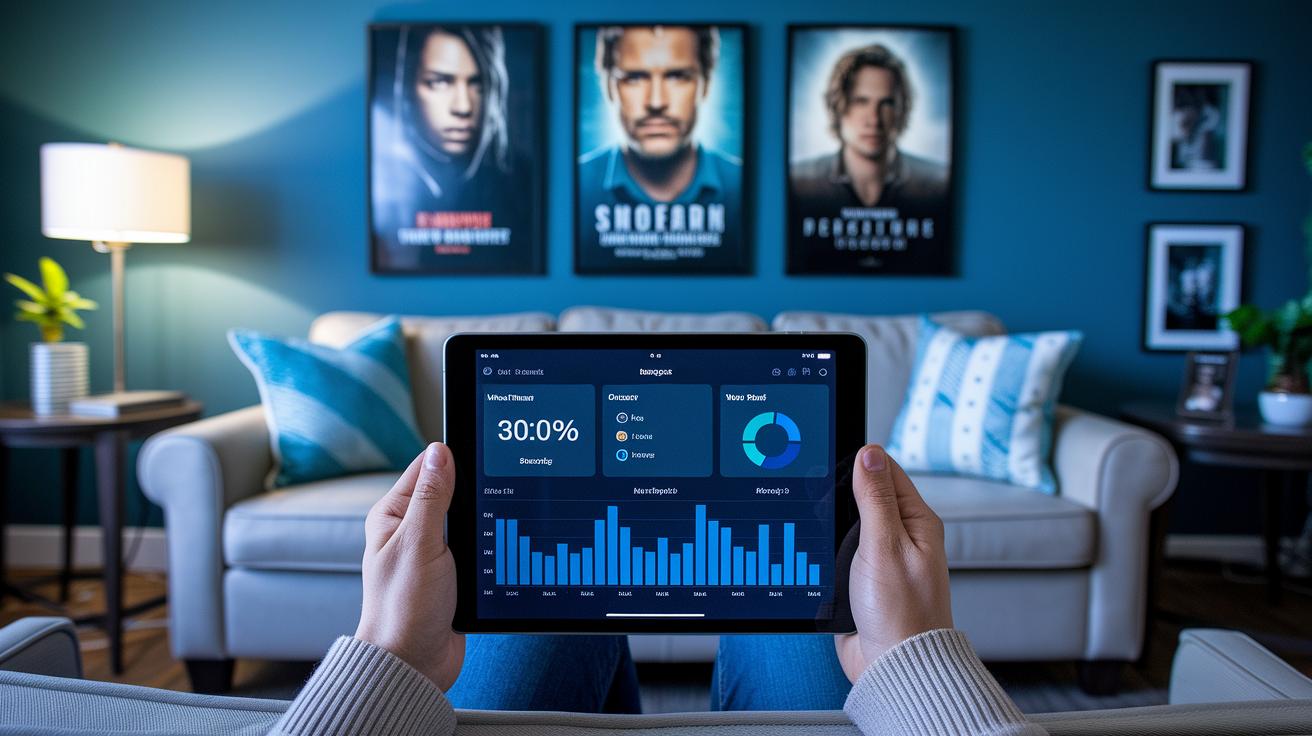
The steady income from subscriptions fuels a fresh competition in the film world. Platforms use data (information about what viewers like) to shape their shows and movies. This smart use of numbers helps make content that reaches a wide audience and changes how we watch films.
- Hybrid release methods that mix short theater runs with online premieres.
- Storytelling shaped by viewer data, making creative choices more tailored.
- At-home viewing experiences that feel fresh and binge-worthy.
Thanks to streaming originals, the way films are made, shared, and enjoyed is changing fast. Subscription money lets companies back projects that can match big studio films, while theaters push harder with premium options like IMAX and 4DX to offer a unique experience. This digital shift not only adds to the variety of content but also brings cultures together through shared stories.
Streaming Originals’ Production Evolution in the Film Industry

Subscription fees now let streaming services fund big-budget projects that rival traditional film studios. For example, before its major breakout hit, Netflix used its subscription dollars to develop shows that used to cost only big studios could afford.
Data now plays a big role in choosing new projects. Streaming services study viewer habits (like when people stop watching) to pick series that keep fans coming back for more.
Global co-productions have also changed the game. These collaborations make filming abroad easier and help find top talent. New funding methods let streaming platforms support independent filmmakers while sharing costs with international partners, setting up a winning mix of creative ideas and global appeal.
Digital Distribution Disruption: Streaming Originals vs. Theatrical Releases
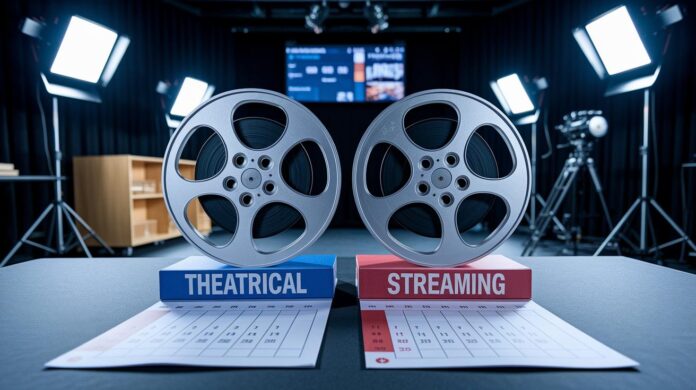
Today, films often hit theaters for just a short time before opening up on streaming services. This means you get a quick taste of the big-screen magic and then can watch whenever you want. For example, some movies play in theaters only for a few weeks before they are available online. It’s a mix that holds on to traditional movie-going while embracing the speed of digital platforms.
Other films choose a different route. They skip the long theater run and start directly on streaming. This gives viewers instant access from anywhere, with no waiting for showtimes. This shift shakes up the old release schedule and helps movies reach audiences around the world.
| Release Model | Typical Window | Audience Reach |
|---|---|---|
| Traditional Theatrical | 90 days before VoD | Local/global for limited duration |
| Simultaneous Release | Theater & Streaming Day 1 | Wider global audience |
| Streaming-Exclusive | Streaming only | On-demand worldwide |
Cinemas are fighting back, too. They’re boosting the movie experience with premium seating and special event screenings. This push is all about keeping the charm of the big screen alive and drawing audiences away from watching at home.
Streaming Originals Impact on Audience Viewing Habits

Streaming platforms make it easy for viewers to choose when they watch. With the comfort of home, people now often binge entire seasons in one sitting. When a limited series drops, fans settle in for a marathon that used to be spread over weeks.
Algorithms are a key driver in this shift. They track your viewing habits and suggest shows and movies that match your taste. In one case, a viewer uncovered a hidden drama simply because the system noticed they had just finished several similar titles. This personalized approach makes viewers feel understood and keeps them coming back.
Viewer data now plays a big role in shaping how stories are told. Producers check where audiences stop watching and adjust episode pacing and length so the story holds their attention right to the end. Whether it's a limited series or an anthology, creators design content with these habits in mind.
This constant feedback loop from data influences production decisions on a larger scale. Creators review engagement numbers to fine-tune story arcs and character growth. The outcome is content that entertains and directly responds to what viewers want. These ongoing adjustments keep streaming originals fresh, dynamic, and closely tuned to their audience.
Streaming Originals and Economic Impact: Revenue Recalibration in the Film Industry

Streaming services now fuel film financing more than ever before. Traditional ticket sales are falling, while subscription fees have stepped up to back big-budget movies. Studios use these steady online revenues to fund projects that once depended solely on box office hits.
Studios now form partnership deals with streaming platforms to share both the risks and rewards. This cooperation fills the gap when theaters don’t bring in the expected money, letting films secure funding and reach more viewers without relying on brief bursts of box office excitement.
As more viewers cut the cord from cable, revenue-sharing models are taking center stage. New systems, including licensing fees and profit splits, help balance payments for platforms and talent. This shift not only changes studio budgets but also pushes older networks to adapt to a rapidly evolving market.
Case Studies of Streaming Originals Influencing the Film Industry
Streaming originals are changing the way films are made and seen. They bring fresh money models and fun release ideas that mix movie theaters and online shows. This change pushes studios to look at old ways differently while opening up global trends.
Netflix Originals Success
Netflix broke new ground with Roma. It played in a few theaters before it hit streaming, and it later won three Academy Awards. This move shows that mixing a little theater time with an online debut can boost a film's reputation and draw a bigger crowd.
Amazon Prime's Indie Strategy
Amazon Prime Video is making space for smaller films by backing indie dramas. Many of these movies won hearts and awards at festivals like Cannes and Sundance. Indie filmmakers appreciate the chance to tell their unique stories, and one film even made a big festival splash while reaching viewers who might have missed it otherwise.
Disney+ Franchise Expansion
Disney+ is shaking up the market with bold investments, spending over $500M on shows like The Mandalorian and Marvel series. This strong backing has helped grow their subscriber base and prove that big budgets can bring both creative ideas and commercial wins.
These cases show a new film era. Streaming platforms are rethinking investment and release plans, mixing old theater methods with fresh digital ideas to stay strong in a fast-changing world.
Future Outlook for Streaming Originals in the Film Industry
Streaming platforms are using data to guide their choices like never before. By keeping track of how long you watch and when you lose interest, they can fine-tune shows to match what we really enjoy. This smarter approach means you might see more of your favorite styles and themes on screen.
As audiences around the world grow, expect to see more local stories, especially from places like Asia and Latin America. These platforms are betting on regional tales that speak to local culture while still entertaining viewers everywhere. The result is a vibrant mix of voices and fresh ideas that keep things interesting.
New formats, such as VR shows and choose-your-own-adventure series, are also on the horizon. These innovative approaches promise more immersive and personalized experiences that stretch the boundaries of traditional storytelling.
At the same time, film studios are blending their big-screen roots with digital releases. Virtual festivals and online premieres at renowned events like Cannes and Sundance are becoming more common. This mix of classic and modern strategies gives both movie fans and filmmakers more ways to connect and enjoy films.
Final Words
In the action, this article mapped how streaming originals reshape filmmaking. It broke down subscription models that fund blockbusters, data-driven choices influencing production, and new release tactics mixing theaters and streaming.
Key takeaways:
- Evolving production methods powered by data insights.
- Shifting distribution models with hybrid releases.
- Transformed viewing habits redefining audience engagement.
The impact of streaming originals on the film industry promises a bright path ahead for both creators and viewers.
FAQ
Q: What are the negative impacts of streaming originals and services on the film industry?
A: The negative impact of streaming originals and services on the film industry shows up through reduced theatrical revenue and changing distribution windows, which strain legacy models while pushing studios to adjust budgets and production strategies.
Q: How did streaming originals affect the film industry in 2021 and 2022?
A: Streaming originals in 2021 and 2022 reshaped the film industry by shifting revenue streams, promoting hybrid release strategies, and driving studios to rethink budgets as digital and subscription models grew stronger.
Q: How do streaming services influence film distribution strategy?
A: The impact of streaming services on film distribution strategy is seen in compressed theatrical windows, simultaneous or exclusive streaming debuts, and theaters countering with premium experiences to attract audiences.
Q: What does a case study of Netflix reveal about the impact of streaming services on the entertainment industry?
A: A case study of Netflix reveals that streaming services transform the entertainment industry by funding big-budget originals, using data to tailor content, and setting new standards that challenge traditional release models.
Q: What do streaming versus cinema statistics indicate about current audience behavior?
A: Streaming versus cinema statistics indicate a clear shift in audience habits, with viewers favoring convenient home viewing over traditional theaters, leading to shorter theatrical runs and a growing on-demand market.