

Has one twist changed everything you thought about time? In Primer, older Aaron uses an iPod and a huge machine to shift events, while Abe’s fate hangs in the balance. This clever twist shows that one small change can spark a chain reaction of surprises. The film blends clear plans with wild chaos, inviting us to explore time’s delicate rules in a bold way. Read on to see how every detail builds toward the brilliant twist at its heart.
Primer Movie Ending: What Happens and Why
The end of Primer delivers a twist that takes your breath away. In the final scene, an older Aaron uses an iPod loaded with recorded conversations that seem to plan his every move. This hint shows that Aaron is no longer just reacting to events; he is now steering them. He's busy building a huge, room-sized time machine, which hints at longer and more complex trips into the past than we saw before.
At the same time, Abe's fate remains a mystery, leaving you to wonder if his attempts to control time were doomed all along. The ending plays off the clear difference between older Aaron's confident actions and Abe's unknown future. A shot of an empty, oversized box drives home the idea of endless changes to time. This space not only leaves out closure but also shows how time keeps fracturing because of what the characters have set in motion.
Think of it like a chess game where one piece starts the play, yet an unseen force rearranges every piece in a surprising pattern. This idea captures the film's mix of careful planning and wild chaos. Every detail, from the iPod recordings to the giant time machine and empty box, builds a story that makes you rethink cause and effect and the big risks of tampering with time.
Primer Timeline Analysis: Decoding the Time Loops

The film plays with time travel by setting a clear start point (A) and an end point (B). A built-in 15-minute timer forces characters into repetitive cycles. Each cycle shifts events, creating a puzzle that slowly evolves as time resets.
In one segment, we see Abe leaving the facility and checking into a hotel. Another part features risky stock trades that lead to unexpected outcomes. A later sequence introduces a failsafe loop that forces a rethink of the time travel rules, especially when Granger’s condition warns us of the dangers of breaking the cycle.
Each loop adds another layer to the mystery. The film shows that even small changes can ripple through the timeline, creating a rich and constantly shifting puzzle. This clear setup challenges viewers to piece together the non-linear events and appreciate how a tiny tweak can alter everything.
Failsafe Machines in Primer: Abe vs Aaron
Abe builds a device that resets the timeline to a safe point. It works like a save button in a video game, letting the characters go back before things went wrong. He hopes this machine will erase the mistakes made during time travel.
Meanwhile, Aaron secretly creates an even earlier failsafe. His machine kicks in before Abe’s can work, canceling out Abe’s plan. This unexpected move means the timeline gets reset before Abe’s good intentions can take effect.
The clash between these two devices creates a strong tension in the film. Both machines try to fix time travel errors, but Aaron’s earlier intervention shows that no plan is foolproof. This hidden power struggle sets the stage for an ending filled with uncertainty.
Multiple Theories on Primer’s Ending
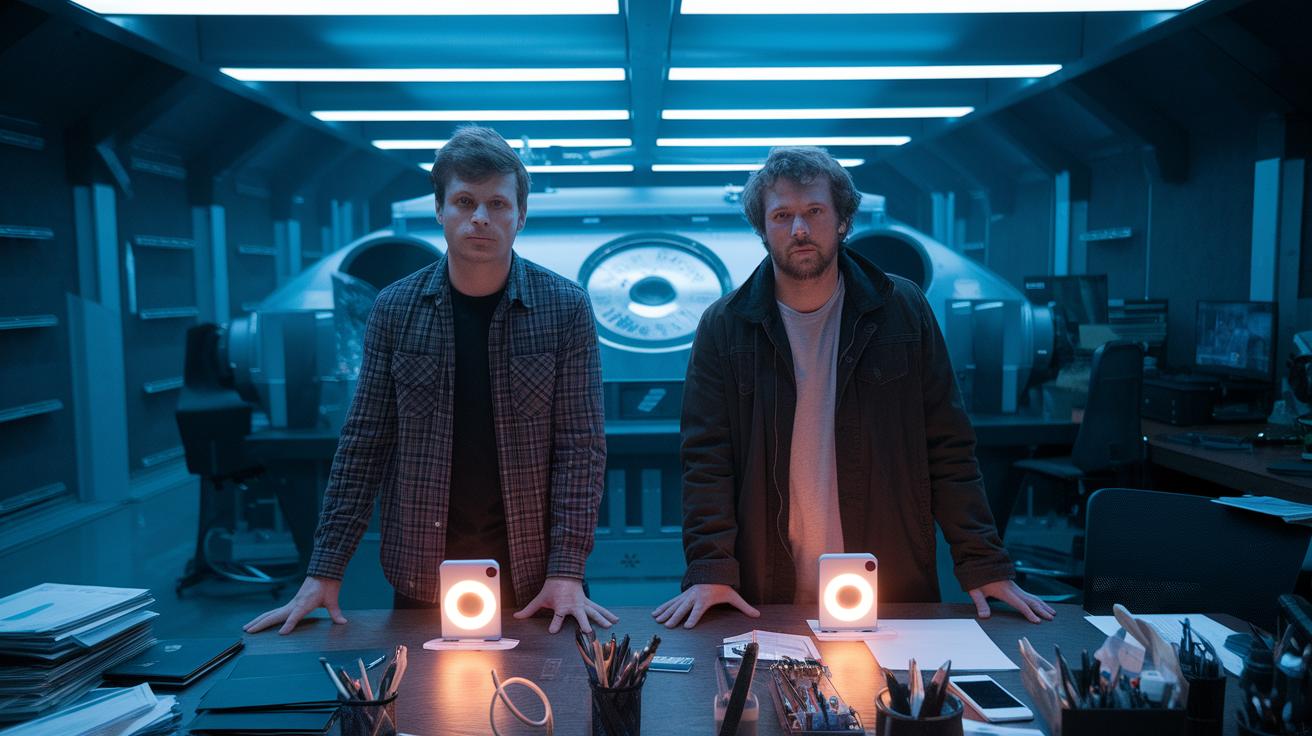
Fans and critics have come up with several ideas about Primer’s final moments. One idea is that Future Aaron gains complete control over the timeline. In this view, the iPod recordings and the carefully built large time machine show that Future Aaron steers events to rewrite both the past and the present to meet his goals.
Another idea is that Abe ends up stuck in an endless time loop. Supporters of this thought point to his sudden disappearance and the confusing story flow, suggesting that Abe is caught in a cycle where every reset makes his struggle worse without any clear escape.
A third idea is that the two leads set up separate safety measures that lead to different worlds. This idea comes from noticing the two different failsafe devices. Abe’s machine aims to reset events safely, while Aaron’s early move splits the timeline, creating two parallel realities that each have their own outcomes.
- Future Aaron seems to control events very carefully.
- Abe appears to be trapped in a never-ending loop.
- Split timelines hint at two different worlds with opposing consequences.
Character Motivations and Ethics in Primer’s Conclusion
Primer doesn’t just mess with time; it digs into the characters’ inner values. Abe wrestles with his rising moral doubts and builds a failsafe to try and fix his own mistakes. His struggle to control a runaway time machine shows how heavy ethical challenges can be when science goes off track. His choices make us ask: is it wise to try and outsmart fate when our own judgments fall short?
In a sharp contrast, Aaron is all about taking risks. He intentionally works against Abe’s safety plan, treating the technology like a high-stakes bet. His choice shifts the focus from careful repair to quick gains, even if it means ignoring responsibility. Then there’s Granger. His coma serves as a real-world warning that tampering with time can come at a steep price.
Together, these choices deepen the story of Primer and push us to think about what it means to make moral choices when science has the power to twist reality. Check out more details in the Guide to Analyzing Character Development in Cinema.
Film Conclusion Analysis

In its closing scenes, the film uses soft visual hints with a clear story design to show key choices related to time travel. Quick reflective moments and brief background images help us see how the characters' motives change over time, without reusing earlier symbols. One sudden flash in a window marks a major turning point. This careful use of small details ties the visuals directly to the film's rich narrative.
Narrative Structure and Editing That Shape Primer’s Ending
Primer’s ending leaves you wondering about twisted timelines and unanswered questions. The film uses a non-linear story that makes you piece together moments from scattered clues. The editing jumps between past and future with very few hints, purposely adding to the puzzling feel of the finale. Key details are left out on purpose so that every cut intensifies the mystery instead of making things clear.
The script uses clear visual cues and sudden changes to break up the normal flow of time. These editing choices show that the film prefers a deeper, more engaging experience even if it means sacrificing straightforward clarity. For example, a quick jump from one time to another mirrors an unexpected twist, keeping you alert. Learn more about how this style shapes the final scene at Understanding Screenplay Structure: A Guide for Movie Lovers.
Final Words
in the action, this article walks us through the key moments of Primer. We covered the twists of failing safe devices, unraveled the shifts in timelines, and explained the ethical plays between Abe and Aaron. Our analysis helps make the primer movie ending explained clear and straightforward, highlighting hidden clues and clever editing choices.
The breakdown invites fresh ways to see this standout film. It leaves you with new insights and a spark of excitement to explore more thought-provoking sci-fi experiences.
FAQ
Q: How is Primer’s ending explained on Reddit, Wikipedia, and similar platforms?
A: The ending of Primer is explained as a complex time-travel twist where an older Aaron uses an iPod with recorded conversations to guide his actions, hinting at endless timeline manipulation and unresolved elements.
Q: What details about the cast of Primer does IMDb provide?
A: IMDb shows that Primer features a small, dedicated cast with Shane Carruth playing multiple roles, emphasizing its minimalist, independent production that fuels discussion among film enthusiasts.
Q: Who is Shane Carruth in relation to Primer?
A: Shane Carruth is the writer, director, and star of Primer; his innovative storytelling and intricate narrative structure have made the film a favorite among fans of mind-bending science fiction.
Q: Is Primer considered a horror movie?
A: Primer is not regarded as a horror movie; it is a science-fiction drama that focuses on time travel and ethical dilemmas rather than on scares and horror tropes.
Q: What were the characters trying to build in Primer?
A: The characters in Primer were constructing a time machine equipped with failsafe devices, enabling them to reset events and control timelines, which ultimately leads to a power struggle.
Q: What paradox is explored in Primer?
A: Primer examines a time travel paradox where failsafe mechanisms create loops and alternate timelines, illustrating the unpredictable consequences of messing with time.
Q: Is Primer generally seen as a confusing movie?
A: Primer is often seen as a complex film due to its non-linear narrative and sparse exposition, inviting viewers to closely analyze its intertwined time loops and hidden details.
Q: How does Primer compare to films like Coherence, Predestination, and Timecrimes?
A: Primer stands out with its low-budget, intricate narrative and minimal exposition while sharing themes of time travel and alternate realities with films like Coherence, Predestination, and Timecrimes.