
Watch , 7.0/10
A low-budget film that turns scientific chatter into mind-bending puzzles.
• Story: Inventive time loops mixed with real physics.
• Direction: Clever and resourceful.
• Acting: Subtle, letting ideas shine.
• Technical Craft: Smart design built on a tiny budget.
Can a small budget spark a big scientific debate? In Primer, director Shane Carruth takes just $7,000 and spins it into a maze of time loops and physics talk that makes you rethink cause and effect. The film blends genuine science with smart storytelling to challenge what you expect from a sci-fi puzzle. Its careful design shows that even hard science can be engaging when built on solid ideas. Ready to see how a modest film can fuel huge insights into time travel?
Primer Movie Scientific Accuracy: Expert Overview
Shane Carruth’s 2004 film Primer was made on a shoestring budget of $7,000. Despite this, it earned over $840,000 and even won the Grand Jury Prize at the 2004 Sundance Film Festival. Its tricky puzzles and dense, scientific dialogue have fans rewatching it to catch all the hidden ideas.
Primer mixes real physics talk with time travel ideas in a smart, hard sci-fi way. The film uses just enough technical language to feel like a real scientific debate while still inviting everyone to explore advanced topics. Every bit of technical detail is meant to spark curiosity, making the film both intellectually challenging and engaging.
Time Travel Logic Integrity in Primer
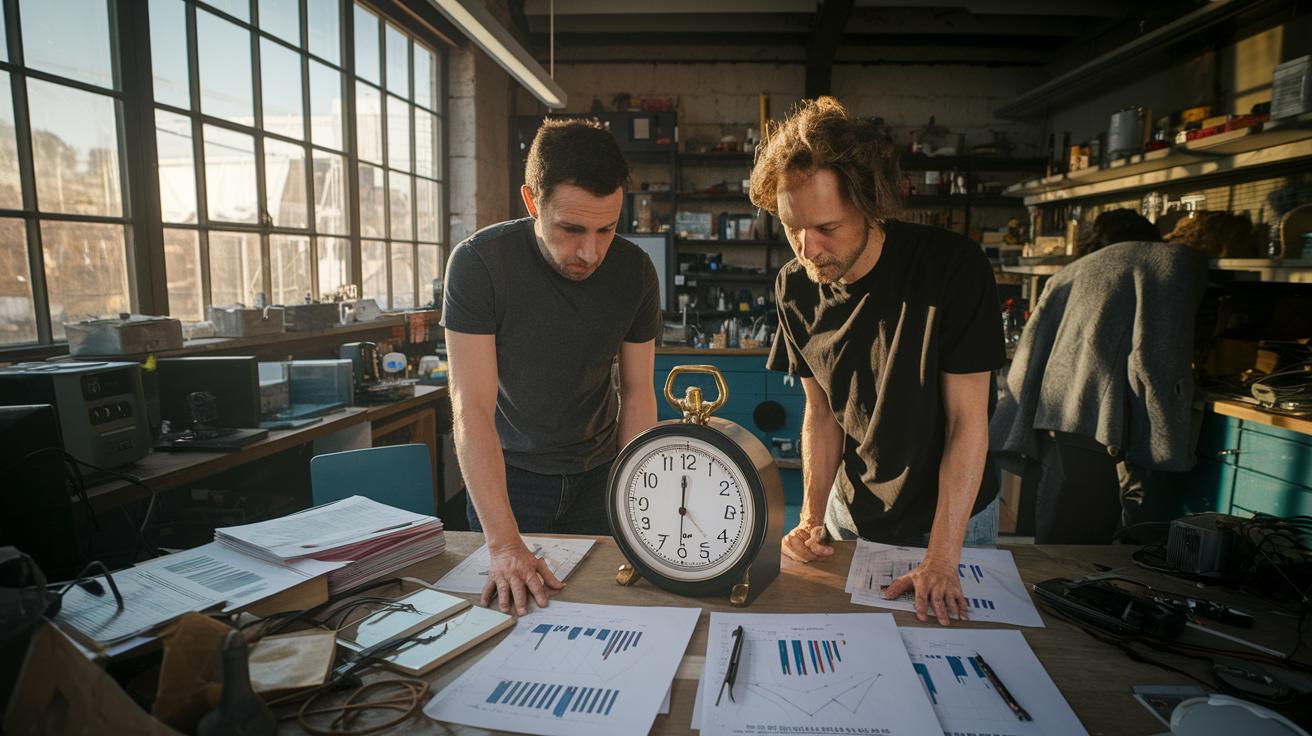
The film shows a time machine that is simple yet puzzling. Two physicists, Aaron and Abe, turn their garage into a lab where they use the device to take advantage of stock market trends. Its design feels real while also being mysterious, with clues that hint at looping events and secret shifts. Carruth leaves parts of the technical discussion vague, which makes viewers work to understand how a basic invention evolves into a complex series of overlapping timelines.
• Nested loops where events echo back on themselves
• Duplicate selves that make you question who is the true version
• Timelines that get rewritten, challenging cause and effect
• A tug-of-war between actions strengthening or breaking causes
• Open loops that never seem to resolve
Each of these puzzles plays an important role. The idea of nested loops shows that actions in one moment can circle back and change the beginning. When copies of characters meet, it is hard to know which version is the real one. The rewriting of events turns a simple cause-and-effect into a more tangled process. The constant push between events supporting each other or breaking away creates tension. And leaving some loops unsolved makes the mystery even more engaging.
Primer blends these puzzles into a story that is both smart and daring. Even though the inner workings of the time machine are not fully explained, the film keeps its own logic intact. Carruth mixes clear technical hints with intentional mystery so that while you work through the puzzles, the film still feels consistent. Each viewing reveals a few new details that both shed light on and add to the intricate puzzle of time.
Circuit Design Plausibility and Experimental Setup Fidelity in Primer
Primer shows a real feel with its hardware design. Instead of detailed blueprints, the film hints at everyday parts you might find in a typical lab, like off-the-shelf components and repurposed equipment. Carruth’s engineering background makes the workshop feel authentic, giving the garage lab a true early-2000s microelectronics vibe. You see portable metal boxes, oscilloscopes, and simple control panels that look both improvised and carefully set up.
The visual style lets you believe that each piece on screen has a real-world match. The table below shows how the devices seen in the film compare to actual electronics:
| Device Component | On-screen Description | Real-world Equivalent |
|---|---|---|
| Power Supply Module | Portable battery pack inside metal box | Lead-acid or lithium-ion battery bank |
| Timing Circuit | Oscilloscope-linked PCB in crate | Function generator with microcontroller |
| Control Interface | Analog knobs and switches | DIY control panel with potentiometers |
The film’s simple and functional design shows a strong commitment to realistic science. By relying on familiar tech instead of flashy effects, Primer makes its experimental setup feel plausible, even within a fictional story.
Physics Theory Consistency Review in Primer
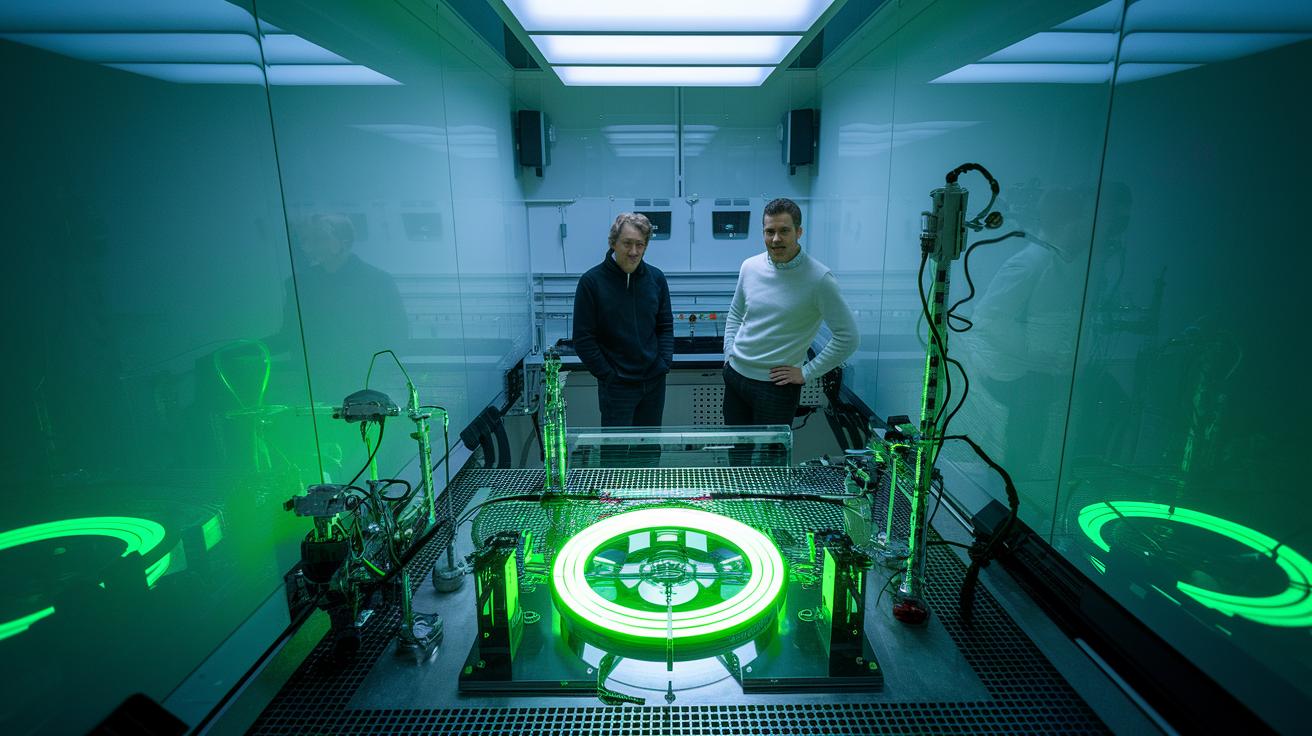
In Primer, gravity is the spark that sets off its time travel. The film drops hints of old physics ideas, especially those from Einstein, but skips the heavy math so you can focus on how gravity shifts time instead of getting lost in numbers.
Gravity Manipulation Basis
Gravity in Primer does more than pull things down. It acts like a switch that kicks off crazy time loops. The movie suggests that by tweaking gravity, you can nudge time into changing course. This idea nods to real-life experiments that study gravity, even if those tests never show time loops like the movie does. Director Carruth keeps it simple so you get a clear, if mysterious, trigger for all the time-bending that follows.
Relativity Representation
Primer also touches on Einstein’s theory by hinting at time slowing and bending without tossing a stack of equations at you. The movie doesn’t dive deep into the science, instead relying on a simple take that feels true to Einstein’s ideas while staying easy to follow. By focusing on a basic version of relativity, the film avoids modern quantum puzzles and keeps its story grounded in classic physics.
Overall, Primer mixes down-to-earth physics ideas with a creative spin on time travel. It may not serve up all the details that hardcore science fans crave, but it does spark curiosity and stays consistent within its own hard-science world.
Narrative Structure Coherence and Scientific Dialogue in Primer
Primer’s script is filled with heavy, technical dialogue that calls for a good grasp of advanced physics. For viewers who love theory, this adds a special appeal. Carruth mixes in loads of scientific language in a way that feels natural and real, making it seem like the film’s science is part of everyday life. This depth makes you want to watch the film over and over to catch timeline shifts and hidden clues in the dialogue.
At the same time, the thick dialogue can make the story hard to follow. Many viewers end up searching for extra guides or watching scenes again to pick up every detail. Carruth’s choice to hold back some context adds to the realistic feel but can leave the storyline looking a bit jumbled. This balance between scientific detail and clear storytelling can be challenging, especially for those not well-versed in advanced science.
The screenplay choices shape how we see Primer’s scientific accuracy. The film has a layered structure that mixes brief explanations with brisk dialogue, urging viewers to stay alert in every scene. Carruth, who both writes and stars in the film, deepens our trust in its genuine scientific discussions. Together, these elements create a film that is as much about the excitement of scientific discovery as it is about piecing together an intentionally elusive story.
Mechanical Innovation Realism and Engineering Feasibility in Primer
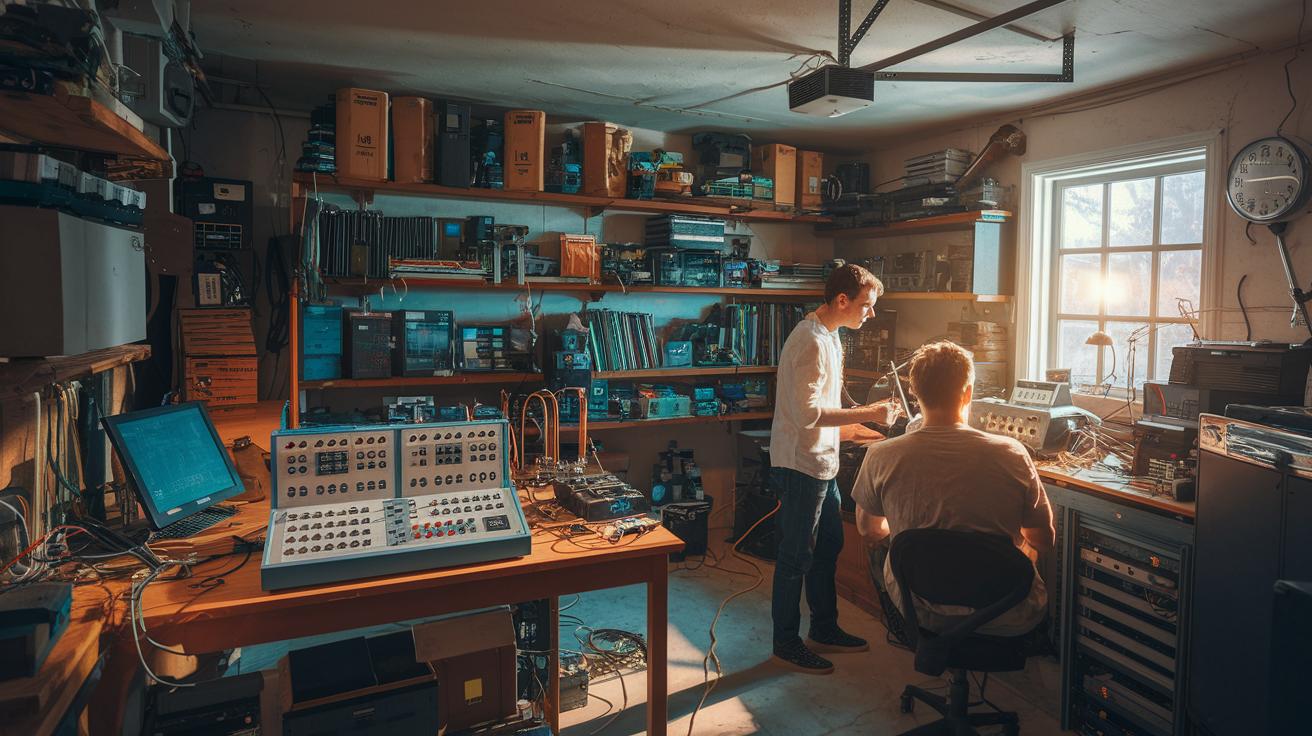
Primer builds its time machine out of repurposed parts in a suburban garage that feels like a real lab. The film uses everyday, off-the-shelf components to create a setting that seems genuine and grounded. One interesting fact is that the movie’s tech setup was inspired by the kind of equipment you’d see in a small college lab rather than the flashy gear of a high-budget sci-fi film.
The hardware draws on ideas from DIY electronics projects. For example, the analog control panel with its knobs and switches is similar to what hobbyists might assemble using common items like potentiometers. Even though constructing a time machine with a $7,000 budget might seem far-fetched, Primer focuses on the creative, experimental process instead of perfect science. This hands-on, budget-conscious setup adds an authentic and raw feel to its narrative.
Final Words
In the action, this article broke down how Primer mixes real physics talk with a smart time travel plot. We touched on everything from the film’s on-screen schematics to its tricky loops and gravity nods. The review shows that primer movie scientific accuracy plays a key role in setting a high bar for hard sci-fi. Each section served to clear up the film’s technical dialogue and narrative twists, leaving you with a fresh, clear grasp of its inventive approach. Enjoy the film with confidence and renewed excitement.
FAQ
FAQ
What does Primer movie scientific accuracy explained mean?
The discussion on Primer’s scientific accuracy highlights its use of real physics dialogue and technical detail. The film’s dense narrative sparks debates on genuine time travel concepts and realistic scientific principles.
What does the machine in Primer do?
The machine in Primer enables time travel by manipulating physical concepts like gravity and causality. It creates loops that let characters interact with past versions of themselves.
What is the paradox in Primer?
The paradox in Primer arises from time loops and self-interaction scenarios. Characters encounter duplicate versions of themselves, leading to causal loops that challenge conventional time travel logic.
Is Primer a low budget film?
Primer is a low-budget film, famously made for $7,000. Its homemade style and use of repurposed technology contribute to its authentic DIY feel and cult appeal.
What is the Primer movie budget?
The film’s budget was around $7,000, yet it grossed over $840,000. This small investment helped shape the movie’s authentic, hands-on approach to time travel storytelling.
Is Primer worth watching?
Primer is worth watching if you enjoy hard sci-fi and time travel challenges. Its complex, technical narrative invites repeated viewings and rewards those intrigued by realistic scientific puzzles.
Who is Shane Carruth?
Shane Carruth is the writer, director, and lead actor behind Primer. His background in engineering informs the film’s realistic approach to time travel and technical dialogue.
Which similar films can be compared to Primer?
Films like Coherence, The Fountain, Predestination, Triangle, and Timecrimes share themes of time travel and complex narratives, appealing to viewers who enjoy thought-provoking, science-driven stories.
What is the most scientifically accurate movie of all time?
While opinions differ, many cite Primer for its scientific accuracy in portraying time travel. Its focus on genuine physics discussion and realistic technical details makes it a standout in hard sci-fi.