
Ever wondered why you just keep binge-watching your favorite shows? New production tools like AI and cloud workflows are speeding up how hits come to life, all while keeping costs down. Global streaming numbers are soaring, thanks to fast, tech-driven film production that reaches audiences quicker than ever. These innovations not only change the way shows are made but also help studios connect better with viewers. This post explains the trends behind our addictive streaming habits.
Production Trends Driving Streaming Hits
Global video streaming revenue hit $187 billion in 2023, and experts expect it to grow between 13.4% and 21.6% by 2025. In 2020, audiences spent nearly 1 trillion hours streaming. With nearly 3.7 billion users predicted by 2025, the industry is clearly on a strong upward path.
Nearly all Americans (98%) now subscribe to at least one streaming service, with the average person juggling about three subscriptions. For instance, HBO Max saw an increase of 12.8 million subscribers, while Netflix experienced a drop of 1.17 million early in 2022. This shows just how competitive the streaming market has become.
Key trends reshaping production include:
- AI personalization that tailors shows to your tastes
- Cloud workflows that let teams edit remotely and quickly
- Advanced VFX that boost visual appeal
- Episodic release models that help track viewer reaction
- Data-driven choices that shape smarter content strategies
These trends are changing digital content creation. Studios are using AI to fine-tune recommendations and quality checks, while cloud systems speed up production cycles. Enhanced VFX draw viewers deeper into the experience, and ongoing episodic releases help gauge audience feedback. Together, these elements build a winning recipe that sets a strong foundation for the future of streaming hits.
Technological Innovations Shaping Production Trends
Cloud and Remote Production Tools
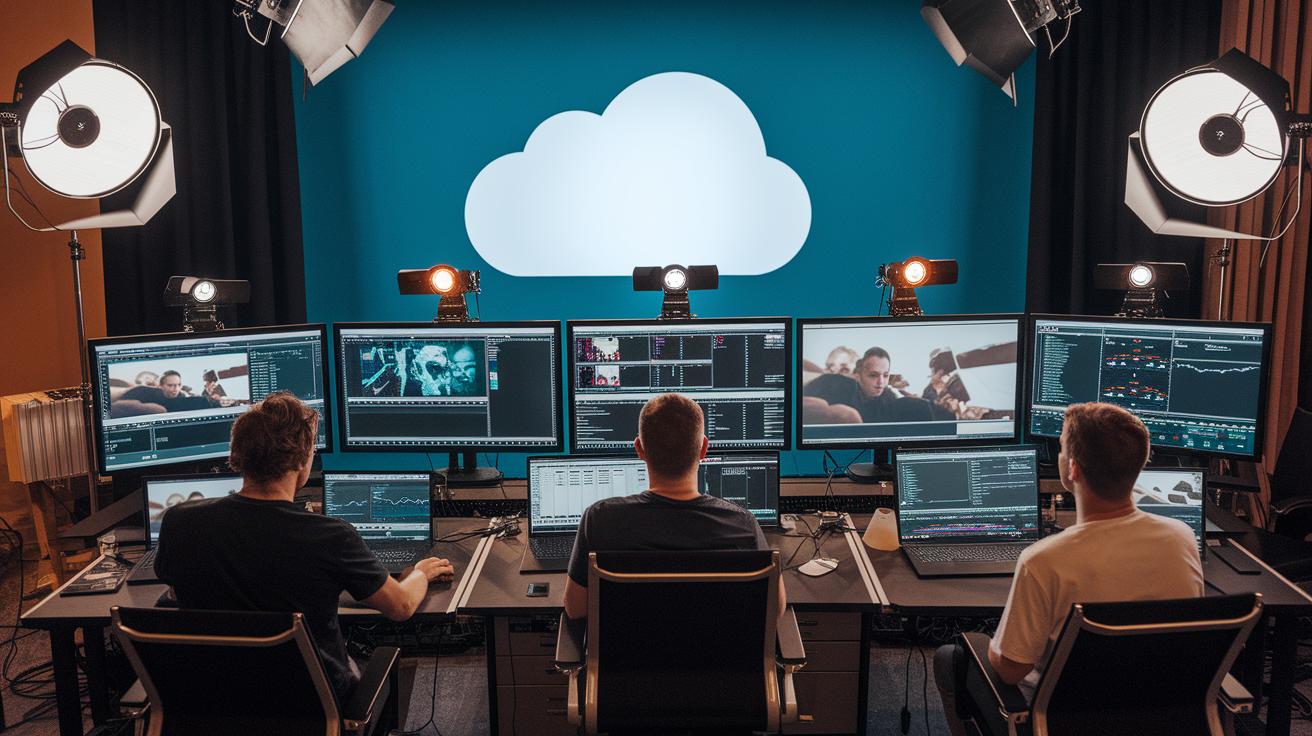
Cloud technology has changed film production in a big way. Tools like AWS Live Cloud Production, shown at NAB 2025, let teams edit and direct from different locations. This method cuts on-site costs and speeds up the process by allowing real-time tweaks and smooth asset management. Filmmakers now enjoy quick feedback and more freedom to be creative.
AI-Driven Workflow Automation
More filmmakers are using AI to make production work easier. Modern AI tools check quality on the fly and add auto-subtitles in over 75 languages, lowering post-production work. These smart systems also spot key moments in footage to speed up editing. When AI combines with cloud tech, studios can create fresh, engaging content with a data-driven approach. For extra details, see the impact on streaming originals.
Advanced VFX and AR Integration
New visual effects and AR tools are reshaping how we experience streaming. Lightweight AR glasses and devices like Meta Quest add live video overlays that draw in audiences. A fresh standard, the MOQ protocol, is ready to replace older tech for smoother, real-time interactions. These advancements mix creative art with modern tech, helping production teams bring dynamic scenes to viewers.
Data-Driven Production Trends for Streaming Hits
Studios are turning to hard data to guide both how they release shows and what they create. Instead of dropping entire seasons at once, many now use a weekly release pattern to track viewer habits and boost long-term engagement. They lean on numbers to decide everything from budgets to marketing strategies, making data a key decision maker.
| Metric | Current (2023) | Projection (2025/2028) |
|---|---|---|
| Global Revenue | USD 187B | Approx. USD 220B |
| Subscriber Count | 3.2B | 3.7B |
| FAST Viewership | 2.0B | 2.5B (by 2028) |
| Podcast Audience | 464.7M | 504.9M |
| Live Sports Streaming | 100M | 108M |
These numbers directly shape production choices. For example, a weekly drop allows creators to get fresh feedback on each episode. This insight helps them tweak things like episode length or add new features for live sports events. When the data shows a steady rise for niche platforms or highlights the growth of FAST channels (free ad-supported streaming services), production teams naturally adapt their schedules and style. In short, mixing creative instinct with clear, real-world data helps build shows that truly click with today’s varied audience.
Workflow and Efficiency Production Trends
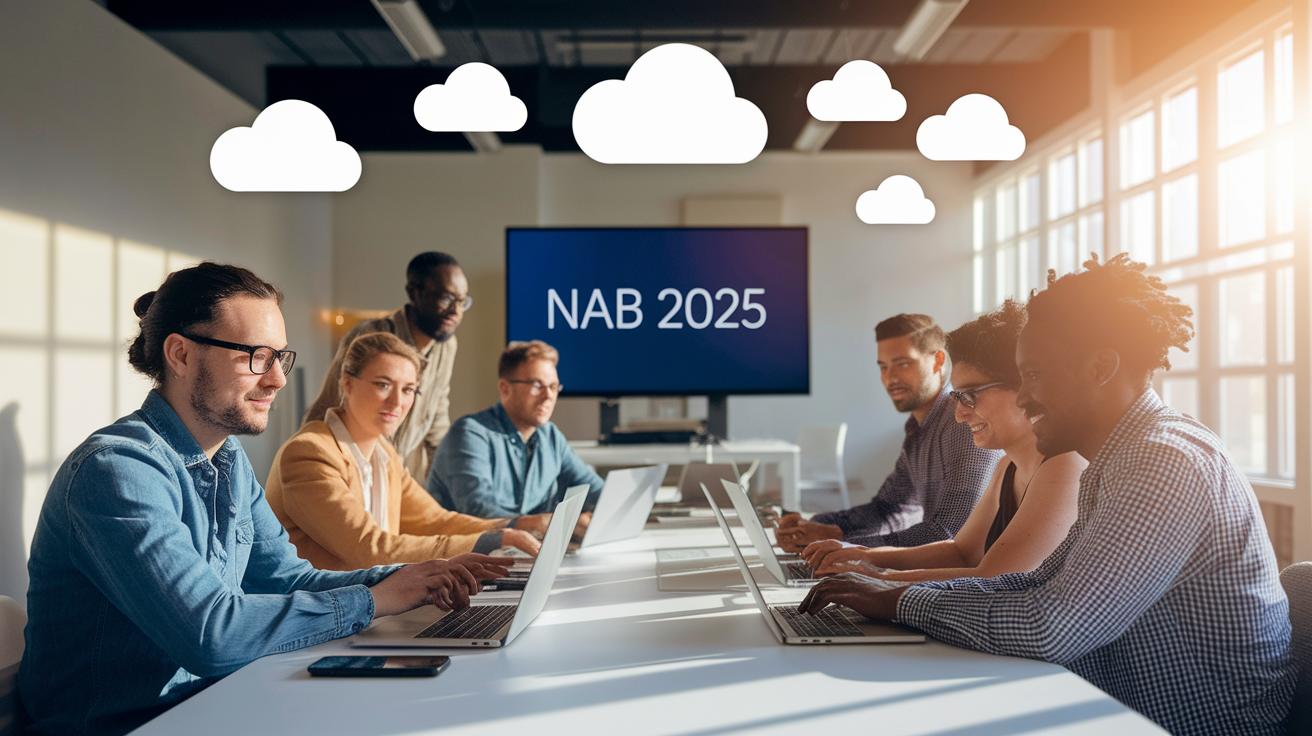
Cloud tools and remote collaboration are changing the way studios work. Production teams now can work from anywhere, cutting down on travel and setup time. This shift helps plan projects faster and makes editing smoother.
At NAB 2025, decision boards and real-time analytics took center stage. GenAI search tools now automate tasks like tagging and managing assets, which speeds review times. Studios report faster turnaround on projects by 20–30% thanks to quicker pre- and post-production work. For example, cloud systems have cut on-site needs by up to 30%, lowering costs and saving time. Smart scheduling finds the best moments to use resources and adjust shooting plans as needed.
These improvements not only cut expenses but also boost confidence in finishing projects on time, letting teams focus on creative work rather than logistics.
Creative Storytelling Trends Shaping Streaming Production
Immersive and interactive trends are changing how streaming tells stories. With the spread of 5G, AR and VR experiences let you step into a story like never before. Imagine a show that adjusts its scenes to match the look and feel of your living room. This blend of tech and creativity makes stories feel both fresh and personal.
Thanks to 5G-enabled spatial streaming, live events now feel more engaging than ever. AR and VR features turn regular visuals into lively, responsive scenes, especially on smart TVs found in nearly 85% of U.S. homes. This transformation creates a two-way conversation between the content and the viewer, making every moment more interactive.
Transmedia storytelling takes a simple plot and spreads it across videos, podcasts, and social media, giving you a richer, more connected experience. A story can build across episodes, bonus clips, and live chats, showcasing new ways to evolve a script and break traditional storytelling rules.
Interactive elements like clickable features and real-time polls let you shape the narrative as it unfolds. By mixing immersive visuals with direct viewer input, creators are crafting content that feels both dynamic and engaging. This approach pushes boundaries and invites you into every scene.
Sustainable and Future Production Trends in Streaming
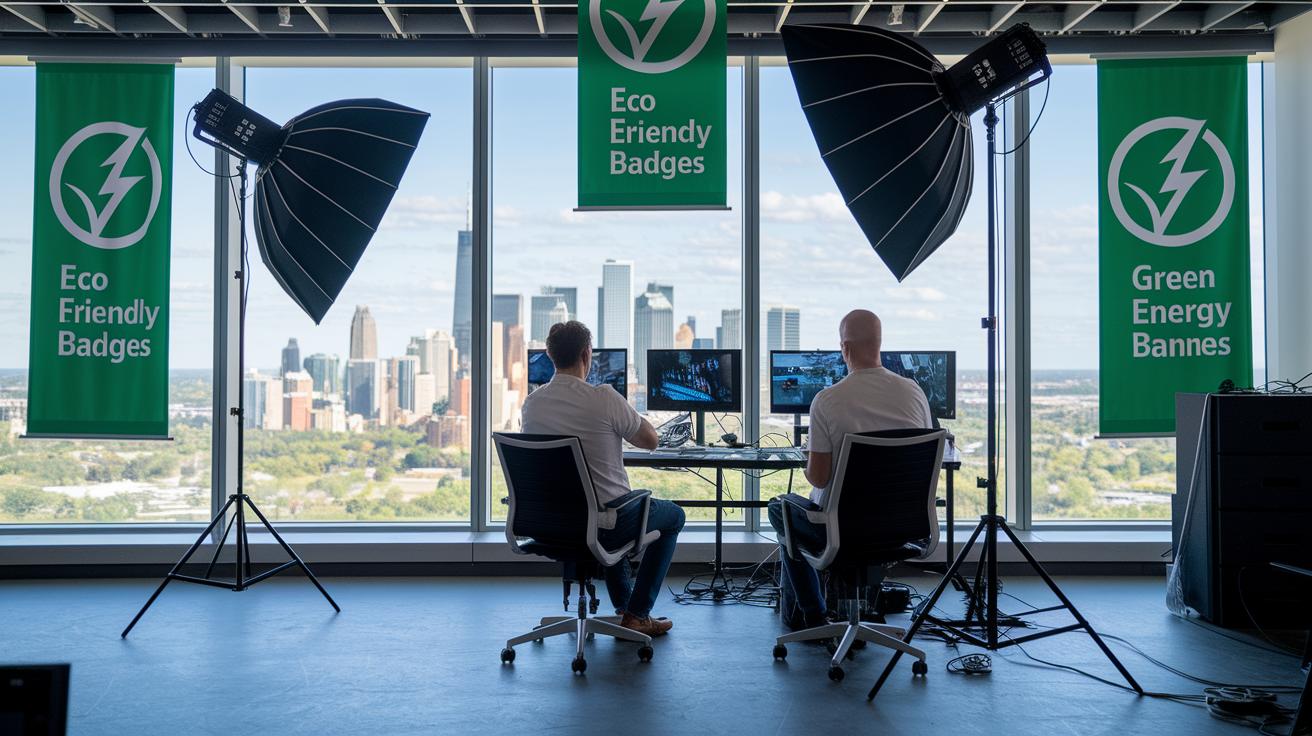
Streaming is shifting to greener production methods. Studios are now using eco friendly techniques to cut down on travel and lower their carbon footprints. By using remote filming and live broadcasts made by users, producers can plan shows that are both sustainable and engaging.
Digital tools are a big part of this change. Cloud libraries let teams reuse footage for different series. This step alone cuts new shoot days by about 20%, saving time and resources while keeping production flexible and innovative.
New job roles are also changing the game. Virtual production supervisors and remote editors work from different locations, making the process leaner than ever. Live Q&As and on-screen polls boost real-time viewer interaction, ensuring that projects stay fresh and creatively dynamic.
Final Words
In the action, the article highlights how big numbers and subscriber shifts set the stage for compelling production trends.
We broke down factors like AI personalization, cloud workflows, and innovative VFX that power streaming hits.
Workflow optimizations and evolving creative storytelling add extra punch while sustainable practices guide future projects.
All these elements combine into production trends shaping the new era of streaming hits.
The outlook is upbeat, proving that smart strategies keep the content fresh and engaging for viewers.
FAQ
What production trends are shaping the new era of streaming hits on Netflix and beyond?
The production trends shaping streaming hits include AI personalization, cloud workflows, advanced VFX, episodic release models, and data-driven decisions. They help platforms like Netflix optimize content and engage their audiences effectively.