
Ever noticed how one quick cut can shift a film's mood in an instant? Film editing is much more than linking scenes together. It sets the pace and tone of the story. Fast cuts ramp up the suspense, making your heart beat faster, while longer shots allow the tension to grow slowly. When you dig into the art of film cutting, you see how each choice directs your eyes and pulls you deeper into the narrative. Raw footage becomes a living, breathing story that keeps you hooked from beginning to end.
Fundamentals of Film Editing: Understanding How Cuts Shape Stories
Film editing is about choosing and putting shots together to tell a clear story. Cuts are the simple tools that help move the narrative along, set the pace, and keep you interested. Editors work quietly behind the scenes, using timing to give the film its emotional beat. Quick cuts, for example, can boost energy during intense moments, like switching rapidly from a hero’s focused look to the looming threat before danger strikes. On the other hand, longer takes slow things down and let you feel the tension build.
Some key cut styles include:
- Straight cuts, which create smooth transitions between scenes.
- L-cuts, where the audio from one scene carries over into the next for a gentle overlap.
- J-cuts, which start the next scene with visuals while still playing the sound from the previous scene to shift the mood.
These editing choices shape the narrative by keeping the flow seamless and guiding your focus to important details. In short, each cut helps balance the film’s emotional rhythm and turns raw footage into an engaging cinematic experience.
Exploring Cut Types: Jump Cuts, Match Cuts, Montages, and Cross-Cuts
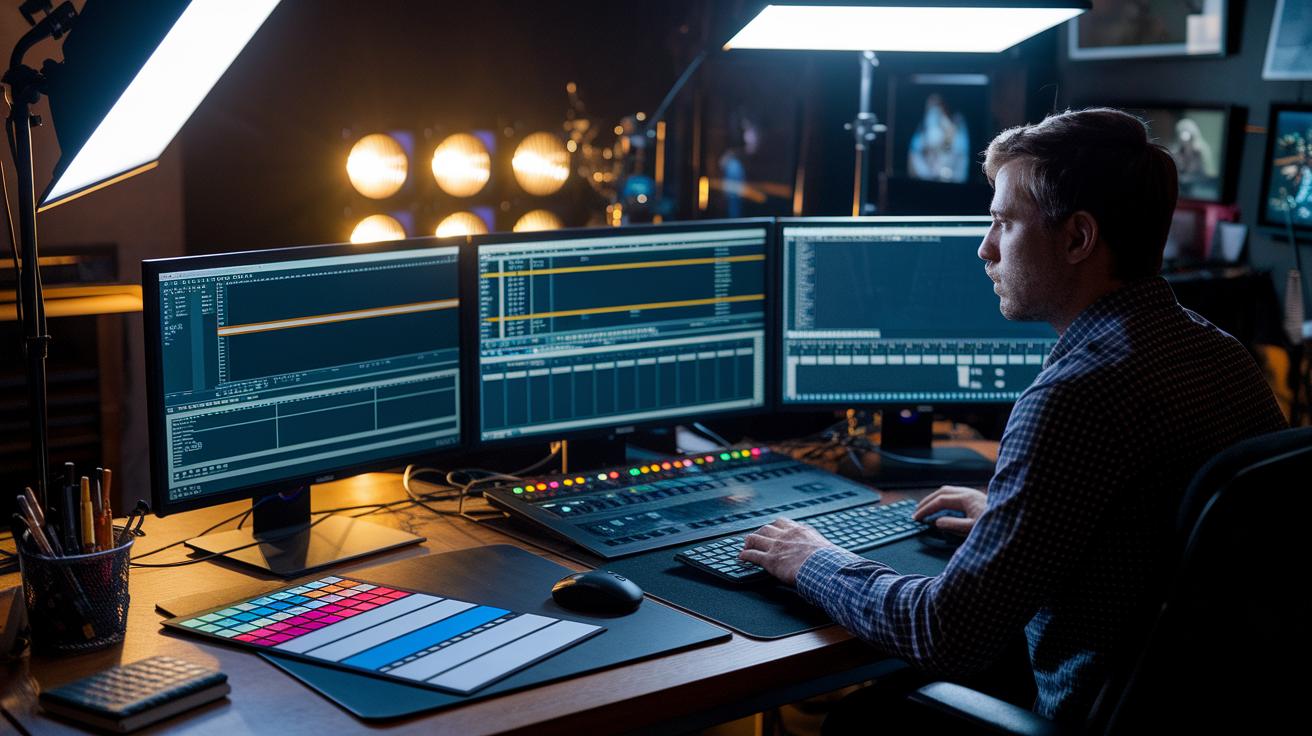
Film editing takes raw footage and turns it into a clear story by choosing exactly how to cut and arrange scenes. Each type of cut plays a special role in directing your attention, setting the pace, and creating mood. Below are four key techniques filmmakers use to shape their narratives.
-
Jump cuts
Jump cuts trim out parts of a scene to speed up time or add a sense of disorientation. They create sudden shifts that can catch you off guard, much like the choppy storytelling in Memento, where the editing makes you feel the confusion of memory loss. -
Match cuts
Match cuts link similar images from one scene to the next, creating a smooth and almost magical transition. Think of the famous bone-to-spaceship switch in 2001: A Space Odyssey, which connects ideas visually in a striking way. -
Montages
Montages squeeze long spans of time into one short sequence that packs an emotional punch. They quickly show change or progress in the story, similar to Rocky’s training montage, which boosts energy and highlights the hero’s determination. -
Cross-cuts
Cross-cuts weave together scenes happening at the same time, boosting tension through contrast. This method pits different parts of the story against each other, much like in Inception, where layered cross-cuts keep you engaged with its intertwined events.
Pacing and Rhythm: Crafting Narrative Flow Through Strategic Cuts
Filmmakers use cuts to shape how a film feels. Quick cuts pump up the action for thrillers and chase scenes, giving you bursts of energy that keep you alert. At the same time, longer shots let you settle in and connect with the characters during slower, more thoughtful moments. This mix shows how a movie’s rhythm depends on where and when the cuts land.
Each cut is a careful choice that guides your attention and ties the story together. Smart editing creates harmony in both time and space, making scenes flow naturally. Studies find that fast sequences boost excitement, while lingering shots help build a deeper bond with the characters and setting. This balance between speed and pause keeps the film clear and engaging.
Every cut is like a breath for the film. Editors try out different rhythms until finding the perfect match. By blending quick moments with gentle pauses, the film gains a lively flow and strong emotional impact that makes each scene memorable.
Emotional Engagement Through Cuts: Building Tension and Empathy
Editors do more than set the pace; they influence how you feel by choosing when and how to cut scenes. In a thriller like Silence of the Lambs, the shot-reverse-shot technique ramps up alertness and makes you feel tense. One review put it this way: "The continuous face-to-face exchanges create a sense of unease that presses in on you."
On the flip side, the quick montage in Notting Hill brings light moments, sparking laughter and warm feelings. Each rapid cut turns a regular scene into a burst of joy.
In Shawshank Redemption, the slower, measured cuts give you time to reflect. Longer shots let the heavy, bittersweet mood sink in and help build a deeper, personal connection.
| Film | Technique | Emotional Effect |
|---|---|---|
| *Silence of the Lambs* | Shot-reverse-shot | Increases alertness |
| *Notting Hill* | Quick montage | Creates humor and warmth |
| *Shawshank Redemption* | Measured cuts | Builds reflective empathy |
Evolution of Editing Styles and Modern Innovations in Film Editing
In the early days of cinema, editors cut and joined pieces of film by hand. This physical splicing was slow and required hard work, but it set the stage for how stories would be told visually. From the 1910s to the 1940s, classical Hollywood mastered continuity editing, creating a smooth flow that helped viewers stay immersed in the story.
In the 1920s, Soviet montage changed the game. Editors began placing very different shots next to each other to spark strong emotions and encourage deeper thought. This method showed that editing was not just about linking scenes, but could also express creative ideas.
By the 1990s, digital non-linear editing came along and transformed the process. Filmmakers started using software to rearrange scenes and experiment with pace with ease. Today, traditional methods work together with advanced digital tools, including AI software that helps sort shots, break down scripts, and assemble rough cuts. This blend of old and new techniques keeps film editing fresh and full of creative surprises.
Behind the Cut: The Editorial Workflow and Decision-Making
Pre-Editing Planning
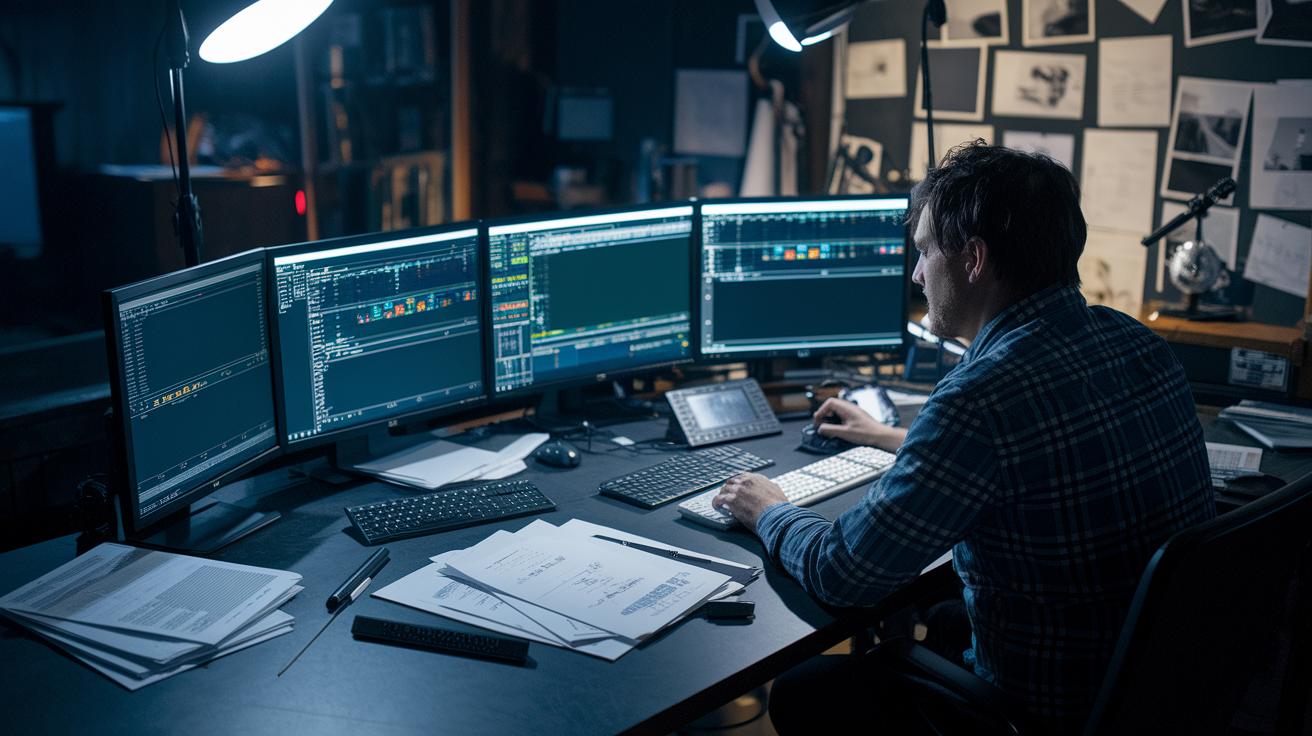
We begin by reading the script, making a detailed shot list, and logging all the raw footage. Editors watch every take closely, marking standout moments and noting any challenges. This careful review sets the stage for a creative editing process and helps steer the director's choices. By breaking down the script, the team highlights key scenes and plans the film's emotional flow.
Assembly and Rough Cut
After planning, editors arrange the shots into a simple narrative order. The rough cut is a basic version that pieces together the story. This step makes it easier to spot pacing problems and identify where transitions need refining, keeping the narrative on track.
Fine Tuning and Final Cut
In the fine-tuning stage, editors focus on perfect timing and smooth transitions. They adjust shot lengths and order, often working side by side with the director. Feedback from test screenings and ongoing critiques helps nail the film’s tone and emotional impact. Tools like Lightworks or Adobe Premiere play a big role here, with every small tweak adding strength to the film’s final voice.
Final Words
In the action, our post examined film editing fundamentals, from the core cut types to the fine tuning of narrative pacing and emotional beats. We broke down jump cuts, match cuts, montages, and cross-cuts with clear examples. We also explored the evolving workflow that transforms raw footage into a compelling story, highlighting editing techniques that truly connect with viewers.
This guide helps build practical skills in understanding film editing: how cuts shape storytelling. Enjoy experimenting with these insights!
FAQ
Understanding film editing how cuts shape storytelling pdf
The document on film editing explains how cuts organize scenes to form a smooth narrative. It shows that strategic cuts control pacing and focus, ultimately enhancing storytelling and audience engagement.
Understanding film editing how cuts shape storytelling essay
The essay on film editing details how selecting and timing cuts create emotional and narrative flow. It emphasizes that well-planned cuts help guide the viewer’s attention and heighten the overall impact.
Importance of editing in film essay
The film editing essay highlights that editing is crucial for clear narrative structure. It shapes the story’s rhythm and tone, ensuring that each scene contributes effectively to the overall emotional journey.
Film editing and emotional resonance the psychology of cut
The discussion on editing reveals that precise cuts influence emotional response. They work on our psychology by building tension or calm, making the film’s emotional moments more impactful.
Video editing psychology
Video editing psychology considers how editing choices affect viewer perception. It shows that the pacing and arrangement of clips can trigger specific feelings, drawing the audience deeper into the film experience.
Storytelling video editing course
The course on storytelling through video editing teaches how to shape narratives with effective cuts. It covers techniques that balance pacing and emotion, helping editors craft compelling, audience-focused stories.
What is jump cut in video editing
A jump cut in video editing refers to a sudden shift between two shots in the same scene. This technique speeds up time or creates a jarring effect, effectively altering the story’s rhythm and viewer engagement.
How to analyse film editing
Analyzing film editing involves looking at how cuts affect narrative flow and emotion. It means examining shot timing, transitions, and continuity to understand how they guide attention and build viewer engagement.