
Wait , 7.0/10
Retro films mix old-school style with hidden messages, inviting us to look deeper without giving too much away.
• Story: Bold takes on power and hidden ideology
• Direction: Striking visuals that evoke their era
• Acting: Characters that quietly reflect societal fears
• Technical Craft: Clever storytelling that layers meaning
Ever wonder why some classic movies seem to tuck coded political messages behind their vintage charm? These films offer more than a nod to nostalgia, they deliver subtle critiques of power struggles and deep-seated societal fears. For example, Triumph of the Will and The Terminator use sharp visuals and ingenious storytelling to mirror the real issues of their time. In doing so, they remind us that cinema doesn’t just entertain; it challenges our views about authority and the forces that shape our world today.
~ Alex Reed , Film Critic. Passionate about exploring hidden layers in cinema.
Retro Films as Mirrors of Socio-Political Contexts
Retro films show us snapshots of their era. They mix creative visuals and clever stories to talk about power struggles and common fears. For example, Triumph of the Will (1935) used a propaganda montage to praise strong, authoritarian rule. Meanwhile, '80s sci-fi films like The Terminator (1984) and WarGames (1983) turned futuristic drama into warnings about the dangers of nuclear power. These movies weave artful storytelling with real political issues, capturing the spirit and worries of their time.
Over the years, filmmakers have blended fresh styles with current events to voice their critiques. Movies such as Blade Runner (1982) and Brazil (1985) imagine worlds where government and big businesses limit personal freedom. RoboCop (1987) pokes fun at unchecked consumerism and privatized law enforcement. Each period offers its own powerful messages, reminding us how culture and conflict go hand in hand.
| Film | Theme |
|---|---|
| Triumph of the Will (1935) | Authoritarian propaganda |
| The Terminator (1984) | Nuclear dread |
| WarGames (1983) | Nuclear anxiety |
| Blade Runner (1982) | Control by government and corporations |
| RoboCop (1987) | Consumerism and privatized law enforcement |
Retro cinema is more than nostalgic fun. It captures the tensions of its time and helps us understand how power and resistance shape society. Watching these films gives us a window into the past that still speaks to today's issues.
Cold War Era Retro Films and Power Dynamics
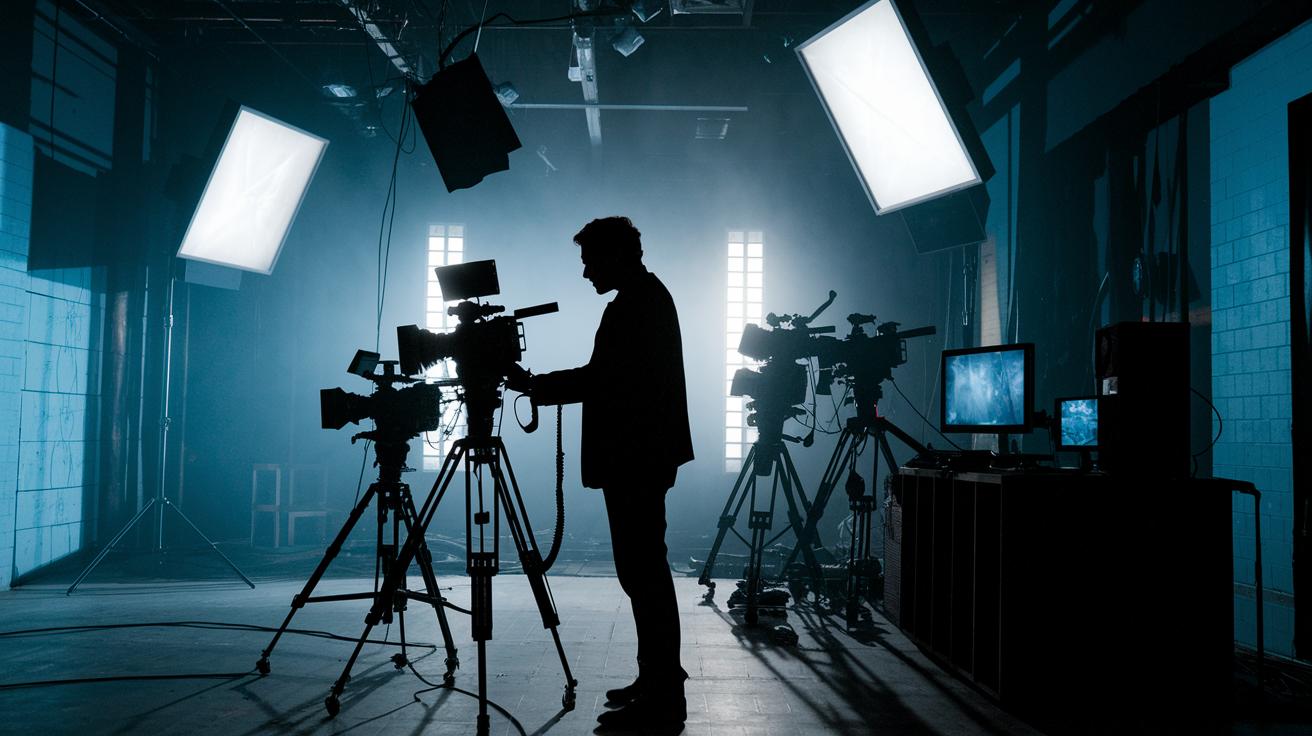
During the Cold War, films showed a world filled with constant spying and nervous tension. Directors used careful camera work and sharp edits to mirror the uneasy mood of the time. For example, The Conversation (1974) uses tight camera shots to make you feel the heavy presence of surveillance.
Some films kick off with surprising facts that connect small details to a bigger picture. Think of a historical tidbit like how Marie Curie once carried test tubes in her pockets, unaware of the dangers ahead. This style goes beyond simple storytelling by tying everyday technology to the quiet sting of being watched.
Movies such as The Terminator (1984) and WarGames (1983) feature advanced gadgets that stand in for the cold, unyielding threat of nuclear power. Meanwhile, Blade Runner (1982) and Brazil (1985) focus on mood and tight framing to show the grip of state and corporate power on people’s lives. Even RoboCop (1987) shifts the idea of public safety into a tale of consumer exploitation, each film using its own style to capture shifting power dynamics in the Cold War era.
Retro Civil Rights and Counterculture Narratives
Retro movies played a big part in social movements. They showed real struggles like fighting for civil rights, clashing over class differences, and the youth pushing back against old rules. These films broke social taboos and got people talking by mixing bold visuals with strong political messages.
Easy Rider (1969), directed by Dennis Hopper, is a true icon of American counterculture. It follows a journey of freedom on open roads, challenging what most people take for granted. The film sparked conversations about what it means to be truly free and inspired young viewers to question everyday life.
Daisies (1966), directed by Věra Chytilová, uses mischievous visuals and offbeat editing to question socialist norms. Its creative style packs a punch, combining feminist ideas with political insight in a way that broke free from strict censorship.
Cathy Come Home (1966) by Ken Loach uses a real-life approach to show deep class divisions. Its heartfelt story about homelessness and poverty made many viewers angry about social injustice and pushed for change.
Man of Iron (1981), directed by Andrzej Wajda, looks at Poland during the rise of Solidarity. It shows workers uniting against a harsh system, offering a powerful plea for freedom and fairness.
| Film | Country | Movement | Key Message |
|---|---|---|---|
| Easy Rider (1969) | USA | Counterculture | Challenge to mainstream norms |
| Daisies (1966) | Czechoslovakia | Feminist dissent | Opposition to censorship |
| Cathy Come Home (1966) | UK | Social Realism | Highlighting class divide |
| Man of Iron (1981) | Poland | Solidarity | Workers rising against oppression |
Retro Noir and B-Movie Allegories of Authority
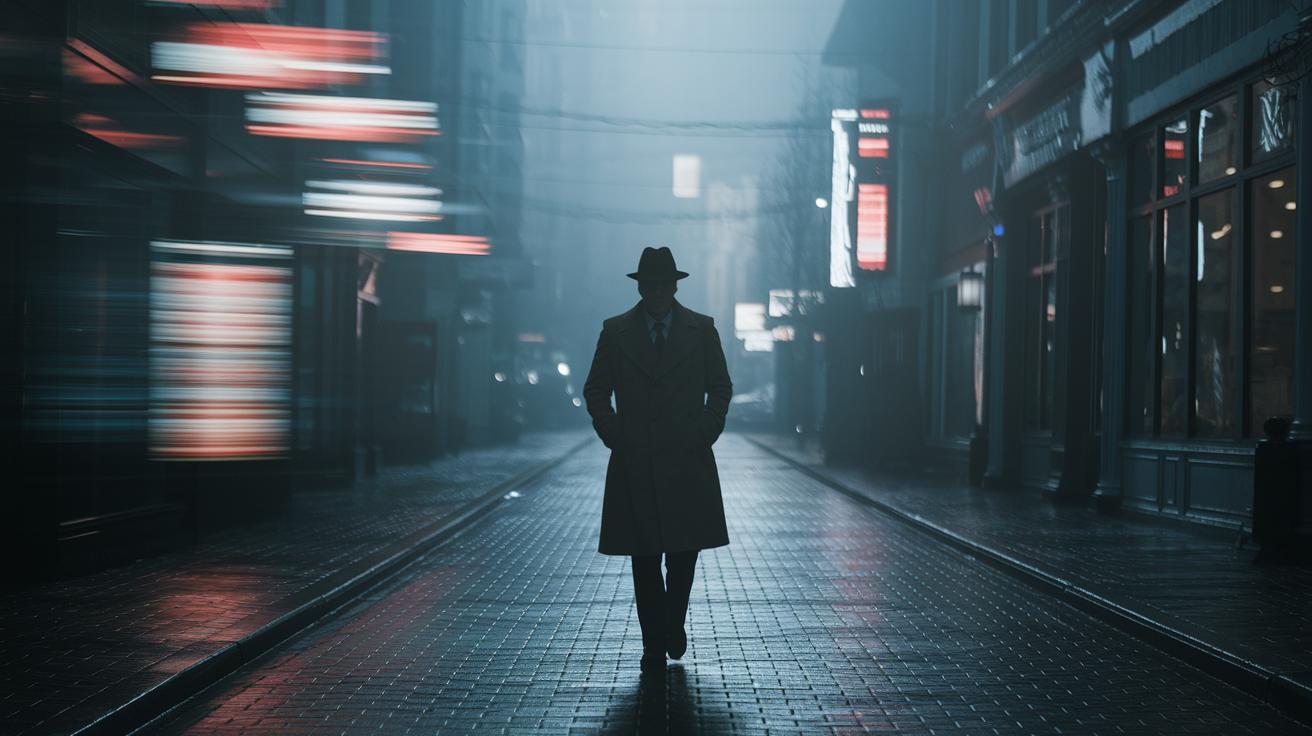
After World War II, filmmakers turned to noir style to highlight a broken society. Movies like Double Indemnity (1944) and The Maltese Falcon (1941) dive into messy morals and deep distrust. Their dark lighting and careful shots expose corrupt systems and shaky personal ethics. These films set a clear tone for a needed societal change.
B-movies such as Invasion of the Body Snatchers (1956) and The Thing (1951) amped up political paranoia. Directors used cramped settings and stark shadows to show fears of McCarthyism and foreign threats. Every brief play of light built a constant feeling of danger. These movies use small cues to spark deep fear.
Noir and B-movie styles have grown into cult classics that still guide modern filmmakers. Their visual storytelling offers a blueprint for challenging the mainstream. By pushing creative limits, these low-budget films prove they can speak loudly. Their raw, inventive spirit lives on in gritty stories today.
Retro Westerns as Ideological Battlegrounds
Western movies show more than dusty shootouts and wide-open landscapes. They hide big ideas about community, power, and change behind familiar scenes. These films are not just hero tales; they let us see the fight between old ways and new ideas. The open lands become a stage where characters face money struggles, tough choices about right and wrong, and shifts in who holds power. For example, in some films, a town duel mirrors a bigger battle between tradition and modernity.
High Noon (1952) reflects the tense mood of the McCarthy era with its sense of betrayal and suspicion in a close-knit community. Stagecoach (1939) brings class struggles to life by revealing conflicts between the well-off and the overlooked. The Good, the Bad and the Ugly (1966) questions loyalty and survival during chaotic times, hinting at the dark side of business and blurred morals. Johnny Guitar (1954) challenges old gender roles, offering a fresh look at authority and personal freedom in the wild West.
Retro Comedies and Satirical Critique of Governance
Retro comedies used humor to take aim at authority without a direct confrontation. Filmmakers crafted absurd situations and quick-witted lines to highlight the oddities in government and media control, giving viewers a chance to question power in a playful way. This approach let audiences laugh while noticing the flaws in systems that might otherwise seem too serious to mock.
For instance, Dr. Strangelove (1964) transformed the fear of nuclear war into a wild, funny ride. Duck Soup (1933) made a mockery of strict regimes and extreme capitalism with over-the-top antics. Network (1976) showed how news can be twisted under corporate rule, striking a chord with those tired of manipulative media. And To Be or Not To Be (1942) used wartime satire to ridicule fascism, blending smart jokes with serious themes. Each of these films cleverly mixed humor and absurdity to invite viewers to laugh at power while thinking critically about it.
Legacy of Retro Films in Modern Political Cinema
Verdict: Watch , 7.5/10
A sharp look at how classic films still influence political storytelling.
• Story: Deep, thoughtful ties to timeless themes
• Direction: Modern twists wrapped in vintage style
• Acting: Not a review of individual performances
• Technical Craft: Slick visuals and renewed techniques
Classic films paved the way for modern political cinema. Blade Runner (1982) set the stage with its cautionary tale of power and technology, a conversation that continues in Blade Runner 2049 (2017) with its crisp visuals and futuristic corporate chaos. Modern remakes and sequels turn old warnings into fresh critiques of control and capitalism, proving that aged narratives still spark debate about today’s political and economic issues.
New directors honor retro cinema by adopting its subversive storytelling. Filmmakers like Tarantino with The Hateful Eight (2015) and others channel the spirit of vintage noir and Westerns seen in the Coen Brothers’ work. They retell familiar storylines in settings that feel both timeless and modern, challenging us to reconsider issues like authority, injustice, and rebellion.
A lively conversation between past and present emerges when archival footage essays and documentary hybrids echo the protest images of classics like Easy Rider. Films such as Into the Wild (2007) blend a free-spirited individualism with the constraints of established order, showing that political concerns from decades ago still resonate. This ongoing dialogue not only refreshes classic themes but also sparks bold new critiques in our ever-changing political landscape.
Final Words
In the action, the article showed how cinema mirrors social and political shifts.
We saw how retro films capture everything from nuclear fears to counterculture rebellions.
The breakdown of key eras, from Cold War paranoia to satirical critiques of governance, reveals a rich layer of history and ideology in film.
Retro films and their socio-political context remain a powerful tool for understanding our past and shaping modern narratives.
The future looks bright, as these timeless stories continue to inspire and engage us.
FAQ
What retro films reflect powerful socio-political contexts and fuel social change?
Retro films mirror political climates by weaving social messages into their narratives and visuals. Classics such as The Terminator, Blade Runner, Easy Rider, and Double Indemnity showcase themes from nuclear anxiety to counterculture rebellion.
What is the political or social cultural context of a movie?
The political and social cultural context of a movie comes from its reflection of the era’s power struggles, class dynamics, and public sentiments, which shape both its story and visual style.
What is the #1 most inspirational film of all time?
While opinions vary, many consider “It’s a Wonderful Life” the most inspirational film for its timeless message of hope, community, and the impact one life can have on others.
How did the social context of the 1970s affect film themes?
The 1970s social context brought counterculture, political distrust, and civil rights issues to the forefront, inspiring films with themes of rebellion and societal critique that challenged traditional norms.