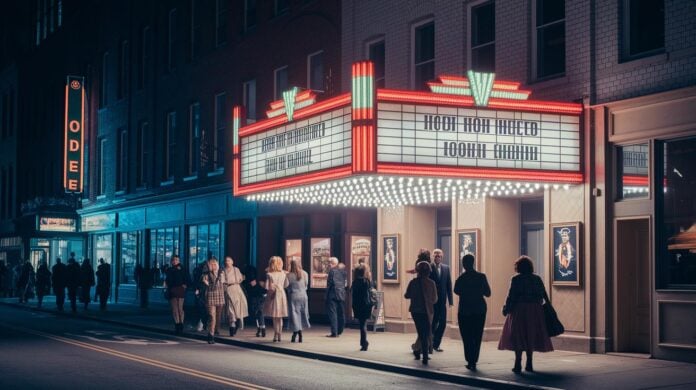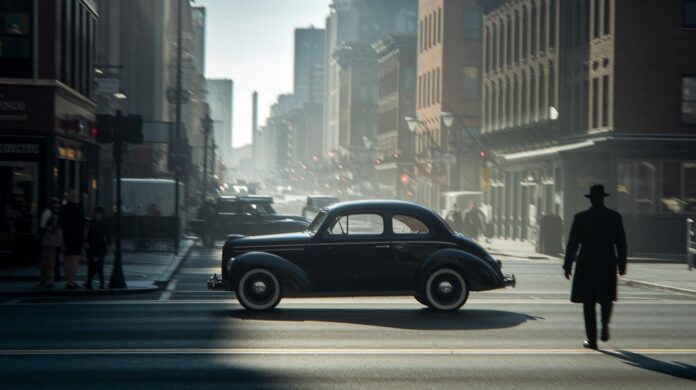

Ever wondered how one simple tune can change an entire film scene? Retro soundtracks do more than create a mood, they take you on a character’s journey and shape the story. Classic movies combine bold orchestral pieces with soft piano melodies to craft moments that stick with you. Dive into the magic of vintage sound and see how every beat brings its own captivating story.
Comprehensive Retro Reels Soundtrack and Score Breakdown
Retro film soundtracks capture the classic vibe of earlier movies and play a big role in storytelling. Whether the music is full orchestral arrangements or simple piano tunes, it sets the mood and tracks a character’s journey. For instance, a gentle piano theme may swell as the character grows, transforming a quiet scene into one filled with emotion. This shows that the score is more than background sound, it is a vital part of the film’s narrative.
Vintage film music rests on clear, signature elements. Melodic motifs (repeating musical phrases) act as a musical fingerprint for characters and themes. Old recording techniques such as live session recordings on analog tape add a warm, distinctive sound. A careful blend of strings, brass, woodwinds, and percussion creates a layered audio feel that supports the visuals without overwhelming them.
In the mid-20th century, film music evolved with new technology and changing audience tastes. Early soundtracks captured live performances with magnetic tape, preserving every subtle note. As studios explored new recording methods, scores became more dynamic, matching the shift from simple dialogue to rich, sound-driven storytelling. This evolution set the stage for modern film scoring, where the legacy of retro reels still influences how music drives the story and enhances the movie experience.
Instrumentation and Orchestration in Vintage Film Scores
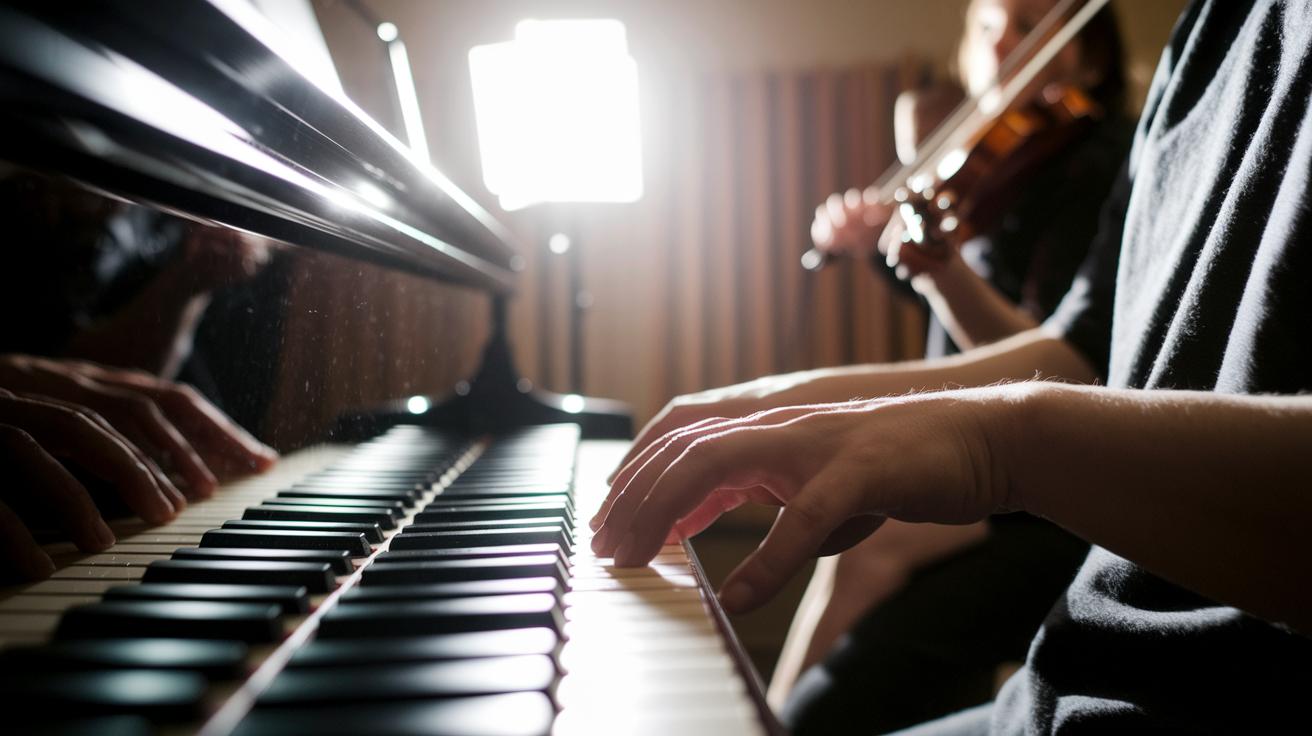
In old films, music was more than putting instruments together. It was about stirring emotions. Movies from the 1950s to the 70s used carefully chosen sounds to set the mood in every scene. Violins and cellos lifted the spirit in touching moments, while trumpets and horns marked dramatic highs. These sounds truly hit home with viewers. In kids' TV shows from the 1980s, woodwinds and percussion mixed playfulness with real musical skill.
Film scores back then also made room for quiet, personal moments. A solo piano or an early analog synthesizer (an electronic instrument that makes unique sounds) created a special charm. Combining live orchestral play with new electronic tricks built a rich, layered sound that defined a whole era.
| Instrument Group | Examples |
|---|---|
| String section | Violins, Violas, Cellos |
| Brass section | Trumpets, French Horns |
| Woodwinds | Flute, Clarinet, Oboe |
| Percussion | Timpani, Snare, Glockenspiel |
| Solo instrument | Piano |
| Electronic | Early Analog Synthesizers |
| Jazz combo | Saxophone, Muted Trumpet |
Each of these choices helped shape the film's sound and underline its story. Blending powerful live sounds with experimental touches created music that still inspires how films are scored today.
Retro Reels Soundtrack and Score Analysis: Captivating Tunes
Leitmotif Usage
Recurring musical themes bind a special tune to characters and places, guiding us through a film's emotional journey. In classic scores, a soft melody can signal a hero's hope while a darker theme hints at looming danger. These familiar tunes constantly reflect a character's inner world or set the mood in a scene. Composers lean on this tool by reusing a core phrase with small twists, which deepens character identity and ramps up tension. For example, Giovanni Rotondo revisits a main theme at key moments to mirror a character's growth, ensuring the music develops along with the story.
Melodic Variation
Switching up a melody keeps the score lively from start to finish. Changing the rhythm, harmony, or instruments behind a central theme gives familiar music a fresh burst of energy. This approach prevents the score from feeling stale while matching shifts in the film's tone. Subtle variations occasionally hint at changes in a character's journey or even reflect the broader vibes of the time. In this way, the film score becomes a dynamic force that not only supports the action but truly shapes the overall narrative.
Production Techniques and Analog Recording in Period Film Scores
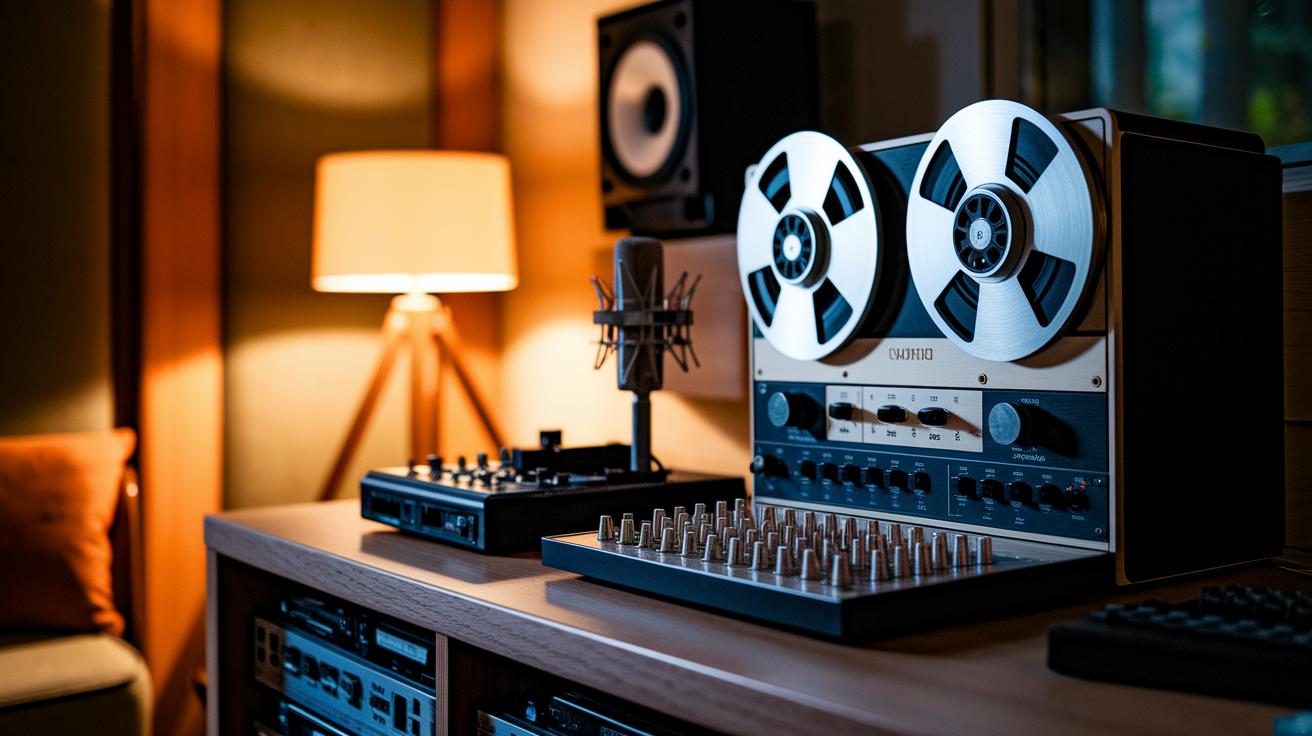
Back in the day, film scores were recorded using all analog gear. Studios used spool-to-spool tape machines, ribbon microphones, and analog mixers to capture every detail of a performance. Magnetic tape recordings, enhanced by plate reverb and direct-to-tape echo, brought a warm, natural decay to the sound. Every part of the process, from the natural tape saturation to the live room ambiance, added its own character. Engineers balanced careful precision with creative flair, embracing small imperfections that made the music feel more alive.
| Technique | Era | Impact on Sound |
|---|---|---|
| Tape saturation vs. digital clipping | Analog | Adds warmth and natural compression |
| Plate reverb vs. convolution reverb | Analog | Creates a rich, organic echo |
| Live room recording vs. DAW sample libraries | Analog | Captures an authentic, immersive space |
Today, composers look back at these analog methods and recreate them with modern tools. Digital audio workstations use special plugins to mimic the warm tape saturation and room acoustics of vintage recordings. This mix of old and new technology offers a clean, polished sound that still retains the unique character of analog methods, creating a soundtrack that feels both timeless and carefully crafted.
Comparing Retro Reels Scores to Contemporary Soundtracks
Old film scores were built with live, natural sounds that gave scenes a genuine feel. Back then, about 30 to 40 musicians played together live, adding a powerful energy to each moment. Today, composers mix digital samples, synthetic sounds, and many layers, sometimes using 100 or more elements, to create a modern, broad sound. This shift touches every step from instrument choice to the mixing process, showing a clear change in how film music is made.
- Classic films had live orchestras of around 30-40 players; modern productions may include more than 80 musicians.
- Vintage scores used analog tape for a warm, natural effect, while today composers rely on digital workstations and preset plugins.
- Older films featured clear musical themes linked to characters or moods; modern scores often use ambient sounds to fill the background.
- Traditional film music was written as physical manuscripts and performed live, whereas modern scores are crafted with digital MIDI mockups.
- Past soundtracks were released on vinyl or cassette, giving a tangible listening experience, while today's scores are usually streamed online.
These changes go beyond just marking different eras. The organic warmth of classic recordings often brings a sense of nostalgia and closeness, while modern soundtracks, with their built layers and digital polish, create a wide and flexible audio experience. This evolution in film scoring reflects technological progress and shapes how viewers connect with movies on an emotional and cultural level.
Historical Context and Cultural Influence on Retro Reels Soundtracks
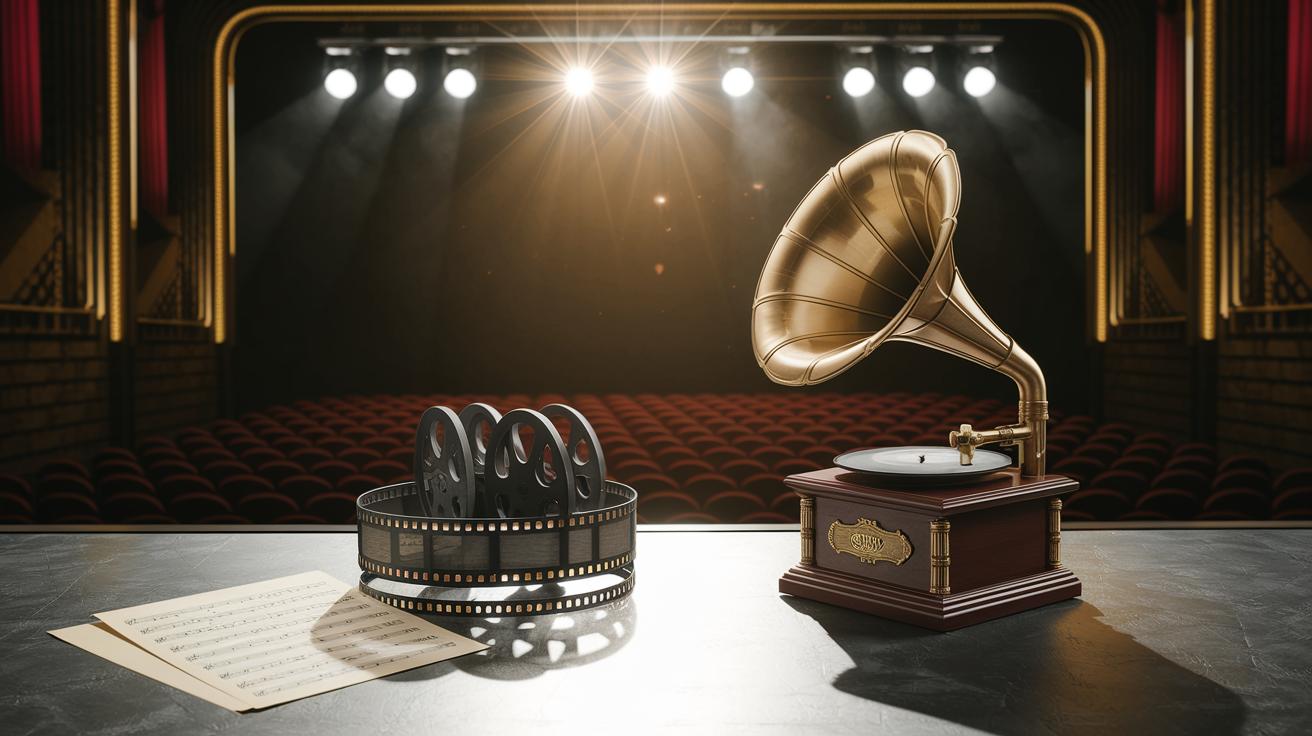
Retro reels soundtracks grew from the energy of their time. In the golden days of Hollywood, film scores brought post-war hope to life with big, sweeping arrangements that matched a nation on the mend. Advances in high-quality recording let composers play with richer sounds and more complex textures, while the political and economic moods of the mid-20th century shaped music that felt both joyful and reflective. These scores soon became a cherished part of public memory.
Today, modern listeners see these soundtracks as cultural links between then and now. In the 1980s and 1990s, TV shows for kids brought a fresh twist with synth-based themes, stirring up a renewed sense of nostalgia. Reissues and carefully chosen compilations invite new audiences to explore this mix of historical feeling and inventive music-making. This timeless music continues to unite generations with familiar yet ever-changing tunes.
Final Words
In the action, we broke down how retro reels’ music shapes film mood and story. We covered everything from key instruments and live orchestration to analog recording techniques that give vintage scores their charm.
Our post dissected the building blocks of these soundtracks, explaining melodic motifs and production nuances. This retro reels soundtrack and score analysis offers a clear look at how classic musical elements continue to move audiences today, keeping the magic alive. Enjoy the timeless sound and let it inspire your next movie night.
FAQ
What is the difference between original score and original soundtrack?
The difference is that the original score refers to the instrumental music composed specifically for the film, while the original soundtrack includes both that score and any additional songs featured in the movie.
What is the #1 soundtrack of all time?
The notion of the #1 soundtrack is subjective and varies by taste; many highlight iconic albums like those from Star Wars or The Godfather, though no single soundtrack universally tops all lists.
Does the soundtrack include the score?
This refers to the fact that sometimes the released soundtrack may include the original score along with songs from the film, while other times the score and songs are released separately depending on the album design.
What is the most iconic film score of all time?
The most iconic film score is often seen as John Williams’ Star Wars theme, celebrated for its memorable melodies and lasting impact on audiences and film music history.