
Ever wonder if a film can truly tell its story without the special touch of the camera? Cinematography is not just about pretty images. It creates the mood, builds tension, and guides your emotions. Every angle and every play of light and shadow shapes the tale just as much as any spoken word. This guide shows how smart framing pulls you right into the scene, making characters feel real. Visuals work to tell the story, stirring feelings that stay with you long after the movie ends.
Cinematography’s Impact on Film Storytelling
Cinematography is all about telling a story with visuals. Every shot is picked for a reason. The way the camera moves, the angle you see, and how scenes are put together help create the mood and guide your feelings. For example, a low-angle shot can make a character look strong, while a high-angle shot might make them seem vulnerable. Lighting and camera work join forces with music and dialogue to give you a rich, sensory feel of the film.
By focusing your attention on key parts of the scene, smart camera work makes sure nothing important is missed. Thoughtful backgrounds and well-planned shots pull you into the film’s world. Look at the climax of Oppenheimer, where a tilted camera and stark contrast build up emotions and reveal a character's inner thoughts. This shows how framing and movement can mirror shifts in a character’s mood and drive their journey.
Every camera choice adds to the story. From quick close-ups that capture tiny expressions to wide shots that set the scene, each moment matters. Cinematography goes beyond just technical skills. It lifts the story, guides your focus, and stirs feelings that stay with you long after the film is over.
Shot Composition in Cinematography for Narrative Clarity
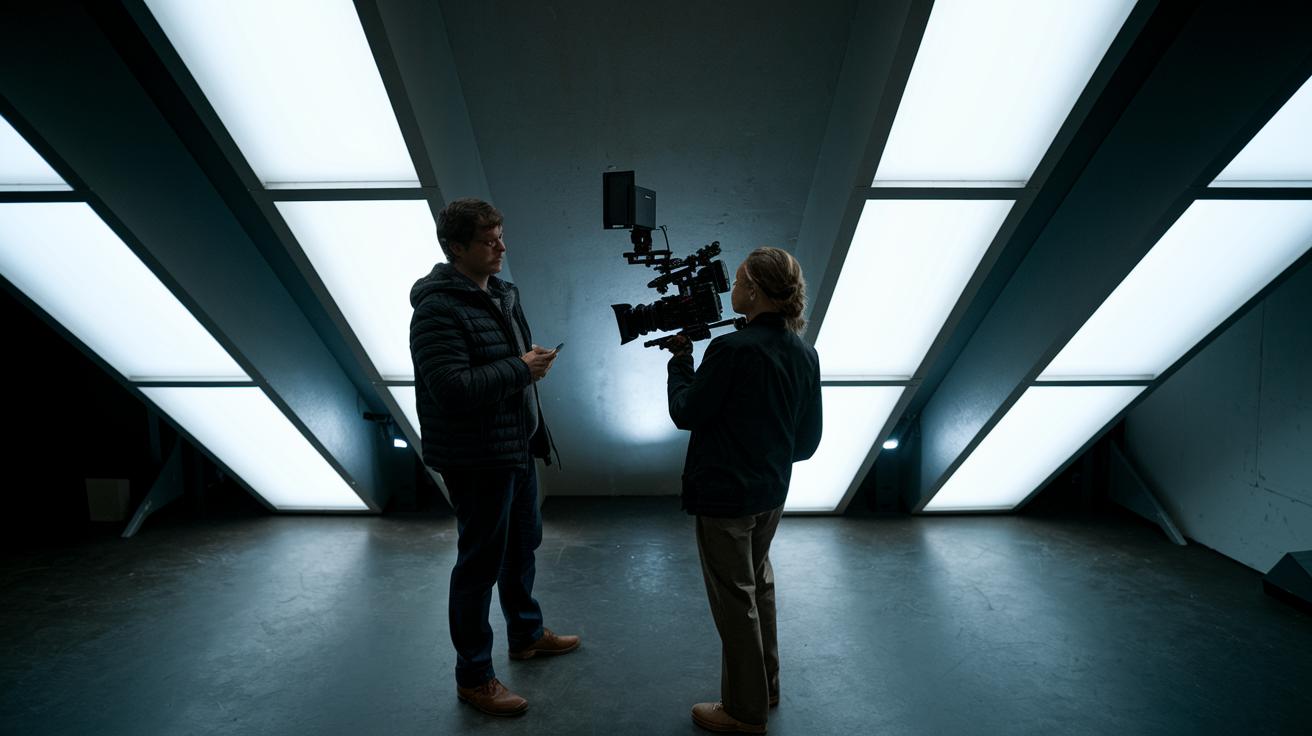
Cinematography uses how the shot is set up to build a film’s emotional map. Directors rely on the rule of thirds to divide the frame into balanced sections, which helps guide your eyes smoothly. For instance, in a dramatic confession, placing a character off center can create a quiet tension that says more than words. Leading lines naturally draw your gaze to the main focus, while symmetry and careful framing either bring subjects together or set them apart, reflecting their relationships. A view from above may signal vulnerability, while a shot from below can boost a character's power without any dialogue.
The way a scene is framed sets the mood for interactions, letting visual hints carry heavy emotional meaning. Different scales matter too: wide shots capture large settings, medium shots show relationships between characters, and close-ups reveal deep, raw feelings. These methods work together to keep the story clear and help viewers notice shifts in the narrative at a glance. By mixing techniques like shots from a character's view and low-angle perspectives, filmmakers can hint at tension and closeness. Every frame is thoughtfully crafted to support the story and pull you deeper into the film.
Lighting and Color in Cinematic Storytelling
Lighting sets the mood and shapes how we feel about what's happening on screen. Bright, even lighting makes scenes feel safe and open, while darker lighting adds mystery and tension by creating deep shadows. Changing the color temperature or using gels quickly shifts a scene's tone. Warmer colors give off a cozy, hopeful vibe, whereas cooler colors can signal isolation or unease. A strong silhouette can hint at a character’s hidden motives without saying a word.
Directors often mix natural light with set lighting to make scenes feel real yet carry an emotional punch. In movies like Oppenheimer, sharp light contrasts highlight key moments and draw our eyes to important details. These choices work closely with camera movements to keep every shot meaningful. A change in lighting or color scheme can prepare us for a big twist or shift in the story.
By carefully playing with light and shadow, filmmakers create a scene's inner world. A small change in lighting can redefine relationships between characters and pull us deeper into the story. Even a slight shift in color might mark a secret revealed or a turning point in the film, capturing raw emotions.
| Lighting Style | Narrative Function | Example Film |
|---|---|---|
| High-Key | Openness, safety | Mary Poppins |
| Low-Key | Tension, mystery | The Godfather |
| Color Gels | Emotional accent | Oppenheimer |
Every lighting decision deepens the visual story, using color and light as gentle guides through the film's emotional journey.
Camera Movement Techniques That Enhance Narrative Flow
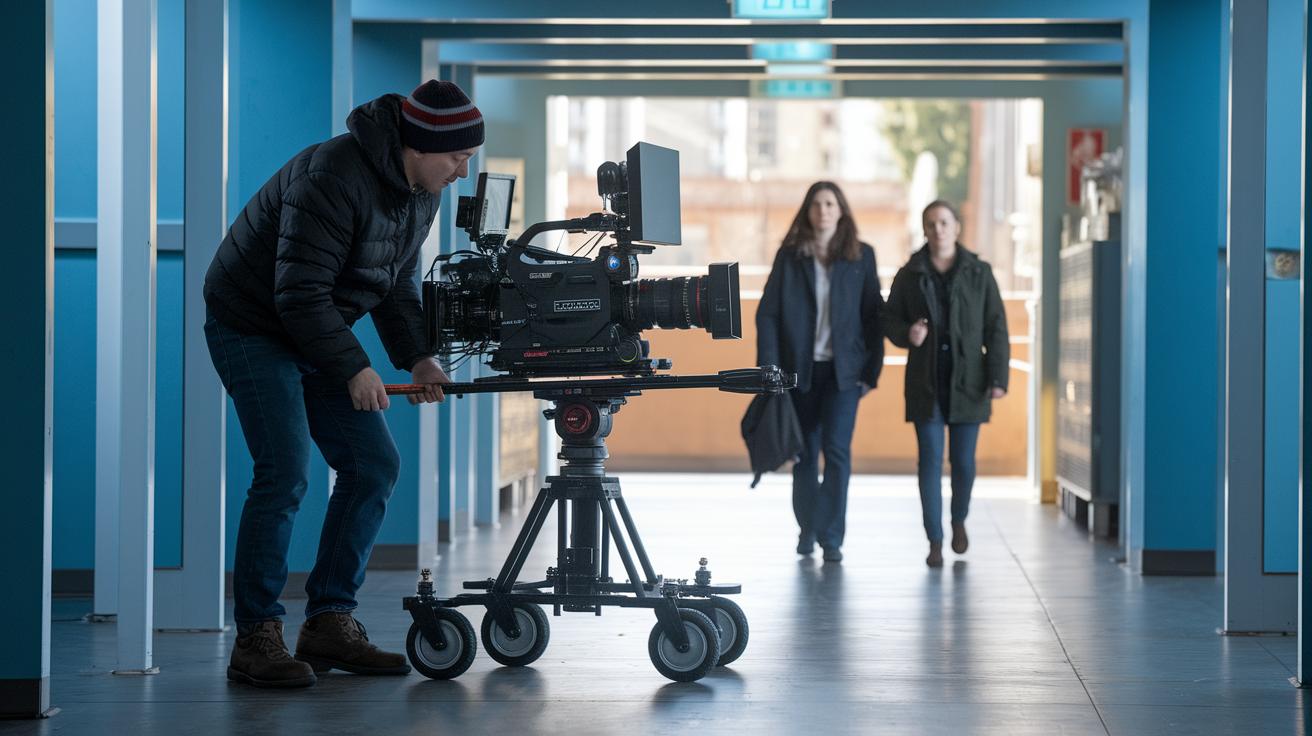
Camera movements are powerful tools that pull you into a film's emotional world. For example, a smooth dolly move pushes the shot forward, drawing you closer to a character. In a nail-biting chase scene, this technique can make you feel like you're running side by side with the hero.
Steadicam shots offer gentle, natural shifts that feel honest and immersive. Imagine tracking a character through a busy hallway with a steady, flowing camera that makes you feel every moment. In contrast, a handheld camera brings urgency and a raw, personal touch. A jittery shot during a heated argument can mirror a character's inner turmoil and make the scene feel immediate.
Crane and drone shots give you wide views that set the stage with clarity and grandeur. A high-flying drone shot over a city, for instance, unveils the setting of the story in one sweeping view. Rack focus shifts smartly guide your eye from one detail to another, isolating a character's reaction in the front while hinting at events unfolding in the background. These varied camera moves work together to build pace and deepen your connection to the unfolding drama.
Lens Choices, Focus, and Exposure in Crafting Visual Story
Picking the right lens can change how a scene feels. Wide-angle lenses widen the view, making scenes look grand, even a packed room seems larger than life. Telephoto lenses zoom in on the subject, drawing you right into the character's world.
Managing depth of field is a key storytelling tool. A shallow depth of field blurs the background so you focus on one important emotion, almost as if the film is whispering, "This matters most." On the other hand, deep focus keeps both the subject and background clear, linking small details to tell the whole story.
Exposure sets the mood in a scene. Too much light can create a dreamy look by softening details, while too little light builds tension with dark, mysterious shadows. Think of a scene lit so softly that it leaves a lot to your imagination.
Bokeh, the effect that softens the background into a blur, adds a touch of visual poetry to a shot. By playing with focus, filmmakers can make certain details or feelings stand out, allowing the camera to speak quietly about what words cannot.
Editing, Pacing, and Scene Transitions as Cinematography Tools
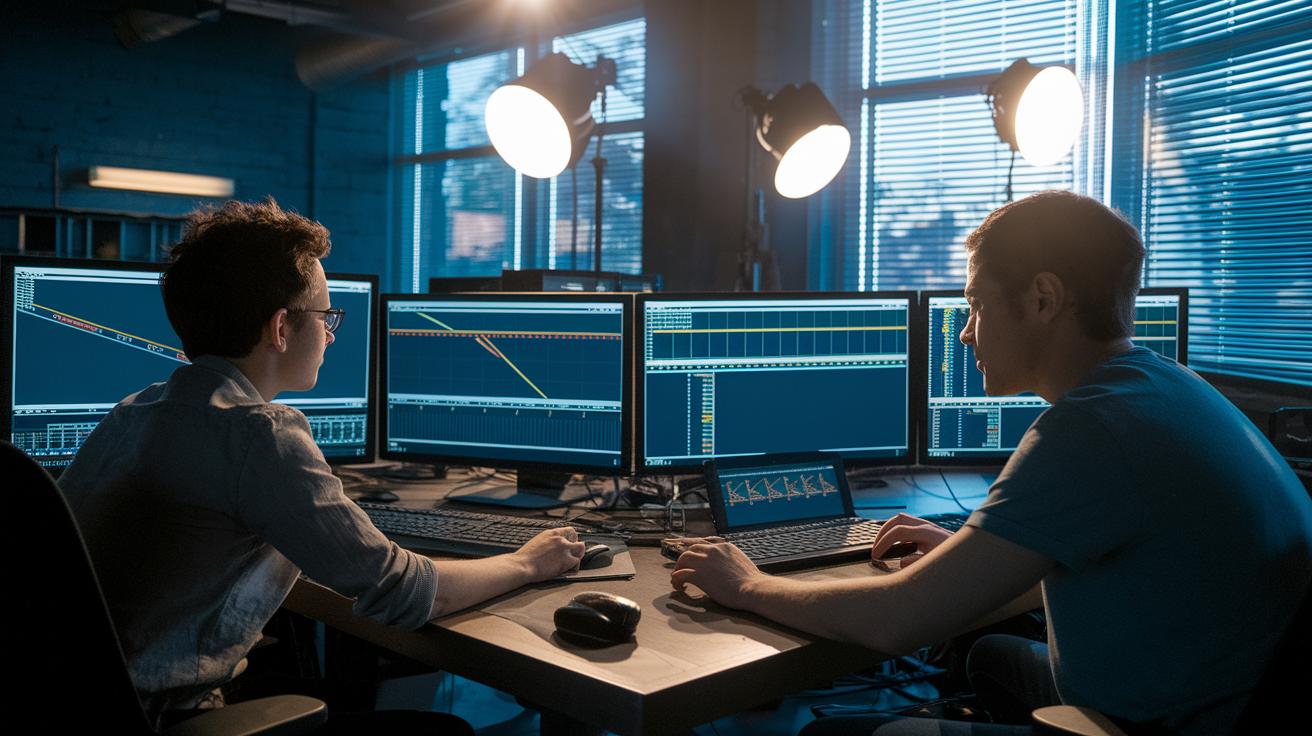
Skilled editing connects each shot to create a steady rhythm. Techniques like match cuts, jump cuts, and cross-cuts help scenes merge smoothly so that the story never feels disjointed. For example, a match cut might tie a thoughtful glance to a similar look later, subtly building a shared emotion without needing words.
The length of each shot also shapes the mood. Quick cuts add urgency during fast-paced sequences like chases, while longer takes let calm or suspense build up before a key moment. This blend of shot lengths guides the film’s pace, giving viewers time to immerse themselves in each scene.
Non-linear storytelling adds a creative twist by using flashbacks and foreshadowing. A jump cut in a flashback can merge past and present, layering the story with hints of hidden truths. Similarly, sequence cutting shows images side by side, sparking symbolic links that deepen the narrative. Imagine a series of cuts that reveal a character’s rise and fall, with each moment adding to the overall picture.
Every transition, whether abrupt or smooth, keeps the narrative flowing. The thoughtful choreography behind each cut makes sure the film’s rhythm stays true to its emotional beats, smoothly guiding the viewer from one scene to the next and creating a truly engaging experience.
Case Studies and Future Trends in Cinematography-Based Storytelling
In Oppenheimer, the filmmakers use strong contrast and a tilted camera in the final scenes. This simple move hints at a character’s inner struggle without even a single word. It shows that smart camera tricks can tell a story on their own, letting viewers pick up powerful clues in one shot.
Back in the silent era, directors learned to use framing and smooth camera moves to tell their stories without dialogue. Their work set the stage for later film styles. In the 1960s, as Technicolor and wide screens emerged, movies burst with richer colors and broader, more exciting visuals.
Digital tools have taken film visuals to a new level. Virtual production and LED volume stages are becoming everyday tools in studios, and by 2025 they should be common everywhere. These techniques save time and create backdrops that mix real and digital effects in a neat way. They let directors play with light, shadow, and texture to boost the mood of a scene.
Drone cameras are another big change in how movies are made. Drones capture wide, detailed views that make you feel like you’re right in the middle of vast landscapes, adding extra depth to the storytelling. This method offers a smooth, fluid movement that older cameras just couldn’t achieve.
Looking ahead, filmmakers plan to use infrared imaging to change the way horror stories are told. This new tool exposes hidden details and eerie textures, making dark scenes even more unsettling. It pushes audiences to focus on tiny elements they might normally miss. Overall, these examples show that cinematography is always growing, blending classic methods with exciting new tech to open up fresh ways to tell stories.
Final Words
In the action, we’ve seen how camera angles, lighting, and movement all work together to shape a film’s narrative. Each technique builds mood and guides your eyes to important details. This article has shown that solid shot composition, clever editing, and thoughtful technical choices make a film more engaging.
The role of cinematography in storytelling: a cinema guide is clear, it's all about crafting visuals that speak volumes. Enjoy your next film with a fresh look at these creative tools!
FAQ
What film techniques should students learn?
Film techniques for students include shot composition, lighting, camera movements, and editing methods, which help create clear visual narratives and support effective storytelling.
What are good examples of cinematic storytelling?
Cinematic storytelling examples show how camera work, lighting, and editing guide emotions and highlight key plot details, giving each scene a strong visual impact.
How can I access cinematography guides or PDFs?
Cinematography guides and basics PDFs offer structured overviews on shot composition, lighting, and movement, which are valuable resources for learning cinematic storytelling techniques.
What role does cinematography play in storytelling?
The role of cinematography in storytelling is to direct focus, set the mood with lighting and angles, and visually enhance character journeys to make the narrative more engaging.
What are the core C’s of cinematography?
The core C’s of cinematography generally include Camera angles, Composition, Continuity, Cutting, and Close-ups, which are guidelines that help create balanced and engaging visual narratives.
Can you provide film technique examples and their effects?
Film technique examples include high-key lighting for open scenes, dolly moves to immerse the viewer, and rack focus shifts that guide attention, collectively heightening the viewer’s emotional experience.
Is there a book on cinematic storytelling?
A cinematic storytelling book typically covers how visual elements such as camera work, lighting, and editing contribute to building narratives, making it a useful resource for both filmmakers and movie lovers.
What are some cinematography examples in movies?
Cinematography examples in movies often feature techniques like silhouette contrasts, dynamic camera movements, and varied shot scales, all of which work together to enhance character development and plot clarity.