
Ever wonder how films pull you into another world with just sound? Sound design turns everyday noises like footsteps and soft breaths into key storytelling moments. It blends real sounds with music to set the mood and guide your feelings. In this post, you'll learn how different sound techniques mix together to create audio that makes every scene feel truly alive.
Core Principles of Film Sound Design for Immersive Audio
Sound design is all about shaping the sounds in a movie so you feel like you're really inside its world. There are two main types of sounds. Diegetic sounds live inside the film, think footsteps or a creaking door, while non-diegetic sounds, like a gentle musical cue or a narration, add emotion without being part of the scene.
Take a moment to picture a scene where a character’s silence is complemented by a soft swell of strings that ramps up the tension. This is a great example of how non-diegetic sounds work to enhance what you see.
Foley recordings, which carefully recreate everyday noises that might not be picked up clearly on set, add a layer of realism. Meanwhile, synthesized effects and ambient layers fill in the gaps, creating a rich texture that draws you deeper into the story. Every little sound, from a subtle background hum to a striking electronic burst, helps build the mood and underline important moments.
At its heart, film sound design is about smart storytelling through sound. Designers pick natural sounds to guide your eyes and ears, while well-placed non-diegetic cues stir your emotions and heighten suspense.
In short, blending creative vision with technical care, sound design turns even small noises into powerful storytellers, letting every sound, and every silence, speak volumes.
Film Sound Design Workflow: From Planning to Final Mix
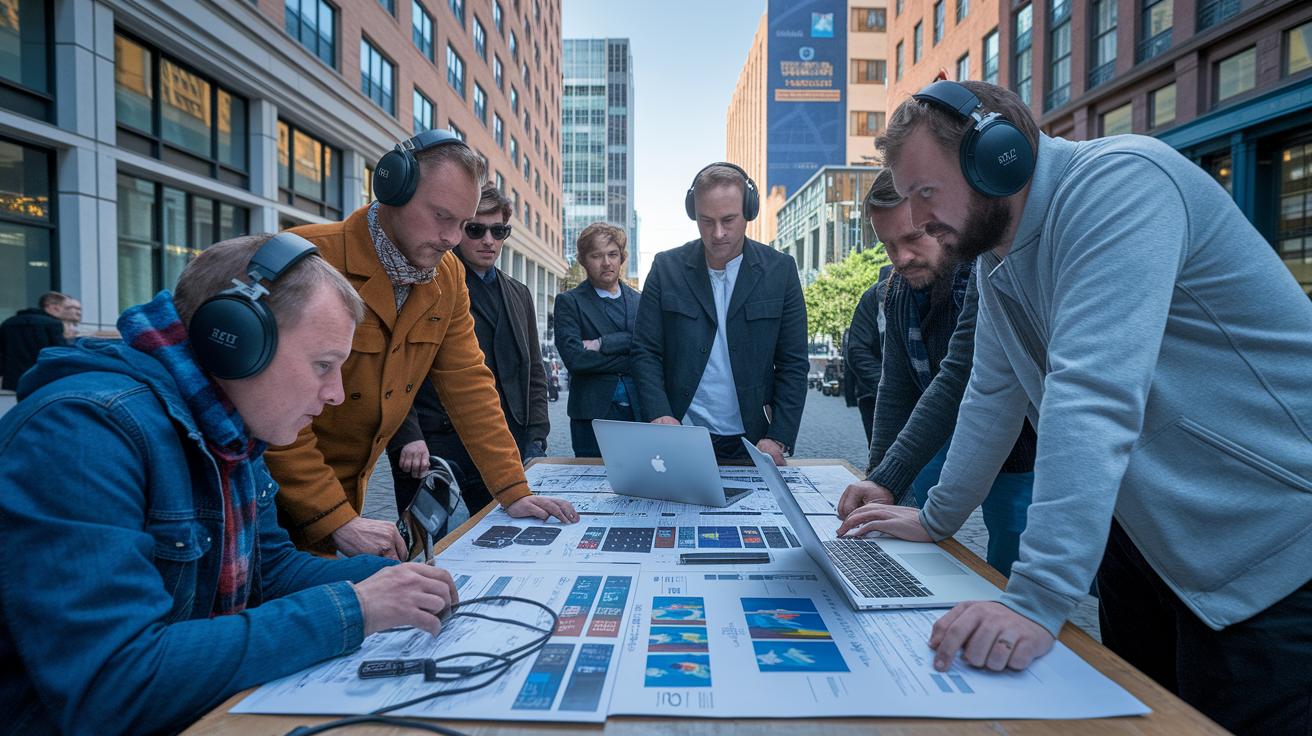
Pre-production builds the plan for sound. Teams use storyboards and sound maps to mark important audio moments. This stage shows which sounds should push the story forward. Directors, sound designers, and editors work together early to pick the key sounds and plan when tracks should sync.
During production, recording real-life ambience is essential. Quality microphones capture sounds on location, from the buzz of a busy street to the soft rustle of leaves. These recordings create a natural feel that is later polished in post-production. Capturing clear audio on set means less heavy editing later, so dialogue and background layers stay sharp.
In editing, digital audio workstations like Pro Tools clean up dialogue, while Logic Pro adds musical layers. Editors arrange sound and music parts so they flow smoothly. They use techniques such as ADR (a method for re-recording dialogue) to match audio with visuals, ensuring every sound hits the mark.
After arranging the tracks, mixing blends everything together. Sound engineers balance audio levels, organize multiple tracks with surround sound, and fine-tune dynamics. Finally, mastering sets the perfect loudness and range for both theaters and home playback, wrapping up a smooth workflow.
Creative Foley and Ambient Techniques for Film Sound Design
Foley art reworks everyday sounds like the rustle of clothing, footsteps on gravel, or the clink of glass to make scenes feel real. Picture a rainy night where every step on wet pavement has its own crisp, clear noise. This shows how Foley connects what you see with authentic sounds.
Ambient texture mapping blends soft room tones with natural sounds like wind or rain. This technique fills gaps when on-set recordings fall short and sets the mood of a scene. Specialized microphones capture these layers smoothly, ensuring that every sound feels just right.
Recording live sound effects adds another layer of authenticity. Capturing spontaneous noises on set gives an energy that planned Foley sometimes misses. Designers also use field recordings (captured with shotgun or binaural microphones, which pick up realistic sound directions) to build a genuine backdrop that drives the film's flow.
By mixing these methods, sound designers create rich, immersive soundscapes that spark emotion and deepen the story. When Foley art and ambient layers work together, every sound detail becomes a powerful storyteller, making the film experience even more engaging.
Advanced Mixing and High-Fidelity Optimization in Film Sound Design
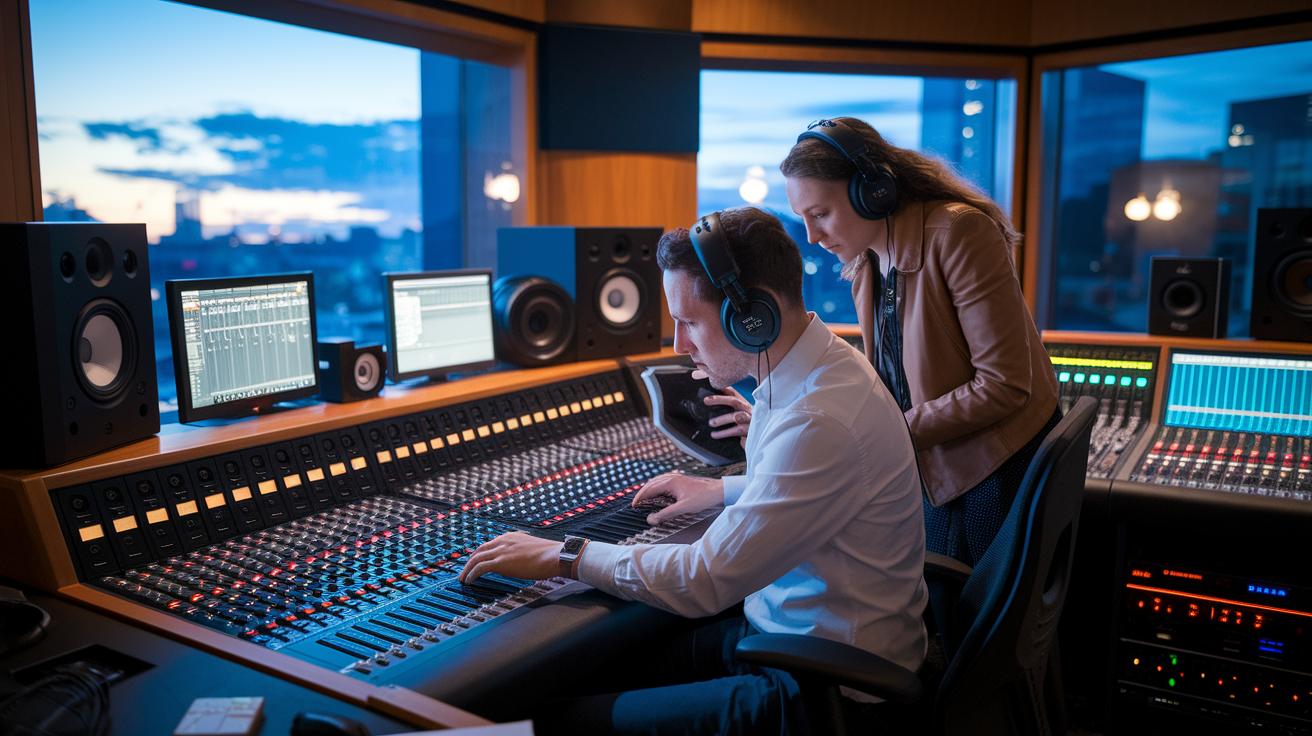
Mix engineers carefully balance dialogue, music, and sound effects so each element sounds clear and strong. They use tools like dynamic compression (which evens out loud and soft parts), EQ (a way to adjust the tone of sounds), and reverb (an effect that gives a sense of space) to make every sound work well. They also remove unwanted background noise, keeping the focus on the main audio. By syncing dialogue tracks with the visuals, they ensure you catch every word exactly when you need to hear it.
Digital tools today let engineers fine-tune every detail. Programs like Ableton Live, along with special plugins, help adjust sound levels quickly while smoothing transitions between audio cues. They work hard to keep the mix at a steady loudness (around -23 LUFS for streaming), so the sound is consistent whether you’re in a theater or at home. Every tweak helps build a seamless soundscape that supports the film’s visual story.
Spatial Audio and Surround Techniques in Film Sound Design
Advanced audio systems like Dolby Atmos and DTS:X position sounds all around you in three dimensions. This setup makes the film sound come to life by ensuring that dialogue, sound effects, and music blend together naturally. On set, multichannel microphone arrays capture ambient sounds from the exact place they happen so each noise feels in the right spot.
Modern recording methods such as ambisonic and binaural capture mimic real-world sound patterns for virtual reality, 360° videos, and home theater systems. Imagine watching a scene where sounds seem to swirl around you; this effect is created when sound elements and elevation layers work together to add overhead audio and movement.
Sound engineers often experiment by mapping noises to specific parts of a room. For instance, in a car chase, you might hear sounds shift steadily from left to right, boosting the thrill of the moment. With surround spatial rendering, every detail contributes to a rich, real feel that draws you deeper into the film's world.
Narrative Sonic Innovation: Film Sound Design Case Studies
Listening to standout movies shows how smart sound design pushes the story to new limits with well-placed audio cues. In A Quiet Place (2018), even a gentle creak or a soft rustle builds a world where silence is everything, drawing us into the deaf protagonist’s experience.
Take Inception (2010) as another example. The famous BRAAAM brass blast does more than fill the scene, it raises tension in complex dream sequences and gives viewers an emotional jolt.
Star Wars (1977–present) changed the game with iconic sounds like lightsaber hums and unique alien voices, all crafted with custom techniques that add depth to key moments and guide you through the adventure.
Gravity (2013) uses simulated spacecraft vibrations and quiet external sounds to show what isolation in space feels like, making the emptiness almost tangible. Meanwhile, in The Lord of the Rings trilogy (2001–2003), broad ambient sounds and detailed creature noises blend together to create a Middle-earth that feels huge and lively.
These examples show that placing sound cues carefully can boost the story and fully engage viewers with innovative sound design.
Practical Guidelines for Post-Production Orchestration in Film Sound Design
Teams kick off post-production by sitting down with directors and picture editors to match sound with the film’s visuals. They plan out key moments so every audio cue fits the scene perfectly. Sometimes, AI tools (computer programs that review scripts) help predict sound cues and budget for what the project needs. For instance, if a quiet scene suddenly gains background noise during dialogue, an AI review might suggest adding a specific sound effect to boost that moment.
It's important to keep track of all audio files. Sound designers set up clear folders for dialogue, Foley (custom sound effects recorded in a studio), sound effects, and music. This organization makes it easy to line up every sound exactly where it belongs. Mixing both free-to-use sounds and custom libraries also speeds up the process when quick changes are needed.
During playback tests, engineers use control surfaces (mixing tools that let you adjust audio live) to tweak sound levels in real time. Techniques like ADR synchronization (where actors re-record dialogue in the studio to perfectly match the scene) and careful acoustic editing help smooth out transitions and ensure the dialogue fits naturally.
Key steps include:
- Working closely with directors and editors to align audio with visuals
- Using AI tools to plan sound cues ahead of time
- Organizing track folders with clear labels
- Adjusting sound levels live for just the right precision
Following these guidelines makes post-production smoother and results in a sound design that feels both immersive and expertly crafted.
Final Words
In the action, the article explored how film sound design blends diegetic and non-diegetic sounds to bring stories to life.
We broke down planning stages, creative Foley techniques, and advanced mixing methods that balance dialogue, effects, and music.
Case studies and spatial audio tips showed how every detail contributes to a richer viewing experience.
These insights keep your viewing decisions quick and informed.
All this enhances your understanding film sound design: creating immersive audio experiences, making every film session more engaging and rewarding.
FAQ
What does film sound design mean and how does it create immersive audio experiences?
The film sound design means the art of crafting and mixing sound elements like dialogue, effects, and music to boost storytelling, making the viewer feel truly part of the film’s world.
How can I access a free essay on understanding film sound design and immersive audio experiences?
The free essay on film sound design explains core audio techniques and immersive strategies through clear examples and analysis, serving as an accessible resource for students and film enthusiasts.
What are some examples of effective sound design in films?
The sound design in films like Gravity and Star Wars uses ambient layers, Foley effects, and custom synthesis, which are tailored to build mood, reinforce narrative, and deepen audience engagement.
How do sound effects enhance a film’s impact?
The sound effects enhance a film by adding realism and emotional depth; they support story cues with both natural and created sounds that intensify the viewing experience.
Which basic categories define film sound?
The basic categories of film sound include diegetic sounds from the film’s world, non-diegetic cues like background scores, Foley recordings that mimic daily sounds, and synthesized effects for creative impact.
What is the importance of sound in film according to guides and downloadable PDFs?
The importance of sound in film is shown through its ability to shape the audience’s perception, set the mood, and reinforce narrative elements, making it a critical part of effective storytelling.