
Watch , 8.0/10
A quick look shows that the old style still has its own warm personality.
• Story: Blends nostalgia with modern precision
• Direction: Hands-on editing versus digital clarity
• Acting: N/A
• Technical Craft: Grainy texture vs. sharp capture
Can vintage film capture hearts better than today’s clean, digital look? Old cameras add a natural grain and a personal touch through hands-on editing. In contrast, digital systems deliver clear, precise images that many appreciate for their detail and ease. This post looks at how classic film techniques mix with modern tech to shape both storytelling and production. Read on as we compare these two approaches and see what unique charm each brings to the screen.
Retro Reels vs Modern Cinema: Key Differences and Trends
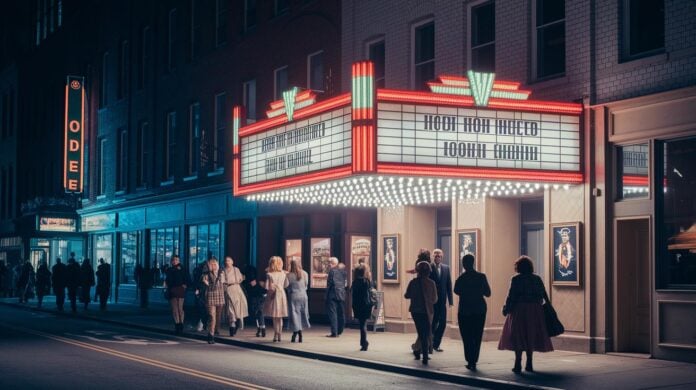
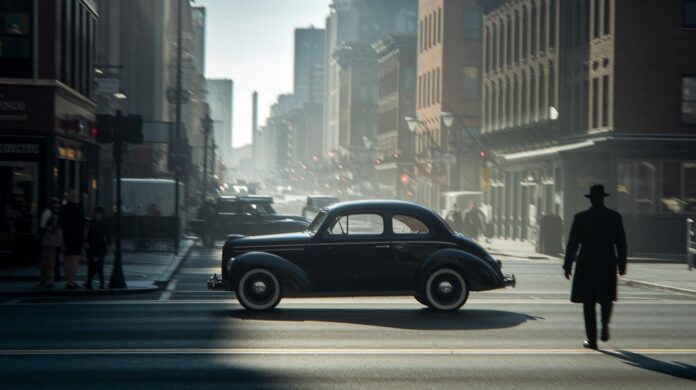
Film reels once gave movies a special warmth and texture. Every frame had a natural grain and unique contrast that today’s digital capture rarely matches. Movies like Bad Times at the El Royale remind us of that analog charm, while digital projection offers clear, consistent visuals that meet modern tastes. Many films now mix both approaches, sparking lively talks about the look of old vs new.
Working with film meant using manual focus, physical slates, and hands-on editing with flatbed tables. Directors such as Quentin Tarantino and Christopher Nolan still choose 35mm for its rich grain and deep colors. Movies like BlacKkKlansman blend 16mm, 35mm, and even Ektachrome (a special film stock) to create a period feel before switching to digital techniques. This mix raises the film’s story and production value.
The viewing experience has also changed over time. Traditional screenings in theaters with 35mm projectors added to the event’s charm. Today, digital projection and streaming provide sharp images and interactive features at home. These shifts give viewers both nostalgic vibes and modern storytelling, showing that old techniques can still inspire today’s filmmakers.
Origins of Retro Reels: 16mm, 8mm, and Super8 Milestones

Retro film reels got their start when Kodak introduced 16mm film in 1923. It cost about $400 back then (roughly $5,000 today), making filmmaking affordable for more people. Early directors captured moments with a hands-on feel that still feels warm and personal, like receiving a handwritten note.
In 1932, 8mm film hit the scene during the Great Depression. Its lower price meant families could start making home movies. Then in 1965, Super8 arrived with a smart cartridge system that did away with the need for manual threading. This change not only made filming easier but also gave a bigger picture area.
- 16mm film (1923): Kodak’s new film made filmmaking accessible for many.
- 8mm film (1932): A budget choice that sparked a boom in home movies.
- Super8 (1965): Offered a larger image and easier use with its cartridge system.
These advances mark clear steps in film history. Retro reels have a unique charm with visible grain and texture that digital formats often lack. Each format, from classic 16mm to affordable 8mm to clever Super8, played a part in shaping how stories are told on film.
Technological Shift in Modern Cinema: Analog to Digital Transition
Modern theaters now use digital projection to save money and speed up movie releases. Instead of handling heavy film reels that require extra care and special skills, digital files load quickly and run smoothly. This change cuts costs and helps films reach audiences faster.
Digital systems have taken over, giving viewers a consistent, clear image every time a movie plays. Loading a digital file is much easier than working with physical reels, which means fewer interruptions during screenings. As a result, theaters worry less about damaging film prints, and production teams can focus on improving other parts of the movie.
Some movie lovers still miss the unique charm of analog film, with its natural grain and changing contrasts. On the flip side, digital projection offers a steady, crisp picture and even colors, perfect for large screens. This balance between a classic, textured look and modern, polished clarity is a hot topic among fans.
Thanks to faster and simpler digital methods, both filmmaking and movie-going have evolved. Filmmakers embrace digital cameras and editing tools to boost efficiency, while audiences enjoy a smooth, high-quality display in theaters and at home.
Visual Aesthetics from Retro Reels to Modern Cinema: Grain to Clarity
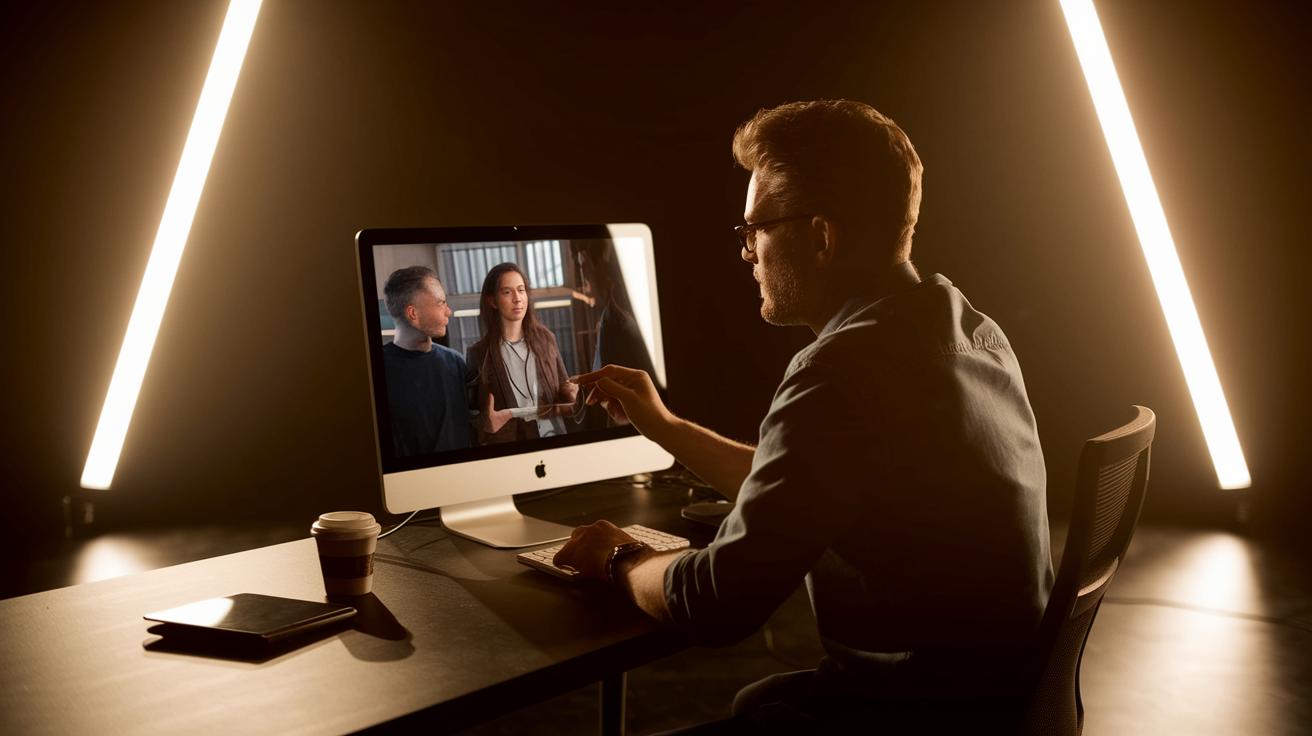
Modern films use new color tools that add vintage textures to digital movies. Directors change colors to mimic the soft glow of old classics while keeping images sharp. A filmmaker might adjust a scene until it shines like a 1970s movie, blending past warmth with today’s clear precision.
Movies like BlacKkKlansman show how these techniques give a film a period feel without losing clarity. Special software lets directors fine-tune each scene’s tone and contrast to create a unique look that honors classic film styles.
This method offers creatives a way to mix nostalgic textures with high-definition clarity. Imagine a movie that captures the charm of retro reels while staying crystal clear, uniting nostalgic appeal with modern quality.
Narrative Evolution: Classic Retro Reels versus Modern Cinema Plots
Retro films stuck to simple, straight paths with clear stories. They focused on one big conflict where a hero faced challenges and won without many twists. Every scene moved the story steadily toward its end.
Modern movies, on the other hand, play with the order of events and mix in several smaller stories. They invite viewers to join in and piece the puzzle together. For instance, Quentin Tarantino’s films often show different story threads that slowly join up, giving a fresh look at storytelling.
This shift marks a move from straightforward tales to more layered plots. Retro films deliver a smooth ride with clear beginnings, middles, and ends, while modern movies challenge you with shifting stories and richer character details.
Sound and Scoring: Analog Retro Reels and Digital Modern Cinema Audio

Older films used magnetic audio tracks to capture sound. This method gave recordings a warm feel but limited detail with mono or stereo mixes. As a result, background sounds sometimes felt softer and less layered. Back then, scores were played by live orchestras, which added a truly human touch.
Today, digital audio mastering lets filmmakers mix sound with great precision. Modern movies often use surround sound systems like Dolby Atmos or DTS:X to create an immersive experience. Directors mix sample-based music with careful theater calibration so every note and effect sounds balanced and clear. These new scoring techniques not only boost the technical side but also make the story hit harder.
In today's theaters, every subtle sound comes through with crisp clarity. While older recordings carry a nostalgic warmth, digital sound exposes details that were once hidden. With adaptive dynamic range and precise audio control, modern soundtracks offer a level of clarity and power that stands out. This shift in sound quality shows the unique charm of each era.
Production and Post-Production in Retro Reels and Modern Cinema
In the old days, filmmakers used real film cameras that needed manual focus and physical slates to keep scenes in order. They measured light with analog meters and worked with heavy, mechanical cameras. Editing was done by hand on flatbed tables, and every cut took time and care. This hands-on process gave each frame a unique, natural feel that many believe is the heart of classic film.
Today, digital cameras like ARRI Alexa, RED, and Sony Venice take over. They focus automatically and even collect extra data to help on set. With live previews, crews can check shots instantly. Editing is now done on computer workstations using software like Avid Media Composer and Adobe Premiere, so scenes can be moved around with ease. Post-production has also changed, with CGI, digital film restoration, and cloud-based storage letting teams work together even when they are apart.
| Equipment/Technique | Retro Reels Approach | Modern Cinema Approach |
|---|---|---|
| Shooting | Heavy film cameras with manual focus and physical slates | Digital cameras with autofocus, metadata, and live previews |
| Editing | Manual splicing on flatbed editing tables | Computer-based editing with Avid Media Composer and Adobe Premiere |
| Post-Production | Physical film prints and hands-on restoration | CGI, digital restoration, and cloud-based archiving |
The shift from analog to digital shows a change in how films are made and how creative ideas can flow. Old methods required patience and precision, while modern tech speeds up production and invites creative risks. Both styles have their own charm and remind us how technology keeps evolving the way stories are told.
Audience Engagement: Nostalgic Retro Reels Screenings to Modern Cinema Streaming
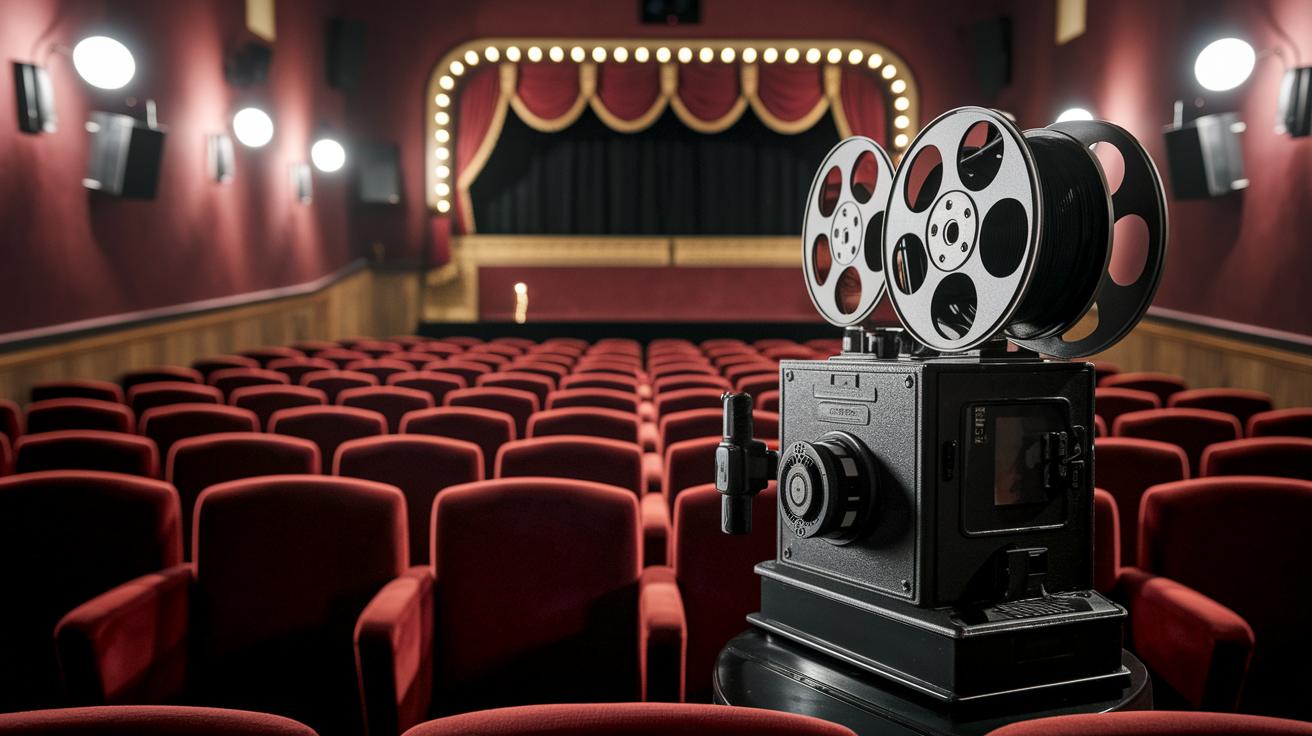
Old film screenings were real events held at festivals or revival theaters using 35mm prints. They brought people together in a warm, nostalgic setting that celebrated the art of film. Even now, a few theaters choose to show physical reels, offering an intimate experience that reminds us of cinema's early days.
Today, online streaming lets us watch movies on demand wherever we are. Services like Netflix, Amazon Prime, and Disney+ have completely changed how films reach us. This shift from local events to global streaming opens up movies to a much bigger audience. For a deeper look, see "How Streaming Is Reshaping Traditional Cinema Culture."
Digital tools have also changed how we interact with films. Special events that evoke the magic of old-school screenings pop up now and then, while social media and live Q&As let fans and creators talk directly. This mix of vintage style and modern tech builds a vibrant community that cherishes both classic and new ways of storytelling.
Final Words
In the action, we explored key shifts from vintage film reels to today's digital screens. We broke down visual styles, production methods, and storytelling nuances. Each section revealed a unique charm, whether it was the grain of retro film or the crisp clarity of digital capture. This post served as a quick guide for comparing retro reels with modern cinema. The blend of history and modern tech leaves us excited for what’s next in filmmaking. Enjoy the evolving magic of the movies and keep an eye out for those timeless gems.
FAQ
What is the difference between retro reels and modern cinema?
The difference between retro reels and modern cinema lies in production techniques, visual texture, storytelling style, and projection methods. Retro reels offer a nostalgic film grain and warm hues, while digital systems provide crisp clarity.
What is a Digital Cinema Package?
A Digital Cinema Package is a digital file set that theaters use to display movies. It ensures secure, high-quality playback and uniform presentation across screening venues.
Why do old movies look better and so colorful, and how does Technicolor play a role?
Old movies often look striking because film stocks like Technicolor produce rich, warm hues and natural grain. This gives them a visually distinct, nostalgic quality unavailable with modern digital techniques.
How do old movies compare to new movies?
Old movies have unique charm and a textured look from analog film techniques, offering a nostalgic experience. Modern films generally boast digital clarity, consistent resolution, and smoother visual effects.
Why do 60s movies look so good?
Movies from the 60s look impressive due to innovative film techniques and vivid Technicolor palettes. The organic texture of analog film adds a warm, nostalgic appeal that many viewers appreciate.
What is the 2.5 rule for movies?
The 2.5 rule in movies is a less common guideline referenced by some filmmakers to maintain a balance in shot pacing or composition, though it is not a widely standardized rule in film practice.
What are the 5 C’s of cinematography?
The 5 C’s of cinematography are Camera angles, Continuity, Cutting, Close-ups, and Composition. They serve as key principles to craft visually engaging and smoothly flowing storytelling.
What is the 20 30 rule in film?
The 20 30 rule in film refers to a guideline that some filmmakers use to vary shot lengths and screen time. This rule encourages rhythm and diversity in visual storytelling to keep audiences engaged.