

Ever wonder if the movie you choose is a true work of art or just a simple pick? Critics look at films in great detail, breaking down every bit of the story like you would study a painting. Reviews, on the other hand, give you a quick idea of whether a film is a good choice for tonight. In this post, we explain the differences between these two views to help you decide your next movie.
Core Definitions of Film Critique vs Film Review
Film critiques and film reviews aren’t the same thing, even though they both talk about movies. Critiques dig deep into a film’s art and cultural impact. They look at how the story is built, the director’s moves, the acting, and the camera work (the way scenes are filmed). Think of it like examining every brush stroke in a painting. Critics might even use numbers or stars to sum up their point.
On the other hand, film reviews are more about helping you decide on movie night. They give a quick, spoiler-free rundown of what to expect and point out clear strengths and weaknesses, like smooth direction or choppy pacing. A review might say, “This movie is a steady pick for a relaxed evening,” so you know if it’s worth your time.
In short, while critiques offer a detailed look at a film’s art, reviews are designed to guide your viewing choices with clear, simple insights.
Film Critique: In-Depth Analysis and Methodologies
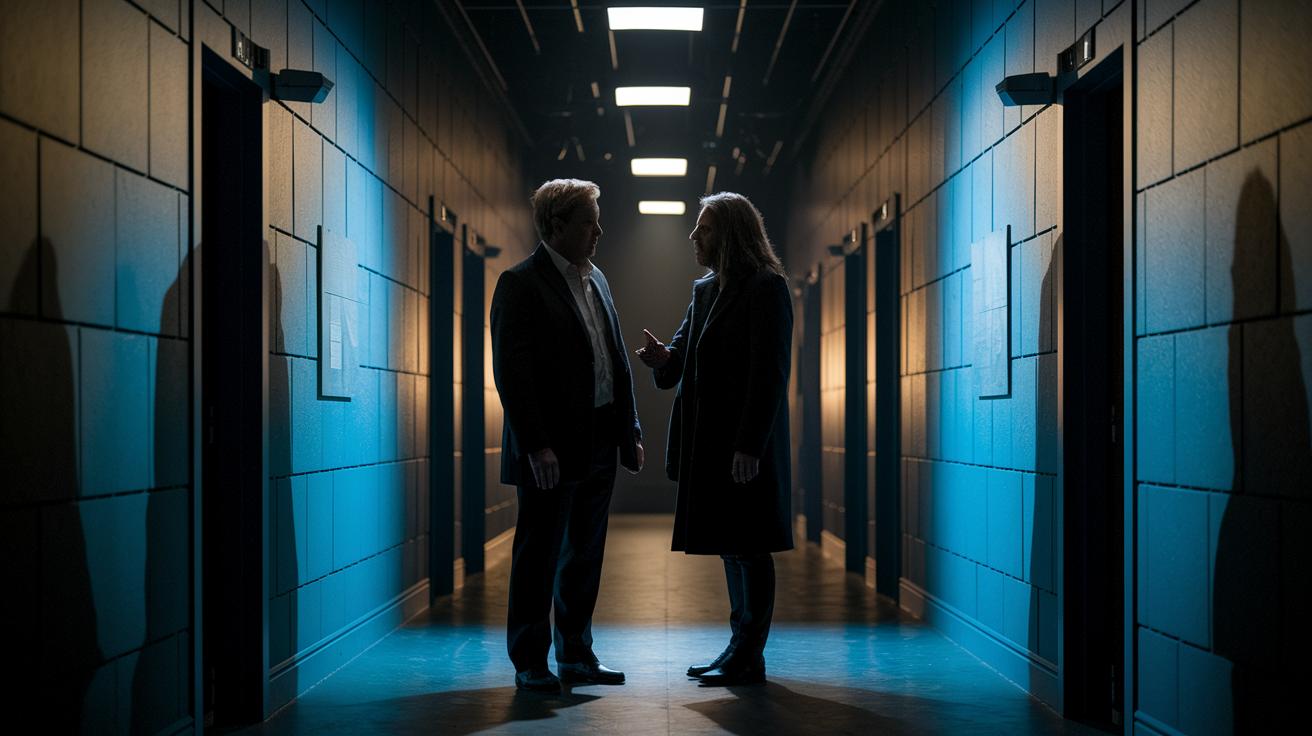
Film critics mix technical know-how with genuine insight when they break down movies. They start by looking at the story, direction, acting, and camera work. For example, they might note how lighting and camera moves build tension. One example: "Examine a tense, dark hallway scene. Shadows and quick cuts create a quiet conversation between fear and uncertainty."
Critics also use emotional smarts. They watch for small details like a soft smile or a lingering look that hint at deeper feelings. This blend of emotion and analysis helps them connect little moments to the film's bigger message.
They consider a film's history too. By linking modern movies to past trends and classic techniques, critics see how genres evolve and how directors make their mark.
Technical analysis plays a big part, too. Critics study how editing and sound design work together to shape the film's feel. Their close observation and background knowledge give a full picture of a movie's artistic merits.
Film Review: Purpose and Structure in Audience Guidance
Film reviews mix a short story summary with a look at what makes a film stand out. They start with a brief hint about the plot that gives you a taste of the movie without giving away the surprises. For example, a review might say, "The movie hints at a hidden twist while keeping its big secret safe."
After the teaser, the review digs into the film’s behind-the-scenes work. Critics point out details like the director’s choices, the actors’ performances, the editing tricks that keep things moving, and even the music that sets the mood. One reviewer might note how the editing shifts smoothly between different angles, building tension in every scene.
Next, the review shares thoughts on deeper themes and hidden messages in the film. It points out small clues in the dialogue and visuals that hint at bigger ideas. Adding personal thoughts, the reviewer might say, "I got pulled in by the story’s raw and heartfelt feel."
Finally, ratings like stars or scores give you a quick snapshot of the film’s appeal. Many sites offer clear verdicts that help you decide whether to watch, wait, or skip the movie based on a few key points.
film critique vs film review: Captivating Insights

We already covered the basics of film critique and film review. Here's a quick, clear summary of what makes them different.
| Aspect | Film Critique | Film Review |
|---|---|---|
| Purpose | Examines films as cultural works with deep analysis. | Provides a fast guide to help you decide what to watch. |
| Tone | Formal and analytical. | Friendly and easy to understand. |
| Depth | Dives into history, culture, and technical details. | Points out the film’s main strengths and weaknesses. |
| Structure | Breaks down narrative and techniques thoroughly. | Offers a short summary with clear, simple points. |
| Audience | Film buffs, scholars, and industry folks. | Everyday moviegoers and casual fans. |
| Outcome | Shapes discussions about films with detailed insights. | Helps you pick movies for your next watch. |
For example, one writer might say, "A critic highlights how soft lighting recalls a bygone era, while a review sums up the film’s appeal in a quick glance."
Practical Guidelines for Writing Film Critiques vs Film Reviews
When talking about movies, following clear guidelines makes your writing fair and useful. Whether you are writing a film critique or a review, blending facts with your own thoughts builds trust with your readers. A clear rating system also helps viewers understand your overall take at a quick glance.
Steps to Craft a Film Critique
• Start with a clear idea
Decide what the film is trying to say. Ask yourself, for example, what social message the movie conveys through its visuals.
• Look at the story flow and character changes
Notice how the plot unfolds and how characters grow. Think of it as watching a character evolve as steadily as the film’s pace.
• Check the director's vision and technical work
Review how the director, camera work, editing, and music come together. Consider how the editing sets the pace and builds moments of tension.
• Place the film in context
Connect the movie to its history or cultural background. See if it calls back to classic styles or trends in film.
• Back your thoughts with examples
Use clear examples or short quotes from the movie to support your ideas. This makes your critique easier to follow.
• Stay balanced and fair
Mix your honest opinions with facts. Keep your tone friendly and respectful.
Steps to Write a Film Review
• Grab attention with a strong start
Kick off with an opening that sparks interest, hinting at surprises without giving too much away.
• Offer a spoiler-free plot summary
Give a brief rundown of the story while keeping major twists hidden.
• Note the film’s highs and lows
Point out the best moments and any parts that didn’t work as well, like standout acting or choppy pacing.
• Give a simple look at technical details
Summarize how acting, visuals, and sound come together. Keep it straightforward and clear.
• Share how the film made you feel
Describe your personal reaction and mention who might enjoy the movie, whether it’s families, teens, or adults.
• Wrap up with a clear verdict
End with a simple rating or verdict that guides readers on what to expect.
Final Words
In the action, this article broke down the core differences between film critique and film review. It highlighted how critics offer in-depth analysis while reviews serve focused guidance for viewers. The post compared tone, depth, and audience to make the choices clear. Key components like practical guidelines and step-by-step processes were shared to empower your judgment. Embracing the insights behind film critique vs film review can enhance your viewing decisions and help you pick the right film fast. Enjoy your next movie night with confidence!
FAQ
How does film critique differ from film review on platforms like Reddit and in scholarly articles?
The film critique versus film review distinction means critiques offer deep, analytical commentary on artistic and cultural elements, as seen in scholarly work and Reddit discussions, while reviews provide quick, consumer-based guidance.
What is a film critic?
The film critic is a writer who evaluates movies in detail by examining narrative, technical elements, and cultural influence, aiming to enrich viewers’ understanding of cinematic art.
What is the difference between film criticism and film review, or between a critique and a review?
The difference lies in approach; film criticism (or critique) deeply analyzes elements like context and technique, while film reviews quickly summarize strengths and weaknesses to help viewers decide.
What is a film critique?
The film critique is an in-depth evaluation that dissects direction, acting, technical craft, and historical context, offering a detailed view for readers interested in a comprehensive analysis.
What is the main difference between a critic and a reviewer?
The main difference is that critics delve into artistic and cultural nuances with detailed analysis, whereas reviewers provide concise summaries and ratings to guide audience viewing choices.