

Ever notice how a rainy street can hint at secret troubles? Film narrative analysis digs beneath the obvious to show that every detail, like a glance, a spoken word, or the setting, sparks a chain of events. By breaking a movie into parts, this method reveals how images and dialogue team up to drive the story. In this article we will look at simple techniques that show how every element in a film builds a strong narrative. Get ready to watch movies in a whole new light.
Foundational Methods in Film Narrative Analysis
Film narrative analysis looks at every visual detail, inviting you to zone in on even the smallest element. It blends story content with filmmaking techniques like directing, cinematography, and screenwriting, all built around clear cause-and-effect events. For instance, a director who frequently shows a rain-soaked street might be hinting at inner turmoil or a deeper theme.
The basics of narrative analysis ask you to break a film into its parts. You start by noting visual cues, dialogue, and a character’s gestures to see how they push the story forward. Then, you assess how the screenplay connects events in a clear timeline. One useful method is called block construction, which splits a film into sections that mirror the classic three-act structure from old Greek plays.
Adding historical context and examining the sound can deepen your understanding even more. These techniques show why certain film choices resonate with audiences. For a closer look at blending narrative elements with technical craft in film review, check out this deep dive on reviewstrends.com?p=1198.
Plot Architecture Critique in Film Narrative Analysis
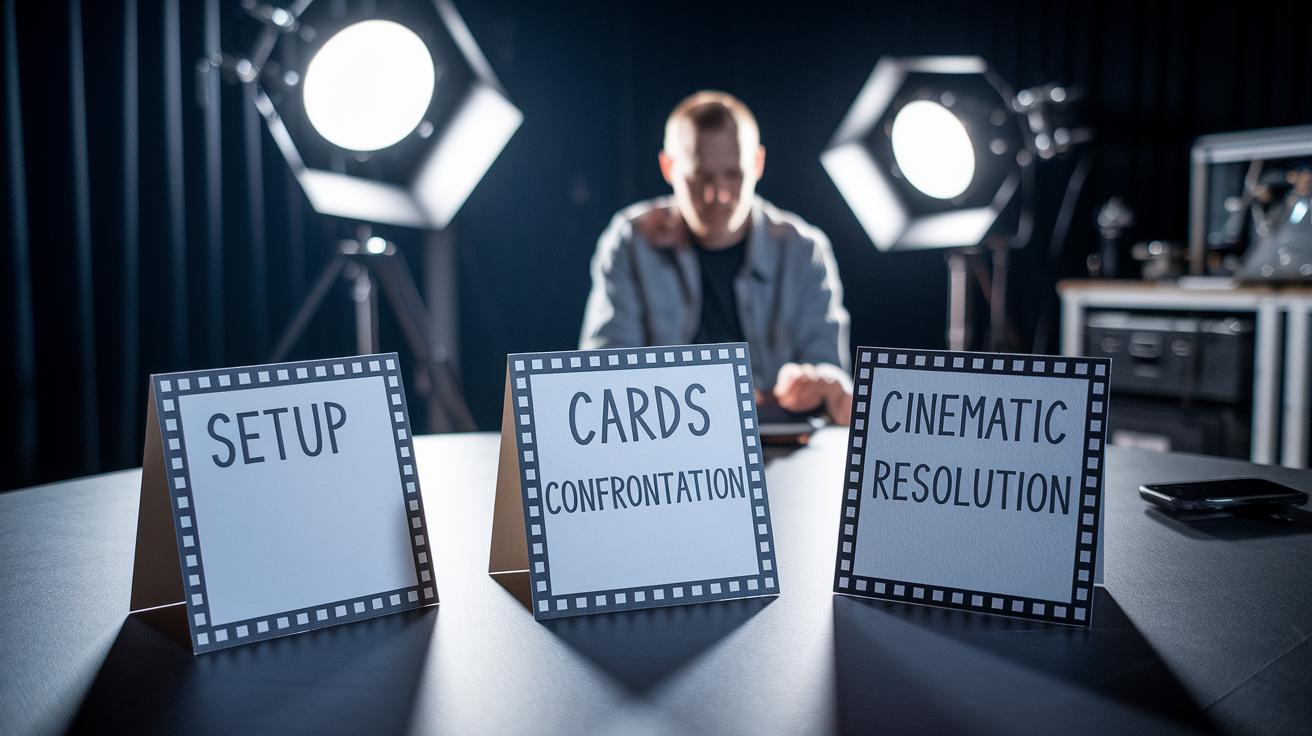
Every film relies on its structure to bind its story together. The classic three-act structure, setup, confrontation, and resolution, comes straight from Ancient Greek theater. Each act flows into the next, where every action sparks another. For example, imagine a hero whose peaceful life is thrown into chaos by a sudden event. This moment kick-starts a chain of events, building to an action-packed showdown before settling into a quiet, reflective end. This shows how films use clear cause and effect to weave a smooth narrative.
Understanding these story beats is key. A solid film makes every moment count, whether it’s a daring escape in Premium Rush (2012) or the jump-cut style in Kill Bill. Even when the story is told in a nontraditional order, cause-and-effect keeps viewers engaged. Movies like Pulp Fiction twist the usual structure to surprise the audience, all while keeping a logical flow underneath.
Breaking down a film’s structure means spotting where turning points happen and how each section fits together. This thoughtful arrangement takes viewers on a ride of highs and lows, building tension and delivering endings that feel earned. Such analysis uncovers the hidden building blocks that make films truly stand out.
Character Arc Interpretation within Film Narrative Analysis
Character arc interpretation looks at how the main character changes over time through a clear chain of causes and effects. Every choice, mistake, or discovery moves the character along a new path. This method helps us see the deeper meaning behind a character’s actions. Even a sudden act under pressure can flip emotions and change the entire journey.
Directors add gentle hints like a change in tone, a quick shift in a facial expression, or perfectly timed dialogue to show inner change. These small signals help us understand not just what happens, but why the character is transformed. For example, Christopher Nolan mixes a winding plot with personal growth, matching the character's internal battles with the film’s structure.
By spotting these moments, we can link personal growth to the broader themes of the story. Watching key scenes that show both a character’s flaws and strengths lets us trace the cause-effect chain throughout the film. This clear view of change shows how vital a character’s evolution is to driving the story forward.
Thematic and Symbolic Element Appraisal in Film Narrative Analysis

Film analysis is more than just looking at the plot. It digs into recurring symbols that add depth to your viewing. Directors often use colors, props, and small gestures to bring out themes and build feelings. For example, a mirror might hint at hidden truths while shadows can show a character’s inner conflict. Sound and visuals often work together to set a clear mood, signaling shifts or important hints without giving too much away. A red accessory might repeatedly warn of danger or show passion, and careful use of shadows can highlight a character’s loneliness. Watching these visual and sound clues helps you catch the deeper messages woven into the story. This approach makes watching movies more engaging and aids in uncovering the film’s true meaning.
Scene Sequencing and Temporal Structure Inspection for Film Narrative Analysis
Film analysis often starts with looking at how scenes are arranged and how time flows in the story. By laying out both straight and mixed up timelines, you can see how flashbacks (scenes that go back in time) or parallel editing (showing different events at the same time) add extra layers to the film. For example, a movie might use flashbacks to give more details about the main character's life or use parallel sequences to boost the tension.
One clear method to study this is by using block construction. This means dividing the film into parts based on its pace and rhythm. In movies like Pulp Fiction or Memento, the shifting speed and unexpected breaks in order force you to link cause and effect yourself. How the scenes are lined up can reveal the director’s aim in guiding how you see the story.
Looking at changes in scene pace also helps uncover how tension is built or eased. Noticing these shifts shows if the movie keeps a straight path or if its jumbled timeline makes you think harder about the plot. Using these techniques lets you chart the flow of time in a film and judge how the order of scenes boosts suspense and overall clarity.
Case Studies and Framework Applications in Film Narrative Analysis

Practical exercises bring film analysis to life. They offer simple ways to understand how stories are built on screen. For example, you can study movies like The Wolf of Wall Street and Nightmare Alley with tools that show how one event causes the next. These exercises help you mark key scenes, look at visual symbols, and break down the overall story. One exercise suggests using block construction methods from Columbia University Press’s 2023 book on classical storytelling to see how each scene builds up to the climax.
This clear method lets you compare films from different genres and directors by focusing on important moments. Shifts in tone or imagery can push the story forward. Recurring motifs and color palettes may highlight hidden themes and guide your view of the film’s flow. Each exercise builds your skills in evaluating story frameworks and deconstructing cinematic narratives.
For more guided critiques, check film verdict case studies at https://reviewstrends.com?p=1236. These step-by-step activities sharpen your ability to see abstract narrative techniques in a clear and accessible way.
Final Words
in the action, we broke down essential steps in film narrative analysis. We looked at narrative frameworks, plot design, character developments, symbolic imagery, and scene sequencing. Each section offered clear tools for mapping out film stories and understanding hidden details behind the screen. This guide shows how to cut through movie complexity using simple, practical methods. Enjoy applying these techniques to boost your film critiques and appreciate every element that makes a film remarkable. Happy viewing, and keep exploring every scene with fresh eyes.
FAQ
What is a narrative analysis in film?
A narrative analysis in film examines the fusion of storyline and filmmaking elements (plot, direction, cinematography) to reveal how cause-and-effect sequences build an engaging story.
What is an example of a narrative analysis?
An example of a narrative analysis might review films like Pulp Fiction, focusing on nontraditional plot order and character evolution to show how narrative structure shapes the viewer experience.
What are the four types of film analysis?
The four types of film analysis typically include narrative, thematic, technical, and cultural analysis—each emphasizing story construction, symbolism, production craft, and contextual impact.
What are the 5 C’s of film making?
The 5 C’s of filmmaking refer to camera work, cuts, close-ups, continuity, and composition, which together influence how visual storytelling is crafted and received by audiences.
What is a film narrative analysis pdf?
A film narrative analysis PDF is a document outlining key frameworks and methods for dissection, covering elements such as plot, character arcs, and visual symbolism in films.
What is a film narrative analysis template?
A film narrative analysis template offers a structured format with sections for plot review, character analysis, and thematic critique to guide users in systematically evaluating films.
What is a film narrative analysis sample?
A film narrative analysis sample shows a completed critique that reviews plot progression, character development, and visual style, serving as a model for effective narrative evaluation.
What is a film narrative analysis example?
A film narrative analysis example details a specific case study—like examining ‘Pulp Fiction’—to show how narrative elements work together to create a cohesive and engaging story.
What is a film analysis example?
A film analysis example breaks down key elements such as directing, acting, editing, and sound design to illustrate how each component contributes to the overall narrative experience.
What is a film analysis essay example?
A film analysis essay example is a written critique that examines narrative structure, visual symbolism, and production techniques to provide a comprehensive understanding of a film’s storytelling.
What is the best film narrative analysis?
The best film narrative analysis combines detailed scrutiny of plot structure, character evolution, and thematic symbolism to deliver balanced insights into how films construct captivating stories.