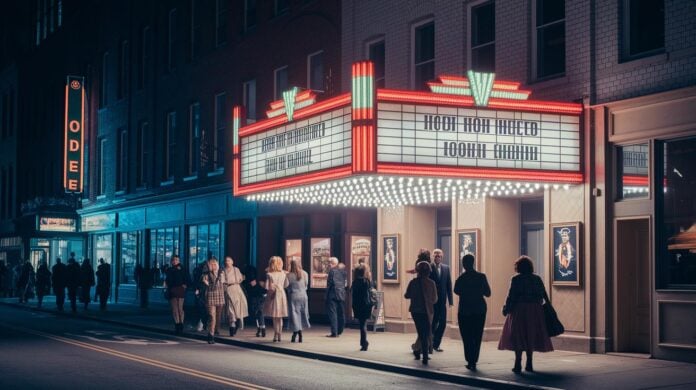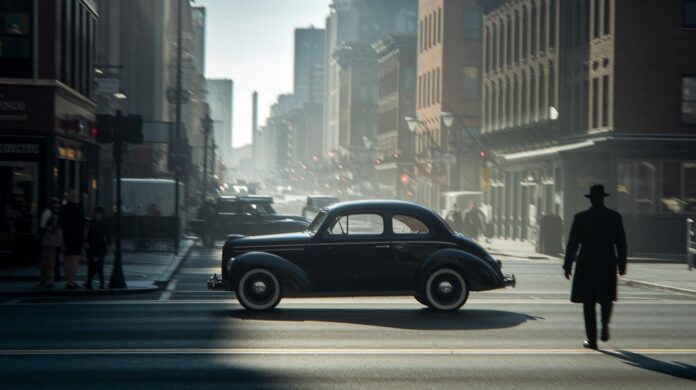

Ever wonder why classic gangster movies still stir thoughts about honor, loyalty, and power? These films mix raw, street-level storytelling with characters who blur the line between good and bad. They give us a glimpse into tough times, capturing struggles that still feel real today. In many ways, they set the stage for the modern crime dramas we love, continuing to spark our imagination and shape how we view movies.
Essential Masterpieces in Classic Gangster Movies
Classic gangster movies have always grabbed our attention with sharp stories and deep characters. They mix raw narratives with unforgettable style that still shapes today’s big hits and indie films. These movies made space for complex characters with blurred morals, inspiring modern mob tales.
They draw us in with tight plots, famous lines, and standout performances that resonate through time. Not only do these films entertain, but they also mirror the social and economic struggles of their eras. Both filmmakers and viewers keep returning to these classics for their enduring impact.
| Movie | Highlight |
|---|---|
| The Godfather (1972) | Laid the foundations of mafia cinema with iconic turns by Al Pacino, Marlon Brando, and Diane Keaton. |
| Goodfellas (1990) | Shows New York’s Italian Mafia rise with standout performances by Ray Liotta, Robert De Niro, and Joe Pesci. |
| Scarface (1932) | Tells the story of a Chicago immigrant’s rapid rise, later reimagined in 1983 with Al Pacino’s unforgettable role. |
| The Public Enemy (1931) | Features James Cagney in a raw look at Chicago’s underworld before strict film codes. |
| Once Upon a Time in America (1984) | Weaves an epic Prohibition saga of mob loyalty and betrayal, directed by Sergio Leone. |
| The Irishman (2019) | Presents a reflective, decades-long picture of mob life with Robert De Niro at the center. |
| City of God (2002) | Delivers a gritty look at Brazilian slum gangs with raw realism. |
| Bonnie and Clyde (1967) | Offers a dynamic crime spree drama set in the tough times of the Great Depression. |
| Pulp Fiction (1994) | Mixes a jumbled narrative with dark humor to refresh gangster storytelling. |
| Boyz n the Hood (1991) | Takes a hard look at urban crime in Los Angeles with a sharp social lens. |
These films broke new ground by challenging old ideas and pushing creative limits. Their lasting influence shines through in modern movies that borrow their style, character types, and storytelling techniques to capture both the glamour and grit of the criminal world.
Prohibition Era Stories in Classic Gangster Movies

The lively 1920s and rough 1930s gave rise to prohibition era stories that turned into legendary gangster films. Back then, illegal liquor deals and street power struggles set the scene for movies filled with raw ambition and gray moral choices. These classic crime films brought to life fierce turf wars and painted clear pictures of Chicago’s criminal underworld and beyond. A guide to films that changed society helps us see how these movies still shape cultural views today.
| Film | Year | Director | Notable Fact |
|---|---|---|---|
| The Public Enemy | 1931 | William A. Wellman | Charts Chicago’s bootlegging wars |
| Scarface | 1932 | Howard Hawks | Al Capone–inspired gangster saga |
| Bonnie and Clyde | 1967 | Arthur Penn | Great Depression duo shaped by bootlegging aftermath |
| The Untouchables | 1987 | Brian De Palma | Eliot Ness vs. Al Capone; Connery’s Oscar win |
| Miller’s Crossing | 1990 | Coen Brothers | Tale of loyalty and betrayal during Prohibition |
Even today, these films influence new storytellers with their themes of loyalty, betrayal, and the ongoing fight between law and outlaws. Their powerful portrayals of prohibition power struggles continue to spark fresh narratives about age-old conflicts and the enduring pull of the criminal world.
Golden Age Noir and Underworld Chronicles in Classic Gangster Movies
These classic films mix shadowy city scenes with tough characters whose values are as murky as the rain-soaked streets they wander. The mood is heavy and full of fate and uncertainty, even when a touch of unexpected kindness shows through. Fun fact: many film noir actors got their start in stage dramas where raw emotion and inner conflicts were the main draw.
Take a look at some standout films from this era. In Angels With Dirty Faces (1938), Cagney plays a criminal torn between his life of crime and a search for redemption. The Killing (1956) ramps up the tension with a carefully planned racetrack heist, while Touch of Evil (1958) shines a light on corruption along the U.S.-Mexico border. Rififi (1955) impresses with a perfectly executed robbery set in France, and Le Doulos (1962) dives deep into betrayal in the shadowy corners of Paris. Adding a twist, The Testament of Dr. Mabuse (1933) bends the rules with a psychological slant to the crime story.
These films also blur the lines between detectives and crooks. Characters often step into roles that mix law enforcement with outlaw behavior, making us wonder about loyalty, honor, and the complicated nature of right and wrong in a gritty underworld.
New Hollywood Transformations in Classic Gangster Movies

From the 1970s to the 90s, filmmakers turned old mob stories on their head. They pulled in flawed heroes, raw urban backdrops, and non-linear plots that felt fresh and real. These movies became both edgy thrillers and period crime epics, breaking the usual mold with stories that still hit home today.
Scorsese made a huge impact with classics like Mean Streets (1973) and Goodfellas (1990). Drawing on his own life in Little Italy, he crafted tough, kinetic movies that mix rich character studies with fast, gripping action. Later on, The Departed (2006) took a Hong Kong crime tale and transformed it into a gritty Boston mob story about loyalty and betrayal.
Tarantino also shook things up with films like Reservoir Dogs (1992) and Pulp Fiction (1994). His movies blend deadpan humor with bursts of violence while using scrambled timelines that keep you guessing. His sharp dialogue and memorable scenes redefined what a gangster film can be.
This bold era brought signature styles that set these films apart. Visionary directors like Scorsese and Tarantino mixed strong visuals with deep character journeys. Their work turned classic mob tales into legendary crime movies that continue to inspire modern cinema and keep these mafia legends alive.
International Perspectives in Classic Gangster Movies
Latin American gangster films pack a real punch. City of God (2002) throws you into the heart of life in Brazilian favelas with raw energy and intense visuals. Its camera work and gritty urban feel pull you into a world where poverty and crime force survival to be an everyday struggle. These films give you a front-row seat to a place where hope and despair mix on every street corner.
French and British movies add a smart, stylish twist to the classic gangster story. French films like Rififi (1955) and Le Doulos (1962) deliver clever heist plots wrapped in a moody vibe. Meanwhile, Léon: The Professional (1994) pairs urban beauty with a deep, tragic side. British classics, such as The Long Good Friday (1980), Lock, Stock and Two Smoking Barrels (1998), Snatch (2001), and Sexy Beast (2000), boost the genre with sharp dialogue and dark humor, making crime stories feel both witty and real.
Today’s films mix traditional mob elements with fresh storytelling tricks. Movies like A Prophet (2009), No Country for Old Men (2007), and In Bruges (2008) update the gangster style while staying true to its gritty roots. They show that even old themes can evolve, resonating with audiences everywhere through strong visuals and timeless tales.
Classic Gangster Movies: Timeless and Iconic

Directors like Francis Coppola and Martin Scorsese paved the way for classic gangster films with bold ideas and strong styles. Coppola told deep mafia family stories, while Scorsese used techniques like steady camera work in Goodfellas to give his films a raw, urban feel.
Sergio Leone, Quentin Tarantino, and Brian De Palma pushed the genre further with their own unique looks. Leone used long, sweeping shots, Tarantino played with the story order to add excitement (nonlinear editing means the scenes are not shown in order), and De Palma relied on close-ups that pack a punch. Their choices turned crime tales into memorable movie moments.
Powerful performances by Al Pacino, Marlon Brando, and Robert De Niro brought mob bosses to life in a very real way. Their roles mixed strong intensity with quiet emotion to create characters whose struggles and ambitions have lasted through the years.
Actors like Ray Liotta, Joe Pesci, James Cagney, Sean Connery, Denzel Washington, and Johnny Depp also delivered standout turns. Their old-school charm and careful expressions match well with the bold camera work, where crisp lighting and tight close-ups capture every detail of life in the criminal underworld.
Final Words
In the action, we explored the essential thrills of classic gangster movies. We traced the evolution from vintage mob flicks and prohibition-era tales to bold international spins and innovative modern twists. The blog broke down the genre’s high-impact moments, unforgettable performances, and game-changing techniques.
We've shown that these films continue to capture raw energy and style. Enjoy the experience, and let these movies inspire new viewing adventures.
FAQ
Frequently Asked Questions
What defines gangster movies in Bollywood and Hollywood?
The question highlights that Bollywood films mix musical drama with crime, while Hollywood offers a grittier style focusing on power, betrayal, and intense character studies in mob narratives.
What are the top 10 classic gangster movies and what makes them classic?
The classic gangster movies include titles like The Godfather and Goodfellas. These films combine memorable characters with atmospheric tension and innovative direction that set the blueprint for modern crime storytelling.
How do lists such as Top 50 or Top 100 gangster movies serve viewers?
These comprehensive lists gather diverse films spanning various eras and styles. They help viewers explore a range of influential mob pictures, from groundbreaking classics to bold modern reinterpretations, all shaping the genre’s legacy.
What is considered the greatest or ultimate gangster movie of all time?
The ultimate gangster movie is a topic of debate, yet films such as The Godfather often win favor for their story, direction, and lasting cultural impact on crime cinema.
Which gangster movies are best available on Netflix?
The best gangster movies on Netflix typically include hard-hitting dramas and cult favorites. These selections offer viewers easy access to both classic mob tales and modern crime thrillers with rich, character-driven storytelling.
What makes a film the best Hood movie of all time?
The best Hood movies capture urban life with raw storytelling and impactful performances. They provide an authentic look at community struggles and offer a powerful blend of cultural insight and hard-edged narratives.
How are drug gangster movies distinct in the genre?
Drug gangster movies highlight the impact of the drug trade and the resulting power struggles. They often showcase intense character conflicts and realistic portrayals of the underground world, making them a distinct subgenre of crime films.