
Ever wonder if a smart research plan could uncover hidden film gems? This guide shows you how to write clear research questions, dive into archives, and work with experts to uncover fascinating details from movie history. With simple steps and handy tips, you'll learn a method that cuts through clutter, saves time, and makes film history easy to enjoy. Get ready to turn old records into lively stories that spark your curiosity.
Essential Steps in Film Archival Research
Start your archival journey with a good plan. Archives keep important records that hold our history and culture. When you know exactly what you’re searching for, you can quickly cut through large amounts of data without wasting time.
It’s key to set clear goals. Think about what you want to uncover as you review finding aids, catalogs, and digital collections. One researcher even moved from a production assistant role to leading archival projects by sticking with it. A well-organized start not only makes things smoother but also digs deeper into film history.
Here’s a simple roadmap:
| Step | Action |
|---|---|
| 1 | Write clear research questions |
| 2 | Look through archive catalogs and online databases |
| 3 | Talk to archivists for collection insights |
| 4 | Plan visits for on-site research |
| 5 | Find useful digital portals and screening rooms |
Following a clear guide like this puts you in a great place to discover film treasures. Every step, from checking catalogs to planning field visits, helps you explore film archives with confidence and uncover meaningful insights into our rich cinematic past.
Crafting Research Methodology for Film Archives
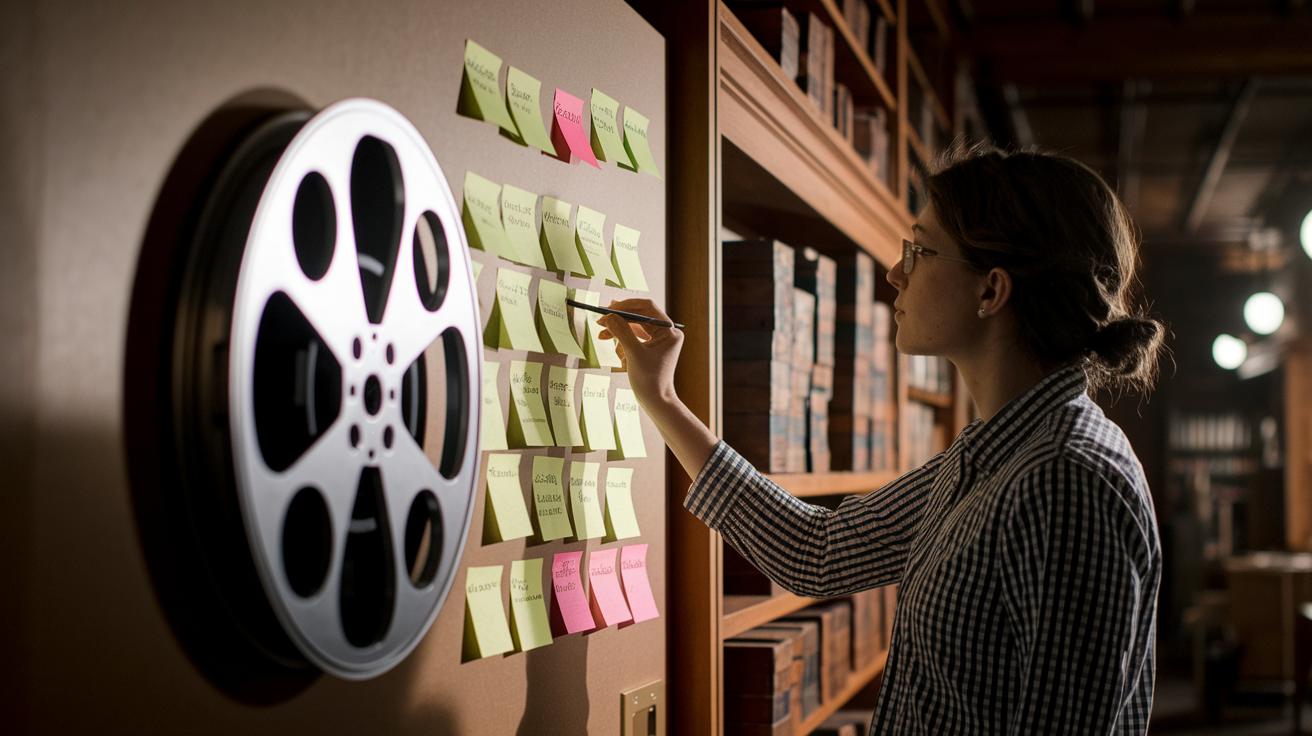
A clear method is key to doing good film archival research. It helps you know which questions to ask and how to gather your data fast. Think of it like finding a hidden treasure in a dusty archive, one researcher even said, "Before diving into detailed research, I discovered a surprising note on an old film reel that completely changed my view."
- Develop your research question
- Choose a clear framework
- Organize your data well
- Use helpful software tools (for example, QDA for data analysis and transcription programs)
- Consider ethics and copyright rules
- Set your project timeline and milestones
Using broad research methods for films means you tailor them to fit movie history. For instance, software that transcribes speech and maps out ideas can turn interviews and old notes into neat, easy-to-follow data. This way, you can spot trends in film making, preservation hurdles, and cultural themes. With clear steps and ethical guidelines, your study will be solid and flexible, recording history while lighting the way for more film exploration.
Exploring Archive Collections: Locating Film Resources
Archives are like treasure troves for film materials. They rely on clear guides such as catalogs and organized classification systems to help you find what you need fast. Detailed layouts, like shelf codes and subject headings, point you to the heart of the collection. Many research centers sort their records by format, era, or topic. This means you can quickly compare items from different times or zero in on a specific film project. For example, a well-kept catalog might bundle promotional photos and production notes by call number or date, making your search for primary sources much easier.
- Browse online finding aids
- Search library catalogs by call number or subject headings
- Talk to curators for an overview of the collection
- Explore grant-funded programs to view restricted items
- Attend archive workshops and panels
- Use digital catalogs and screening room portals
- Check annual reports and newsletters for updates
When planning your research, consider both in-person visits and online searches. Visiting an archive lets you see materials up close and handle delicate film elements, while digital searches give you quick, remote access to records. Combining both methods will help you gather a complete and rich set of information for your film projects.
Accessing Primary Sources for Cinema Research
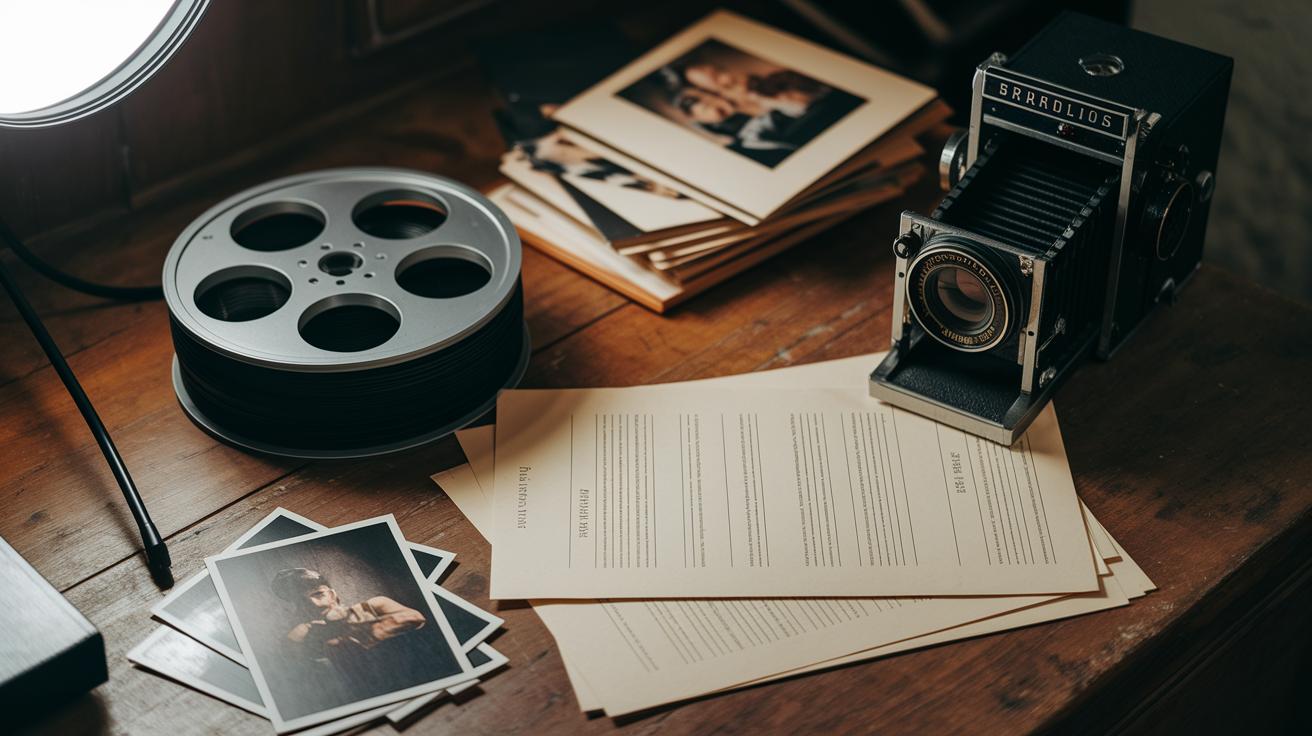
Primary materials are at the heart of studying film history. These tangible items reveal the creative energy behind movies. Looking at original documents helps researchers understand the production choices and the cultural setting that shaped a film.
Digging into these sources can uncover personal stories and even political issues. For example, a director’s handwritten notes or early production photos can show more about the choices made than what you see on screen. Such records build a real historical picture and help us grasp both the art and impact of cinema.
- Original film reels and prints
- Shooting scripts and continuity notes
- Production stills and posters
- Correspondence and memos
- Ephemera (press kits, lobby cards)
Using these materials requires close attention to legal and ethical rules. Often, you need permission to work with items owned by living artists or institutions, and you must follow clear copyright guidelines. Archives usually have strict rules for handling delicate records, including working in controlled spaces and treating all items carefully. When digitizing materials, institutions follow special steps to keep them in top shape. Working with archivists to get the necessary approvals helps ensure that both physical and digital records stay intact for future research and viewing.
Cataloguing and Managing Film Archival Data
Thorough cataloguing is key to keeping your film archives in order. Detailed metadata (information about each film) makes it easy to find and understand film records and helps them last over time. Using a standard way to list titles, dates, and formats cuts down on mix-ups and preserves the true value of your film treasures.
| Field Name | Description | Example |
|---|---|---|
| Title | Official film name | Casablanca |
| Date | Production or release year | 1942 |
| Format | Film stock or digital type | 35 mm safety |
| Location Code | Archive shelving reference | Box 12A |
| Notes | Condition or unique facts | Original nitrate print |
Managing your archive goes beyond the first cataloguing step. It means using strong version control (a method for tracking changes) and keeping several backup copies safe. Good citation management ensures every detail can be traced back to its source. Tools like concept-mapping software and QDA (qualitative data analysis, which means studying non-numeric data) can boost your theme organization and help you dive deeper into film details. Writing down each update keeps things clear and protects the original information from mistakes or loss. Regular audits and secure backups, such as cloud storage or off-site options, further protect your records. These practices are essential for keeping digital films safe and accessible for future study by scholars, filmmakers, and history lovers.
Film Preservation and Restoration Case Studies
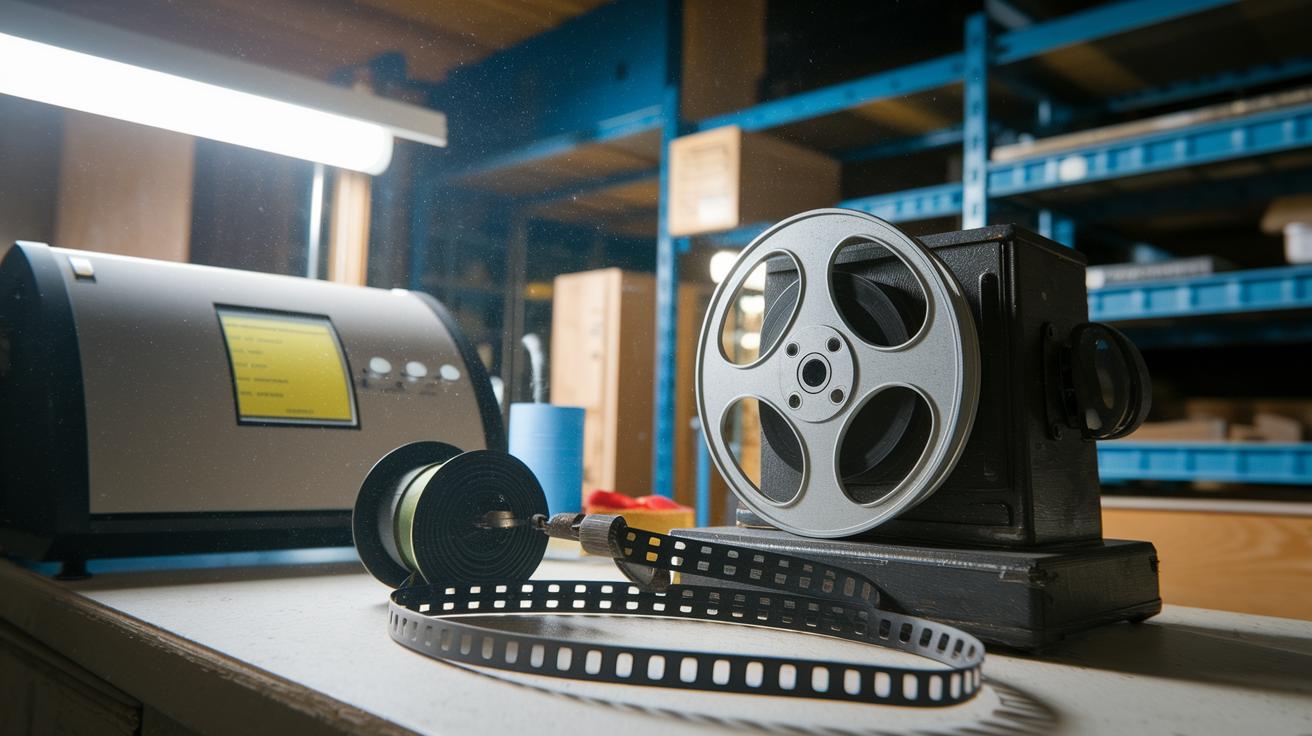
Restoration case studies show that preserving films does more than save memories, it keeps history alive for future generations. Real examples prove that both creativity and technical skill can revive old films. One example is Navajo Rug Weaving (1938-39) by Tad Nichols, restored by Northern Arizona University with a Basic Preservation Grant. This project shows how detailed care can breathe new life into a classic film and highlights many funding paths available.
Another project, a mid-century documentary recovered with Matching Grants, makes it clear that flexible funding helps archivists save films that might otherwise vanish. Likewise, avant-garde films renewed with the Avant-Garde Masters Grant show that even experimental works get a chance to keep their creative spark. These projects, detailed in resources like The Film Preservation Guide and The Field Guide to Sponsored Films, share helpful methods for everything from cleaning film physically to remastering it digitally. Take an inspiring example: before long, a lost film can shine again like a hidden gem discovered among dusty reels.
| Film Title | Year | Grant Type | Institution |
|---|---|---|---|
| Navajo Rug Weaving | 1938–39 | Basic Preservation Grant | NAU |
| Documentary X | 1950s | Matching Grant | Archive Y |
| Avant-Garde Short | 1965 | Avant-Garde Masters Grant | Museum Z |
In short, these examples remind us that film restoration works best when funding bodies, institutions, and skilled technicians join forces. The key lessons are clear: varied funding is essential, technical know-how matters, and using detailed guides makes handling the complex steps easier. Resources such as The Film Preservation Guide and The Field Guide to Sponsored Films offer practical advice and complete coverage for anyone keen to rescue cinematic history.
Digital Tools and Archive Digitization Best Practices
High-quality digitization is key for keeping film materials intact. It lets researchers study every detail without ever worrying about touching sensitive originals. Each frame is captured with care, keeping history safe for everyone.
Here are some simple best practices:
- Use lossless file formats and work in at least 4K resolution.
- Apply consistent color grading and stabilization.
- Check frames one by one to catch any errors.
- Embed metadata following industry standards.
- Keep several backups, both on-site and off-site.
- Clearly document how files are named and stored.
Putting these digitized files into research platforms streamlines film archive work. When files are well-organized, researchers can quickly find and study specific segments. This method boosts teamwork and makes data easier to access. Digital tools also speed up reviews and track any changes accurately. A reliable workflow builds searchable databases, letting users compare files over time and add interactive features. In the end, these practices help preserve our cinematic heritage and make it simple for scholars and film lovers to explore films with confidence.
Advanced Archival Research Techniques in Cinema Studies
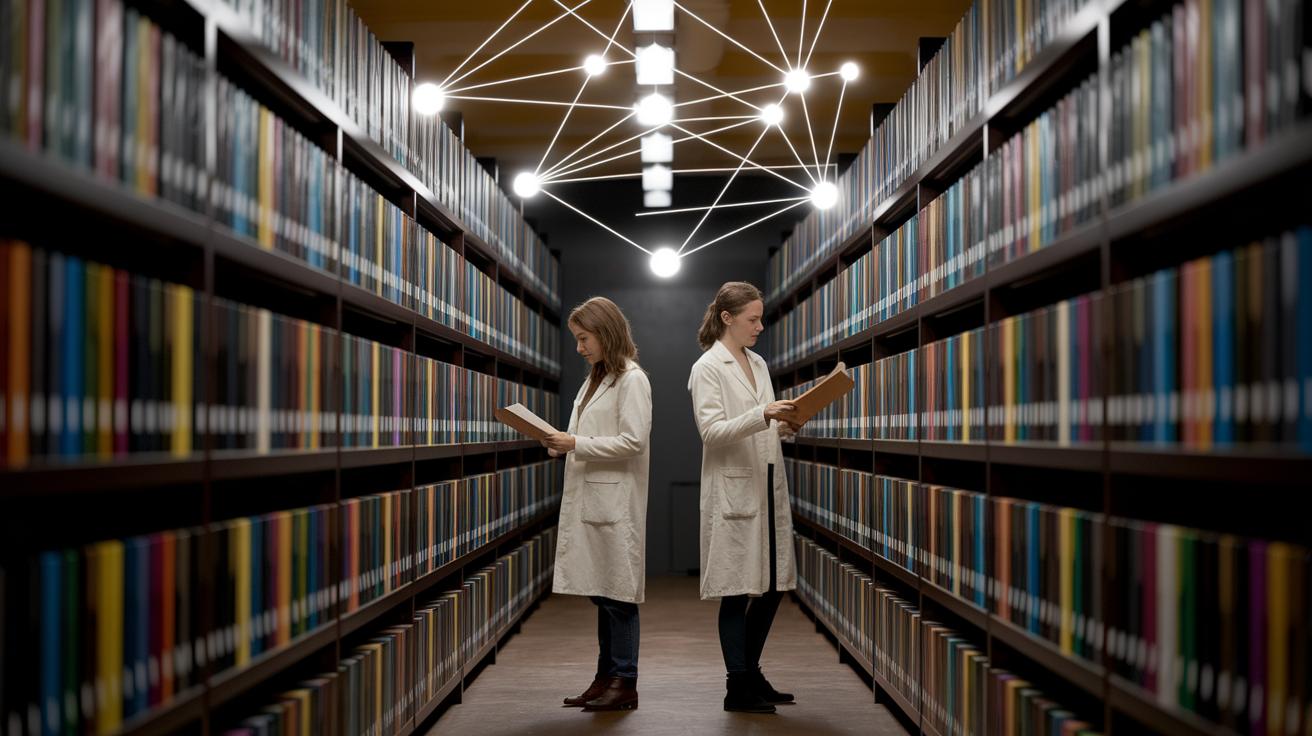
New methods are changing how scholars study film archives. With these advanced strategies, researchers can spot hidden links and uncover deeper layers in a wide range of film materials. They go beyond basic details to reveal cultural and historical patterns embedded within the collections.
- Metadata network mapping
- Narrative reconstruction using oral histories
- Digital humanities tools (like GIS and text-mining)
- Predictive cataloging with machine learning
The best technique depends on what you need to learn, what resources you have, and how deep your study needs to be. If you want to compare collections in detail, metadata mapping or predictive cataloging may be the right choice. But if you're looking to explore behind-the-scenes stories, using personal accounts through narrative reconstruction works well. Always consider the archive’s size, your technical setup, and your timeline to choose the approach that best supports your research goals.
Final Words
In the action, this guide walked through the essential steps of film archival research, from forming clear questions and exploring rich archive collections to mastering digital workflows and advanced research techniques. The article broke down practical methods, ensuring readers can manage primary sources and catalog data with confidence.
Every section provided clear steps to protect our cultural heritage while sparking creativity in research. The described methods offer a solid roadmap for anyone interested in film archival research, leaving you with a sense of promise and inspiration.
FAQ
What is the free PDF guide to film archival research?
The free PDF guide to film archival research explains a complete approach by outlining clear steps—from forming precise research questions to exploring digital collections—so you can start your archival work with confidence.
What do The Film Preservation Guide and the Nfpf film preservation guide cover?
The Film Preservation Guide and the Nfpf film preservation guide cover best practices for conserving films, offering detailed instructions on preservation techniques and case studies to help maintain film heritage.
What is the International Federation of Film Archives?
The International Federation of Film Archives is a global network that connects institutions to promote film conservation standards and collaborative efforts in preserving cinematic history.
What are film preservation jobs?
Film preservation jobs involve tasks like conserving, restoring, and cataloguing film materials. They require technical expertise and a passion for keeping film history accessible for future generations.
What does archival film storage mean?
Archival film storage refers to specialized facilities designed to safeguard film materials by managing temperature, humidity, and light, thereby extending the life of valuable film records.
What is National Film Preserve, Ltd?
National Film Preserve, Ltd is an organization that protects and manages film archives, ensuring that cultural heritage is maintained and available to researchers and the public.