
Films from the swinging 60s still pack a punch today. Movies like Psycho, Eyes Without a Face, and Harper broke new ground with bold storytelling, surprising twists, and daring visuals. Now, we take a look back to see how these fearless choices changed the way movies are made. This reflection shows how those classics pushed boundaries and reminded us that a film's magic comes from its ability to shock and inspire.
Retrospective Perspectives on 1960s Retro Films
The films of the 1960s changed how stories were told and how we see visuals on screen. Titles like Psycho (1960), Eyes Without a Face (1960), and Harper (1966) pushed boundaries and surprised audiences with new ideas. These movies mix intense psychological tension and unusual images that still make an impact today.
Take Psycho, for example. Its risky style stole the audience’s sense of safety with a famous shower scene that shocked viewers and changed suspense forever. Eyes Without a Face uses eerie lab scenes and long, lingering shots to explore feelings of guilt and the fear of losing oneself. Harper, with its sharp dialogue and nods to film-noir, features Lauren Bacall’s memorable presence, even if its bright Technicolor style now seems a bit old.
These films remind us that bold choices in storytelling and visuals continue to inspire filmmakers and viewers alike.
1960s Film Critique: Themes and Narrative Styles
In Psycho, the film takes away the safety net we expect from characters, leaving them truly exposed to danger. The tension isn’t built on unbelievable escapes; it comes from knowing that peril is never far off. This constant risk makes viewers wonder what will happen next, filling the story with uncertainty and raw intensity.
Eyes Without A Face turns our ideas of beauty upside down. Doctor Génessier’s bizarre lab scenes dig into body-image worries in an eerie, almost dreamlike style. At the same time, Harper reworks film noir in a 1960s Los Angeles backdrop, using tough dialogue and ambiguous morals to layer a story full of twists and contradictions.
Key elements include:
- Guilt and obsession in the main character’s journey
- Nerve-wracking psychological-thriller moments and vulnerability
- Classic film-noir vibes with shades of gray in morality
- Surreal narrative touches that feel like dream logic
- The striking contrast of technicolor versus black-and-white storytelling
These films show a bold break from old storytelling methods. Psycho’s fast pace makes danger feel real and immediate, while Eyes Without A Face quietly reveals inner demons with its haunting visuals. Harper, with its nod to classic noir, mixes quick dialogue and visual hints to craft a morally complex tale. Together, they mark a shift in narrative style where risk is at the heart of storytelling and tradition gives way to innovative filmmaking.
Visual and Production Design Review in 1960s Retro Films
1960s films always aimed to catch your eye with bold visuals. Their production design tells its own story and sets a mood that sticks with you long after the movie ends.
Harper dazzles with a bright Technicolor look and scenes shot in real Los Angeles spots. The sets feel real and a bit rugged, with colors that have faded like peeling paint. These designs tip their hat to film-noir (a style known for its dark, crime-themed look) while still keeping a lively vibe.
Psycho takes a different route by using black and white to build a tight, heavy mood. The Bates Motel set makes you feel as if danger is lurking in every corner, wrapping you in an atmosphere that is both tense and inescapable.
Eyes Without a Face goes for surreal lab settings and genuine period costumes to boost its gothic horror feel. The mix of dreamlike staging and careful costume design adds a touch of spooky elegance to its tale of body-image anxiety, leaving you with a memorable yet eerie visual experience.
Cinematic Techniques and Editing Style in 1960s Films
Films from the 1960s used editing to set the mood without using words. Every camera move and cut acted like a brushstroke on a painting, leaving much for the audience to feel and figure out.
Take the famous shower scene in Psycho. Fast cuts and switching angles work together to shock you, not just in sight but in feeling. In contrast, Eyes Without a Face uses long, steady takes and unusual framing to create a dreamy feel. Meanwhile, Harper plays with crisp cuts and sudden jump cuts that give a nod to classic noir. These mixed methods show how directors pushed the limits of film language to build tension and surprise.
All these techniques capture the bold, experimental spirit of the 1960s. The creative cuts and unique camera tricks set a new standard for visual storytelling, proving that the way a scene is pieced together can be just as strong as the story itself.
Genre Innovation Critique in 1960s Retro Films
Psycho pushed movies to dig into the characters' inner struggles instead of just using jump scares. Eyes Without a Face mixed spooky gothic looks and strange body horror to show that fear can be beautiful too. Harper’s fresh spin on film-noir modernized crime tales and sparked a comeback of dark, moody detective stories used in movies today.
Looking back, the bold movie moves of the 1960s set a new path. Later films added clever tech tricks and varied storytelling to raise the tension even higher. Modern thrillers now use quick cuts and digital effects, a tip of the hat to Psycho’s method of using tight, close shots to make us feel on edge.
Every one of these films offered a new blueprint that filmmakers now build on to match what we, as audiences, expect and enjoy.
Iconic Scene Breakdown and Director Vision Assessment in 1960s Retro Films
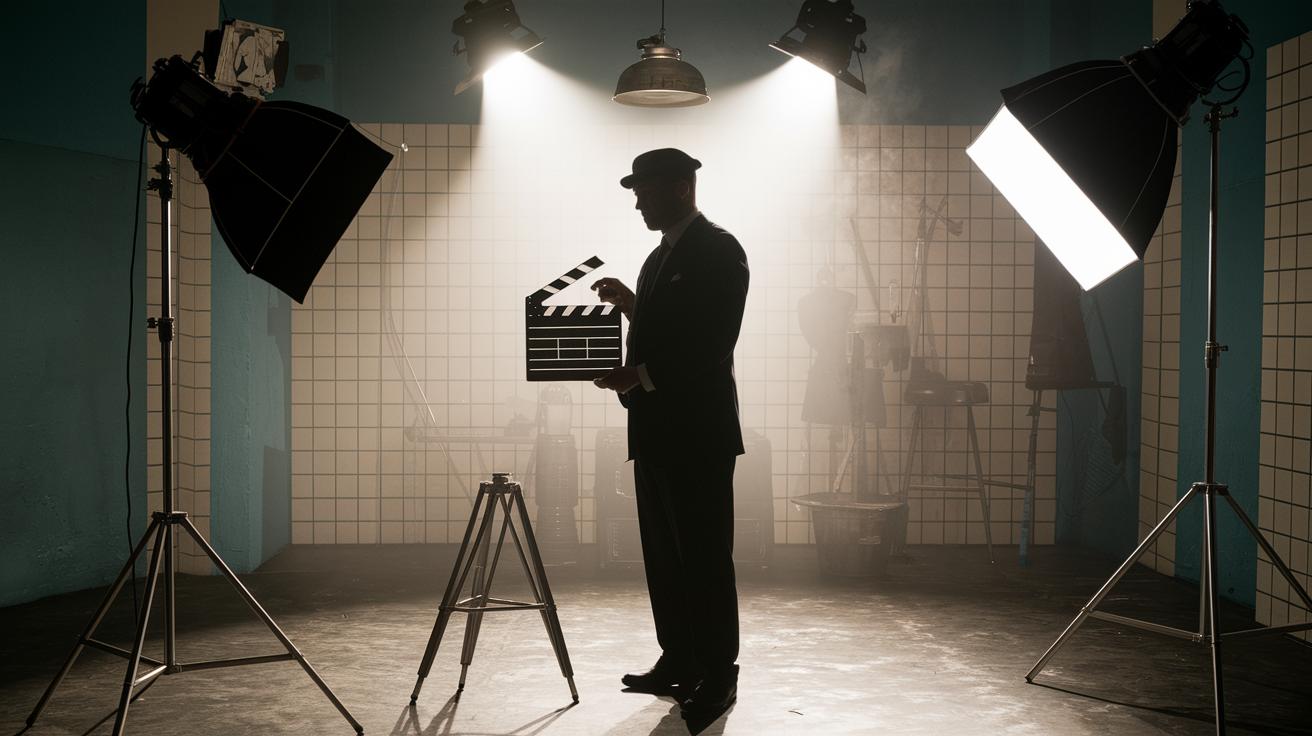
Alfred Hitchcock changed the way suspense works with his famous shower scene. He used quick cuts to tell the story and skipped the usual musical score. This new method opened a path for other filmmakers. Fun fact: Before modern fast editing, Hitchcock created a unique rhythm in that shower scene that still shapes thrillers today.
Director Franju shifted his style during the making of Eyes Without a Face. He added personal, subtle touches that borrowed from French cinema. The faceless masks in the film signal not just a loss of identity but also hidden inner turmoil. Fun fact: Franju nearly cut the opening scene for being too soft, but its final form set a new standard for visual symbolism in horror.
Jack Smight gave new life to Harper’s final sequences by blending real outdoor visuals with studio scenes. His approach mixed classic film-noir moods with today’s realistic looks. This fresh style encouraged later directors to merge authenticity with carefully planned compositions. Fun fact: Smight originally scripted each shot in Harper to mimic true-to-life moments, and that idea sparked a trend in modern narrative filmmaking.
Legacy and Influence: How 1960s Retro Films Shaped Modern Cinema
Even though we already talked about the 1960s influence, here we focus on modern films that show its impact. Directors often mention watching Psycho and learning from its bold cuts and suspenseful scenes. One filmmaker said, "Before my breakthrough film, I studied Psycho's twist on tension to reshape my narrative." Eyes Without a Face still pushes directors to create eerie visuals in body-horror stories. Meanwhile, Harper brought a fresh look to noir that lives on in modern films like Drive (2011).
| Film Title | Lasting Influence |
|---|---|
| Psycho (1960) | Set a blueprint for unpredictable storytelling that modern suspense films follow |
| Eyes Without a Face (1960) | Inspired the use of surreal visuals and body-horror elements in today’s art-house cinema |
| Harper (1966) | Revived the noir style with vivid visuals that shape modern crime dramas |
Modern films continue to borrow these classic techniques. For instance, director Jordan Peele used tension-building methods inspired by Psycho to craft memorable scare scenes. These movies not only change genre rules but also set the stage for fresh visual and storytelling styles today.
Final Words
In the action, we explored landmark films from the 1960s, breaking down their storytelling, visuals, and editing styles.
We reviewed iconic scenes from Psycho, Eyes Without A Face, and Harper, highlighting their unique approaches to genre and narrative shifts.
Key takeaways included how these movies reshaped psychological thrillers, body-horror, and film-noir.
This retrospective analysis of 1960s retro films shows that classic cinema continues to inspire fresh perspectives while encouraging us to value films that truly push creative boundaries. Enjoy discovering more timeless gems!
FAQ
Q: Retrospective analysis of 1960s retro films reddit
A: The retrospective analysis of 1960s retro films on reddit examines how classic movies from the decade express cultural themes, stylistic choices, and historical context, influencing today’s interpretations of film history.
Q: Retrospective analysis of 1960s retro films essay
A: The retrospective analysis essay on 1960s retro films reviews key movies and directors, emphasizing technical innovation and narrative evolution while highlighting the lasting impact these films have on modern cinematic storytelling.
Q: What was causing major trouble for film studios in the 1960s?
A: The major trouble for film studios in the 1960s was changing audience interests combined with competition from television, which pressured studios to innovate and adjust to a rapidly shifting cultural and economic environment.
Q: What is a retrospective in movies?
A: A retrospective in movies is an examination of past films or a director’s body of work, focusing on their evolution, lasting themes, and impact on the film industry while offering a historical lens for viewers.
Q: What was happening in the film industry in the 1960s?
A: The film industry in the 1960s saw studios adapting to new audience expectations by experimenting with narrative and visual techniques, evolving genres like thrillers and horror, and addressing the competition posed by television.
Q: What was the main challenge to movies during the 1950’s and 60s?
A: The main challenge to movies during the 1950s and 60s was meeting evolving viewer expectations amidst the rise of television, which forced filmmakers to innovate their storytelling and production approaches to maintain audience interest.