
Have you ever wondered how films went from simple silent clips to dazzling digital spectacles? Cinema started as brief recordings of everyday life and has grown into a craft that sparks wonder with every frame. Early moving images captured moments in time, and over the years they evolved into powerful stories that continue to surprise us. Today, directors blend smart digital tools with age-old storytelling to create films that captivate audiences around the globe. In this post, I'll take you through the key trends shaping the movie industry, showing how each new development adds a fresh touch of magic to the screen.
Cinematic Evolution Unpacked: Tracing Key Milestones from 1888 to Today
Film started small and grew in leaps and bounds. In 1888, Louis Le Prince captured the Roundhay Garden Scene, a brief clip of people walking, that hinted at the future of storytelling through moving pictures. This tiny clip set the stage for everything that followed.
By 1895, Thomas Edison introduced the Kinetoscope, a device that let viewers see short films. Just a year later, the Lumière Brothers brought films to a wider audience with their Cinématographe. These early steps laid a solid foundation for film’s evolution.
From 1900 to 1920, silent films exploded in popularity. Studios even paired movies with live music, and the first movie stars emerged. Then, in 1927, The Jazz Singer marked a turning point by bringing sound to the screen. Soon, color films followed, with movies like The Wizard of Oz captivating audiences. The golden age from the 1940s to the 1970s saw eight major studios locking in strict production rules while television started to nibble at their power.
In the New Hollywood era (1970–2000), lower-budget films like Easy Rider showed that creative risks often paid off at the box office. The digital revolution from 2000 to 2010 pushed films into a new era with high-resolution digital cameras and computer-generated imagery (CGI, a way to create visuals digitally). Today, filmmakers use virtual production techniques like LED Volume Walls and affordable camera tech to keep the art of cinema fresh and ever-changing.
Technological Breakthrough Trends Reshaping Cinema Production
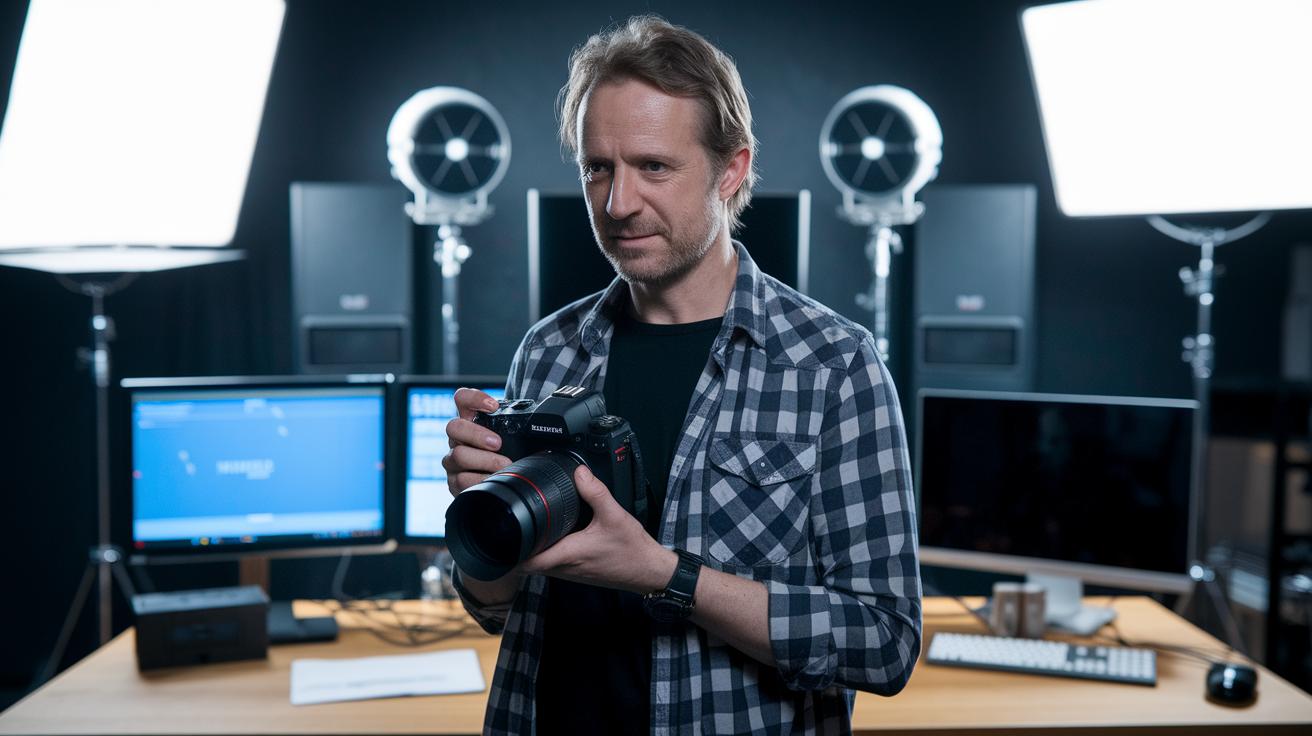
Digital filmmaking has changed the way movies are made. Filmmakers now use digital cameras with high-resolution sensors instead of expensive film stock. This shift cuts costs and opens up creative options, letting even smaller projects shoot in 4K or higher with equipment that was once only available to big studios. The whole production process has become faster and more flexible.
At the same time, advances in CGI (computer-generated imagery, which means creating images with computers) are changing how stories come to life. Pioneers like George Lucas set new standards for digital effects, and modern motion capture now turns actors’ performances into lifelike characters. Directors blend computer graphics with live action to build detailed, realistic worlds. The main breakthroughs include:
- Digital cameras that capture films in 4K and beyond
- CGI techniques that create realistic settings and creatures
- Motion capture systems that accurately reflect actor performances (for example, in the Planet of the Apes series)
- LED volume walls that offer real-time background lighting and reflections instead of traditional green screens
- Early VR and AR tools that help plan scenes and create on-set immersive experiences
These technological improvements empower filmmakers of all sizes to experiment and tell unique stories, making high-end visuals accessible regardless of budget.
Narrative Technique Transitions and Genre Diversification in Modern Cinema
Cinema storytelling has moved away from old, predictable formulas to fresher, character-led approaches that play with non-linear time. Today, filmmakers dive deep into a character’s life, challenging the idea that events must be shown in neat, straight lines.
The film world now brims with variety. You have superhero epics, streaming originals, and documentaries that mix real life with imaginative twists. This mix sparks creative trends that keep you guessing and broaden your view of what movies can be.
Modern films also reflect the times by focusing on diversity, equality, and justice. They connect with today’s values and reach out to a wider, more inclusive audience.
Innovative methods, like interactive storytelling (think Bandersnatch) and anthology series that mix film and episodic styles, show how changing narrative techniques and genre blends continue to reshape our movie experiences.
Digital Streaming Revolution and Evolving Distribution Models
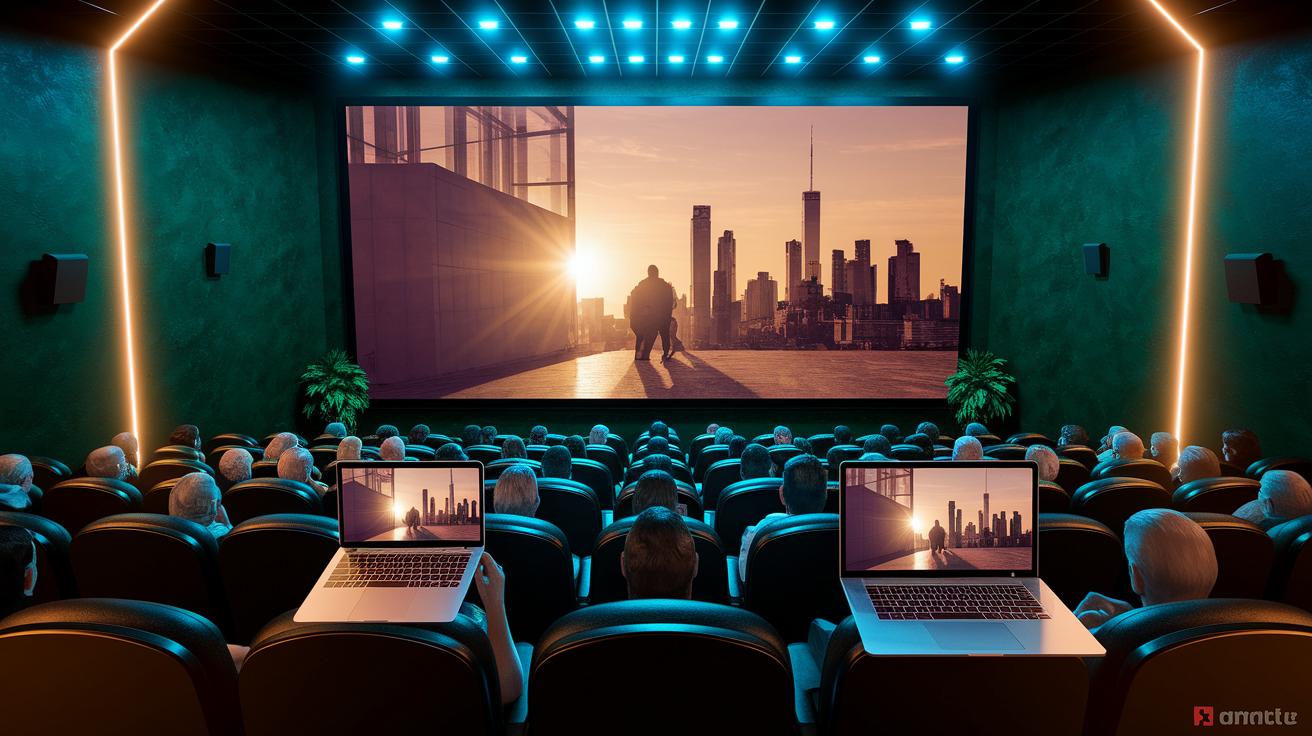
Film distribution is evolving quickly. The old way of releasing movies only in theaters is being replaced by digital platforms. Between 2004 and 2013, ticket prices jumped from $6.21 to $8.13, even as box-office sales dropped. Now, streaming services pour money into original content that skips the theater, pushing studios to change their money-making methods.
People want to watch movies whenever and wherever they want, usually on many devices at once. That need has led to hybrid releases where a film shows in theaters and online at the same time. This new strategy changes how movies are promoted and how earnings are divided. It also gives filmmakers a direct line to viewers who value flexibility. For example, a film with a hybrid release builds buzz in cinemas while also reaching those who love streaming at home.
Studios are using data from digital platforms to improve casting choices, promotions, and even content decisions. This quick, responsive shift blends the classic movie experience with the instant access of digital viewing. Even small films, once limited to niche audiences, now thrive on online channels, showing that fresh distribution strategies can level the playing field.
| Distribution Model | Description | Example |
|---|---|---|
| Theatrical | Movie released in cinemas first | Big blockbusters |
| Streaming Exclusive | Movies come out only online | Netflix originals |
| Hybrid Release | Movies released in theaters and online at the same time | Warner Bros.’ 2021 films |
Independent Cinema Surge: Funding Models and Global Collaborations
Low-cost cameras and simple editing tools let indie directors make movies on a tight budget. Today, technology is in many hands, and filmmakers can tell powerful stories without needing huge amounts of money. Some even complete full-length films for less than $50,000, a big difference from the massive budgets of major studios.
More filmmakers are turning to crowd funding to get direct support from their audience. Sites like Kickstarter and Indiegogo help them share sneak peeks and progress updates early on. This not only brings in the funds needed but also builds a community of fans who are excited to see the finished film.
Working with partners from other countries is another smart way to fund indie films. By sharing resources and risks, filmmakers mix local ideas with international know-how. This collaboration creates movies that speak to audiences around the world.
| Funding Method | Description |
|---|---|
| Crowd Funding | Uses platforms like Kickstarter and Indiegogo for audience-backed projects |
| Micro-Budget Films | Makes movies for less than $100K with cost-effective gear |
| Indie Studio Labels | Provides partial financing even from studio-affiliated groups |
| Grants & Co-Productions | Uses government grants and cross-border treaties to support films |
Audience Behavior Shifts and Marketing Innovations in Cinema Evolution
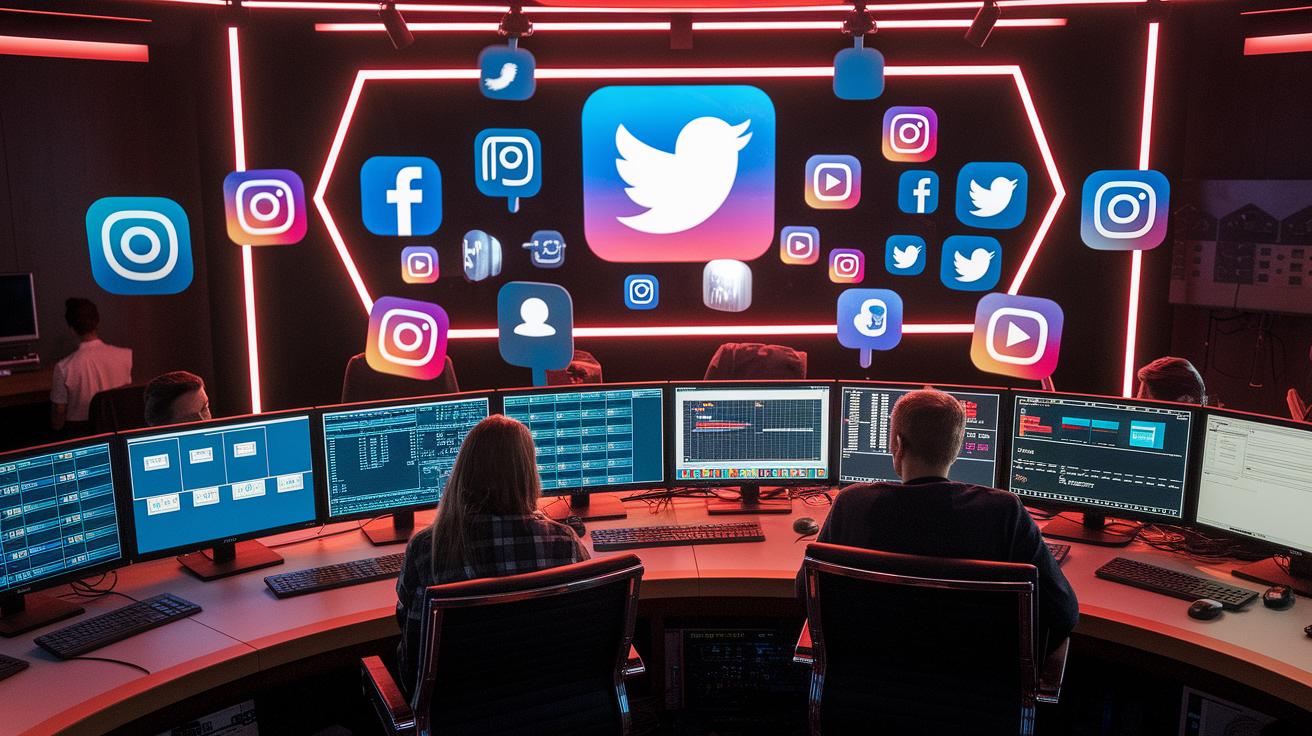
Film studios now use social media to create buzz in real time. They share early clips on TikTok and Instagram using fun filters that spark quick conversations among excited viewers.
Studios also rely on data to understand what audiences want. They tweak casting and budgets even before filming starts based on trends and early reactions.
Fans have a bigger say these days. Interactive polls, virtual screenings, and collaborations with influencers invite audiences to join the filmmaking process. Sometimes, viewers even vote on small plot details during live online events.
Changing demographics are shaping film content as well. Younger viewers, like Gen Z and millennials, demand real stories and true representation. Their feedback helps filmmakers craft diverse stories that reflect today’s culture.
Future Trends in Cinema Evolution: AI, Immersion, and Interactive Storytelling
AI and machine learning now help with script checks, casting guesses, and even editing. Filmmakers use these tools to make pre-production smoother and keep their stories tight. For instance, an AI tool can pick up mistakes in dialogue, saving time and boosting clarity.
Interactive films now let you decide where the story goes. Inspired by movies like Bandersnatch (which allows audience choices), these films offer several paths and endings that change with your input. This approach draws you in and gives creators a chance to explore deeper, character-based tales.
Movie theaters are getting a makeover too. With 3D sound, seats that move with the action, and VR preview events, watching a film becomes a full-body experience. This change means you might feel like you're inside the story, instead of just watching it.
Cloud tools let teams around the world work together in real time. These systems help connect studios by allowing creative ideas to flow quickly between distant production houses, speeding up the post-production process.
Augmented reality in cinemas adds a fun twist by blending digital games and apps with live film scenes. By mixing extra digital layers with real-time visuals, AR makes the movie experience even more interactive and engaging.
Final Words
In the action, this post zoomed through cinema’s history, from silent films to digital innovations. It highlighted how tech breakthroughs, shifting narratives, and evolving distribution models have reshaped what we enjoy on screen. We also explored indie funding and fresh marketing ideas that catch today’s attention. Reading this, you can see the evolution of cinema: trends shaping today’s movie industry. Each phase brings creativity and progress, giving us more ways to connect with films. There's plenty to look forward to, so here’s to great movies ahead.
FAQ
What is the history of the film industry timeline and key milestone dates?
The history of the film industry timeline charts early examples like Louis Le Prince’s Roundhay Garden Scene (1888), moves through silent films, the advent of talkies and color, and reaches today’s digital advancements and virtual production methods.
How has the film industry evolved over time?
The film industry evolved from silent and early talkie eras to embrace color, digital techniques, and CGI innovations. This shift has transformed storytelling, production methods, and how audiences access films today through streaming and hybrid models.
What is the role of cinema in shaping society and modern culture?
Cinema shapes society by reflecting and influencing social values and trends. It creates narratives that spark conversations, informs cultural identity, and drives modern cultural shifts with diverse and engaging content.